
BEHIND THE SECOND SKINS OF JULIETA BELTRÁN LAZO
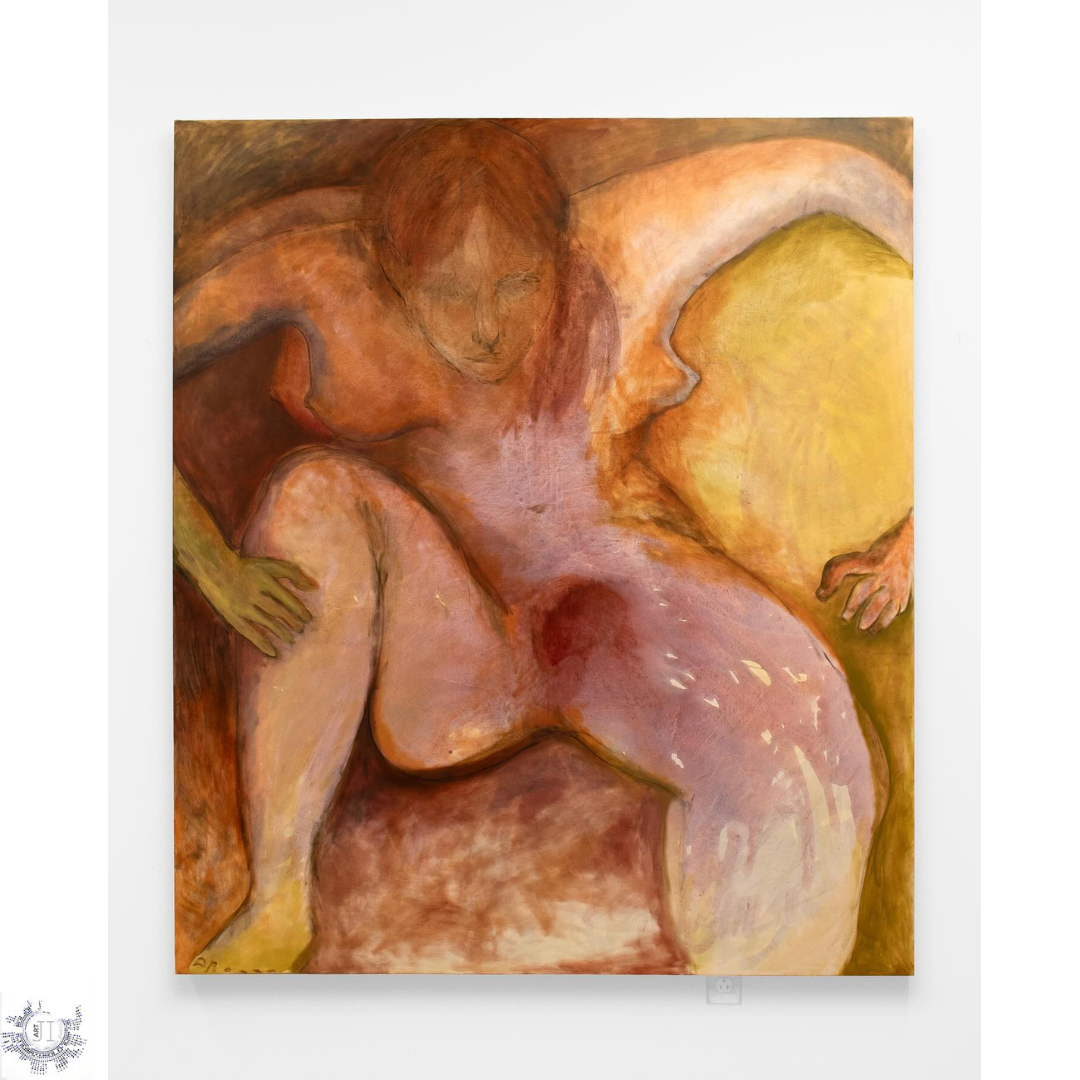
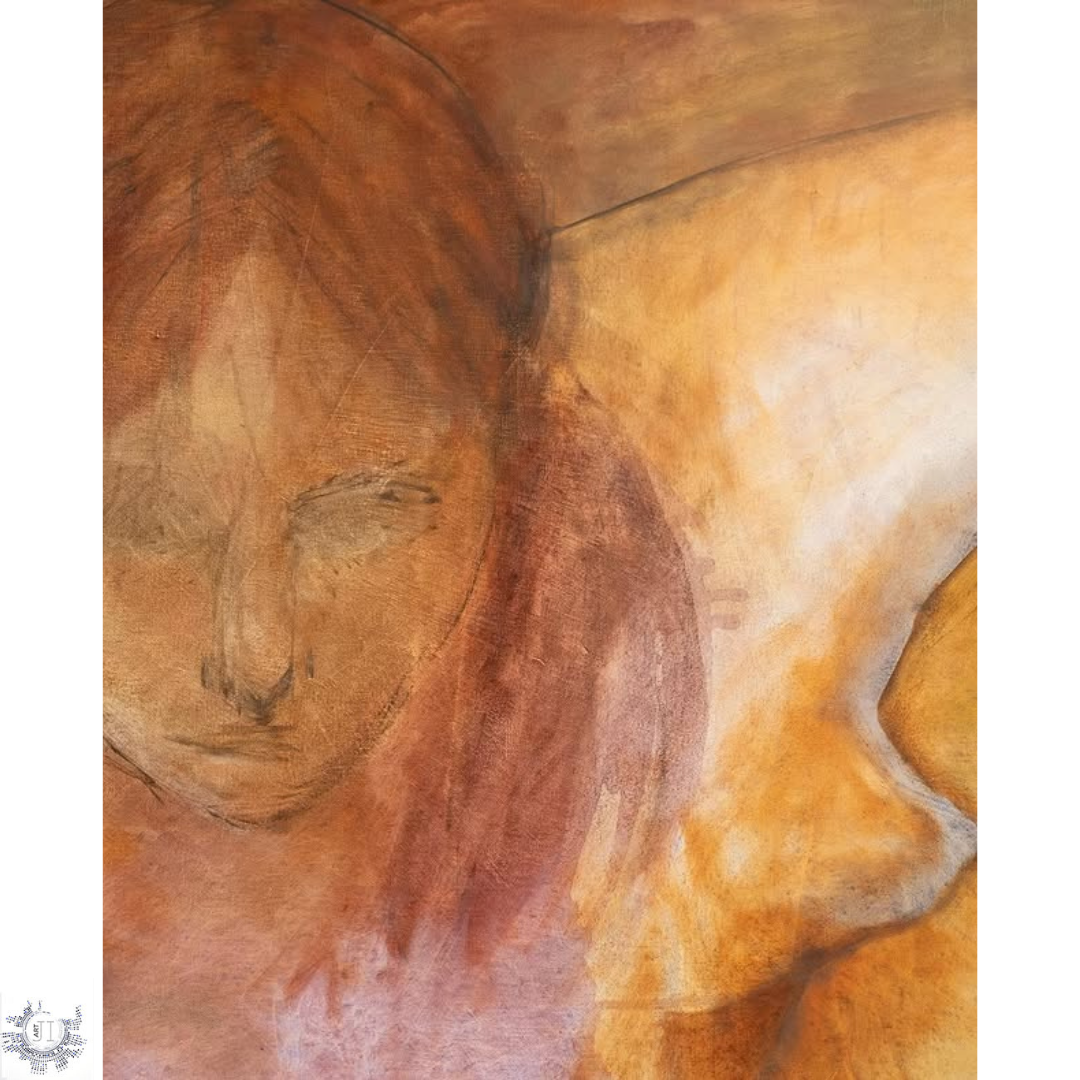
In a way, as heavy as I can feel with some of my figures, or awkward about them, it is freeing for me to represent female bodies that are not being compliant with hegemonic expectations of proportion and beauty.
Julieta Beltrán Lazo
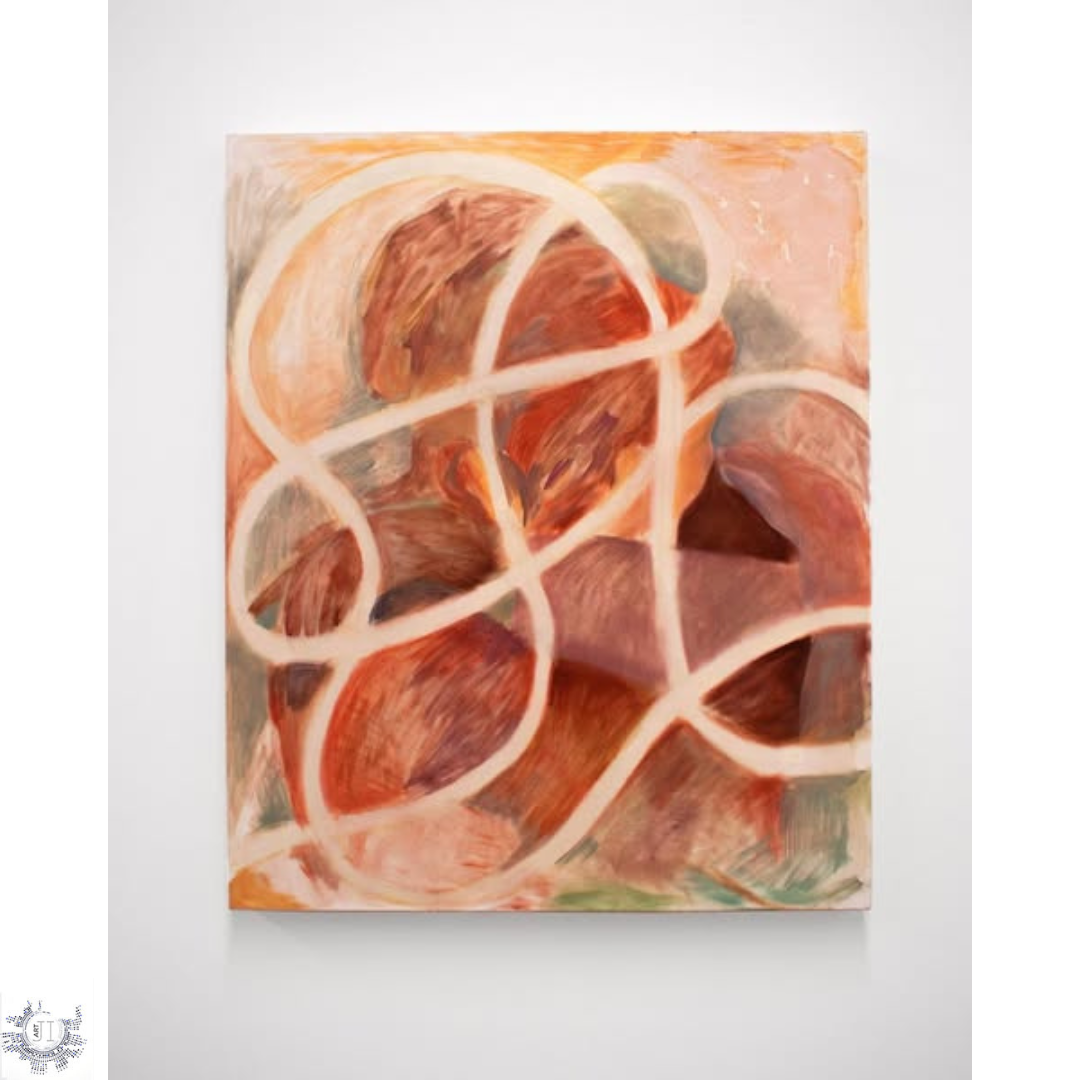
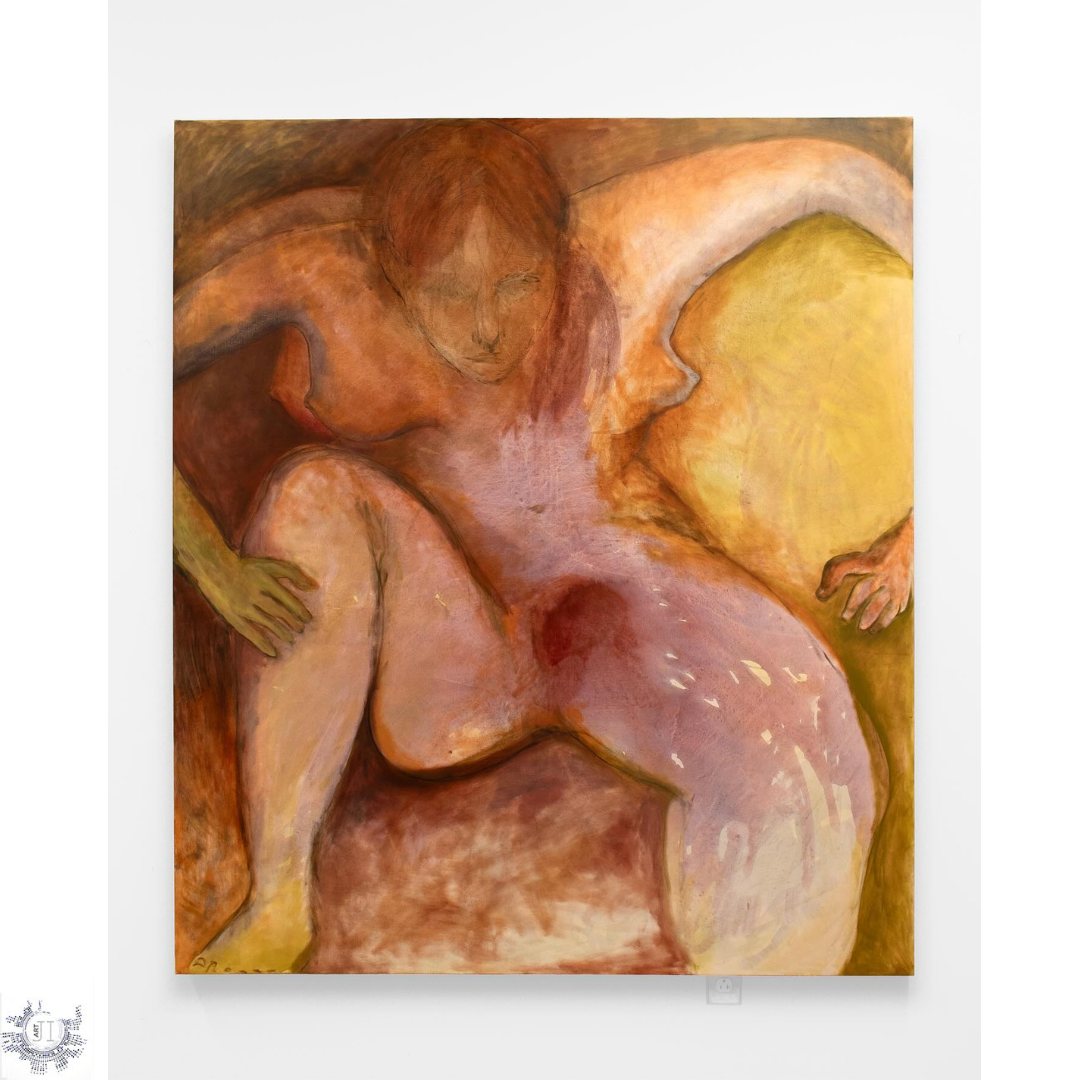
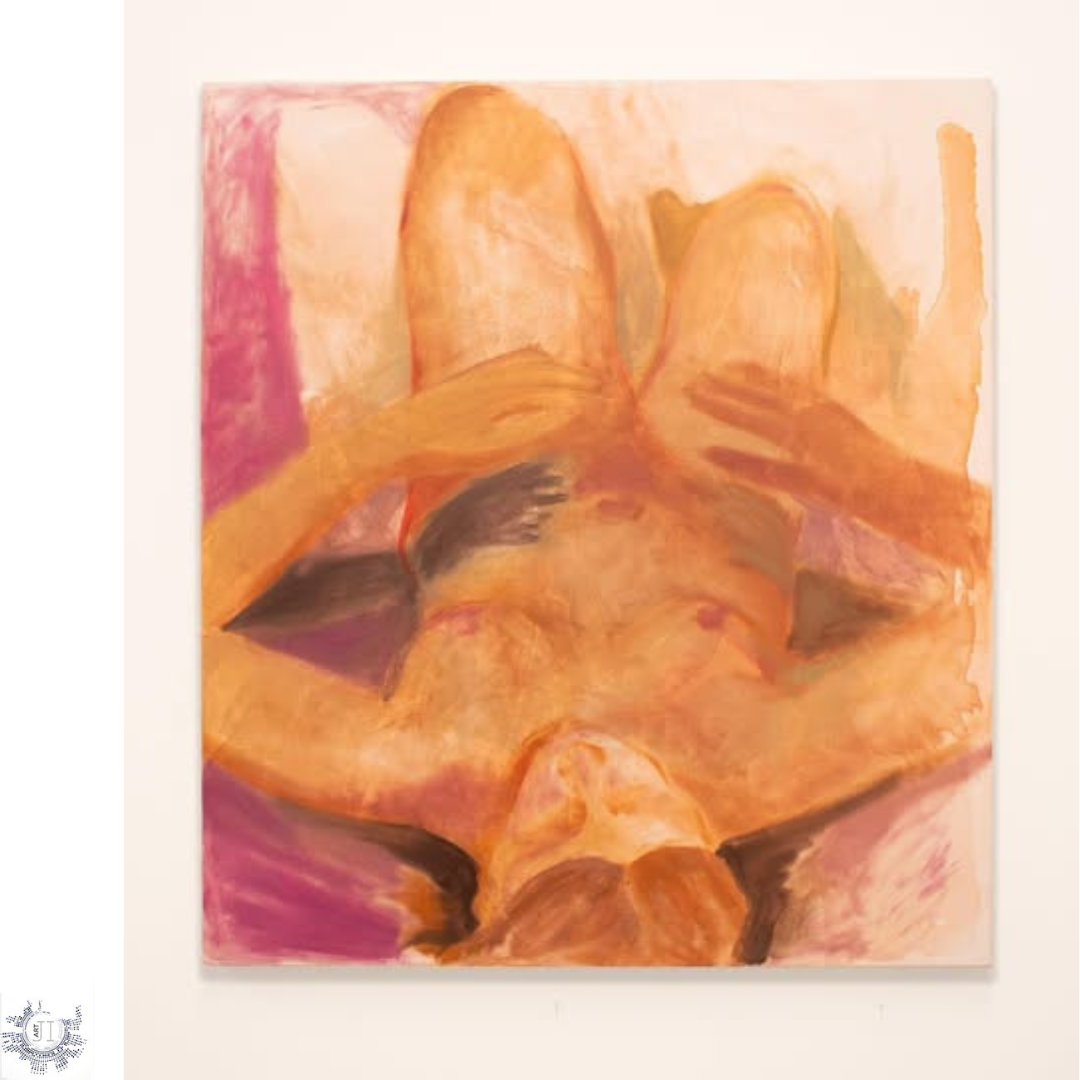
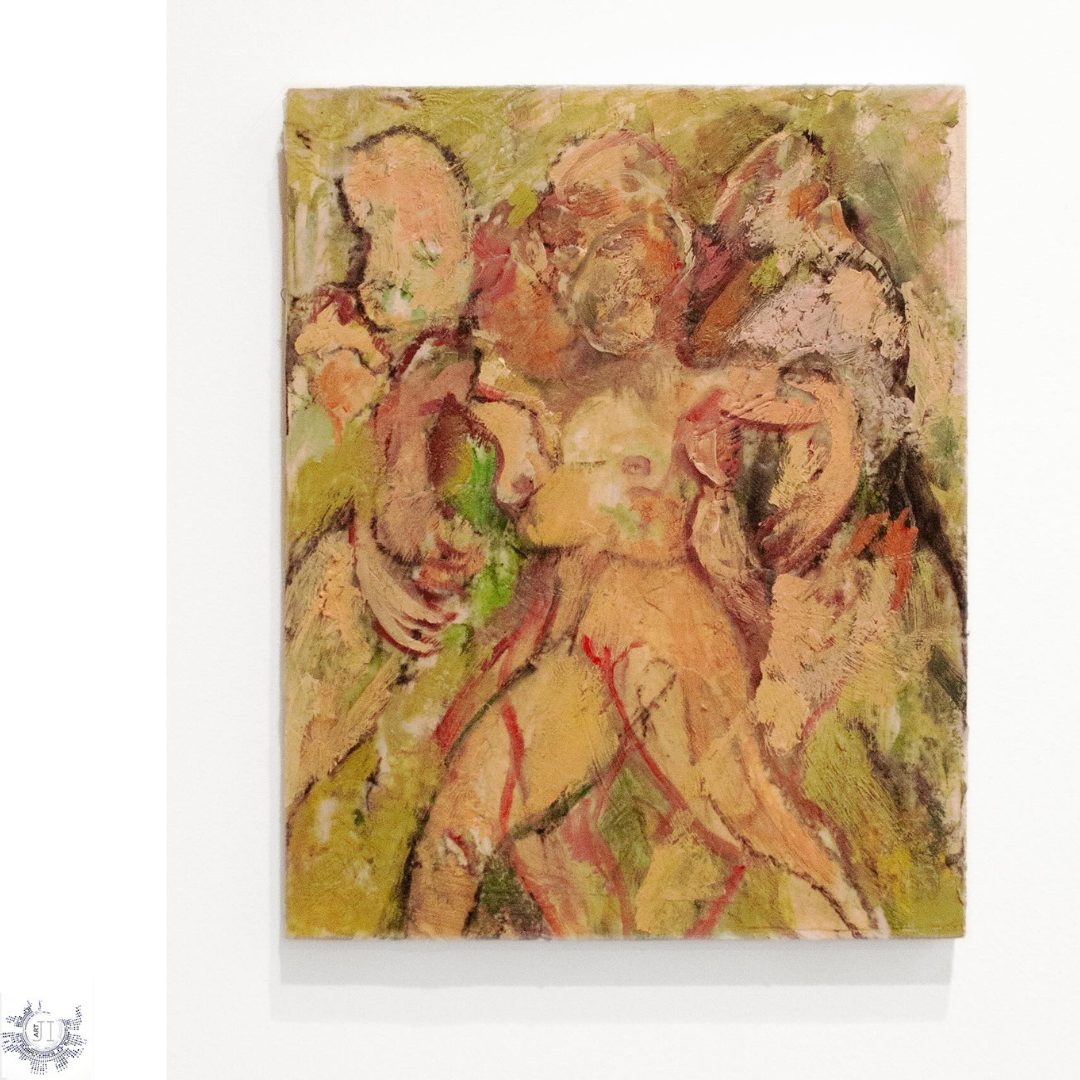
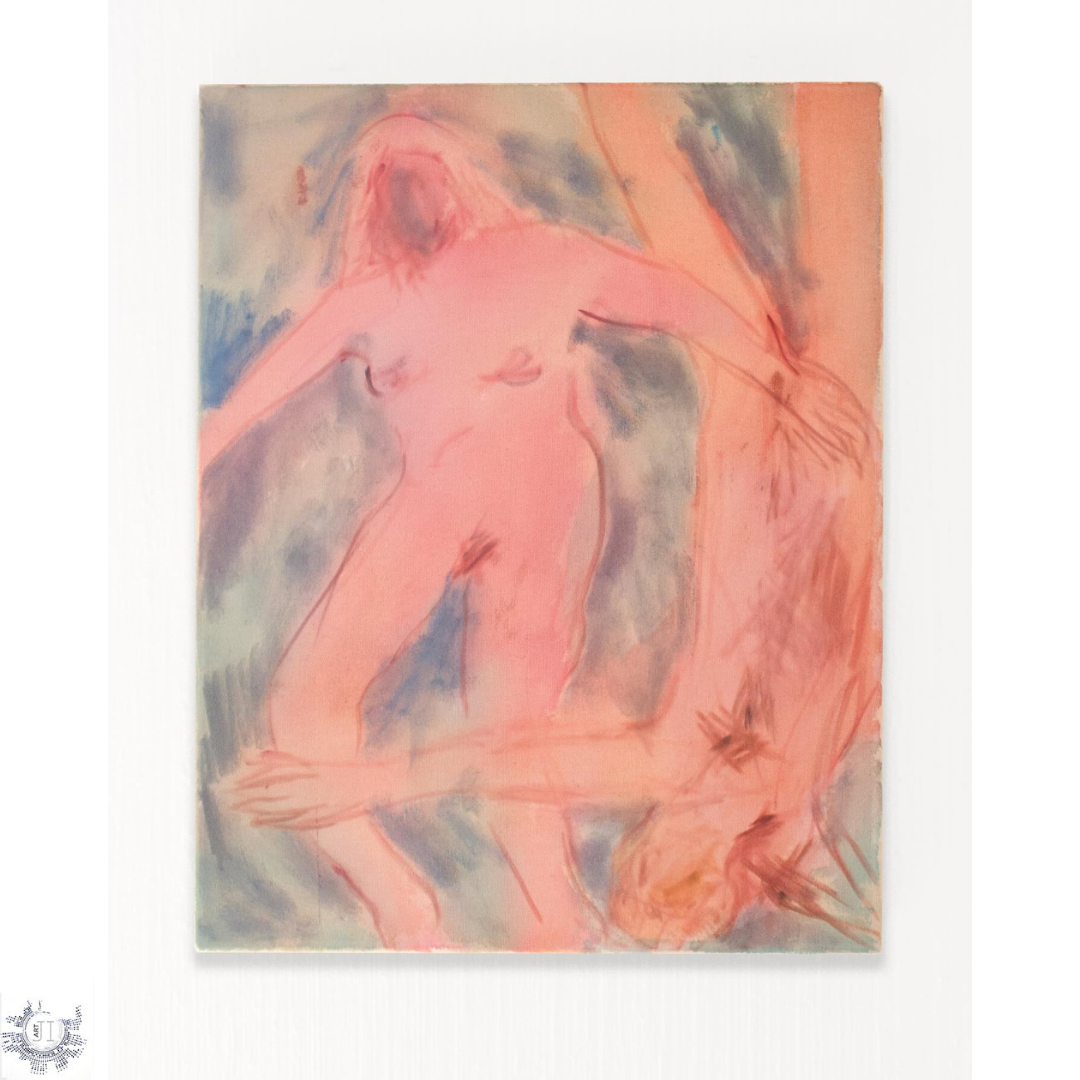
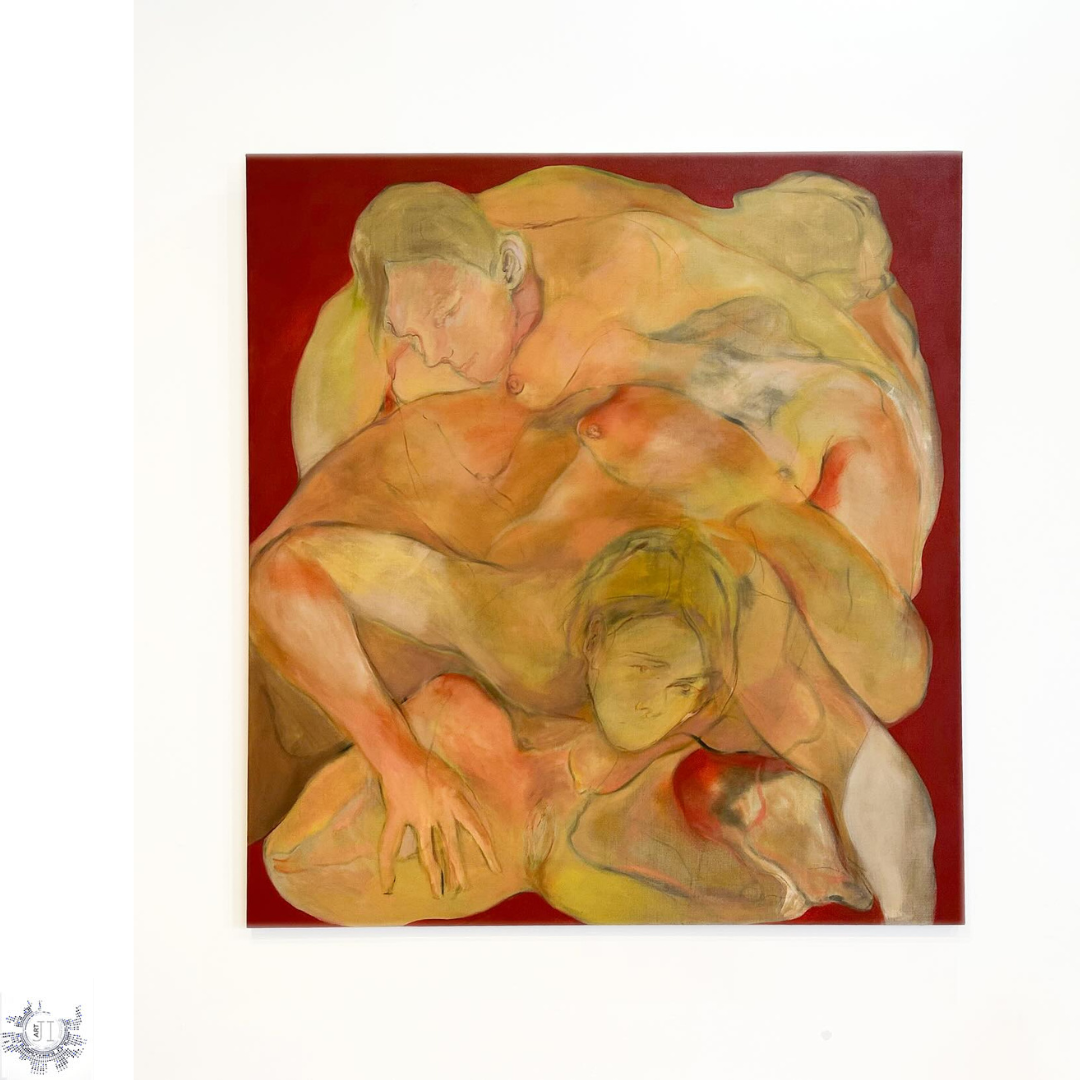
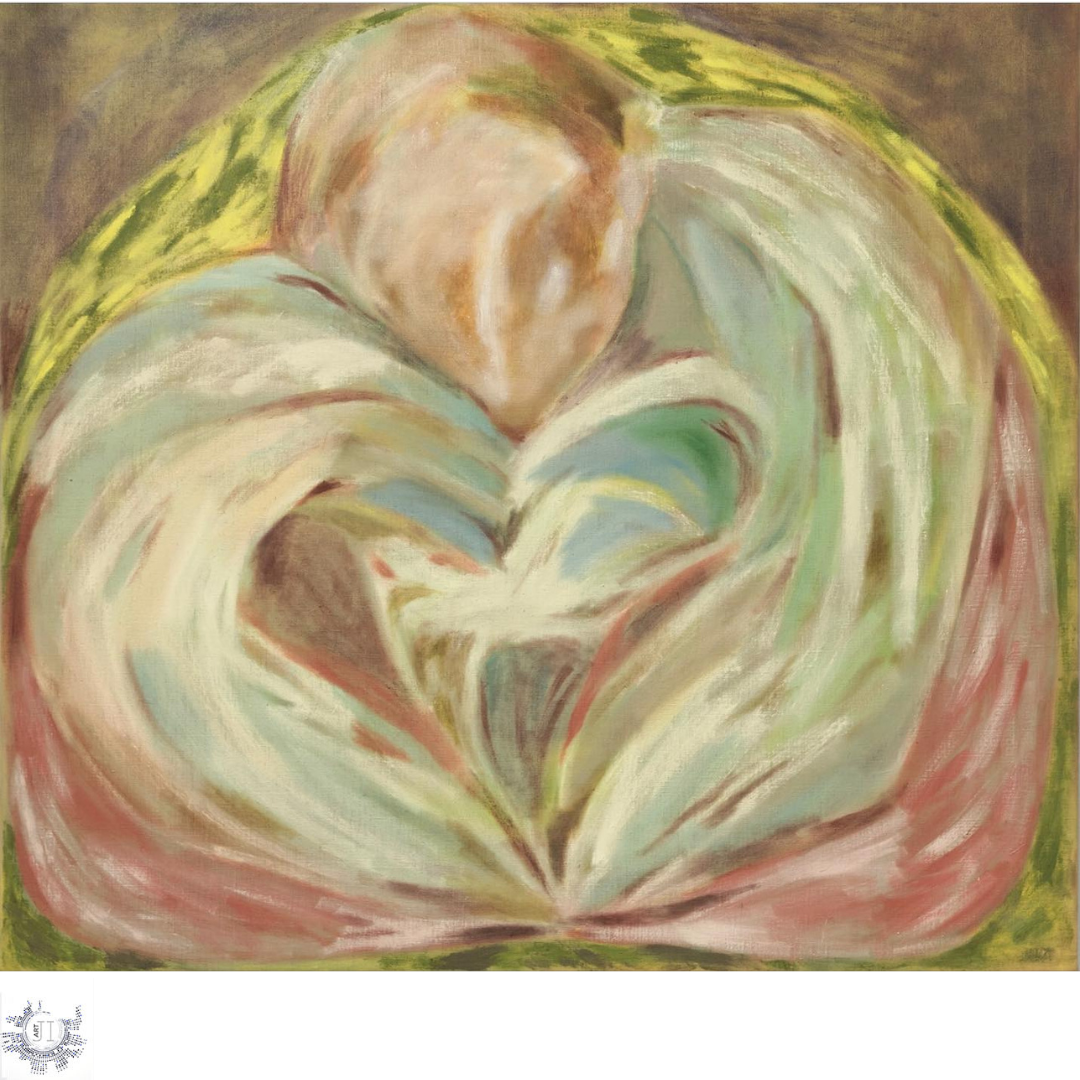
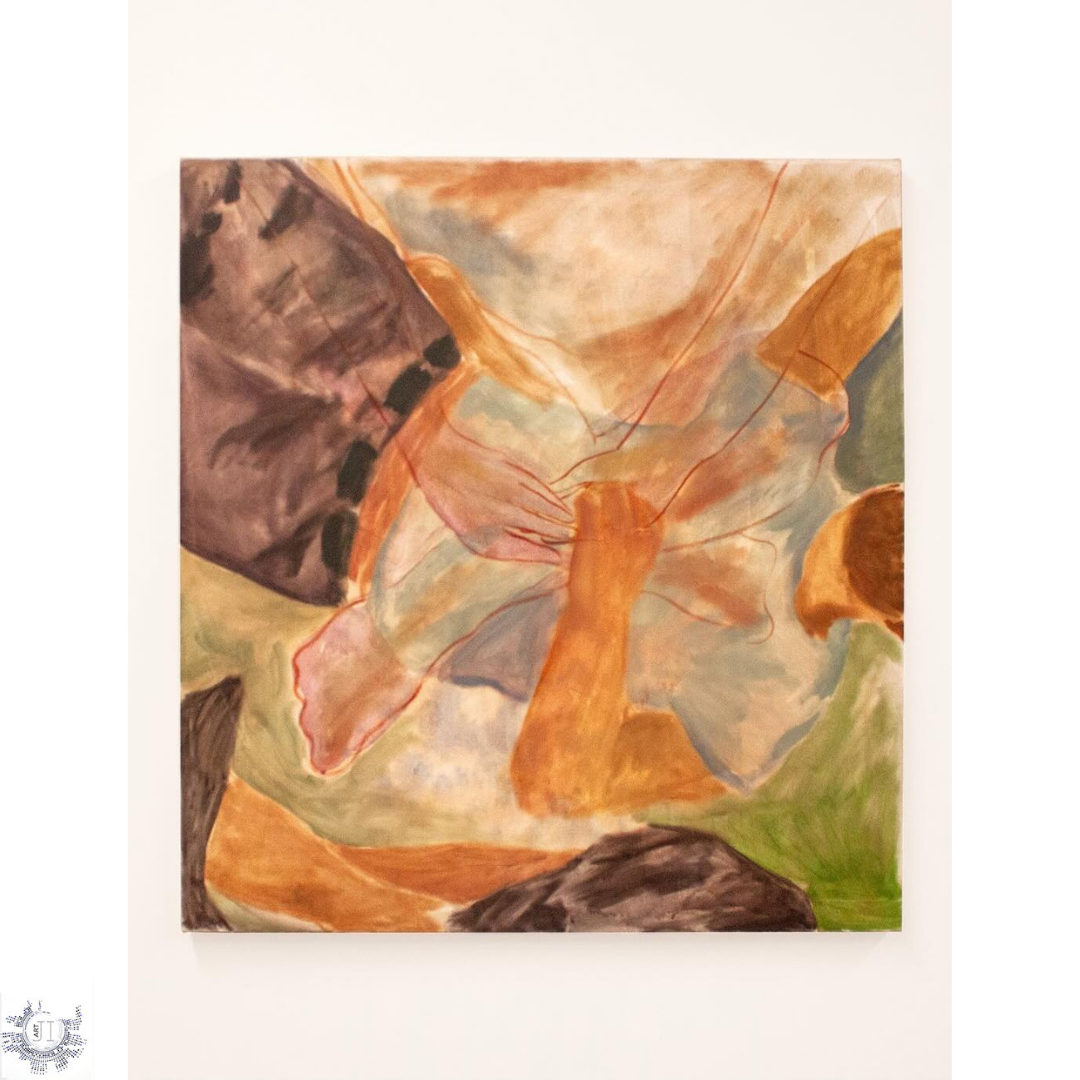
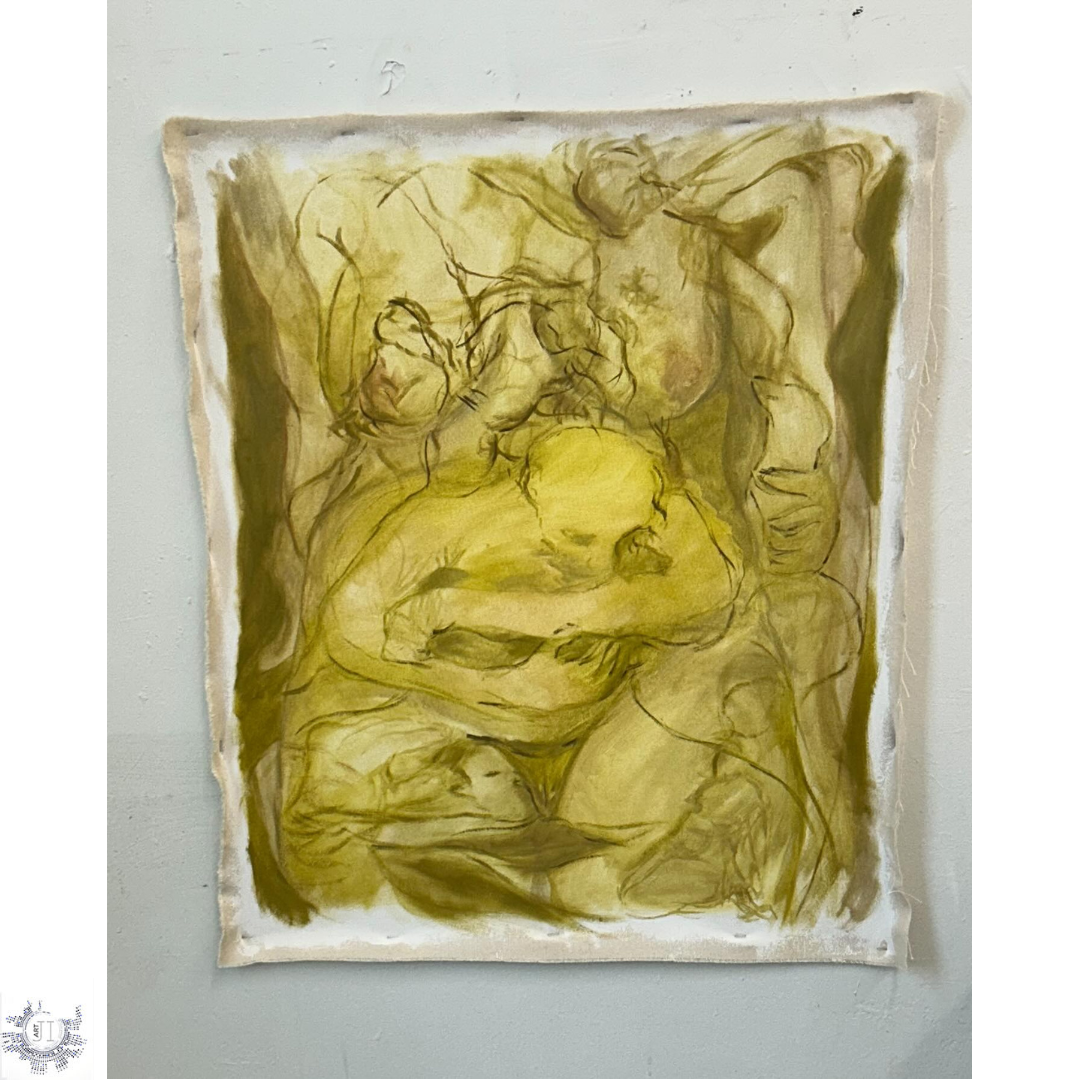
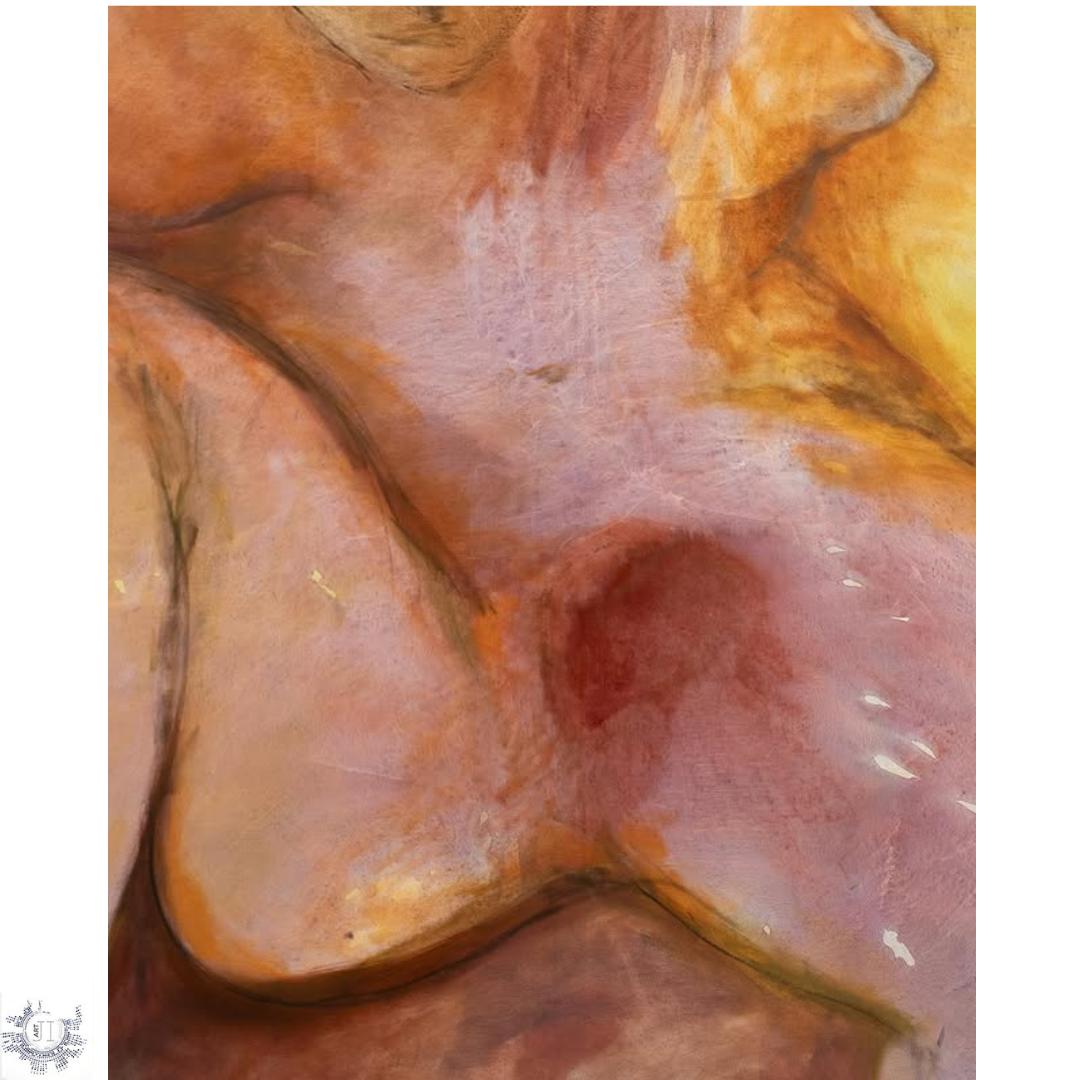
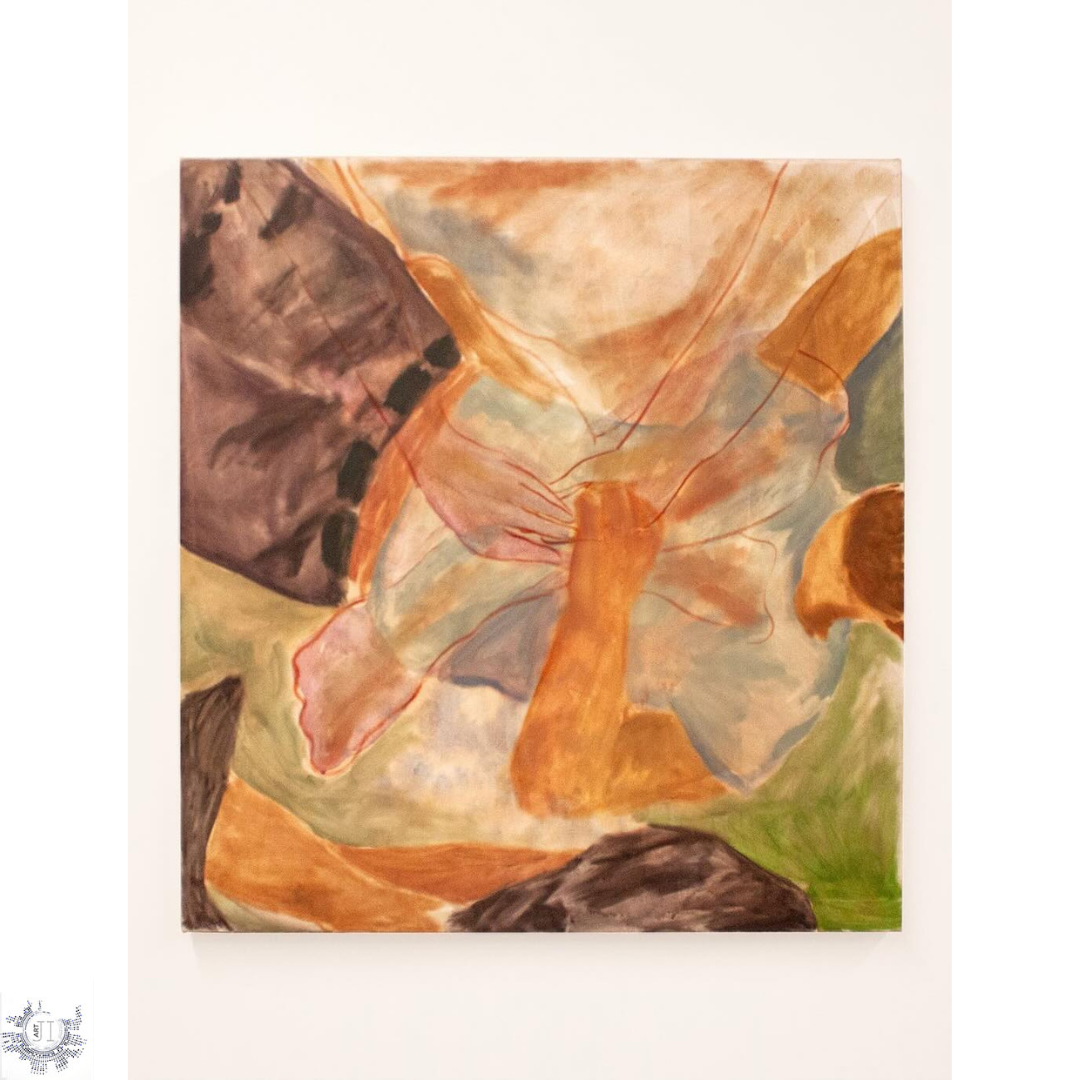
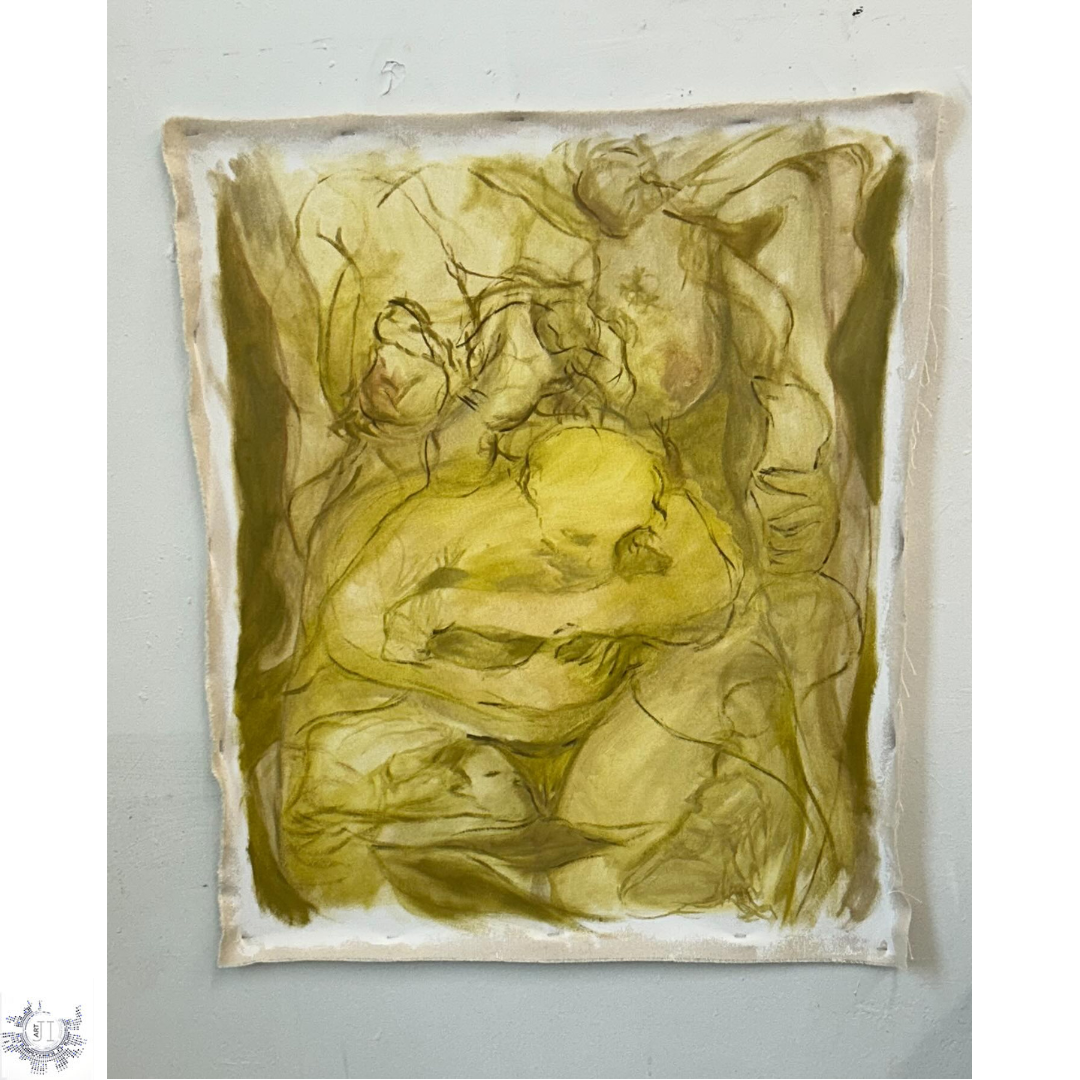
Her paintings gather weight slowly, like a body holding tension without knowing when it started. Paint thickens, figures hunch or coil, surfaces soften and resist, looking feels intimate and slightly off-balance.
Working between Guadalajara and Chicago, Julieta Beltrán Lazo moves through geographies the way her figures move through space: alert, transitional, never fully settled. Her practice is rooted in painting, yet it continually presses against its own limits, reaching into fibers, writing, and performance when the questions she is asking outgrow the frame of the canvas. Materials are not chosen for effect – they come through necessity, through the feeling that an idea needs to be touched, knotted, weighed, or worn.
At the core of Julieta's work is the body: not an idealized body, nor a symbolic one, but a body that remembers pressure, expectation, desire, and restraint. Her figures often appear burdened by their own materiality, layered with what she calls “second skins” that shield and obscure at the same time. These surfaces feel protective, even tender, while quietly refusing the ease of reading.
There is a persistent attention to discomfort, treated less as a problem than as a signal, as a method of staying honest without turning the body into a spectacle. The awkward gestures, compressed proportions, and unresolved poses resist easy consumption. They point toward the social conditioning embedded in how bodies – especially feminized bodies – are seen, and how deviation from that conditioning can feel both risky and liberating.
Julieta's work carries the imprint of growing up in Mexico, where questions of gendered vulnerability are lived before they are theorized. References to Mexican muralism and pre-Columbian figurines surface subtly, filtered through a contemporary awareness of how power operates on bodies through beauty, control, and visibility. Moving between countries has sharpened this awareness, making identity feel unstable, revisable, and open to friction.
This interview traces how Julieta's work comes into being through intuition, physical negotiation, and sustained self-questioning, through the means of metabolizing discomfort, trusting trial and error, and allowing the figures to push back against her in the studio.
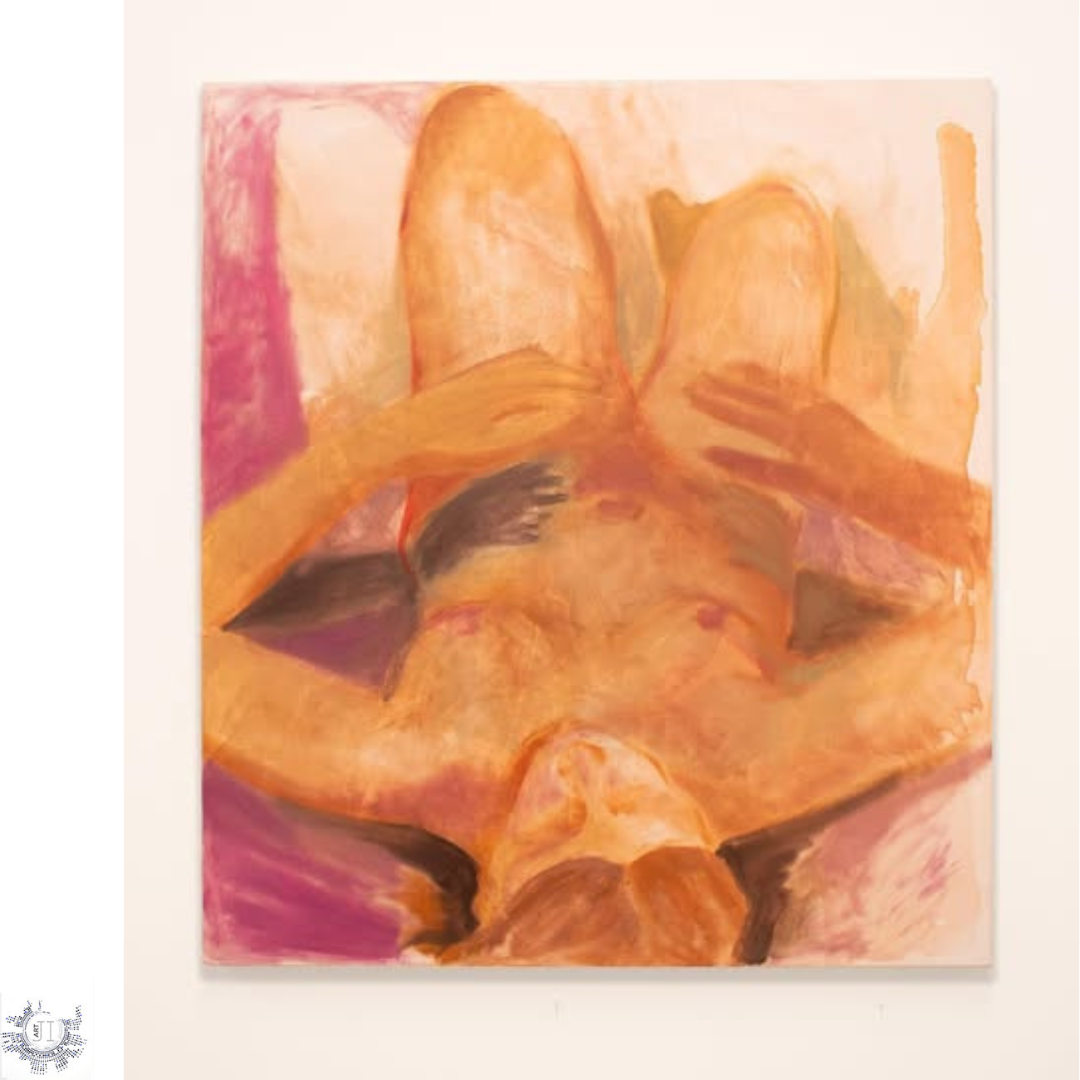
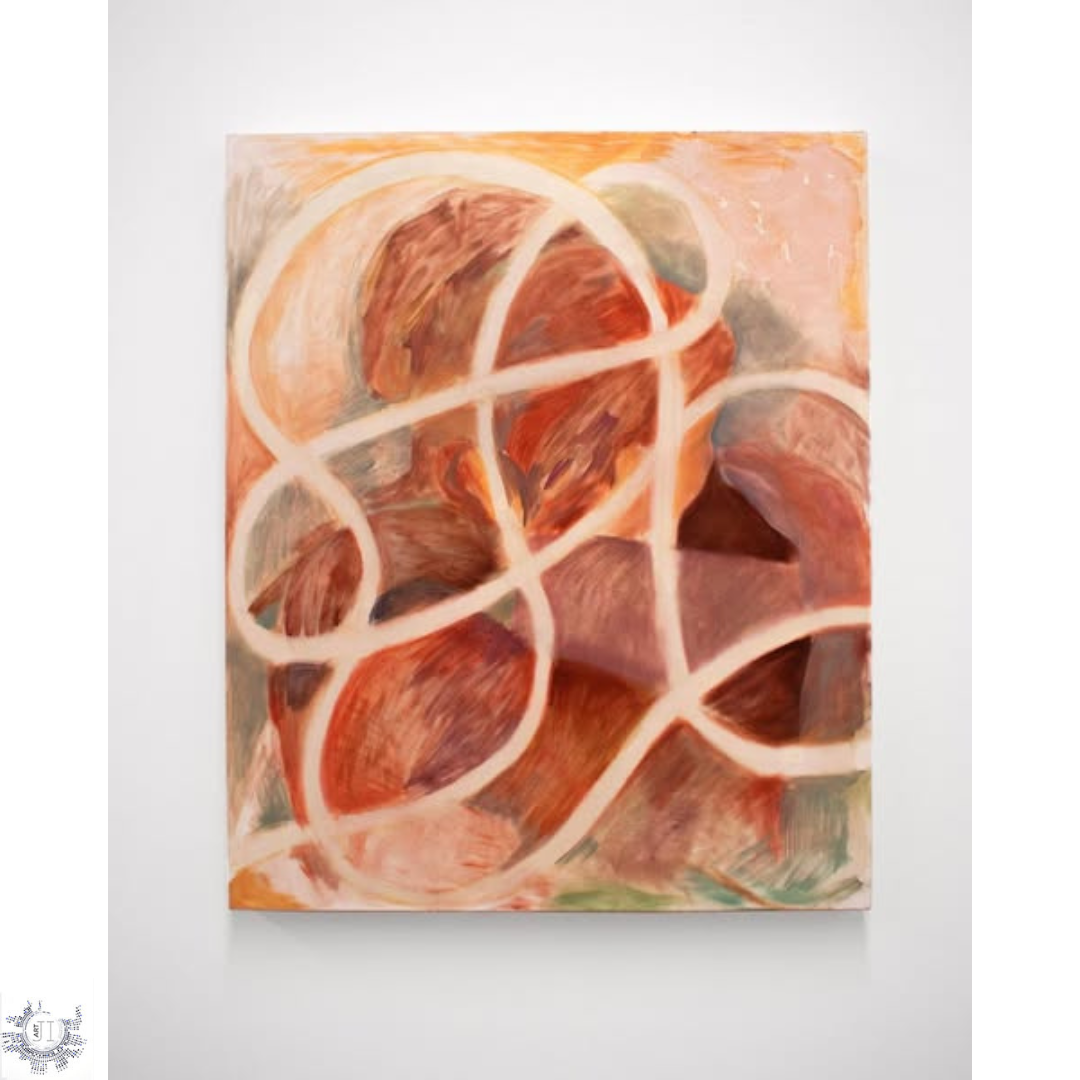
Two years ago, I was investigating the symbol of the knot, as a way to understand the tensions that are stored in the body, or the different connections or attachments we might have to other people.
Julieta Beltrán Lazo
The JI: You work across painting, performance, fibers, and writing. When you start a new piece, how do you decide which material or medium will best express a specific idea or gesture?
Julieta Beltrán Lazo: My work almost always begins with painting and drawing, these two mediums feel the most intuitive and comfortable to me. Textiles and performance, I am just beginning to incorporate into my work, and I arrived at them from a place of want/or a need to work with something more physical.
Two years ago, at the beginning of my MFA, I was investigating the symbol of the knot, as a way to understand the tensions that are stored in the body, or the different connections or attachments we might have to other people. After some time of just researching these ideas through painting, the work felt insufficient; I was thinking about the body but limiting my exploration to the span of my arm moving across a canvas.
This led me to explore working with wool and performance, to physically construct the knot that I was thinking of, and put my body under that physical pressure. This opened up things for me and I began to learn to weave to have another medium to churn my ideas over.
So while I still work primarily with painting, I try to stay attuned to what the work is calling for, or what the question that I am working through needs in order to expand and keep opening up.
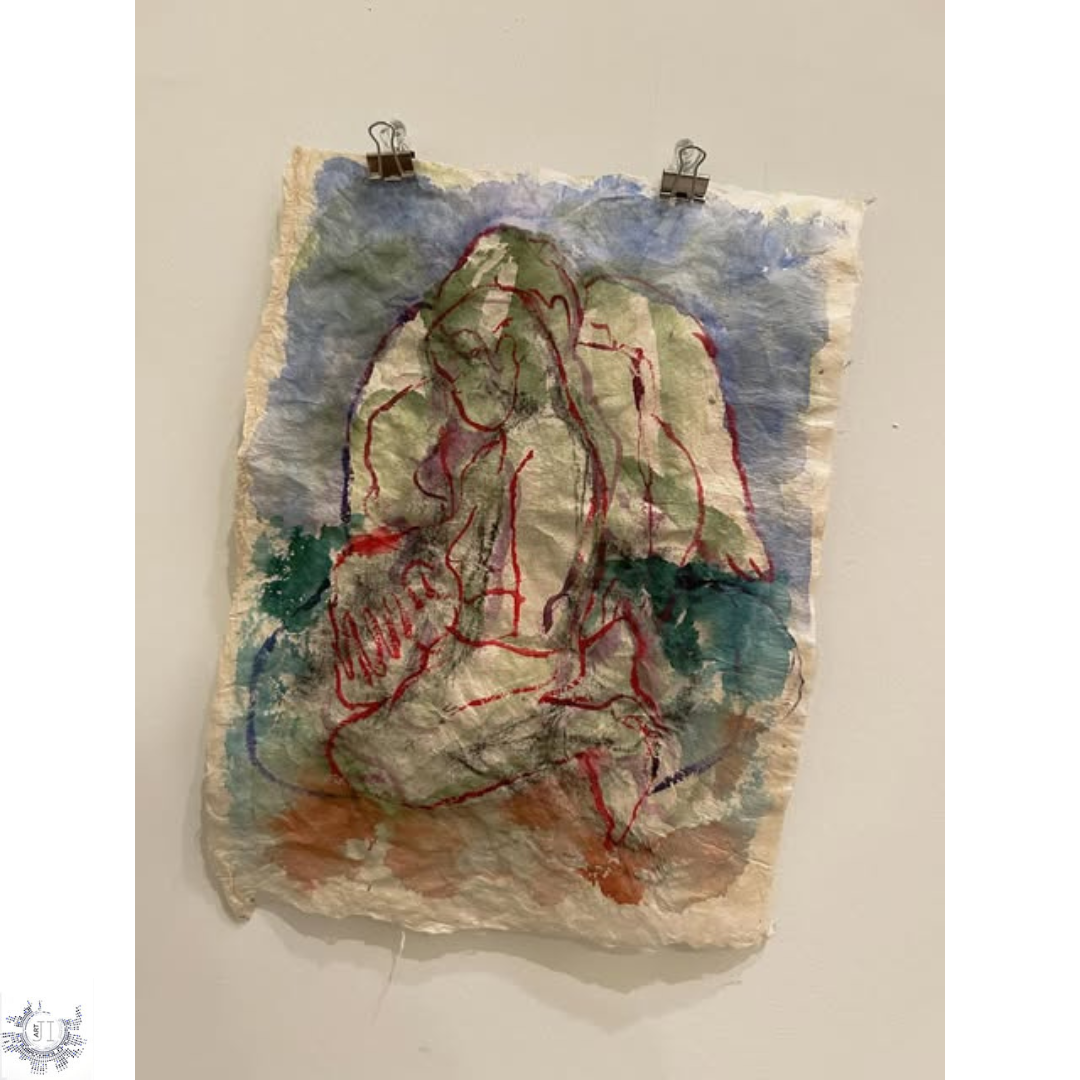
In a way, I feel like I have to metabolize that discomfort to move or transform, so I see those “negative” feelings as ultimately good or at least necessary for my growth and my work’s growth.
Julieta Beltrán Lazo
The JI: Improvisation and the body guide much of your process. Can you describe a moment when following the body led you to an unexpected or even uncomfortable outcome in a piece?
Julieta: Having the body, its somatics and how it is socially constructed as the main ideas I explore in my work, has led me to be really honest about my relationship with my own body. To recognize what my wants are, both the ones I express and the suppressed ones; where I feel some sort of heaviness or pain, how I see myself or want to be seen, and so on.
But in order to be actually honest, I have to cultivate a kind of presence in the studio that allows me to recognize these different states. So sometimes I might have to confront that I am feeling some kind of pressure, and so when I get to painting I begin searching for the figure that can convey that feeling, through its posture, its proximity to the edges of the canvas, or the color choices.
Often, recognizing those feelings is a way of giving them a reality, by turning them into visual images that populate my studio, and it is uncomfortable, because it reveals something about myself that I might not always like. But there is also a feeling of urgency, and thus a release after making these figures that makes the discomfort worth it.
In a way, I feel like I have to metabolize that discomfort to move or transform, so I see those “negative” feelings as ultimately good or at least necessary for my growth and my work’s growth.
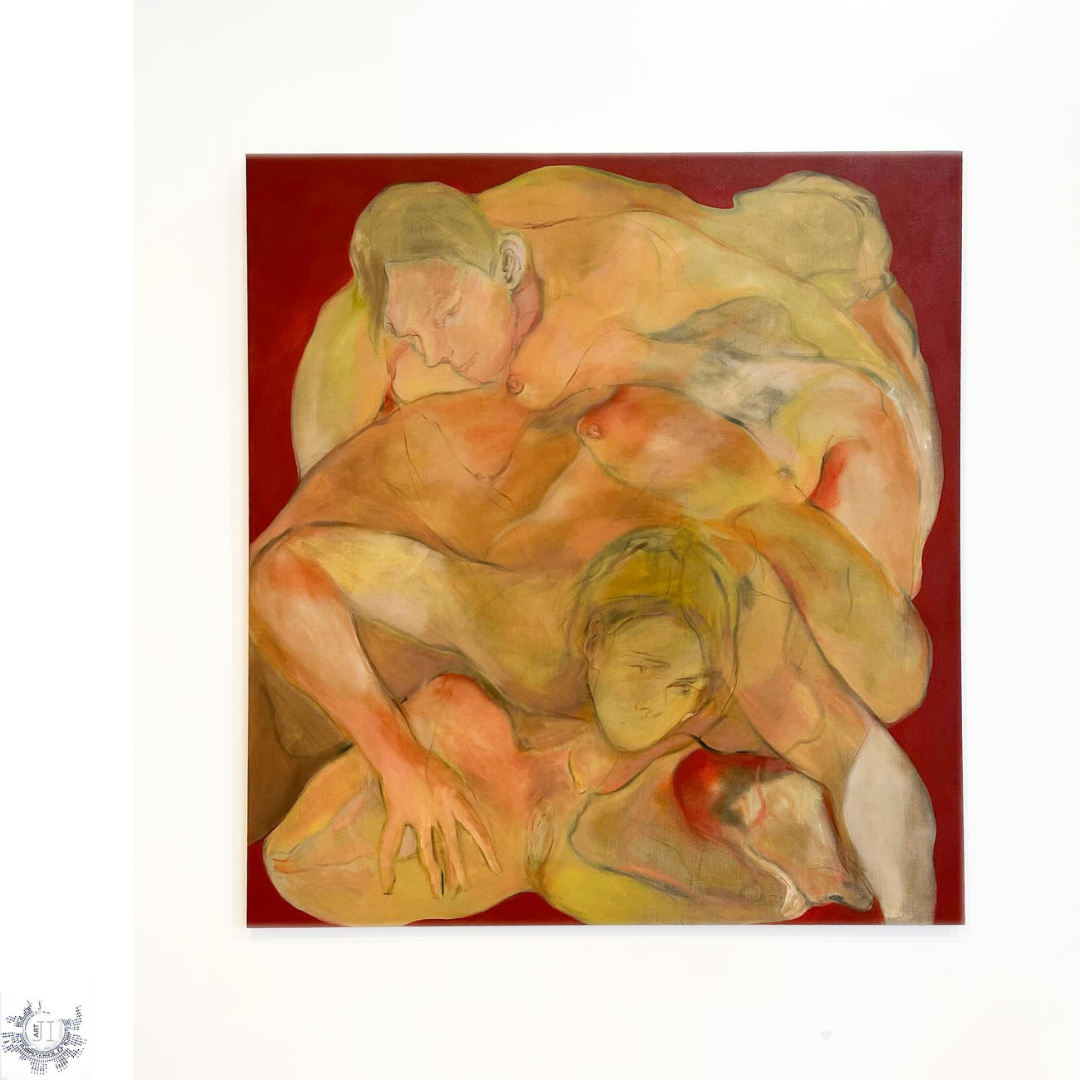
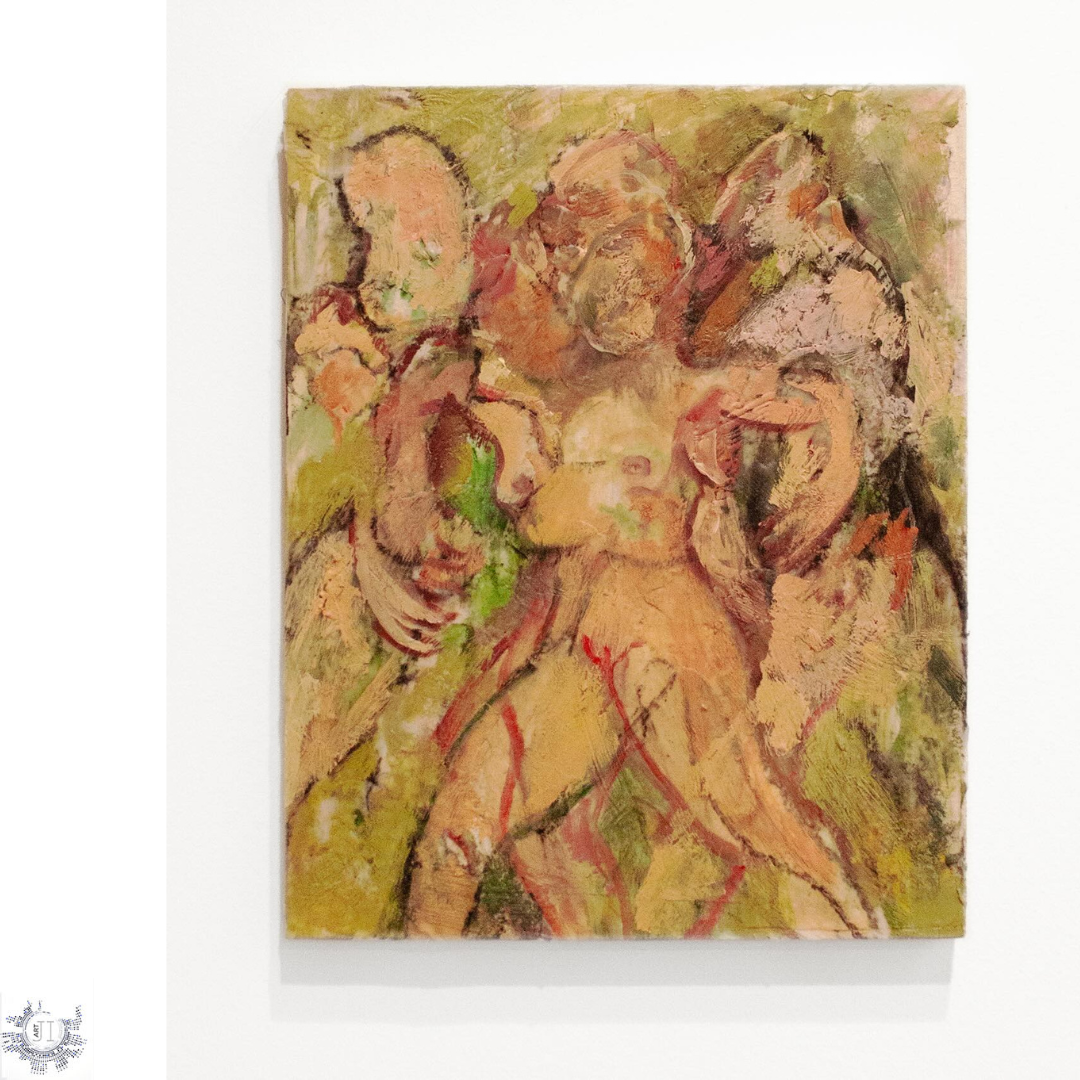
It’s like playing with the levels of vulnerability that I am comfortable with.
Julieta Beltrán Lazo
The JI: You describe creating “second skins” that both protect and efface the figure. In practical terms, how do you build these layers in the studio, and how do you know when the effect feels right for a figure?
Julieta: I build them through layers, from pouring diluted inks and acrylic paint, moving to layers of oil and wax. The stain precedes the line, as the mass would precede the figure. I am not sure how to describe what my rationale is, but I think each piece feels like a search, so I keep adding and subtracting until the work feels right. Kind of like a gut feeling.
I am looking for the right amount of description and ambiguity, for the right tension between the different materials at play or the different figures in the composition.
And that idea of protection and effacing, ultimately has to do with this process of trying to be honest to myself without overdoing it. It’s like playing with the levels of vulnerability that I am comfortable with.
I ask myself, what's at stake when I create these kinds of bodies? What am I giving visibility to?
Julieta Beltrán Lazo
The JI: Some of your figures appear almost collapsed or weighed down by paint and materials. While making these works, do you ever experience your own vulnerability or emotional response through the figure?
Julieta: I do! There are moments where I try to negotiate with my figures, sort of seeing them as agents within the studio. Letting them expand beyond the frame, or coil to protect themselves.
But ultimately I ask myself, what's at stake when I create these kinds of bodies? What am I giving visibility to? In a way, as heavy as I can feel with some of my figures, or awkward about them, it is freeing for me to represent female bodies that are not being compliant with hegemonic expectations of proportion and beauty. I like the potential for discomfort and vulnerability that they have.
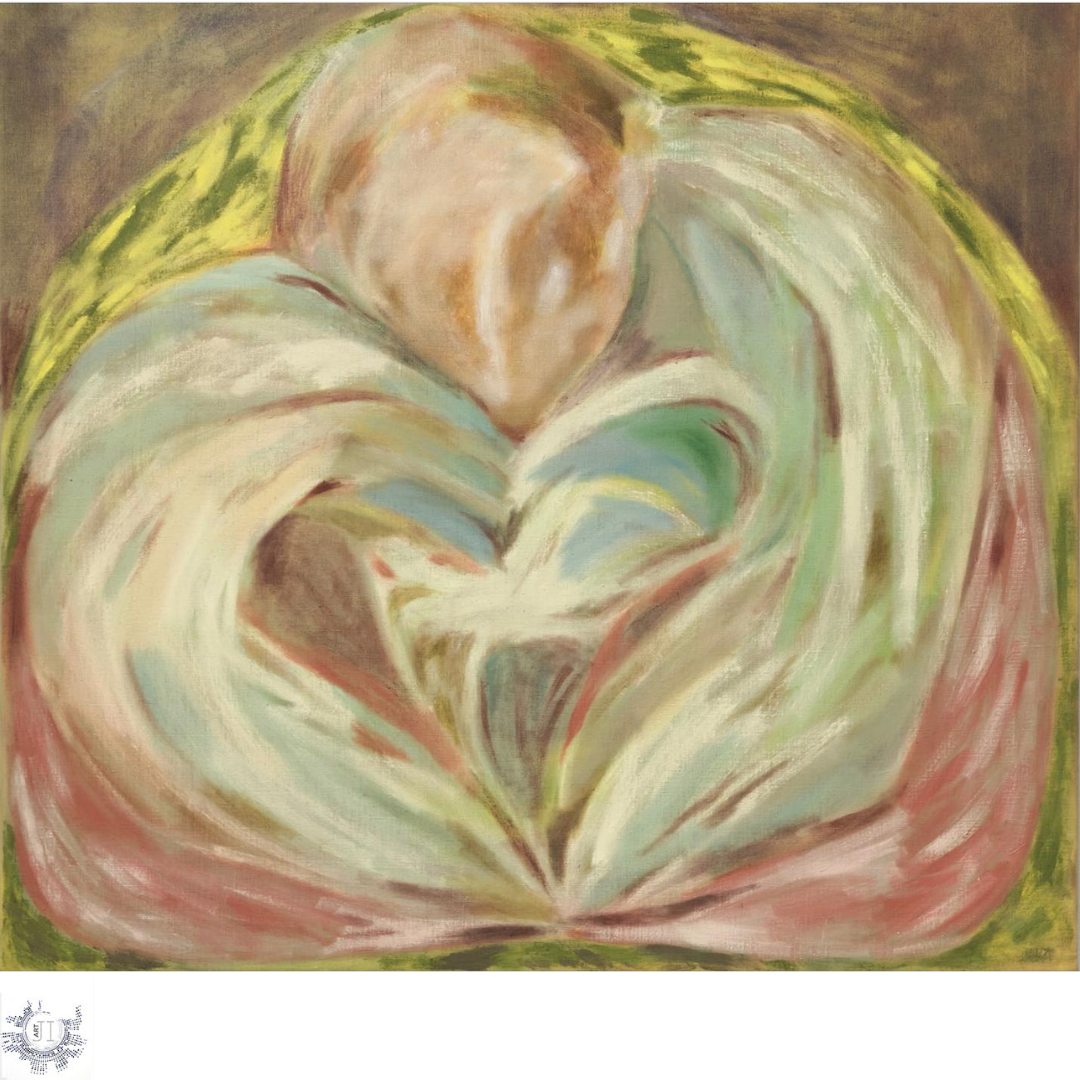
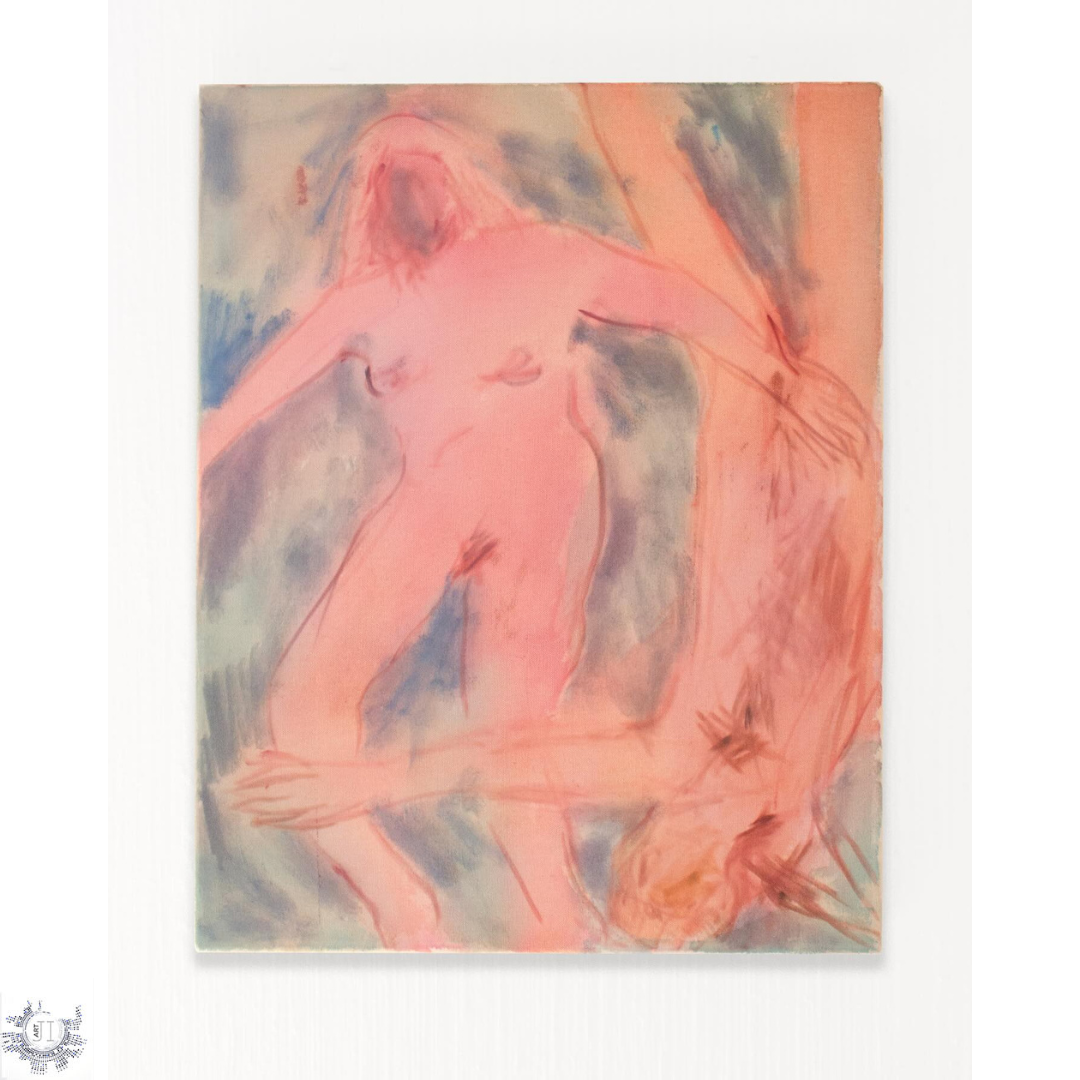
Ambiguity is often what feels closer to what I am trying to express.
Julieta Beltrán Lazo
The JI: Memory is central to your work. When you draw on personal or collective memories, how do you decide which moments or details to highlight, and which to leave vague or unresolved?
Julieta: I think that the process of creating layers of skin, or facets of the figure, responds to this aspect of memory in my work. I try not to be overly explicit, or direct. Partly out of a sense of protection, but also because often, my feelings towards the work, or the concepts that I am working with, are not yet fully clarified or evident to me. So making it is a way of clarifying them.
More often than not, I am trying to leave room for others to project their own memories into the work. I find that ambiguity is often what feels closer to what I am trying to express.
It was very clear to me that any body could be used against itself (both male and female), but the violence enacted through this weaponization of the body changed drastically depending on the gender.
Julieta Beltrán Lazo
The JI: Your work often revisits historical or cultural narratives. Can you give an example of a story, image, or event from Mexican history that made you rethink how to approach it visually or materially?
Julieta: There are two parts to it. On the one hand, growing up in Mexico informed some of my aesthetic decisions, like my color palette, my appreciation for sturdy or chunky bodies, referencing some of the Mexican Muralism, or the early pre-Columbian figurines.
Оn the other hand, and perhaps more importantly, how cultural narratives come into my work has to do with what it meant for me to grow up as a woman in Mexico, and the kind of relationship that I created to my body and to womanhood.
In a country where violence against women is exacerbated, very early on I developed a kind of awareness of the vulnerability of a body that is feminized. It was very clear to me that any body could be used against itself (both male and female), but the violence enacted through this weaponization of the body changed drastically depending on the gender.
I learnt, with criticality, thanks to growing up with many feminist women in my life, to recognize the different ways in which control was enforced over the body, be it through the logic of beauty, and desirability; through restrictive policies that inhibit reproductive rights, and access to health care; or simply by the ways in which I could or could not move around the city due to safety issues.
Regardless of how many years I have spent outside of Mexico, I cannot fully shake this framework. That is the context that my work responds to or is in dialogue with. My practice is my way of negotiating with my upbringing; it stems from a desire to crack such a heavy cultural gender imposition.
Having moved many times, allowed me to understand how unstable identity can be.
Julieta Beltrán Lazo
The JI: Working between Guadalajara and Chicago, do the physical environments, cultural contexts, or daily rhythms of each city influence how you construct, layer, or gesture the figures in your work?
Julieta: Yes, like I say in the response above, my work and the framework that I use for it, is a result of this kind of back and forth, of my upbringing in Mexico and my coming into adulthood in both countries. Having moved many times, allowed me to understand how unstable identity can be. This allows me to explore my work with that openness to malleability.
It's all very much a trial and error process, and I have approached it with curiosity and rigor, to become more attuned to nuance, and to accept the discomfort of having two things be true at the same time.
Julieta Beltrán Lazo
The JI: Desire and discomfort appear together in many of your pieces. How do you determine the point at which a figure expresses tension, pleasure, or abjection without becoming literal or overly explicit?
Julieta: It's all very much a trial and error process, and I have approached it with curiosity and rigor, to become more attuned to nuance, and to accept the discomfort of having two things be true at the same time.
What this looks like is a lot of naming and recognizing of my boundaries, exploring my own taste and asking myself why: why am I unformatable with depicting certain things, why don't I like some colors or textures? What is enough for me? What is too little?
Reading, and consuming the work of different artists and media creators has been the most informative, as this helps me name those preferences and dislikes with a bit more distance.
For me it is a bit of a rebellion against the domestication of female bodies.
Julieta Beltrán Lazo
The JI: Some of your works include bodily gestures that feel intimate, private, or socially awkward. When making these pieces, do you ever think about how a viewer might respond – or is discomfort for the viewer part of the intention?
Julieta: Imposing discomfort on the viewer is not my initial intention, although I recognize that it might be the outcome with some of my work. I gravitate towards bodily gestures or poses that are awkward, precisely because that awkwardness is what interests me. If it causes discomfort, I am interested in: why? Why is it uncomfortable to see women’s bodies depicted like that? What does it move, first in me, and secondly (hopefully) in the audience, to see these bodies?
For me it is a bit of a rebellion against the domestication of female bodies. And I hope that with all the different tensions that I am trying to navigate, there is a moment of pause for the viewers, to question how the different components that are at play operate: How the painting gesture might be seductive, but the pose of the body not so much, and what is the outcome of these two things coexisting.