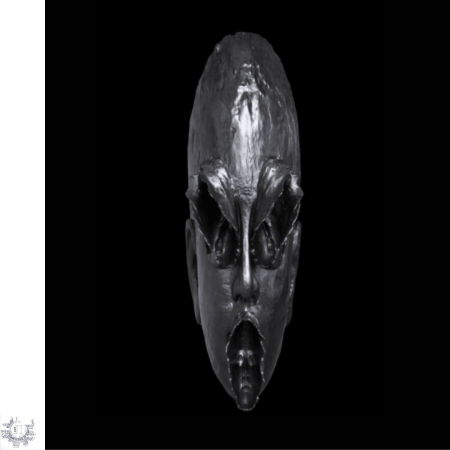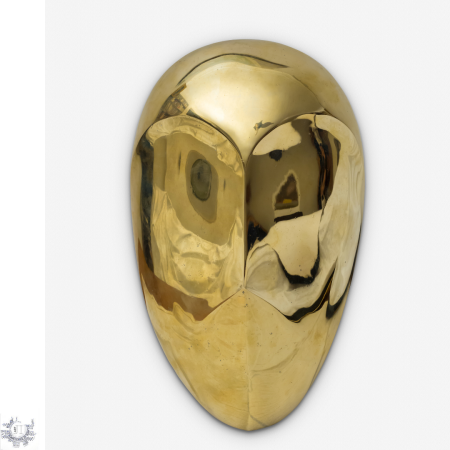

LIZA PORTNOVA: ABOUT BEAUTY, ART, PAIN, AND CERAMICS
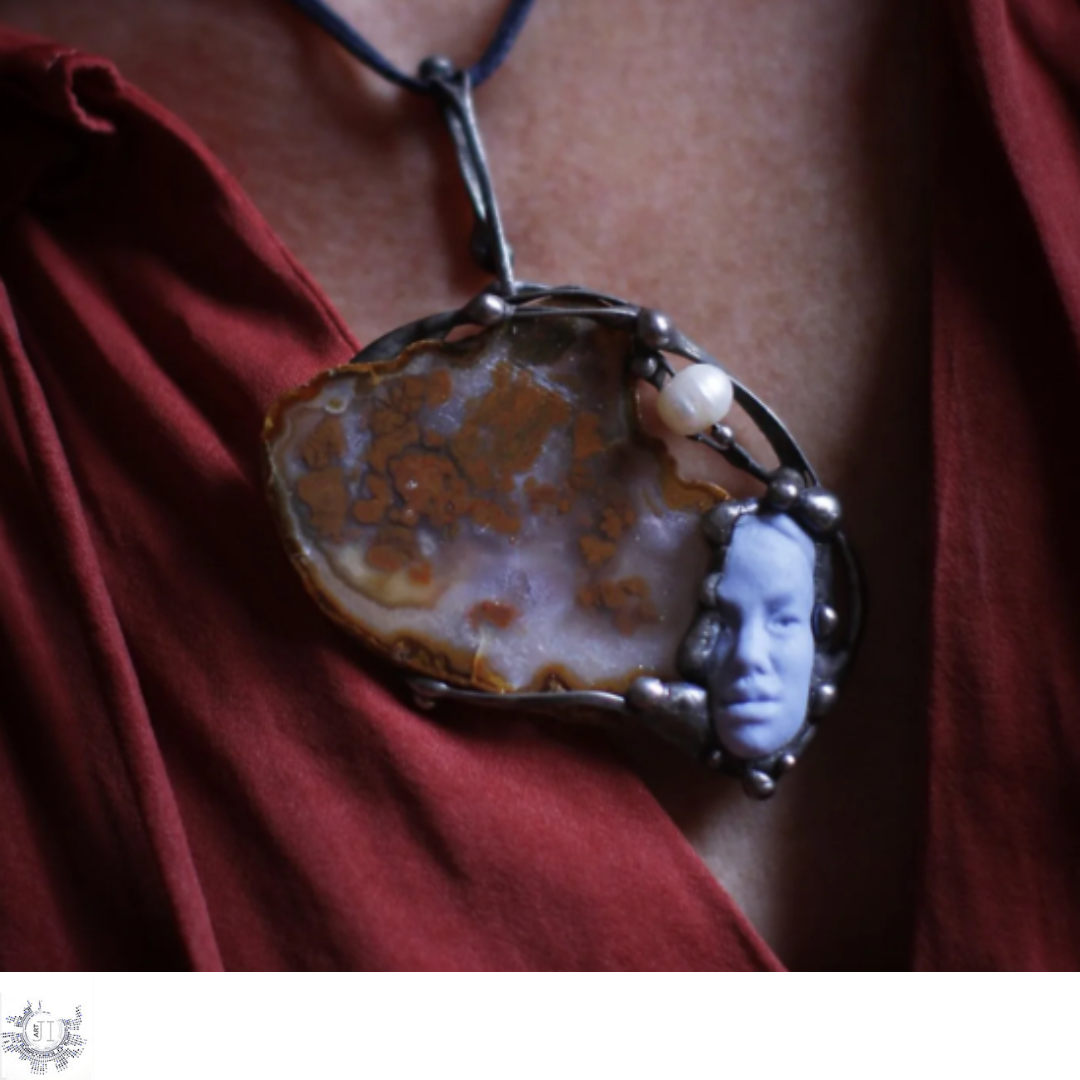
I also think of jewelry as a small sculpture – an art object that can always be close to a person and transform itself through close interaction.
Liza Portnova
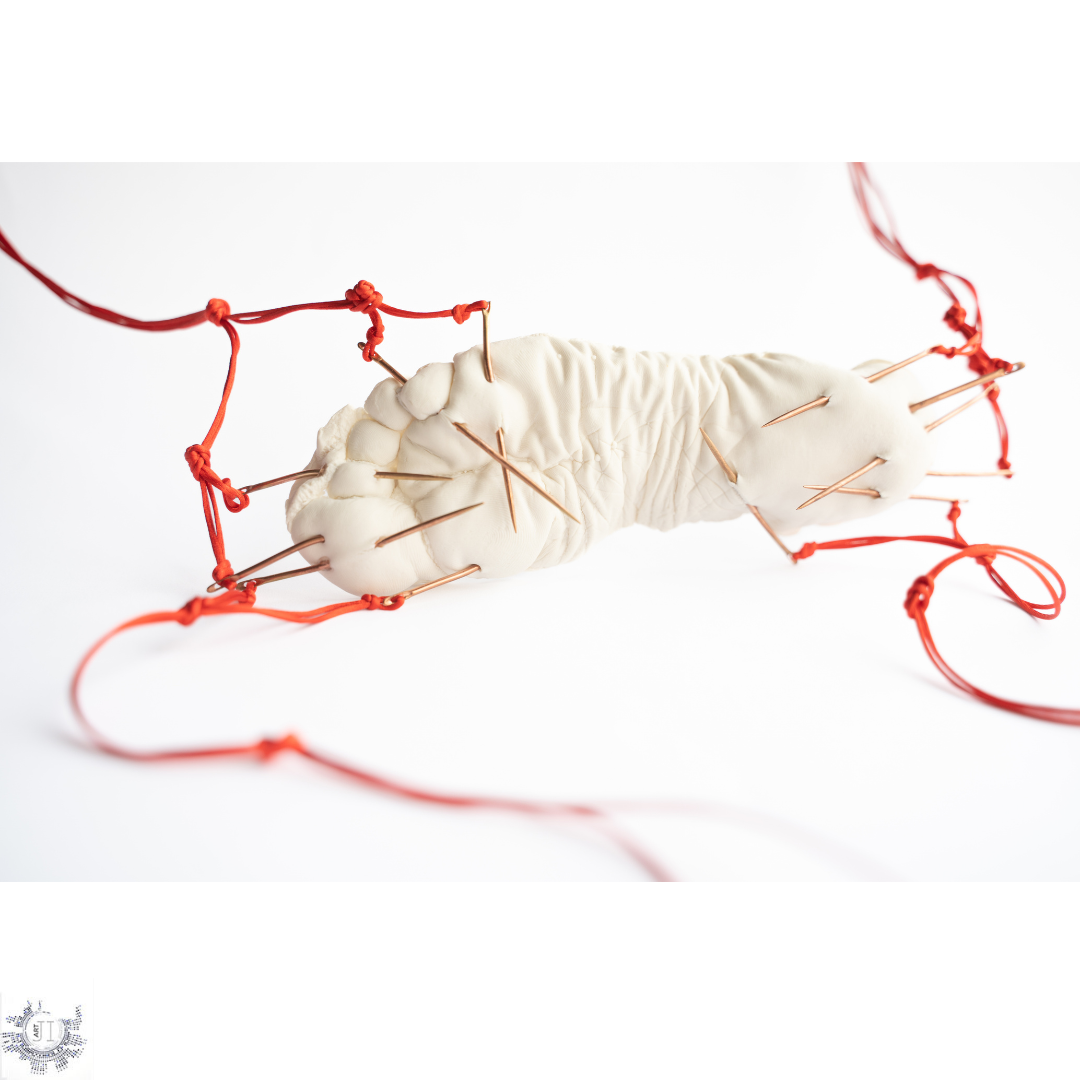
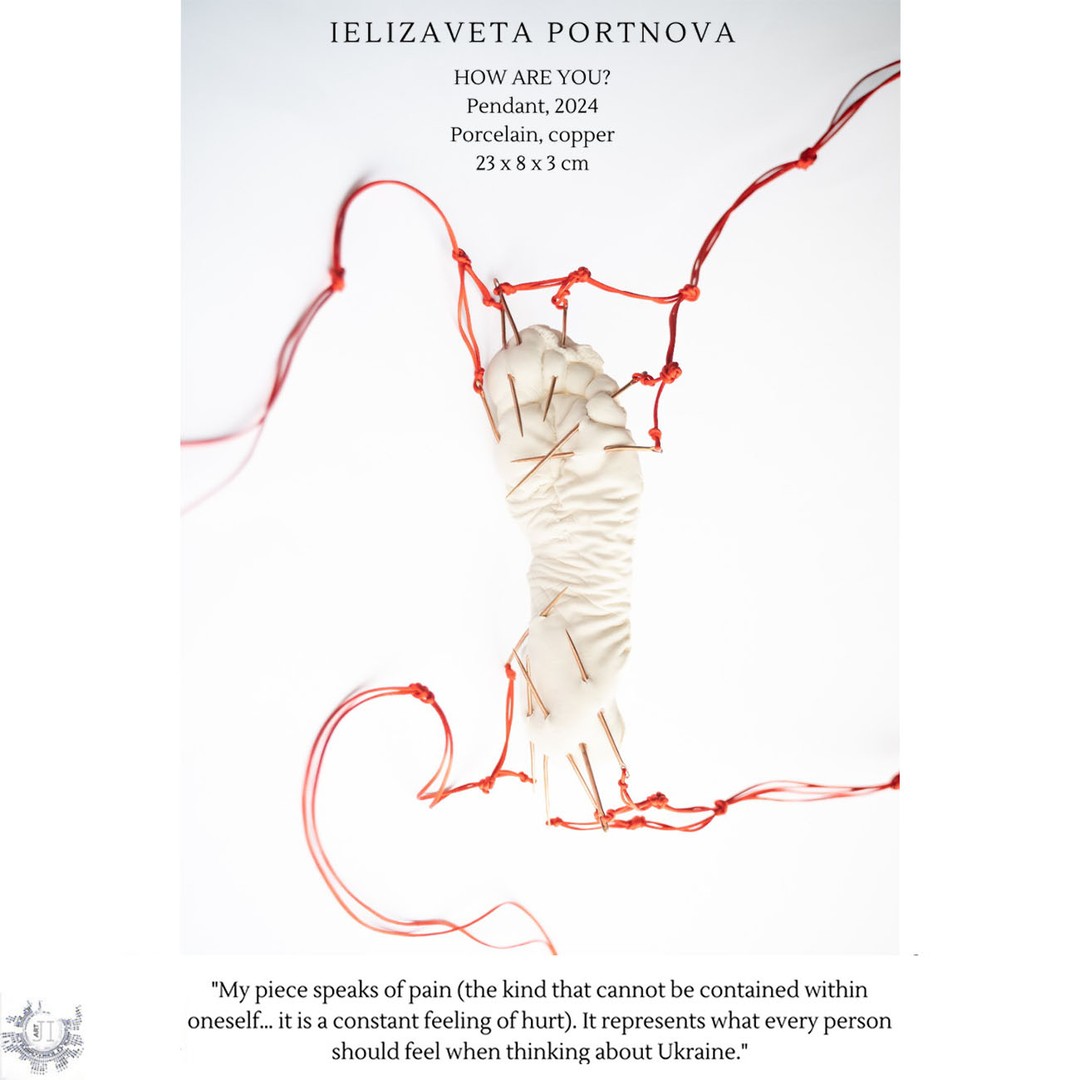
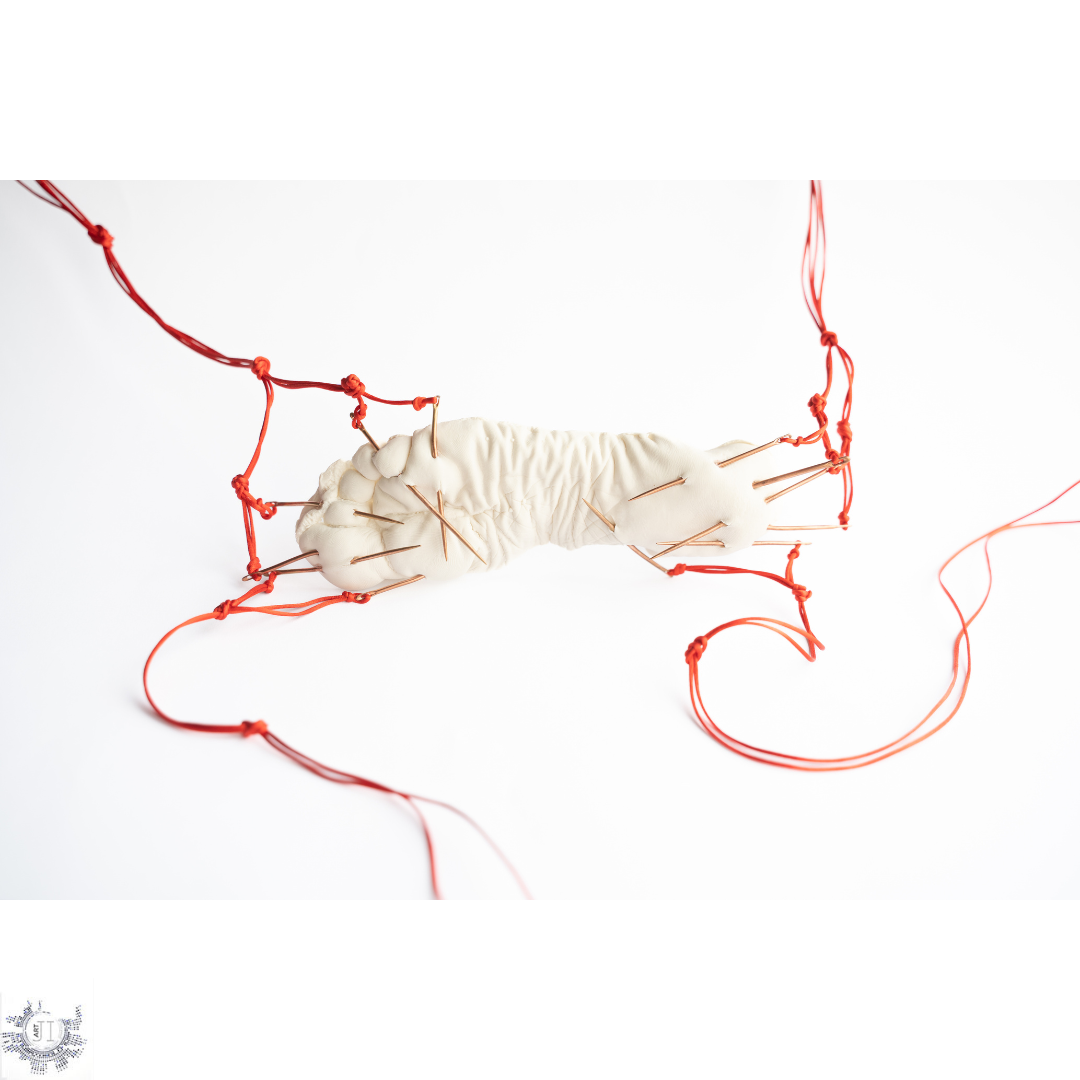
The pristine white, ceramic foot pendant of a Ukrainian artist Liza Portnova is incredibly beautiful. Yet you instantly feel the pain: as if those sharp needles were piercing your foot, not a miniature porcelain piece of art.
Today we speak with Liza about her jewelry, her sculptures, about her ideas about art and the world today.
I wanted to convey my emotions as fully as possible, so the viewer could also feel what it’s like to be in the shoes of a Ukrainian person. This is deeply important to me.
Liza Portnova
The JI: You are a sculptor. Why did you decide to create a piece of jewelry, something wearable, this time?
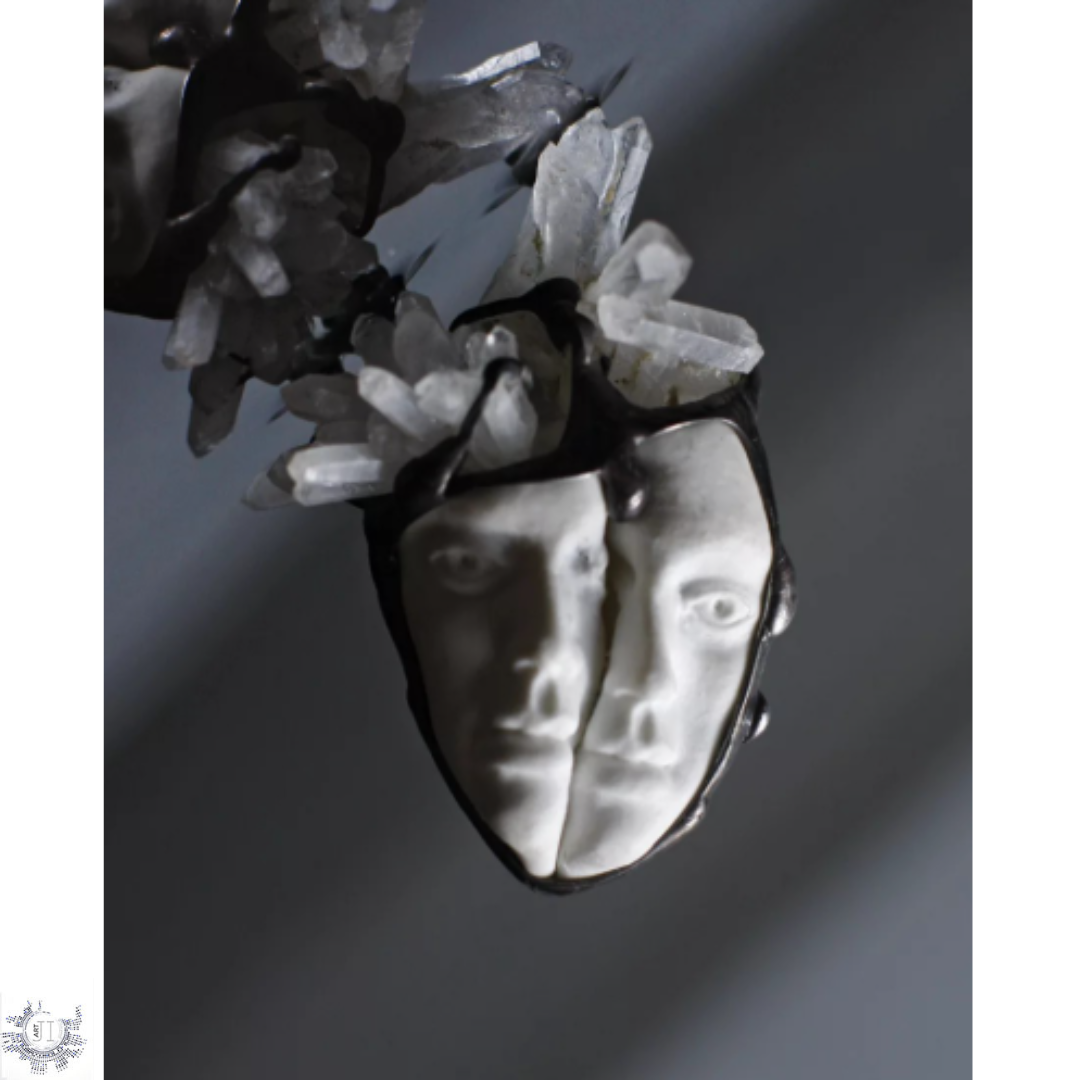
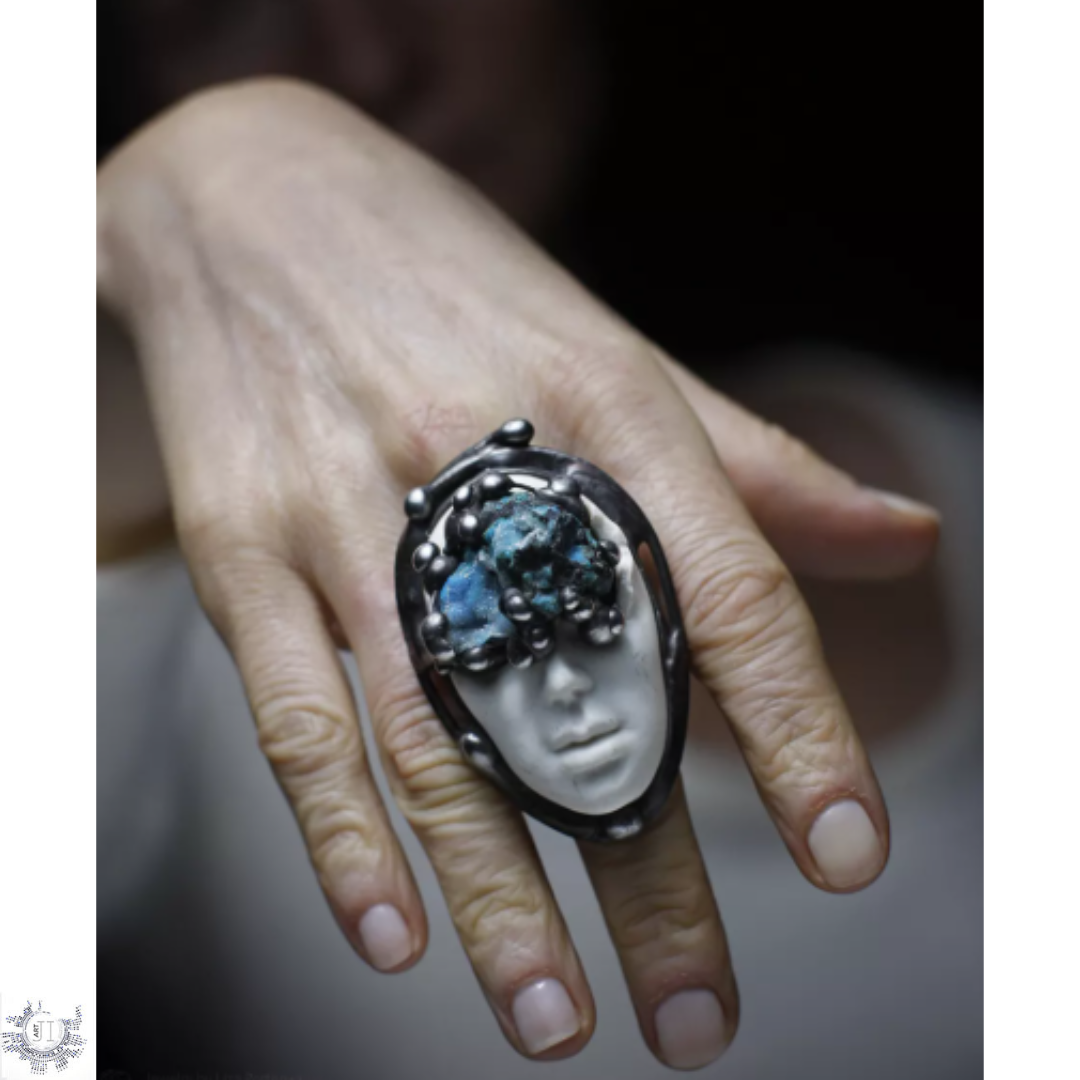
Liza: My primary creative work revolves around ceramics and sculpture. However, I also have a line of jewelry. But these pieces are very different from those created specifically for the art jewelry project, which reflects on the theme of war.
In this series, I allowed myself to work more boldly, less bound by the function of the object. I wanted to convey my emotions as fully as possible, so the viewer could also feel what it’s like to be in the shoes of a Ukrainian person.
This is deeply important to me.
The JI: Does making your sculpture into a wearable piece of art signify a new direction that you might undertake in the future? That way your art can be seen, and your message can be heard, by more people: people can wear it while they travel abroad, to events, to work, and most likely will be asked about its meaning – because it is really unusual and a very speaking pendant.
Liza: Yes, I also think of jewelry as a small sculpture – an art object that can always be close to a person and transform itself through close interaction.
I find the foot to be the most expressive in conveying the sensation of pain. The foot is the part of the body that connects us to the ground.
Liza Portnova
The JI: Why foot? Feet are quite symbolic: we stand on them, they bear all our weight. In acupuncture needles are stuck into the soles of your feet – and the whole body can feel the effect. Monks walk on hot coals, as part of a clarifying meditation and a purification ritual. Why did you choose a foot for this pendant?
Liza: In this jewelry series, I included not only a foot but also a hand, a palm, and a chest pierced by needles. However, I find the foot to be the most expressive in conveying the sensation of pain. The foot is the part of the body that connects us to the ground.
Right now, I cannot walk on my native soil, cannot walk through Kyiv, because of the war. Every day, bombs from Russia attack my home city, as well as other cities in Ukraine. The pain is endless. Sometimes it feels like neither the body nor the soul can bear so much grief.
I also chose the foot because of a childhood memory. I once accidentally jumped onto a needle, and it pierced my foot. This led to several surgeries and the fear of dying from tiny shards of the broken needle left inside me. It’s difficult to put that feeling into words.
The JI: How would you describe your art to someone who has not seen it before? What would be the first sculpture you would show them?
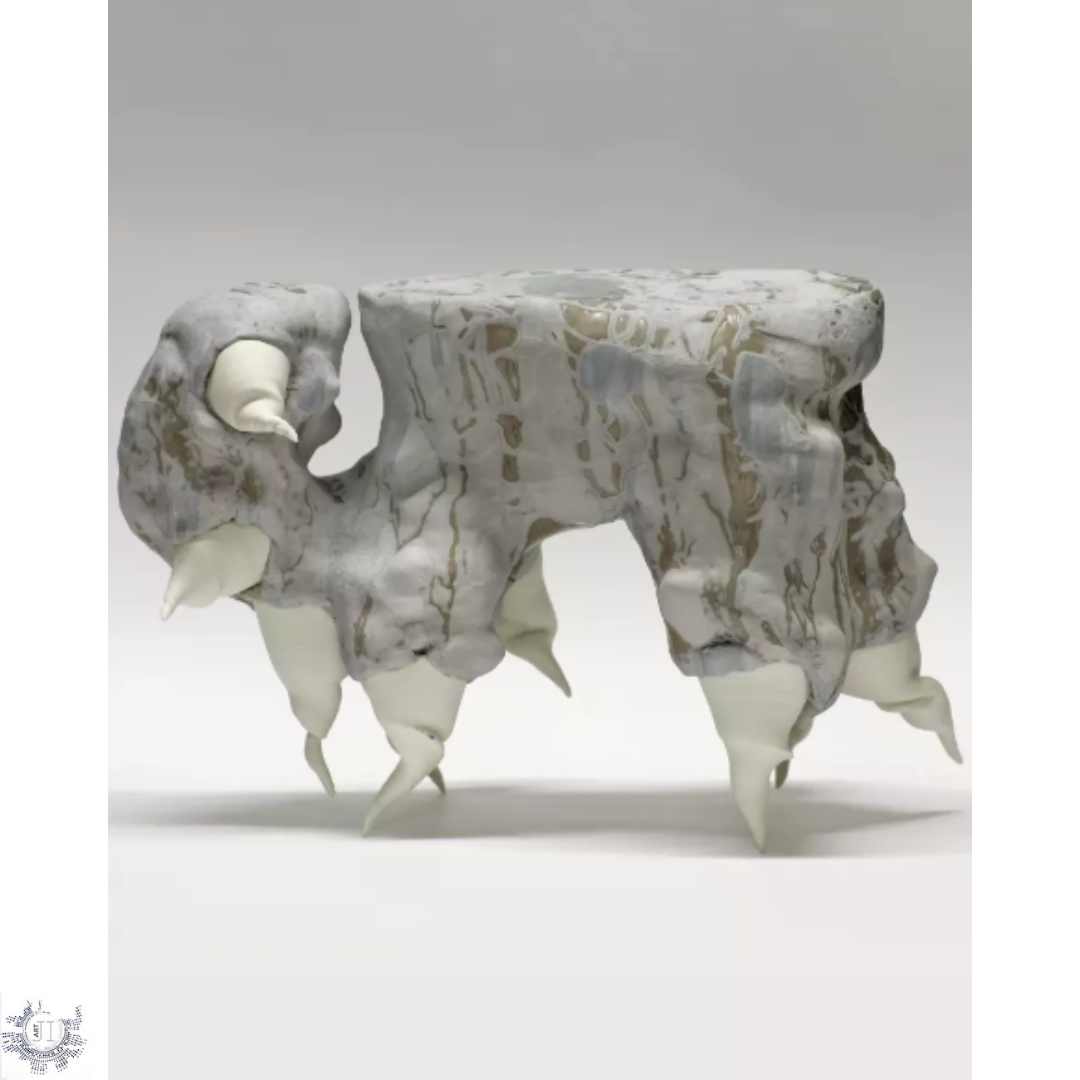
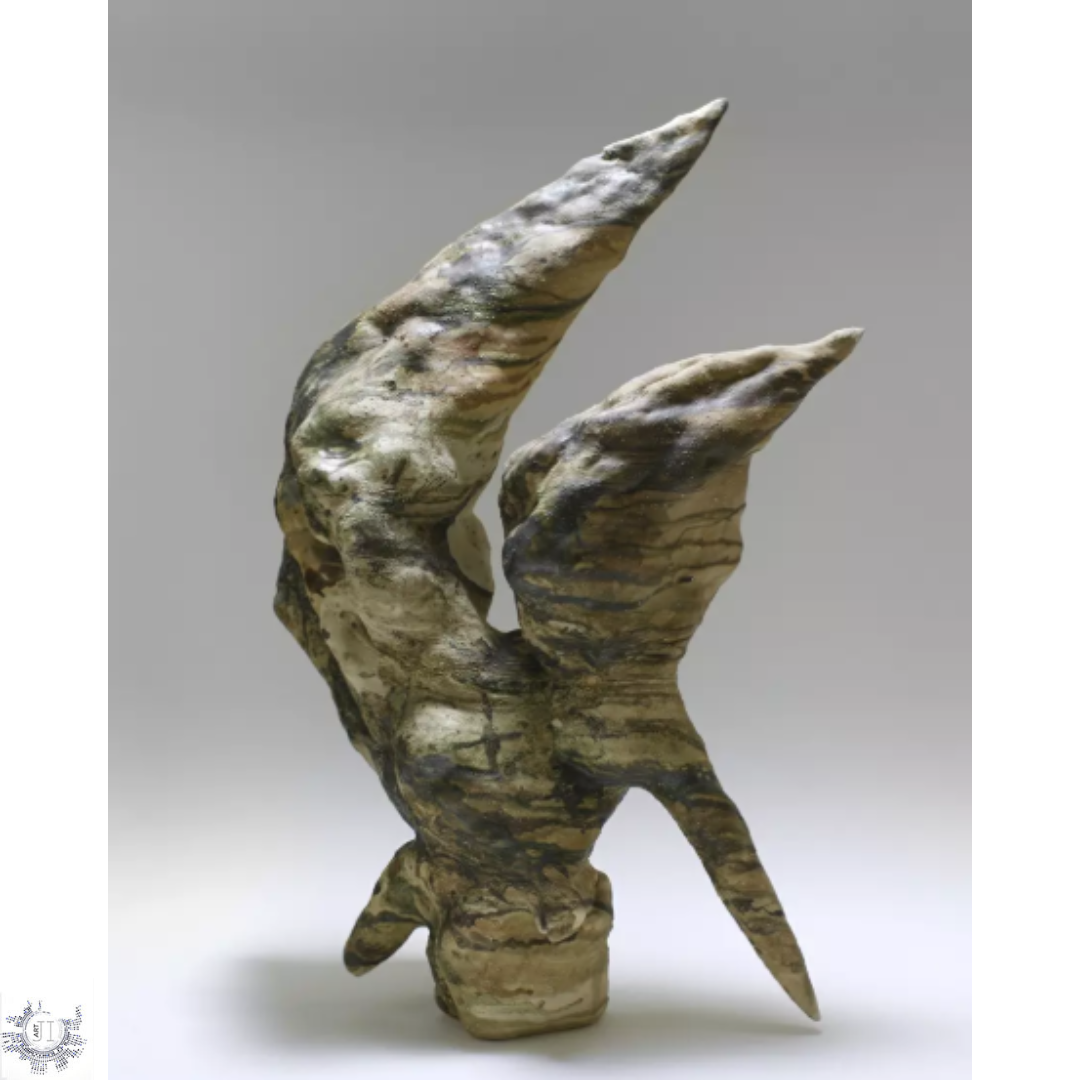
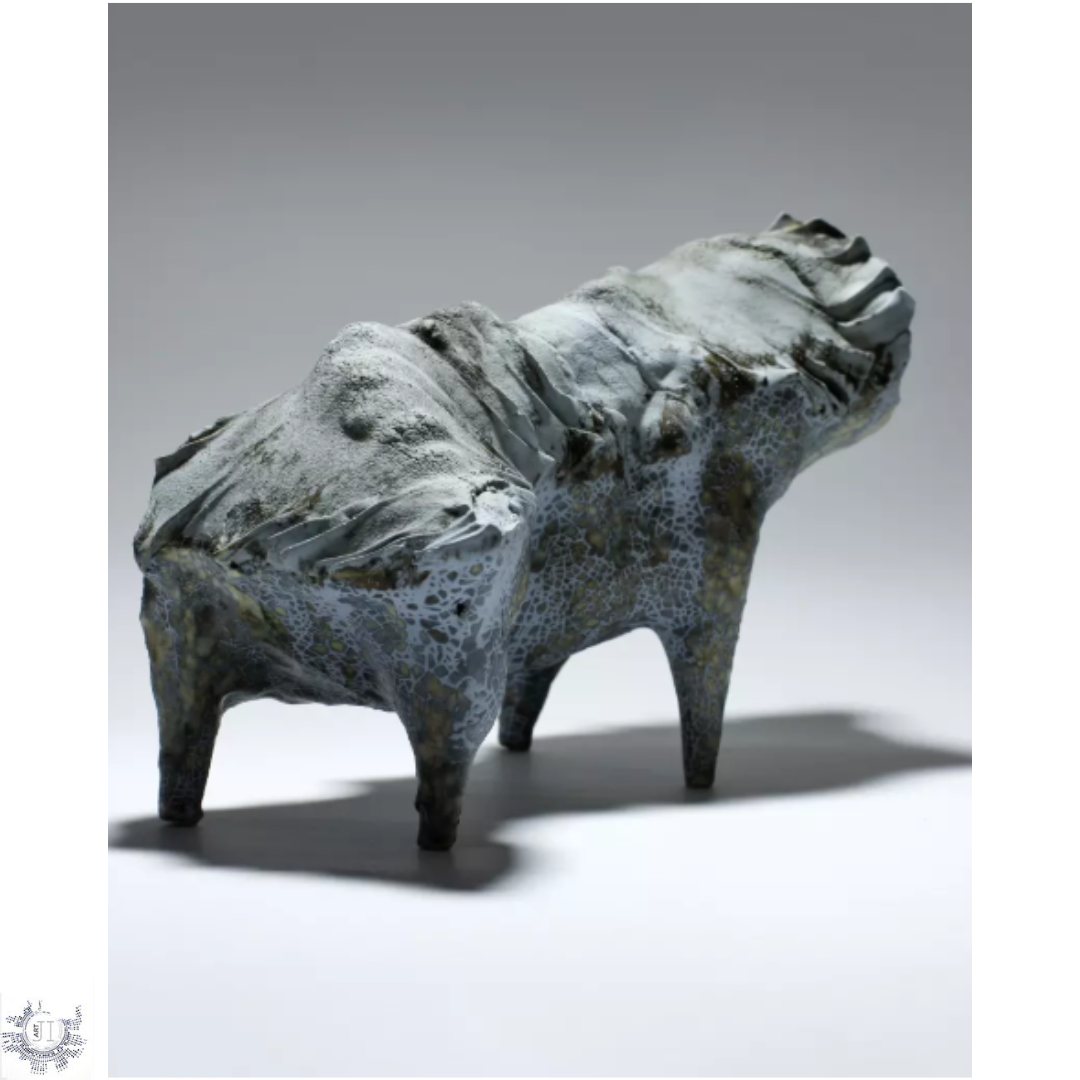
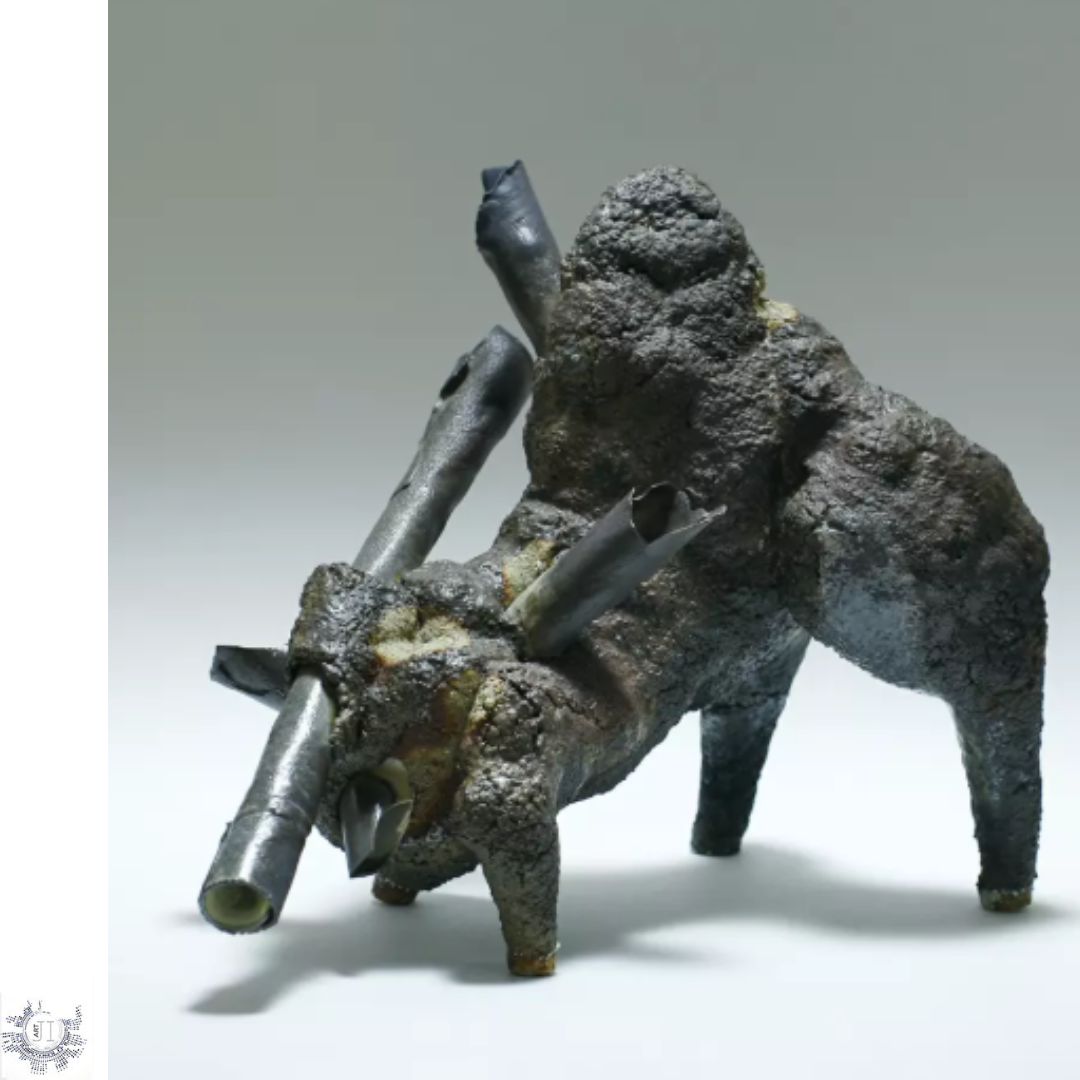
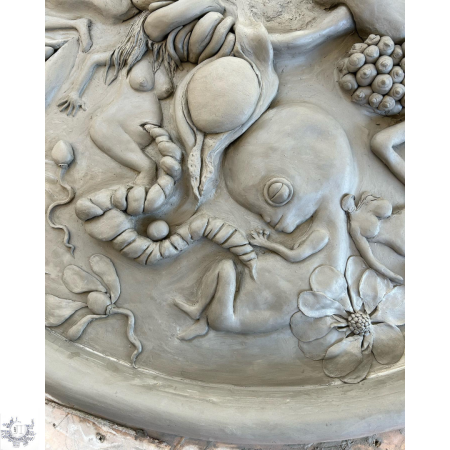
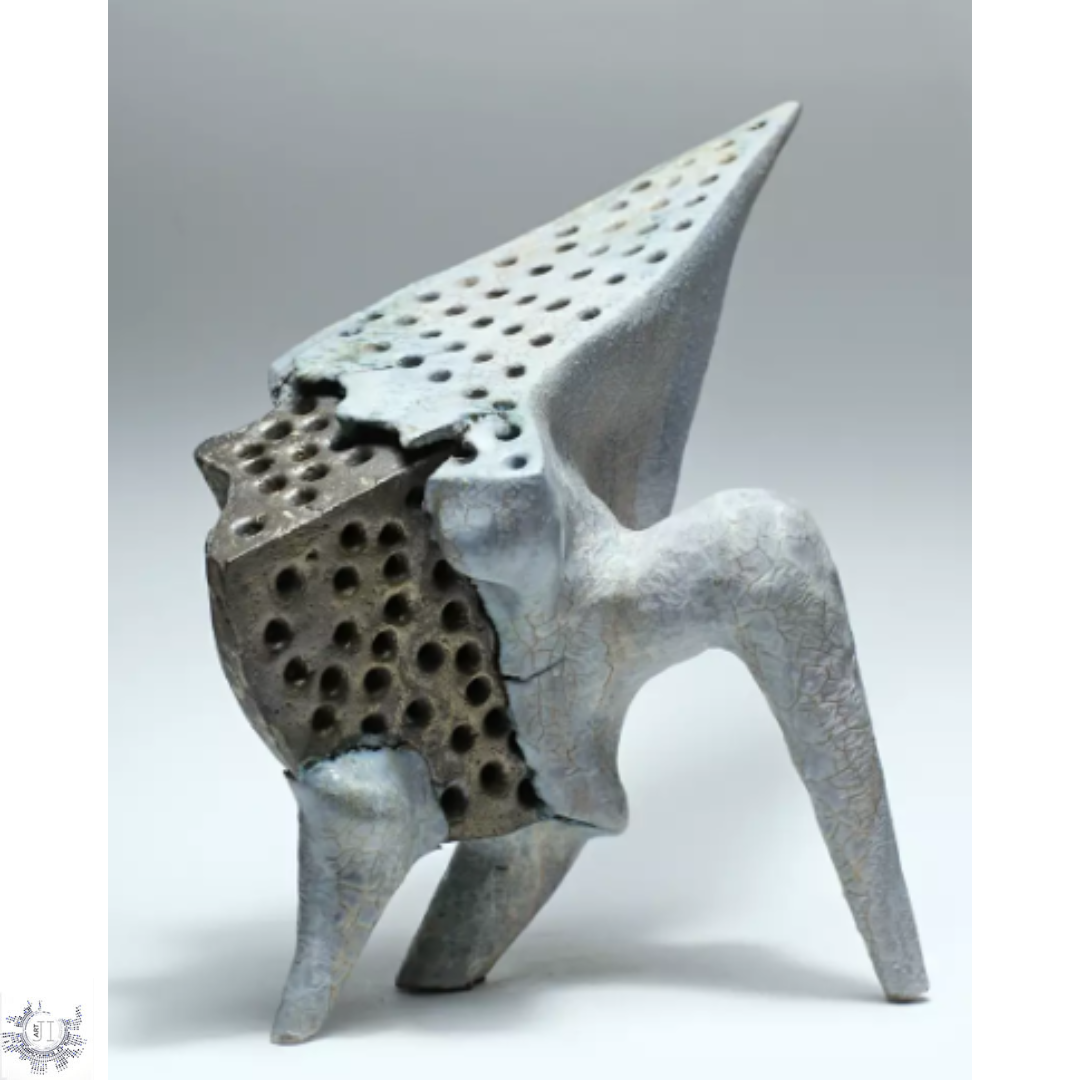
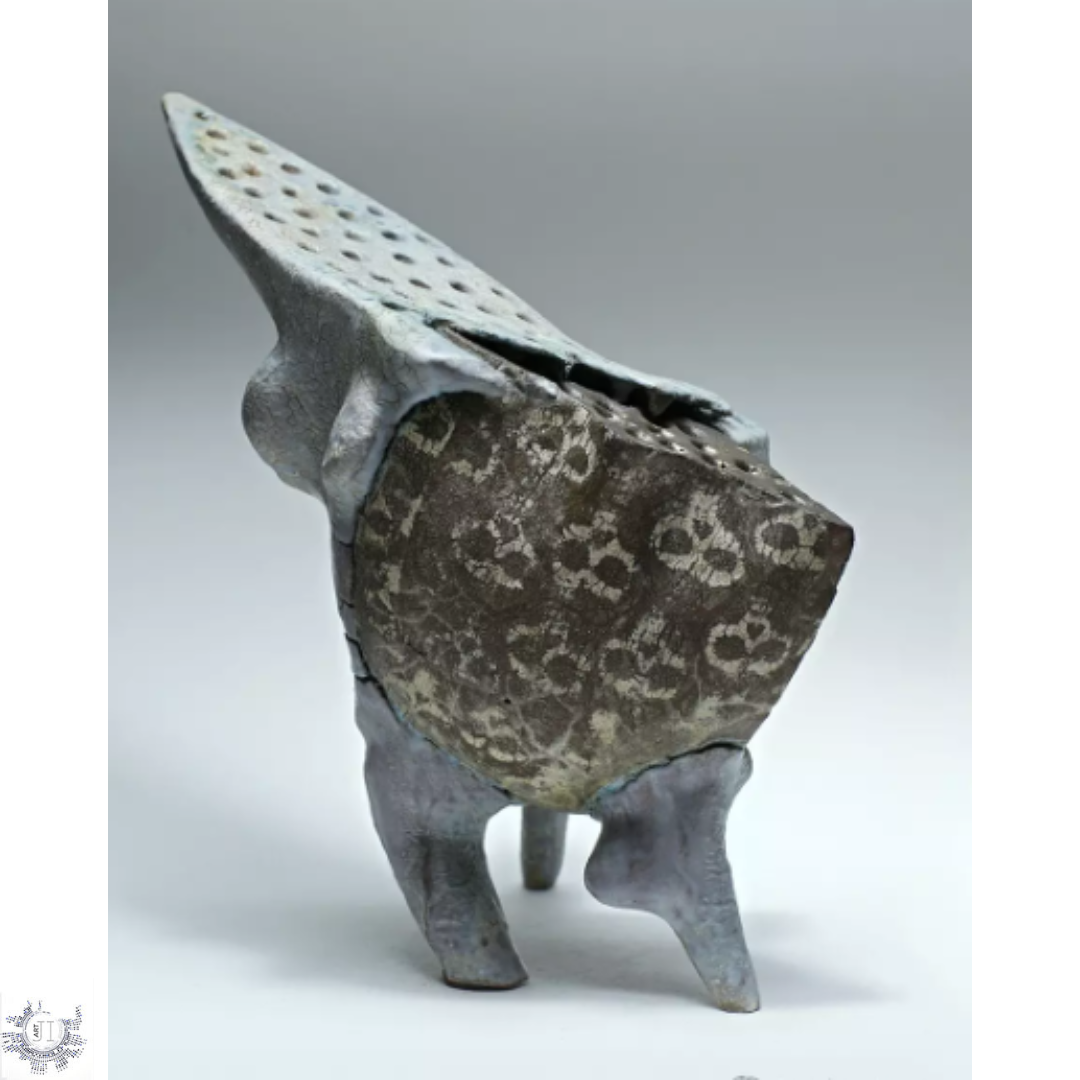
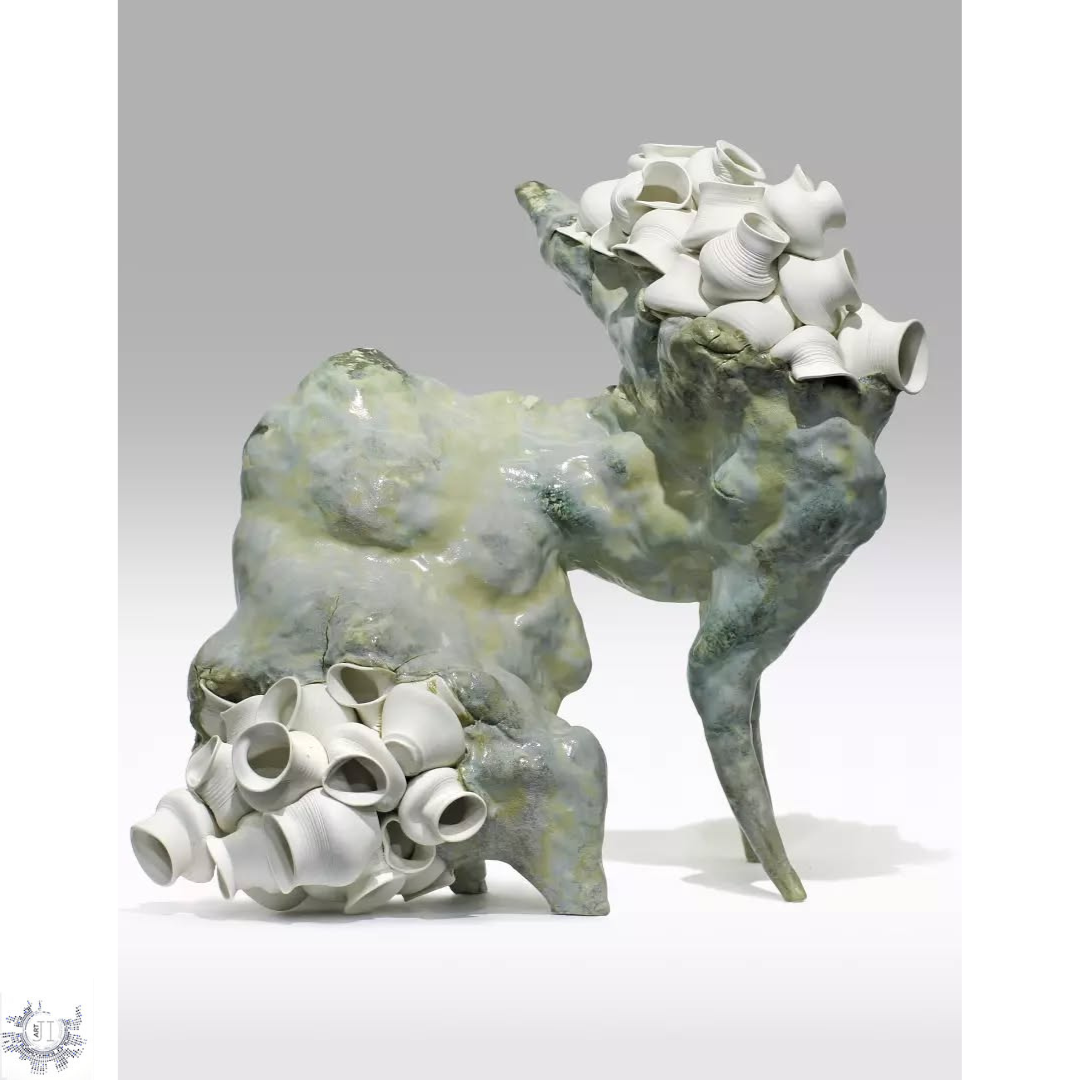
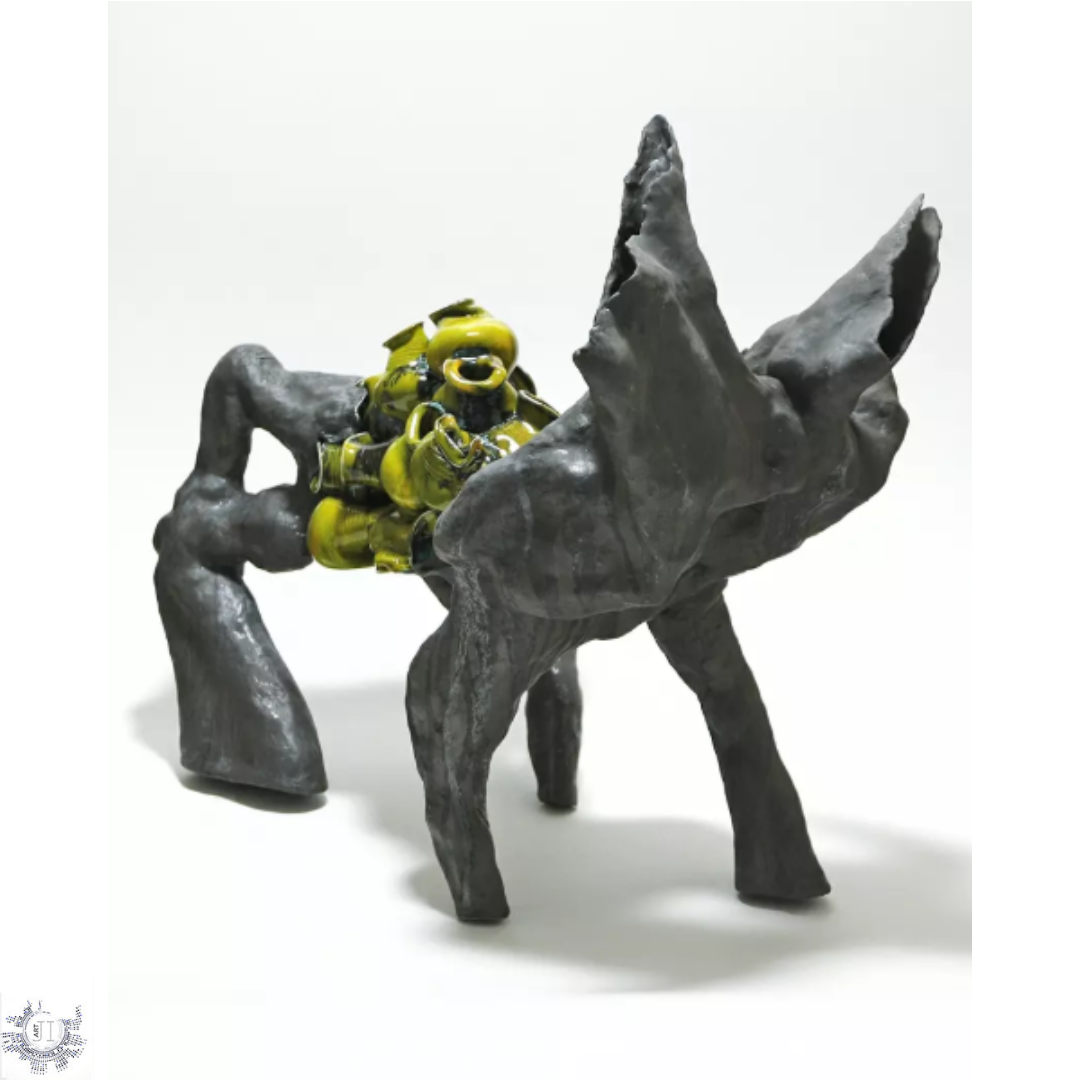
Liza: At the moment, my favorite work is the ceramic sculpture “Thorns”, which I created in Kyiv, in my beloved workshop. I currently consider it my strongest piece, as it allowed me to overcome my own perceptions of the object and push beyond my understanding of the technology.
Through this work, I challenged my ideas of technique and form, and I hope to continue developing this direction in the future.
To be genuine, art requires support – much like the development of a new vaccine, a groundbreaking treatment, or the invention of innovative tools to improve life.
Liza Portnova
The JI: Art as a phenomenon is going through lots of changes. For many people, it is becoming a business, an investment. How do you see art right now?
Liza: In my world, art is the pursuit of creating something new. It is a new language, a new production technology. It demands the exploration of materials and an endless push beyond yesterday's understanding. It is about breaking conventional processes. But it is also deeply tied to feelings and emotions.
I don’t believe that art can truly function as a business or be driven by profit. To be genuine, art requires support – much like the development of a new vaccine, a groundbreaking treatment, or the invention of innovative tools to improve life.
Creativity and inspiration can only emerge through the process of work itself. For me, the greatest source of inspiration comes directly from creating and experimenting with clay and porcelain.
Liza Portnova
The JI: Tell us a little bit about your routine. What makes you creative, what makes you productive?
Liza: In my view, creativity and inspiration can only emerge through the process of work itself. Ceramics, with its deep connection to technology and chemistry, offers endless fascination. For me, the greatest source of inspiration comes directly from creating and experimenting with clay and porcelain.
This process feels like a dialogue with natural phenomena. The textures shaped by nature – the patterns waves leave on the sand, the cracks in stones and earth under the influence of temperature and time, or the way maple leaves change color in autumn – all contain the magical code of the planet.
These elements captivate me, reflecting the flow of life on Earth. They hold infinite meaning, driving my exploration and desire to create beauty in the world.
Thank you very much for this opportunity