VERONICA SMIRNOFF AND BARRY X BALL: HISTORICAL FORMS WITH A PULSE

A DEEPER LOOK AT HOW TWO ARTISTS TRANSFORM THE PAST INTO CONTEMPORARY EXPERIENCE

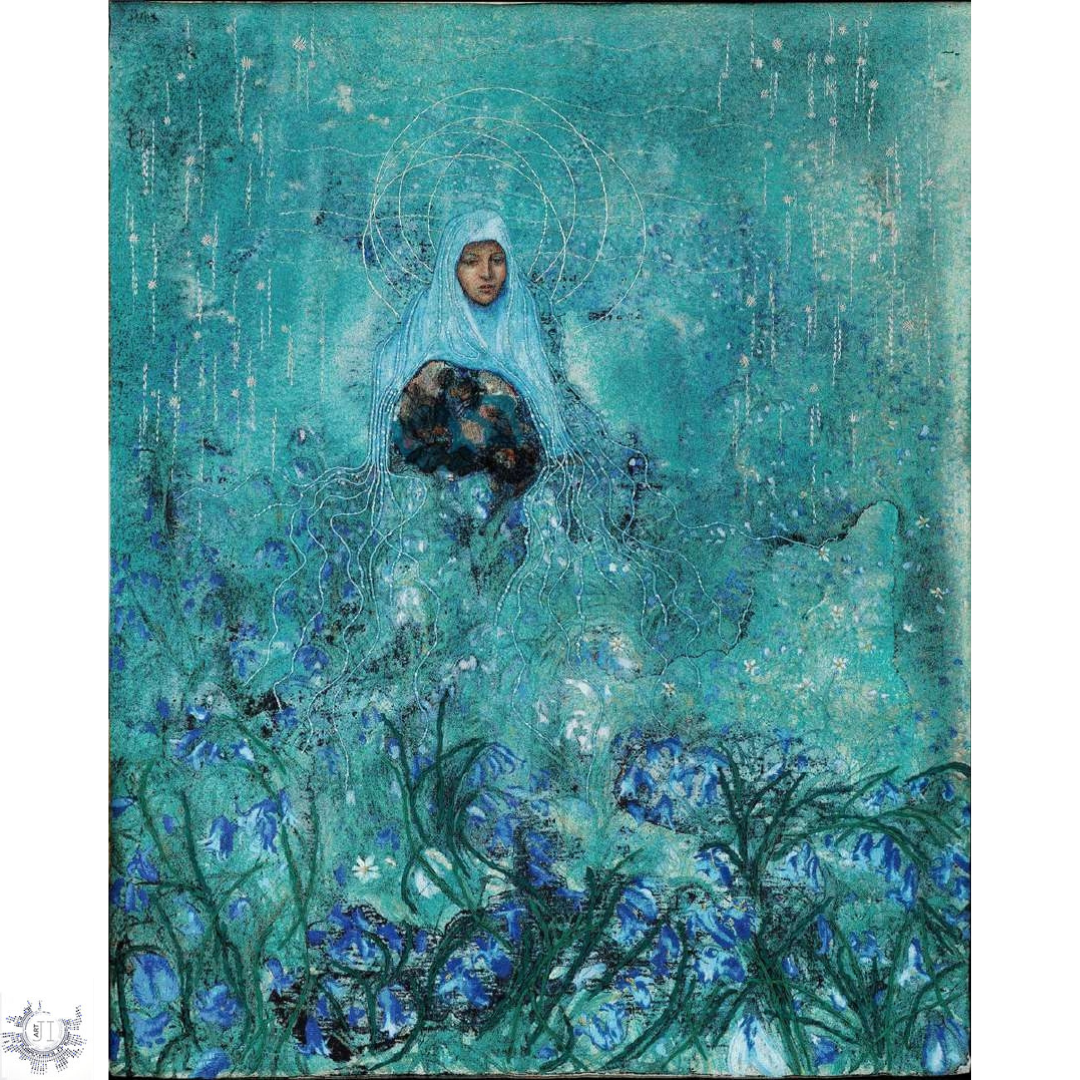
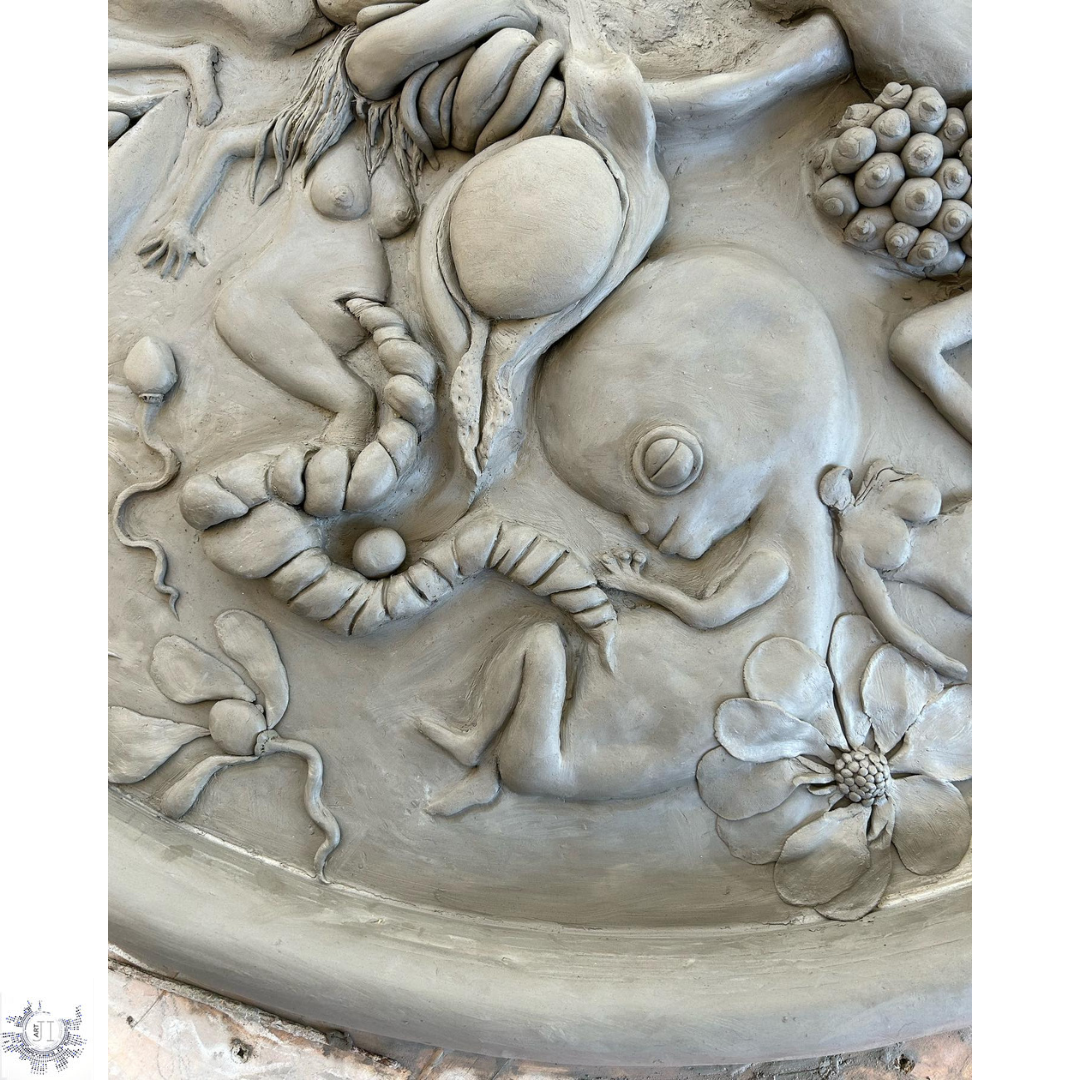
Some exhibitions treat history as a fixed point of reference; meanwhile, Parto Artifex, presented by LIS10 Gallery, approaches it differently. 

The exhibition brings together Veronica Smirnoff and Barry X Ball around a shared question: what happens when historical forms continue to generate meaning in the present?

Although their methods could hardly be more different, both artists work with inherited visual languages: neither treats the past as something complete or settled. Instead, each returns to historical forms as material that can be reworked, reconsidered, and brought into new contexts.

Read more

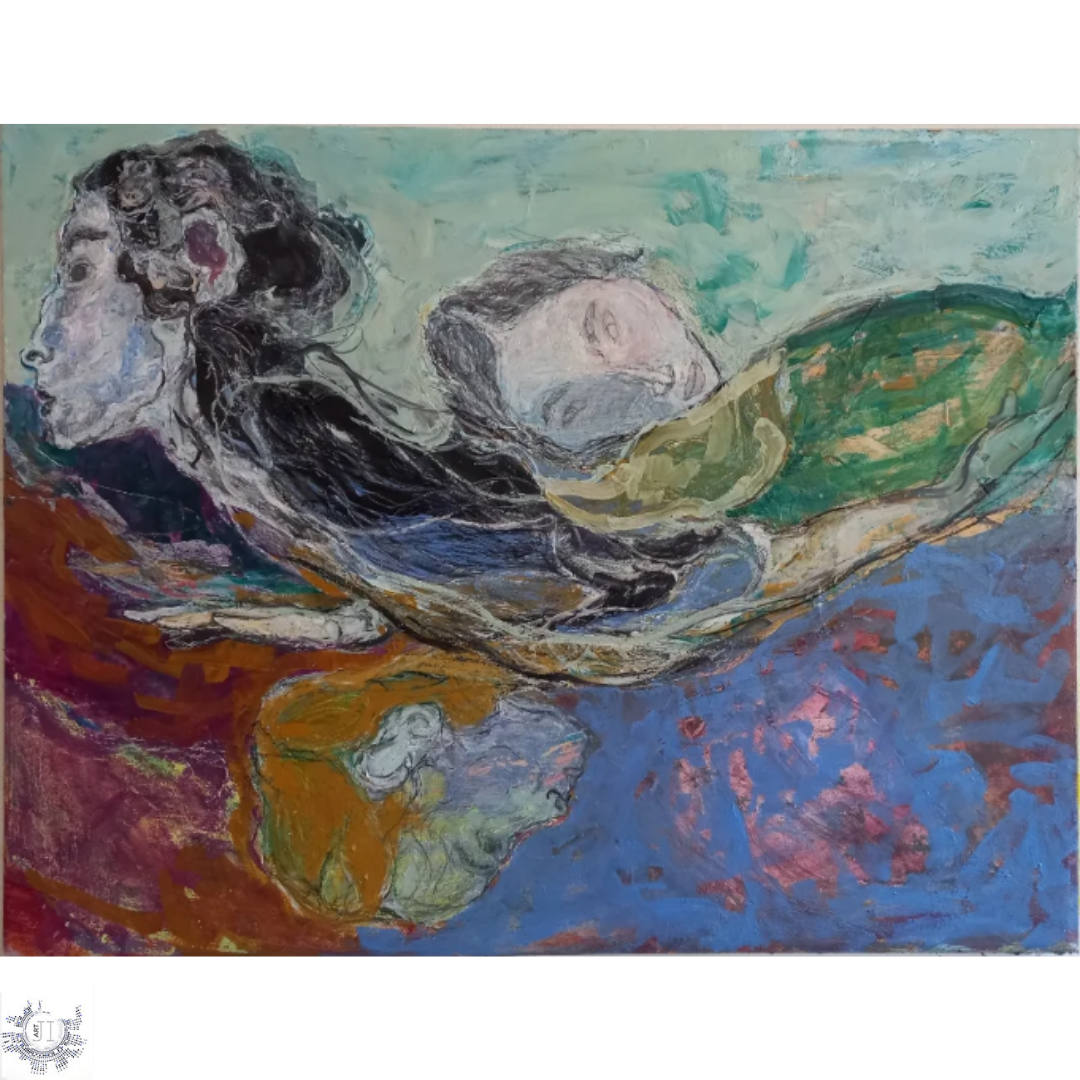
WALDEMAR ZIMBELMANN AND THE SOFT RUIN OF THE PAINTED BODY

A MOMENT BETWEEN LAYERING, ERASURE, AND THE PAINTING STARTING TO DECIDE FOR ITSELF

Waldemar Zimbelmann builds his images through layering and removal. Paint goes on, covers the past traces, then gets partially taken back, shaped as much by erasure as by addition. Lines are scratched into wet or drying paint, cut back into the surface. Some marks are thin and hesitant, others forceful, almost carved, pulling forms into view without fully stabilizing them.

Read more

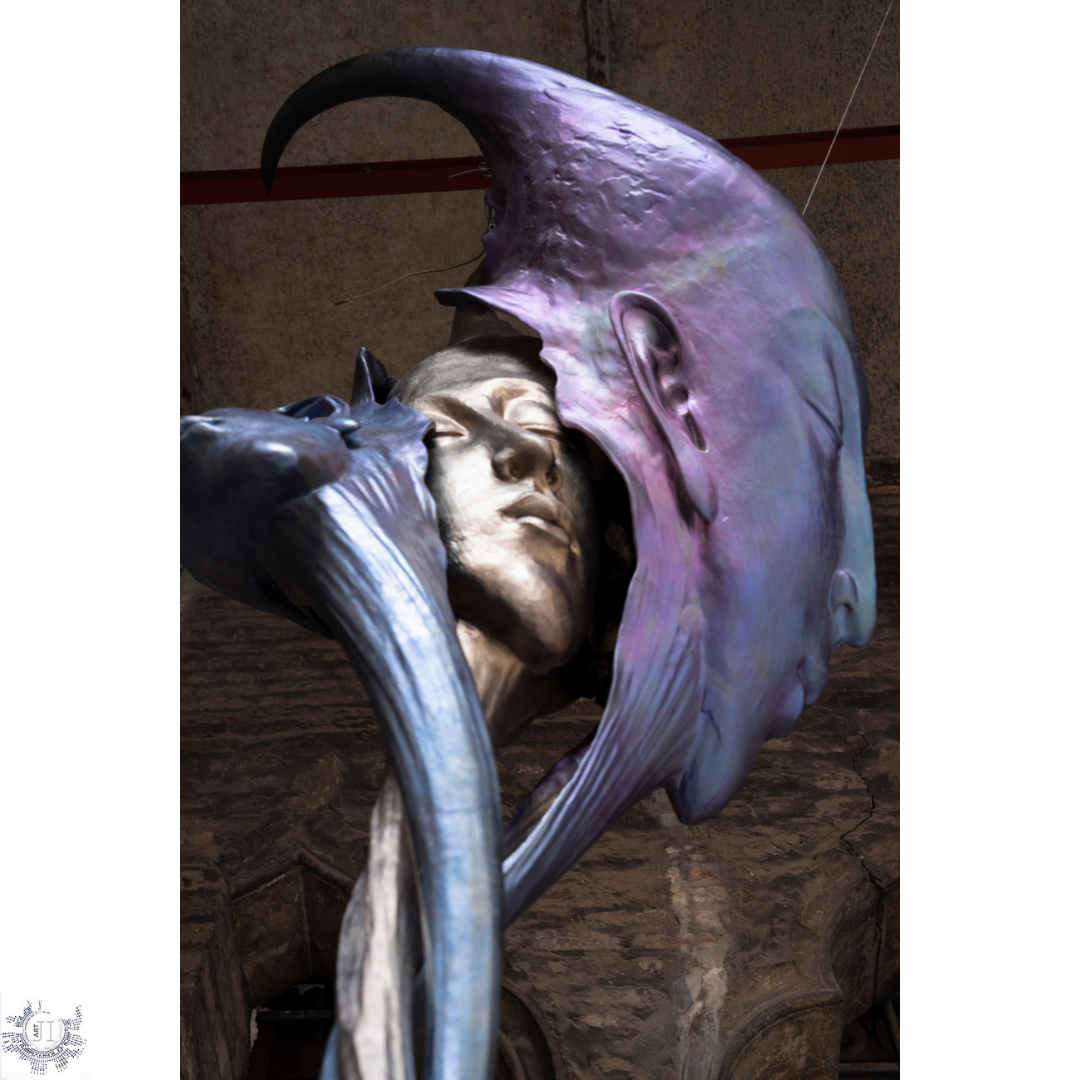
TITANIUM MYTHOS BY WALLACE CHAN IN A RENAISSANCE TOWER OF THE VENICE BIENNALE

TURNING MYTH INTO MATERIAL AND MEANING INTO MOTION

Inside the spiral of the Palazzo Contarini del Bovolo, a set of suspended titanium sculptures interrupts the usual rhythm of Renaissance architecture. The works are part of Mythos, an exhibition by Wallace Chan, presented alongside the Venice Biennale Arte 2026, and curated by James Putnam.

Read more

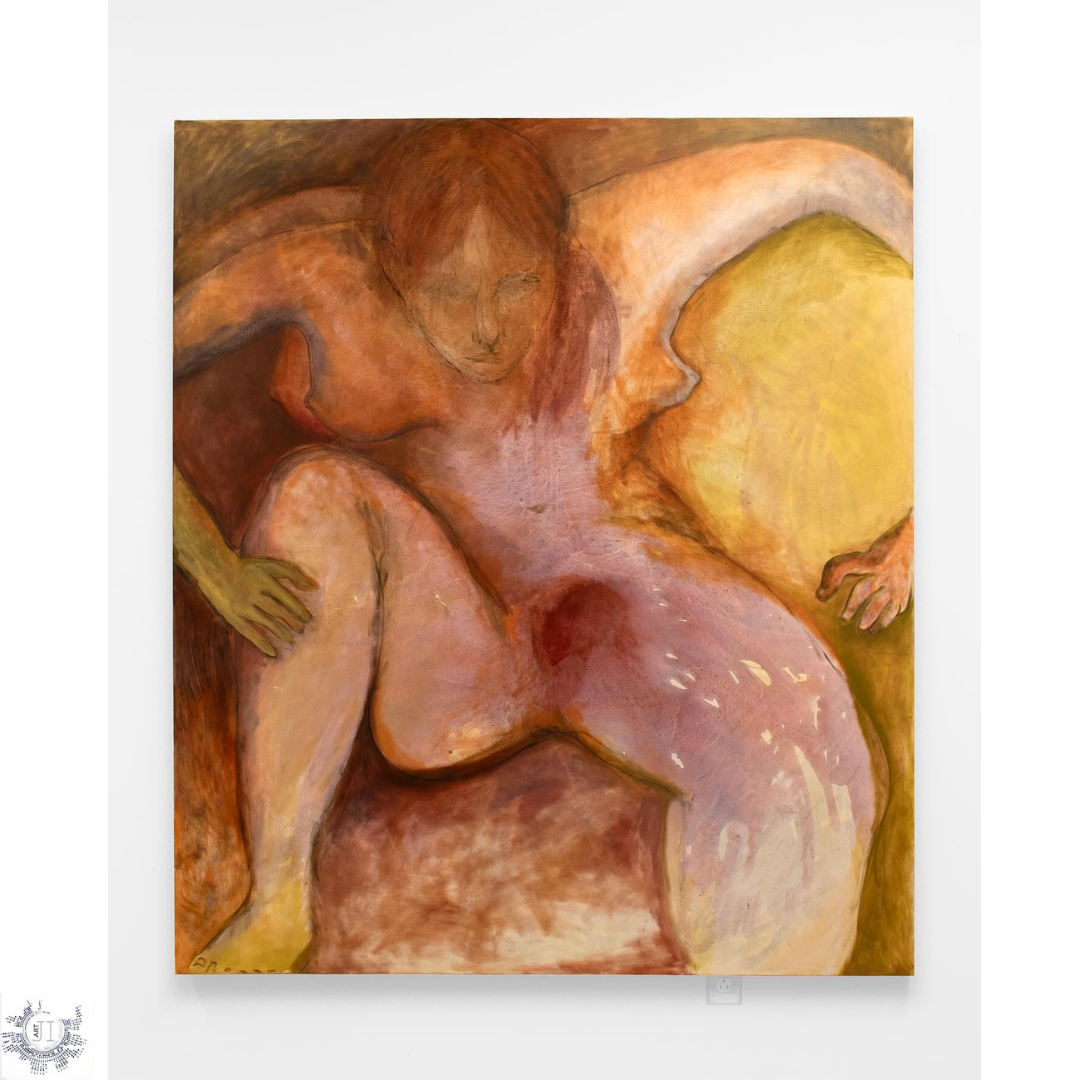
BEHIND THE SECOND SKINS OF JULIETA BELTRÁN LAZO

THROUGH METABOLIZING DISCOMFORT, SHE LETS THE BODY SPEAK IN GESTURES, CURVES, AND LIBERATION

Her paintings gather weight slowly, like a body holding tension without knowing when it started. Paint thickens, figures hunch or coil, surfaces soften and resist, looking feels intimate and slightly off-balance.

Working between Guadalajara and Chicago, Julieta Beltrán Lazo moves through geographies the way her figures move through space: alert, transitional, never fully settled. Her practice is rooted in painting, yet it continually presses against its own limits, reaching into fibers, writing, and performance when the questions she is asking outgrow the frame of the canvas. Materials are not chosen for effect – they come through necessity, through the feeling that an idea needs to be touched, knotted, weighed, or worn.

Read more

TIM NOBLE AND THE ART OF MAKING MISTAKES

HOW HE EMBRACED ERROR, IMPROVISATION, AND PHYSICAL ENDURANCE TO CREATE WORKS THAT CHALLENGE SPACE AND PERCEPTION

He proved that garbage and waste can be material for beauty – it just needs to be viewed under the right angle and in the right light.

For Tim Noble, making is a form of compulsion, which begins with the hand, raw, repetitive, and insistent – and moves forward through friction, error, and endurance. 

Materials are pushed until they break, reshaped until something unexpected surfaces. Scrap, waste, cheap materials – plastic bottles, fragments of wood, whatever is within reach – become the foundation of his sculptures. Nothing is too insignificant to be used, and nothing is fixed in meaning, breaking through a constant tension between accident and control, between what the artist intends and what the material wants to become.

Read more

ANNA FASSHAUER: THE ART OF BECOMING, OR HOW DAMAGE MATURES INTO FORM

WITHOUT INDUSTRIAL MACHINERY, SHE WRESTLES MONUMENTAL ALUMINUM INTO PRECARIOUS AND DEFIANT STRUCTURES

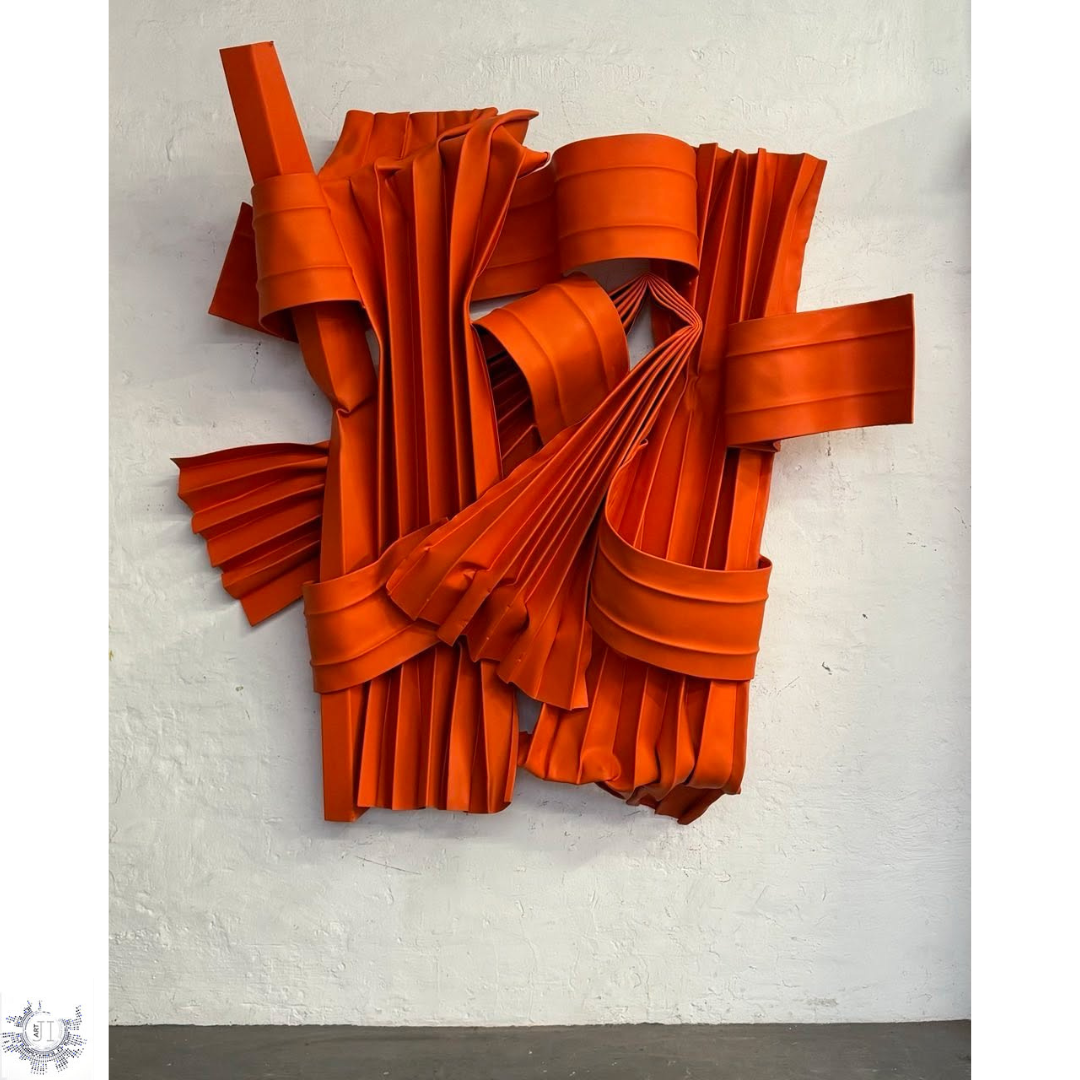
In Anna Fasshauer’s Berlin studio, aluminum is struck, dented, and riveted by hand. Working without assistants or industrial bending machines, the artist shapes each sculpture through direct physical force: the dents remain visible, and the damage becomes the form.

Her brightly colored aluminum structures initially suggest oversized everyday objects: straws, sticks, gigantic, bent barbells, fragments of familiar things. However, their warped geometry and compressed surfaces introduce tension beneath and beyond the playfulness.

Read more

JOHANNA BATH: PAINTING THE MOMENT THAT SLIPS AWAY

SMALL AND LARGE, DELICATE AND IMPOSING, HER PAINTINGS TRACE THE FRAGILE BOUNDARY BETWEEN PRESENCE AND ABSENCE, INTIMACY AND DISTANCE

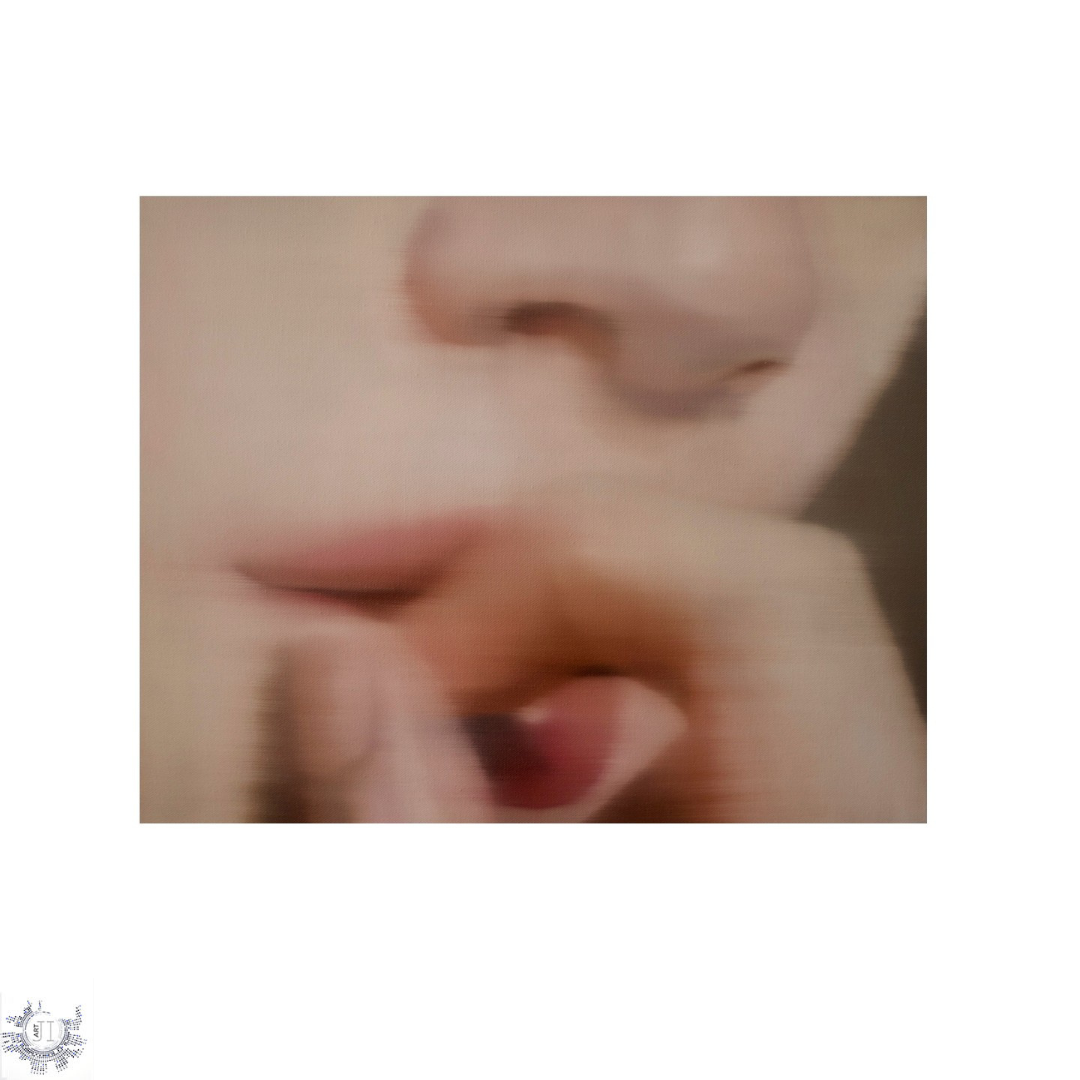
Her paintings are close and personal: blurred figures, cropped hands, flowers, fragments of everyday life, feeling both familiar and just out of reach. 

Johanna Bath paints instinctively, building each composition on roughly primed canvases marked with gesso, stains, and traces of earlier gesture, allowing chance, distortion, and blurring to enter the work, reflecting her fascination with memory: how moments fade, shift, and fragment, and how the act of painting can preserve the ephemeral. From small, intimate studies of lips, to larger, collage-like compositions, her work builds the seductive tension between presence and absence.

Read more

LIZA PORTNOVA: ABOUT BEAUTY, ART, PAIN, AND CERAMICS

AN INTERVIEW WITH A SCULPTOR WHO TRANSLATED HER CREATIONS INTO POWERFUL, EMOTIONAL JEWELRY

The pristine white, ceramic foot pendant of a Ukrainian artist Liza Portnova is incredibly beautiful. Yet you instantly feel the pain: as if those sharp needles were piercing your foot, not a miniature porcelain piece of art.

Today we speak with Liza about her jewelry, her sculptures, about her ideas about art and the world today.

Read more

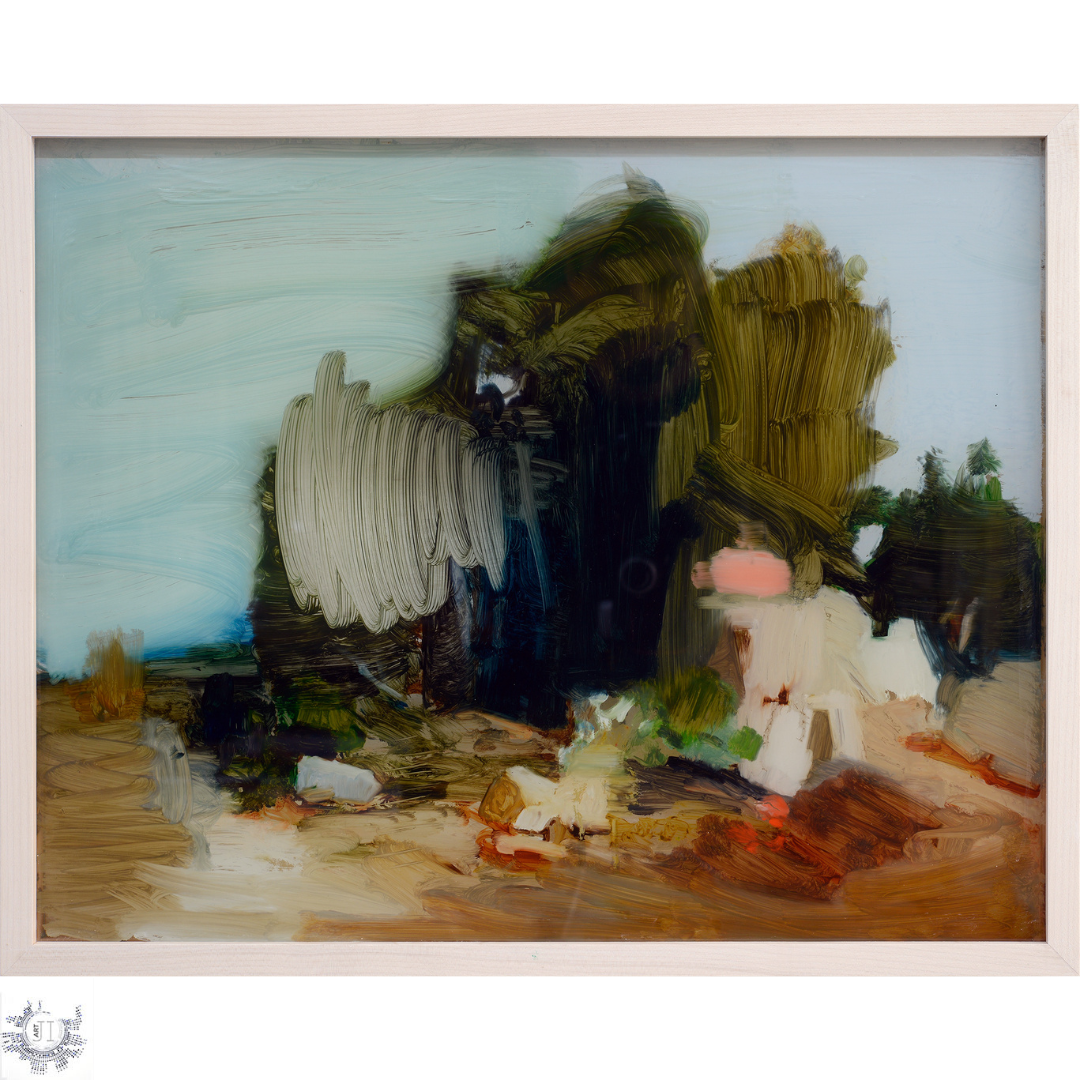
DANIEL KARRER: WHAT HAPPENS ON THE OTHER SIDE

A CONVERSATION ABOUT REVERSE GLASS PAINTING, CONTROLLED ACCIDENTS, AND THE MEANING OF THE THREE-MILLIMETRES BETWEEN THE VIEWER AND THE IMAGE

Painting has always negotiated distance: between eye and surface, intention and accident, image and the world that presses in around it. 

In Daniel Karrer’s work, that distance is literalized, polished, and made visible. A thin, barely three-millimetre, sheet of glass intervenes: it separates the spectator from the image, slows down the perception, and discreetly insists that looking is never immediate. 

Read more

ANNA FASSHAUER: THE ART OF BECOMING, OR HOW DAMAGE MATURES INTO FORM

WITHOUT INDUSTRIAL MACHINERY, SHE WRESTLES MONUMENTAL ALUMINUM INTO PRECARIOUS AND DEFIANT STRUCTURES

In Anna Fasshauer’s Berlin studio, aluminum is struck, dented, and riveted by hand. Working without assistants or industrial bending machines, the artist shapes each sculpture through direct physical force: the dents remain visible, and the damage becomes the form.

Read more
Your account
New client

Create an account to track and manage your orders, view all your personal information and items added to your wishlist.