
JOHANNA BATH: PAINTING THE MOMENT THAT SLIPS AWAY
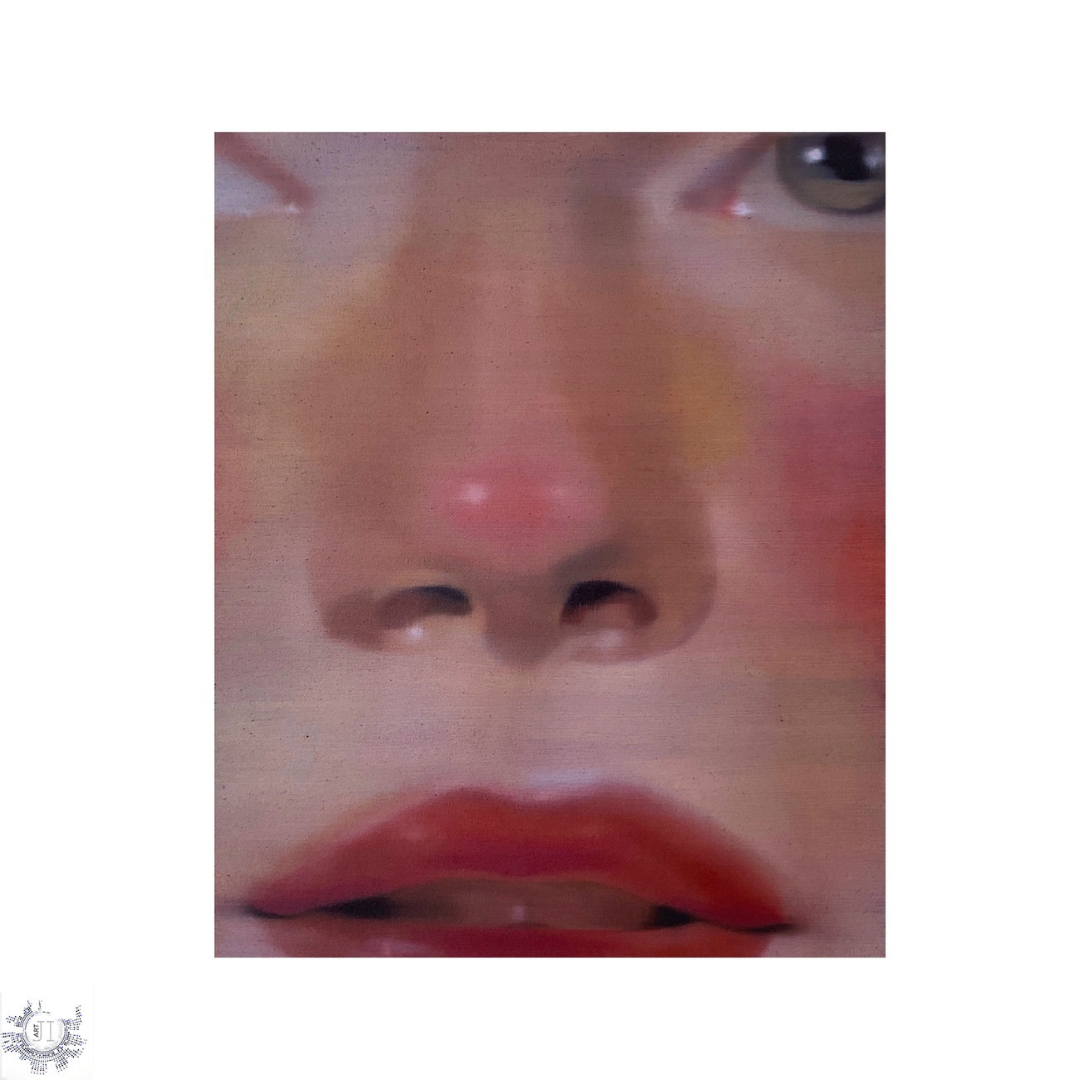
My obsession with memory, time and ways to reflect on that in my work comes from this bittersweet realization that every moment we get in life is only there once, and memory is only an echo of that moment which equally shifts and fades. I find that quite heartbreaking and painting helps me to deal with it.
Johanna Bath
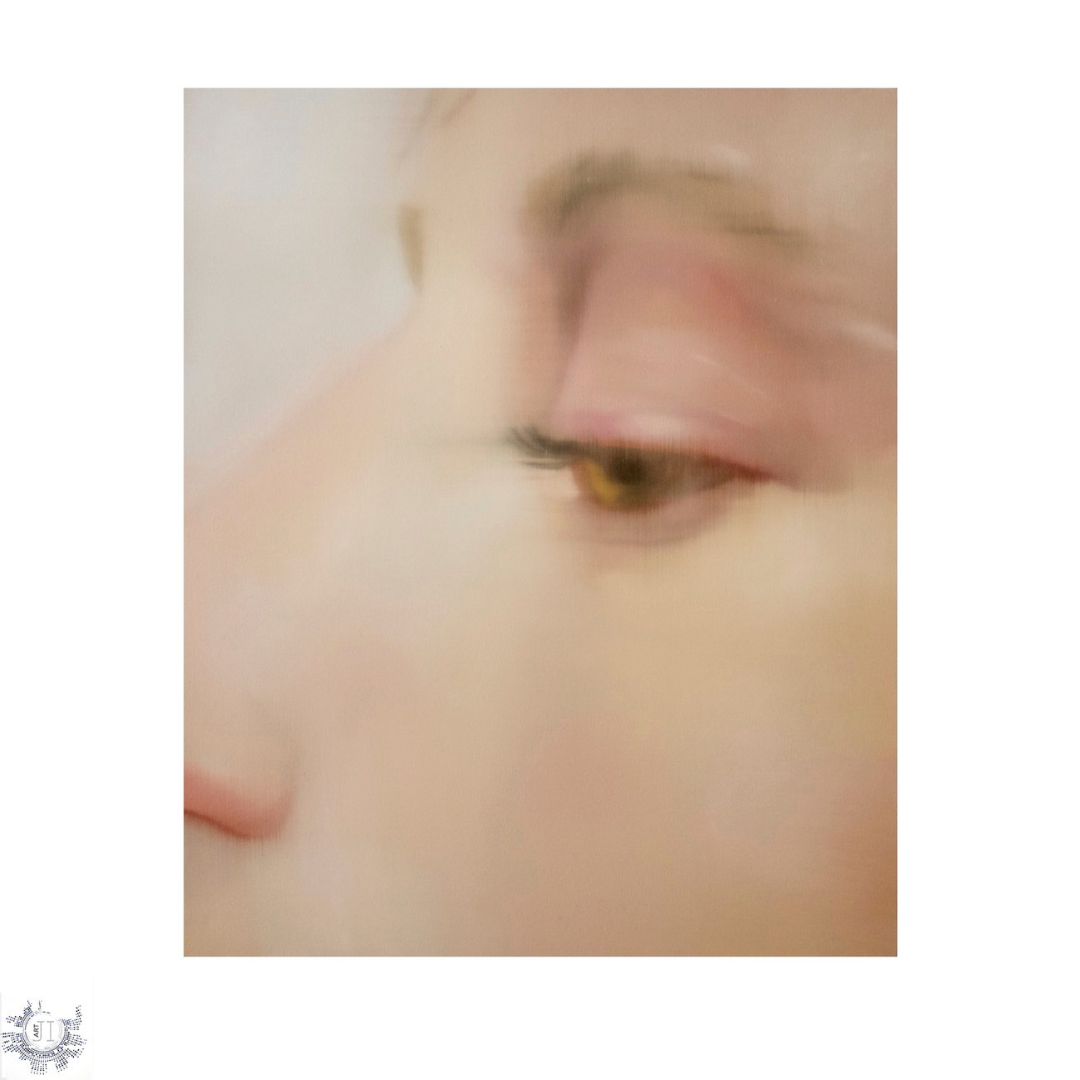
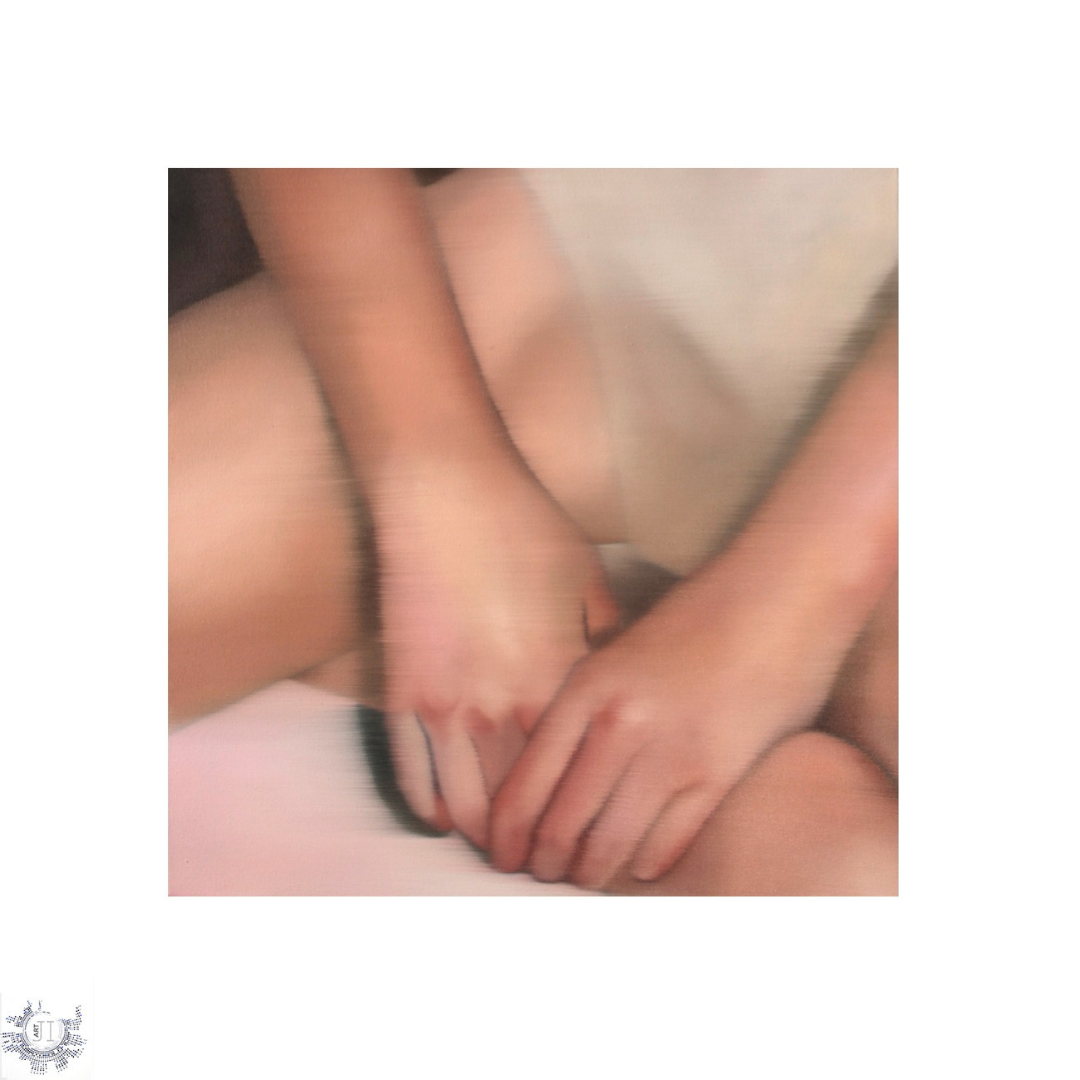
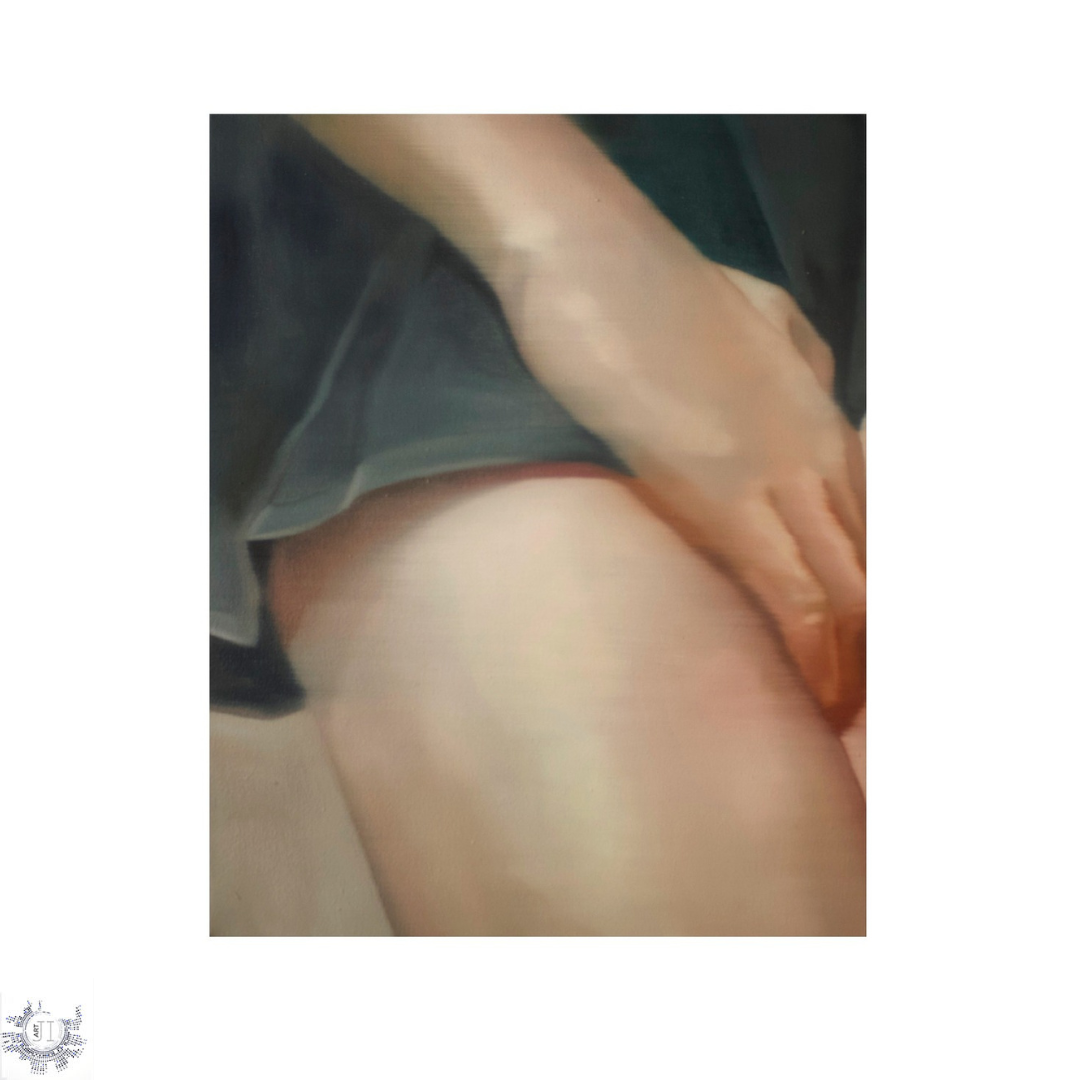
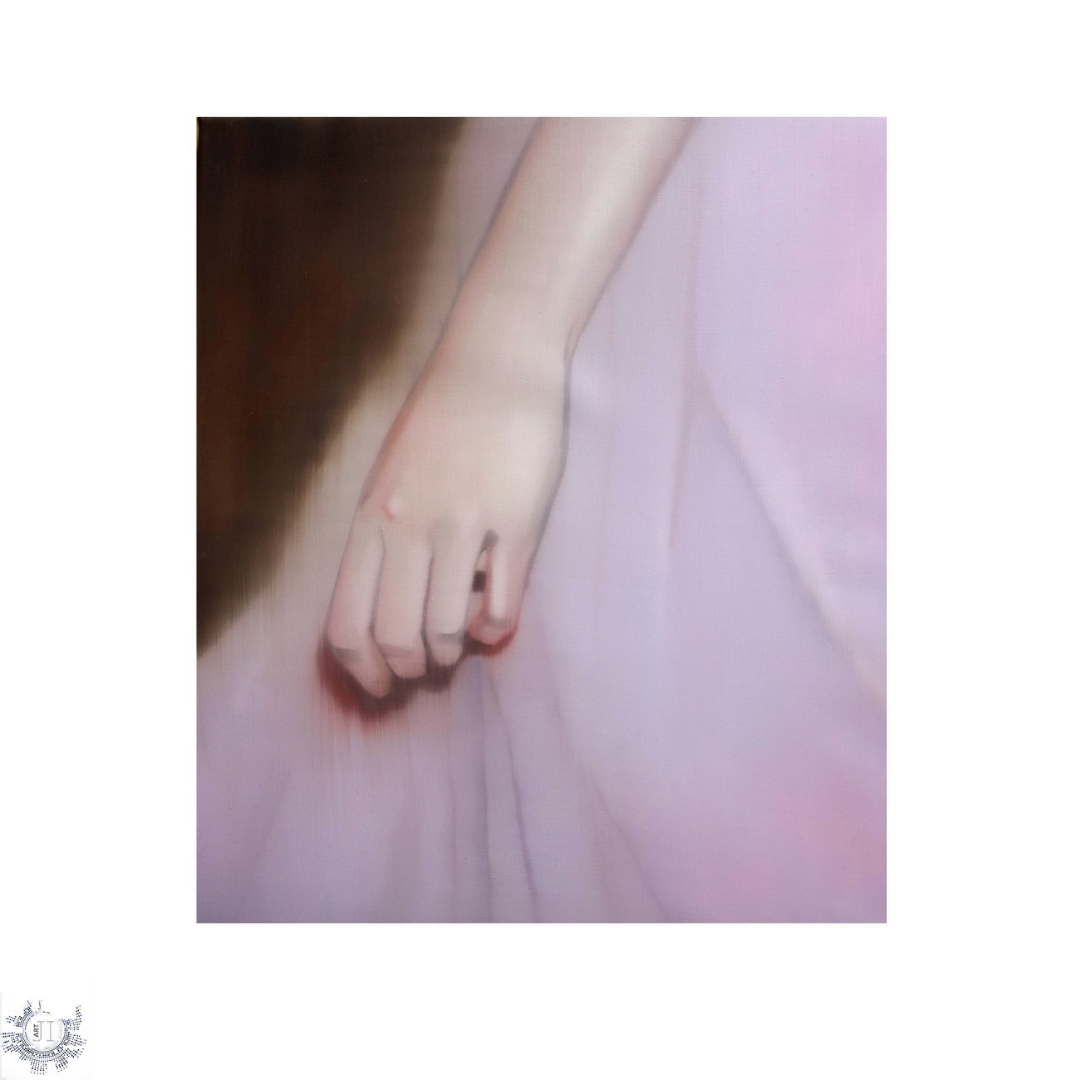
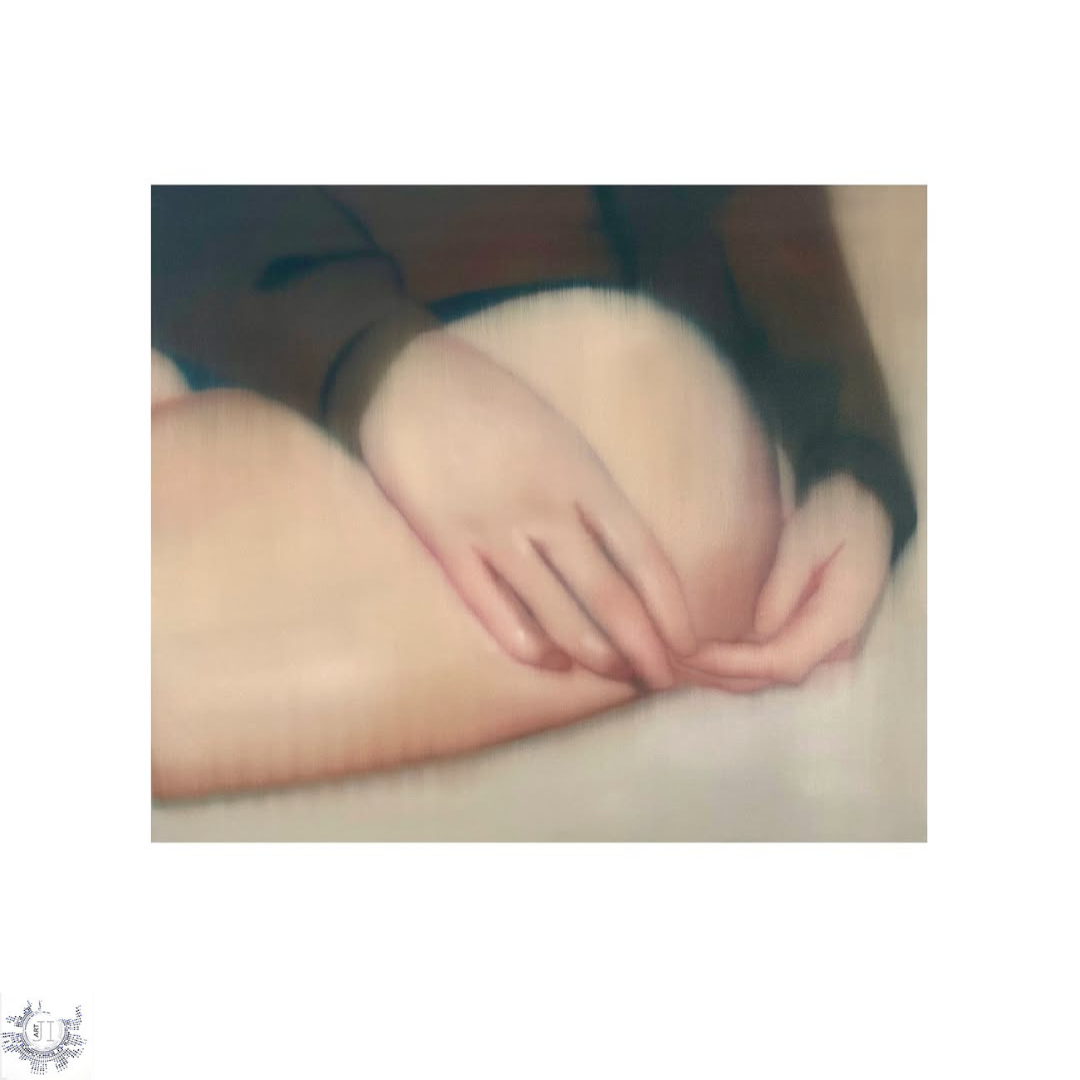
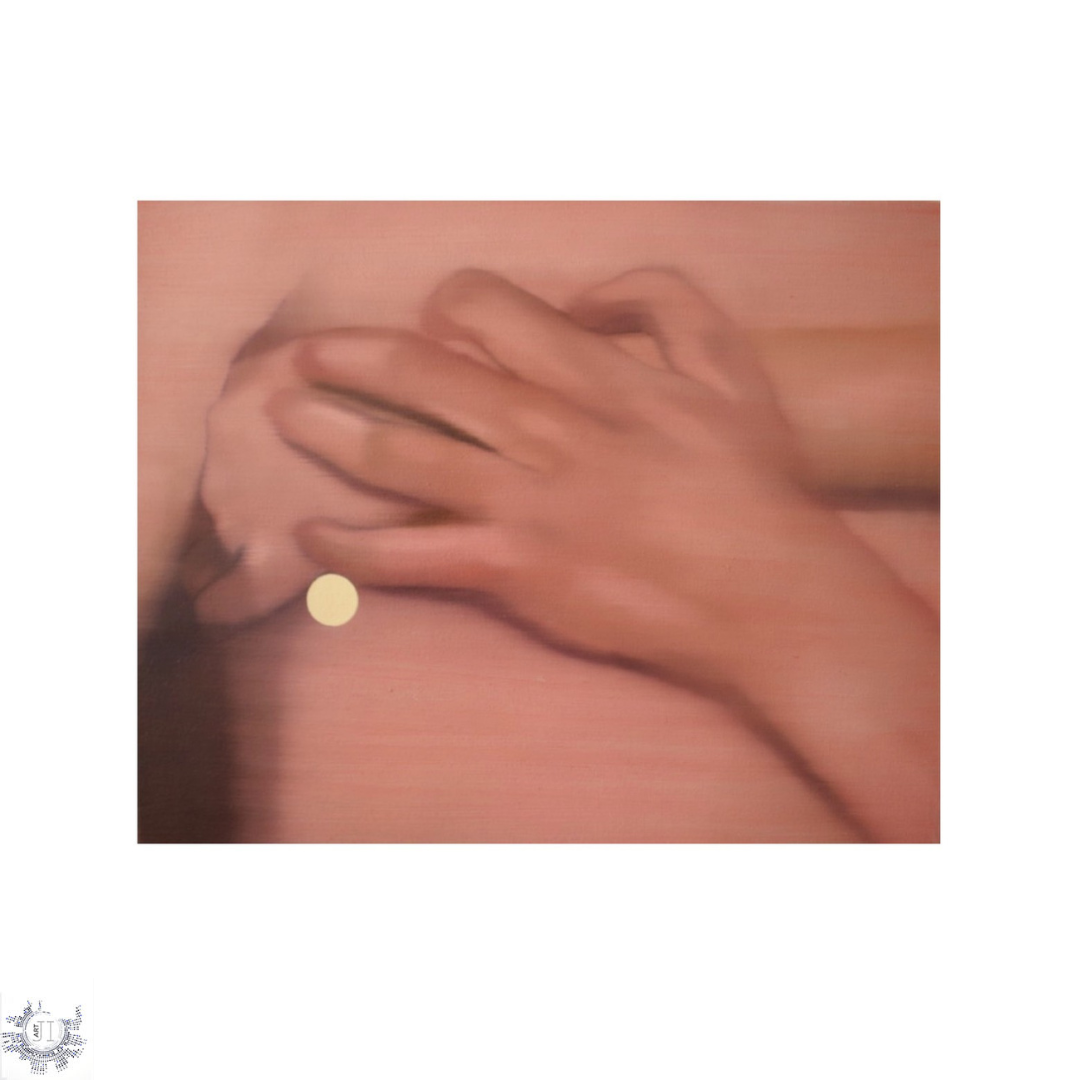
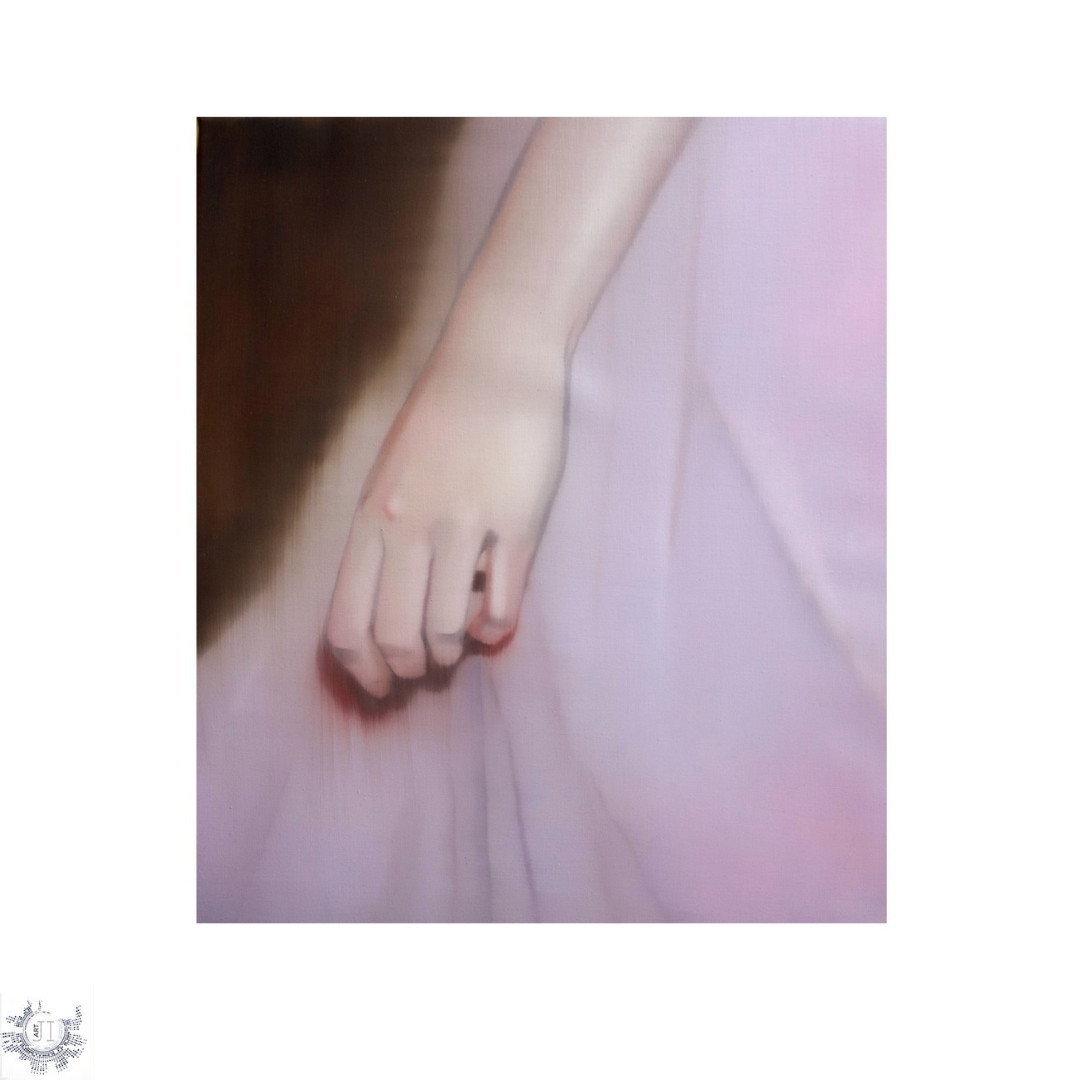
Her paintings are close and personal: blurred figures, cropped hands, flowers, fragments of everyday life, feeling both familiar and just out of reach.
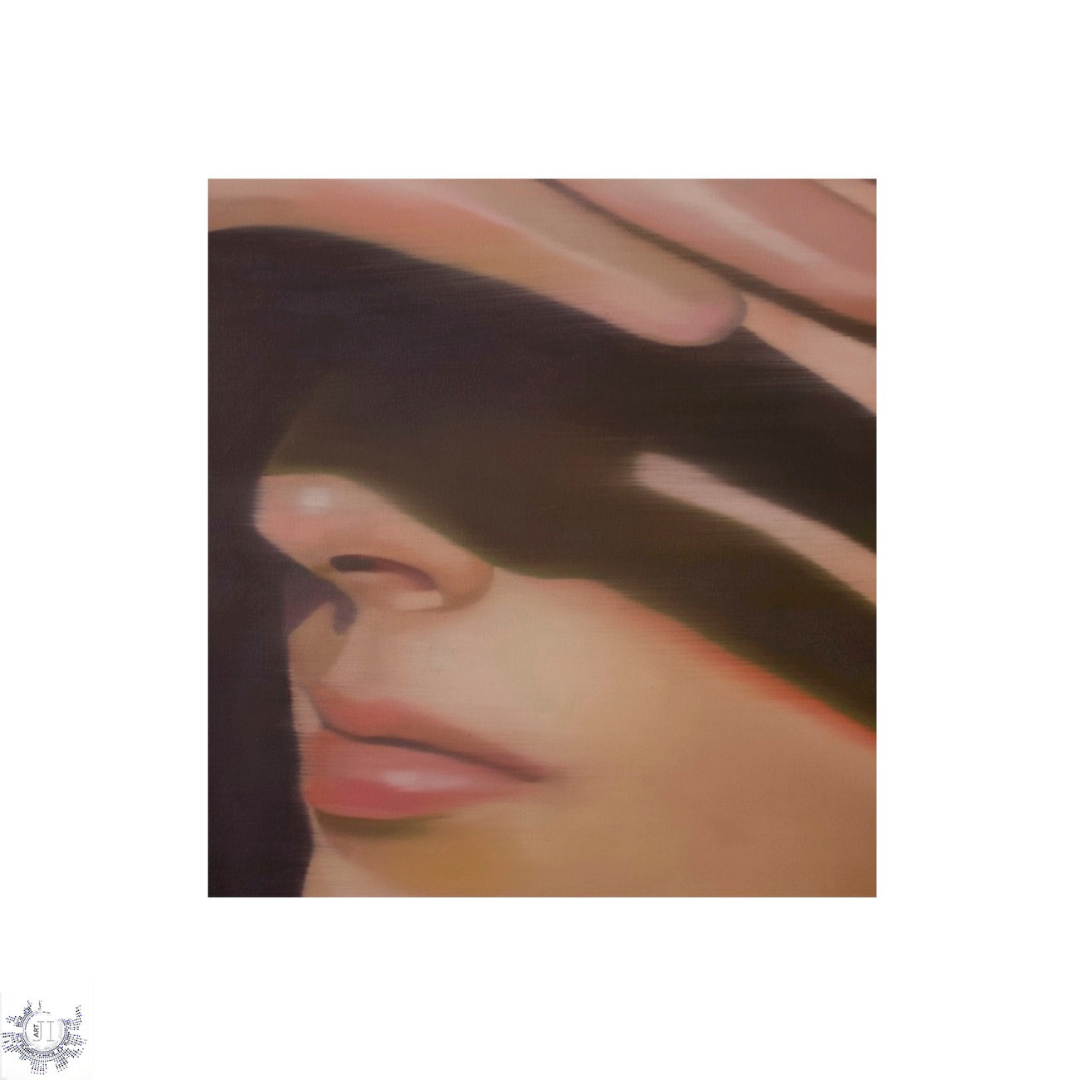
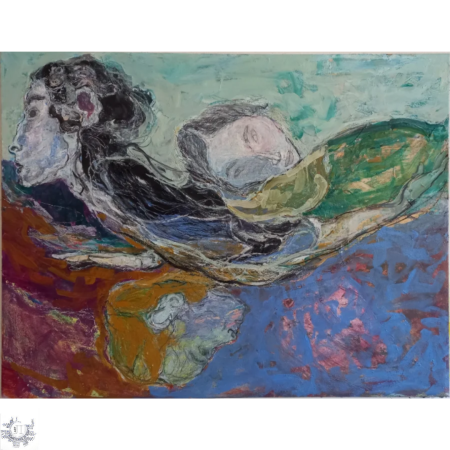
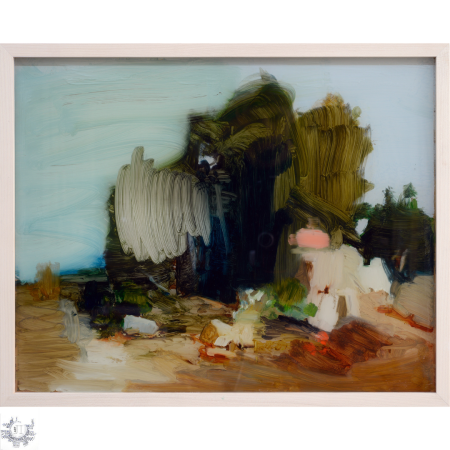
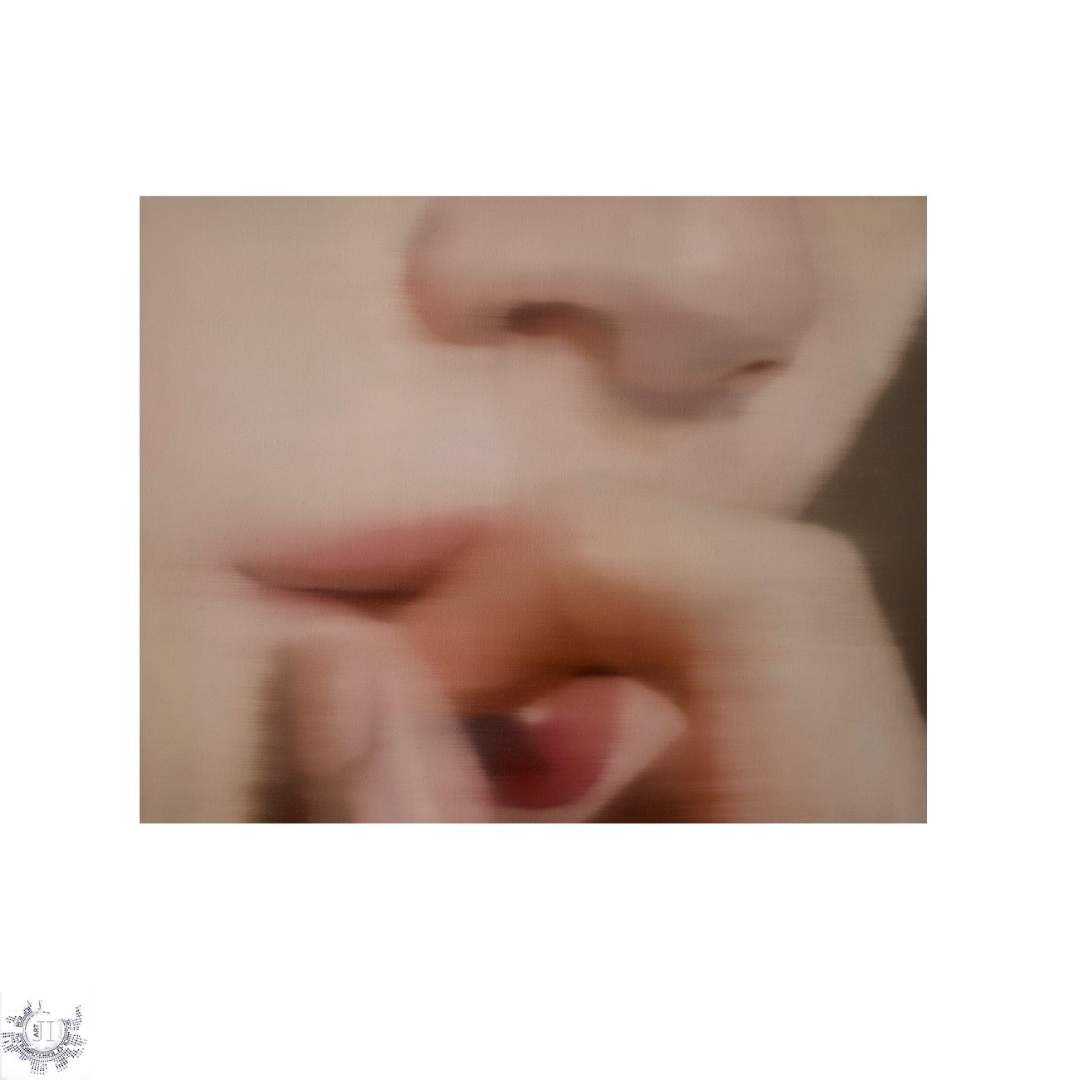
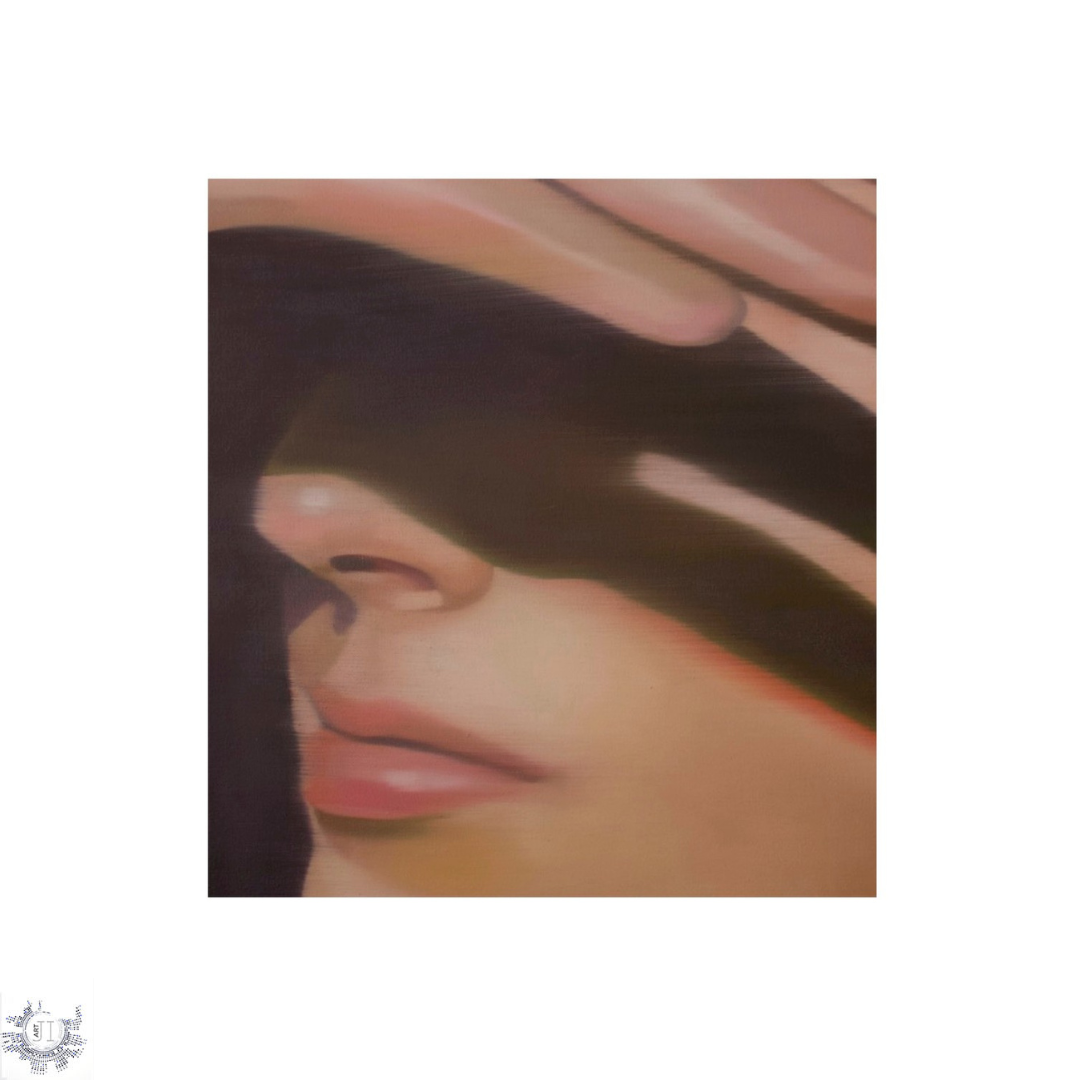
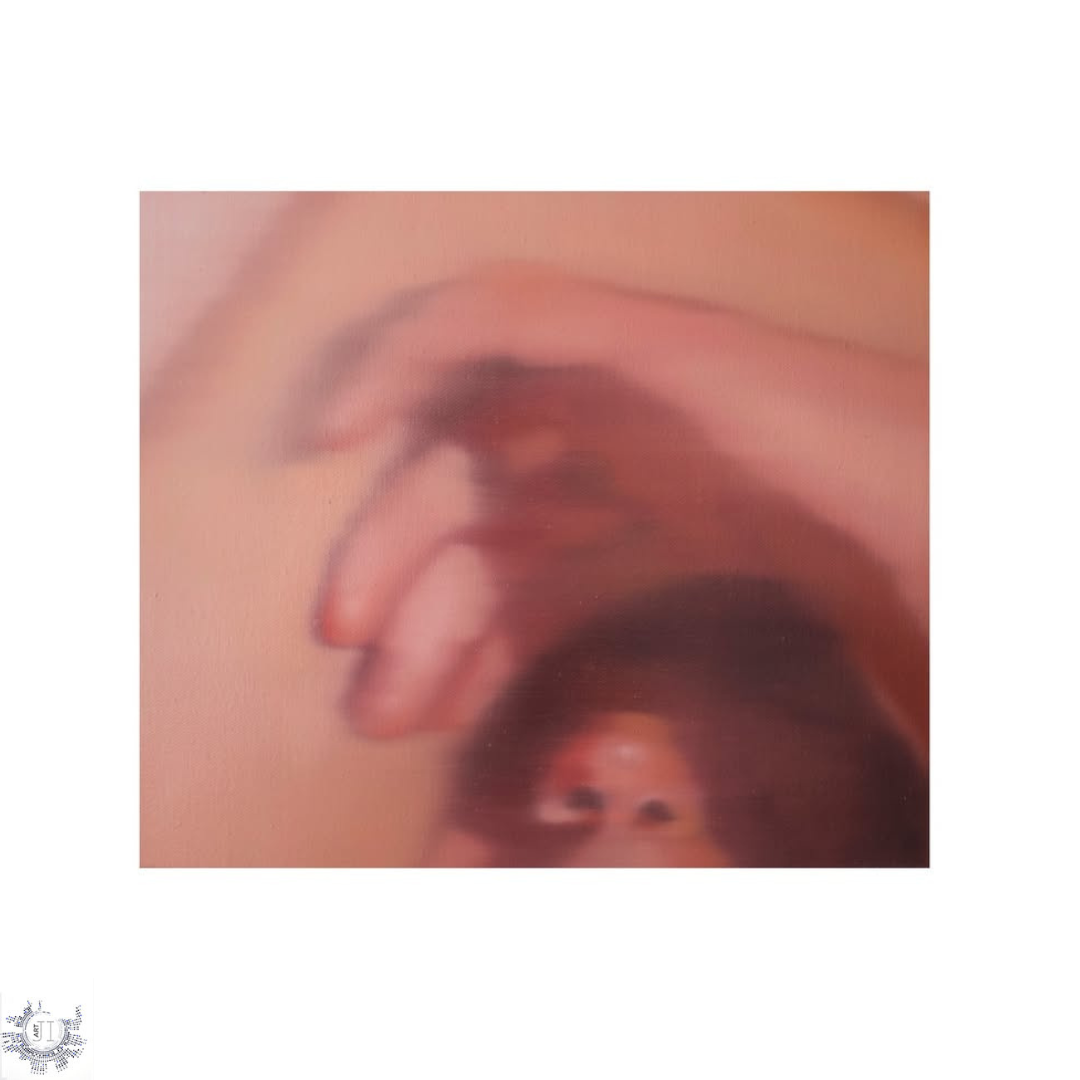
Johanna Bath paints instinctively, building each composition on roughly primed canvases marked with gesso, stains, and traces of earlier gesture, allowing chance, distortion, and blurring to enter the work, reflecting her fascination with memory: how moments fade, shift, and fragment, and how the act of painting can preserve the ephemeral. From small, intimate studies of lips, to larger, collage-like compositions, her work builds the seductive tension between presence and absence.
At the heart of Johanna Bath’s practice is a paradox: while she wrestles with the melancholy of lost time, her paintings radiate tenderness and energy, offering spaces to remember and to feel.
Read on for our full conversation with Johanna Bath: to enter her studio and her mind, where time, loss, intimacy, and seduction take shape in hauntingly beautiful paintings.
That was the moment I knew how to proceed my practice: to just follow my instinct, putting the focus on things that excited me instead of trying to analyze beforehand. I have done it like that ever since.
Johanna Bath
The JI: Your work repeatedly returns to the idea of time: its passing, its loss, its emotional weight. Do you remember when this became a conscious focus in your practice, or did it emerge gradually through painting?
Johanna Bath: When starting out developing a body of work or a signature style years ago, I felt a creative block and had no direction whatsoever. The last thing I wanted was making work that felt pretentious, forced or shallow or "on a specific topic". As I had studied illustration design, I definitely wanted to move away from a routine where there is a lot of consciousness, precision and rationality involved. So I just painted whatever felt right and did the analysis much later.
I had a small solo show in 2016 which I consider a turning point: Once I saw the work all together, it hit me that the show was a deep reflection on my personal life and its aspects which I did not consider consciously: I was in an unhappy place in life at the time, ready to get out but didn’t have the courage to yet. And almost every painting in the show revealed that. That was the moment I knew how to proceed my practice: to just follow my instinct, putting the focus on things that excited me instead of trying to analyze beforehand. I have done it like that ever since.
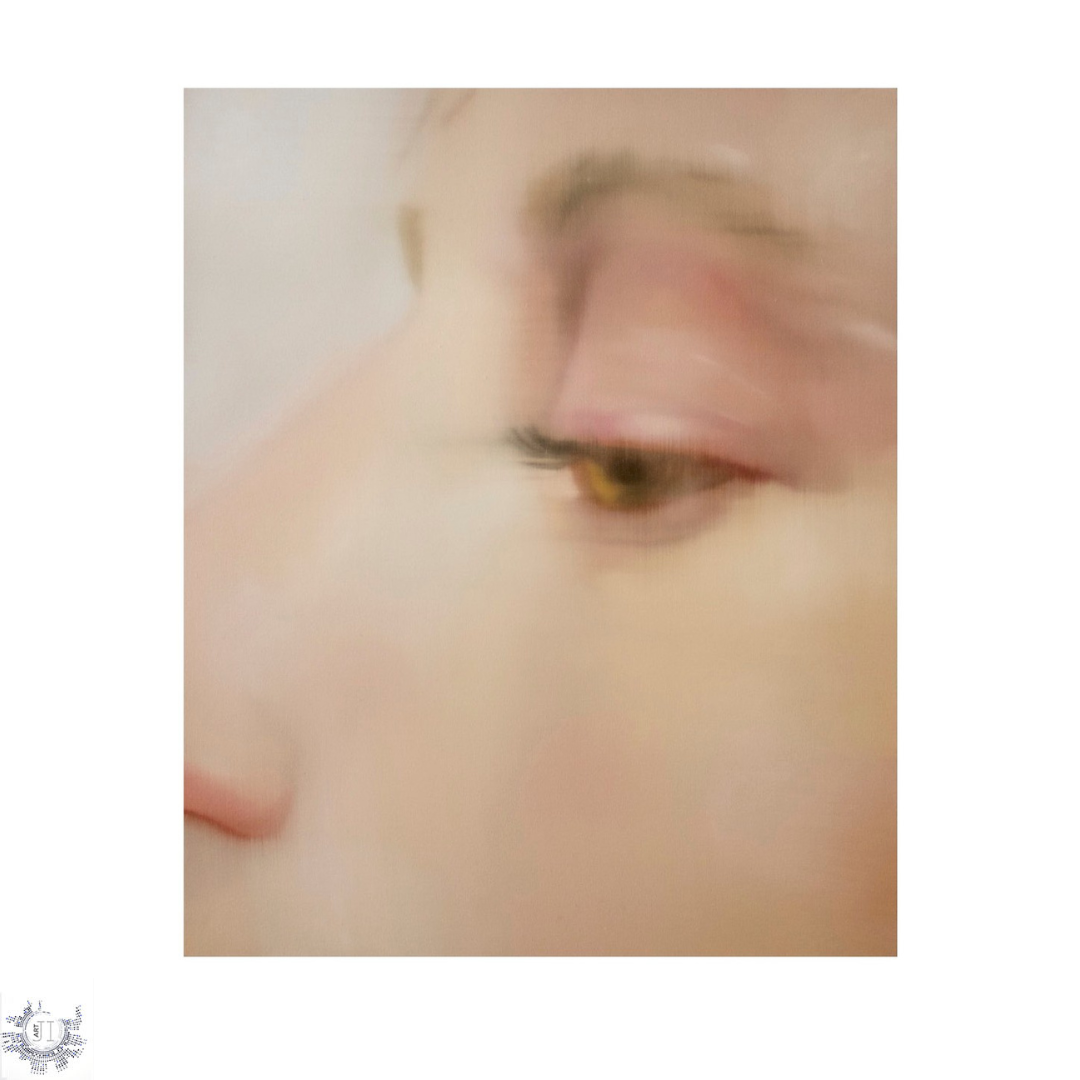
A neatly primed canvas would scare me and, in my opinion, takes away the playfulness that I want to keep in the work.
Johanna Bath
The JI: You often describe painting as a way of giving a visible form to an invisible concept. When you begin a new work, are you thinking more about a specific memory, a feeling, a formal problem – or do these layers unfold simultaneously?
Johanna: I believe it happens along the way, аnd ultimately marks the distinction between a good and a bad painting.
I could paint something technically well but if there is no magic, it is just a pretty painting. There needs to be this aura about the piece, and catching it is still quite a mystery. Thinking too much never helped.
The more carefree I approach the work, the better. That’s why I prime my canvases roughly. The sides are mostly messy, with visible signs of gesso, acrylic primer and stains. A neatly primed canvas would scare me and, in my opinion, takes away the playfulness that I want to keep in the work.
The JI: Memory plays a central role in your work, particularly the way it fades, blurs, or fragments. Do you see painting as an attempt to preserve moments, or more as a way of accepting their inevitable disappearance?
Johanna: Firstly, I think painting in itself is a preservation of time. That’s why I love it so much. And secondly, my obsession with memory, time and ways to reflect on that in my work comes from this bittersweet realization that every moment we get in life is only there once, and memory is only an echo of that moment which equally shifts and fades. I find that quite heartbreaking and painting helps me to deal with it.
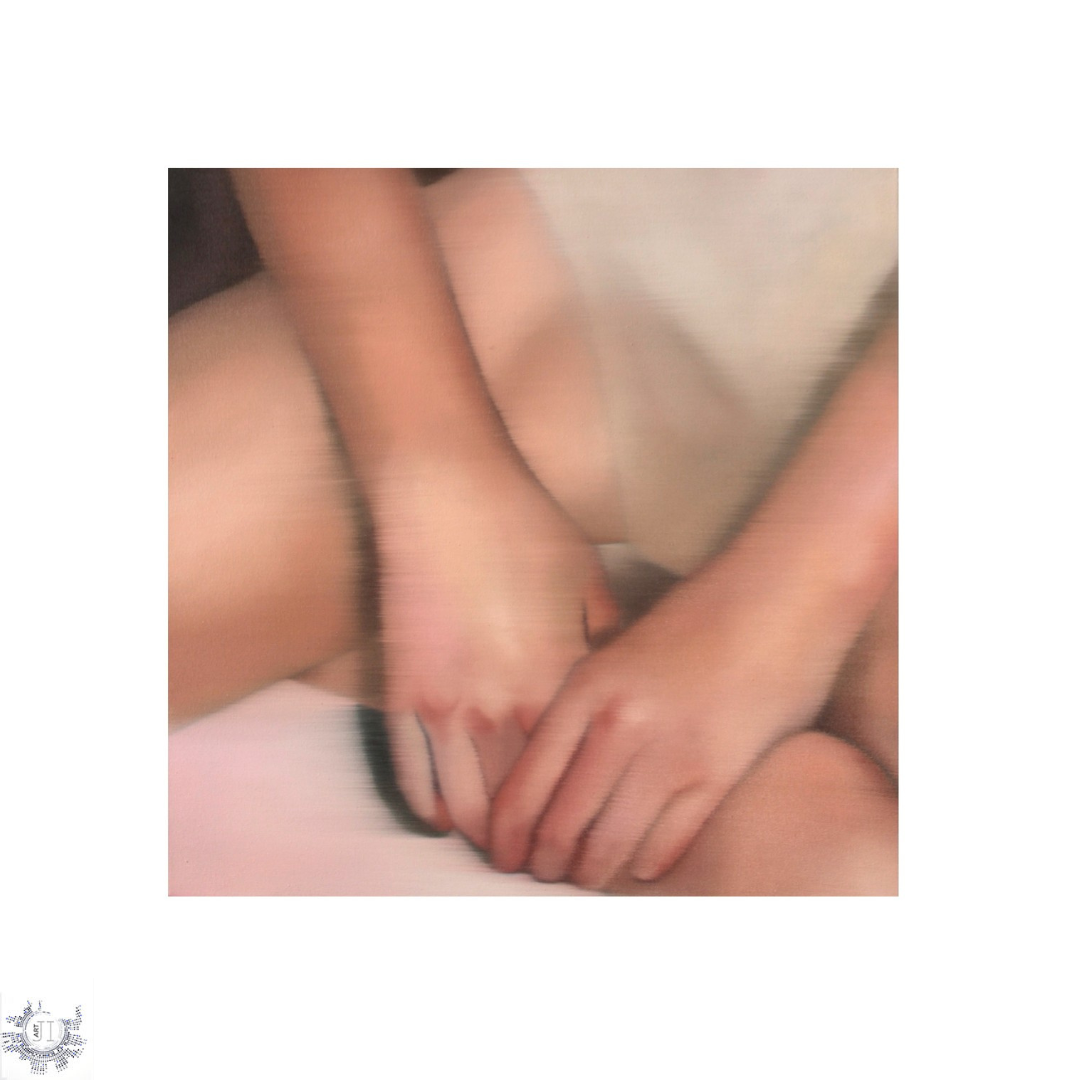
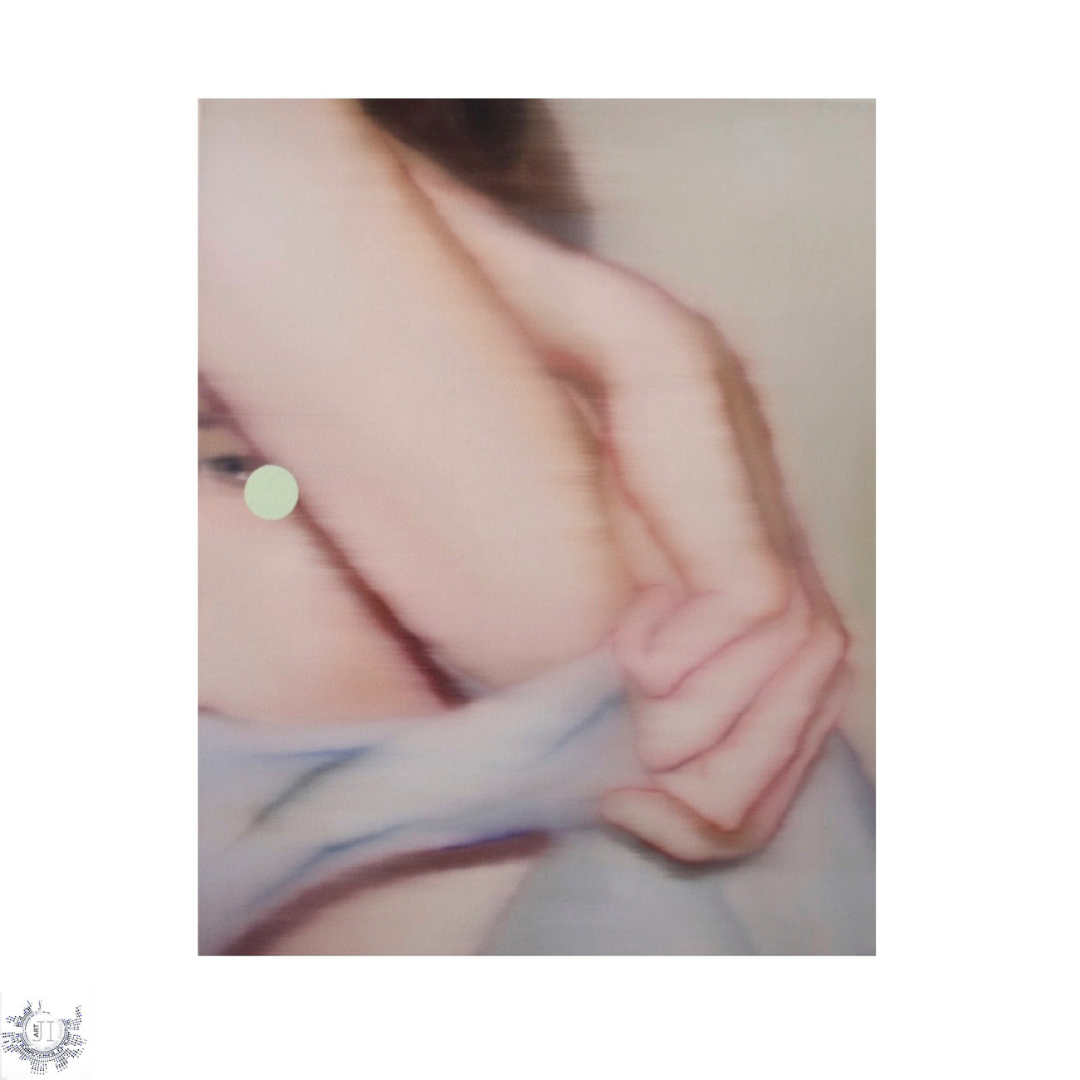
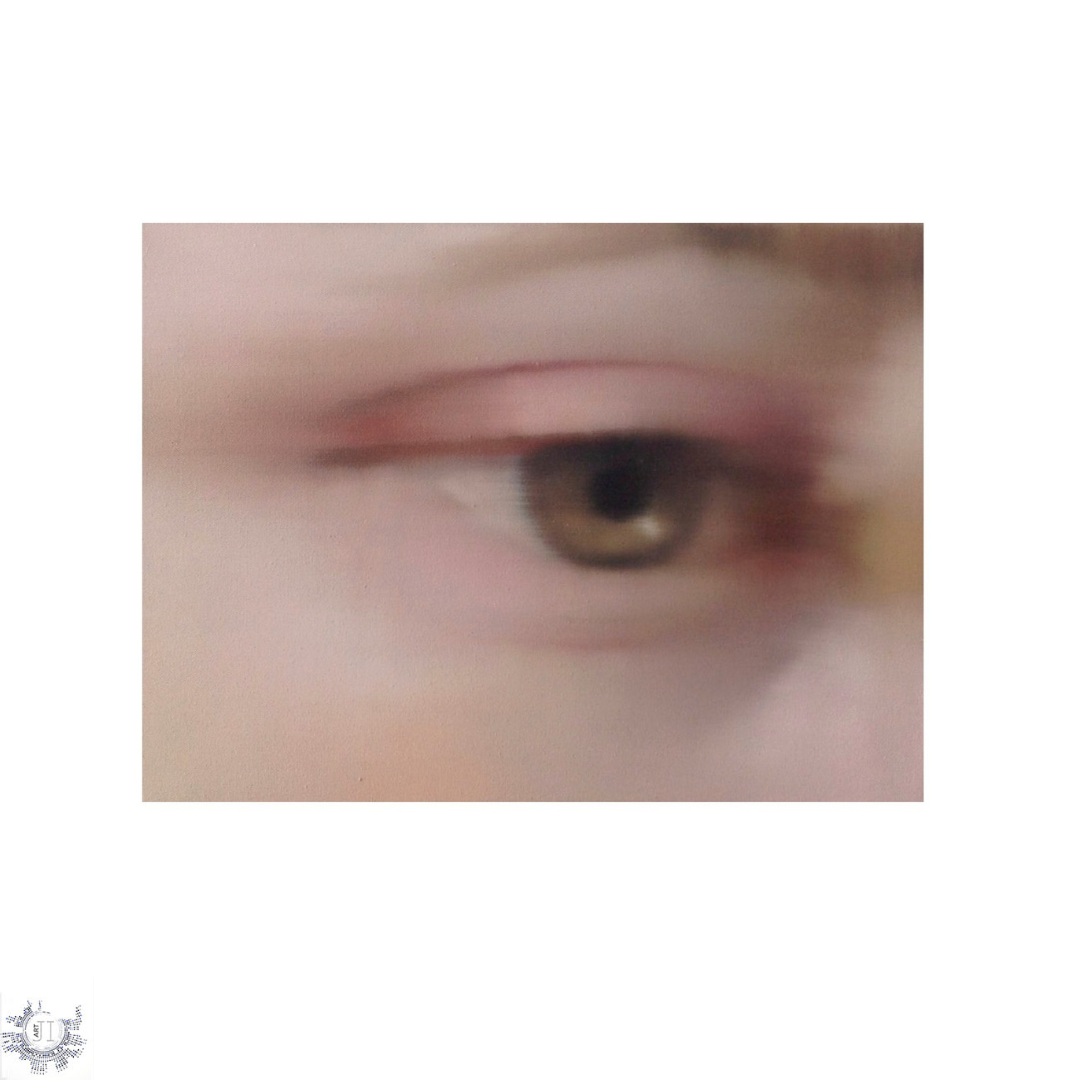
The zoomed-in details and blurred quality are aspects that illustrate the melancholy so well: I have a bad memory to begin with, and whenever I am going back in my mind to recall a memory very dear to me, I never really can. It remains fragmented, hazy. The image is always on the edge between dream and reality.
Johanna Bath
The JI: Your motifs – hands, plants, fabric, blurred figures – are intimate, but at the same time they are often anonymous. What draws you to these fragments of everyday life?
Johanna: The zoomed-in details and blurred quality are aspects that illustrate the melancholy so well: I have a bad memory to begin with, and whenever I am going back in my mind to recall a memory very dear to me, I never really can. It remains fragmented, hazy. The image is always on the edge between dream and reality.
My inability drives me mad sometimes, making the present moment even more precious. And by drastically cropping the image, I want to make sure I am concentrating on the mood, the vibe, the feeling that comes with the work rather than depicting something specific. The motifs are mainly vehicles to trigger emotions, and it is not so much about the hands, plants or figures itself.
All work should be easily accessible for the viewer and it is more likely when the imagery has a certain universal validity.
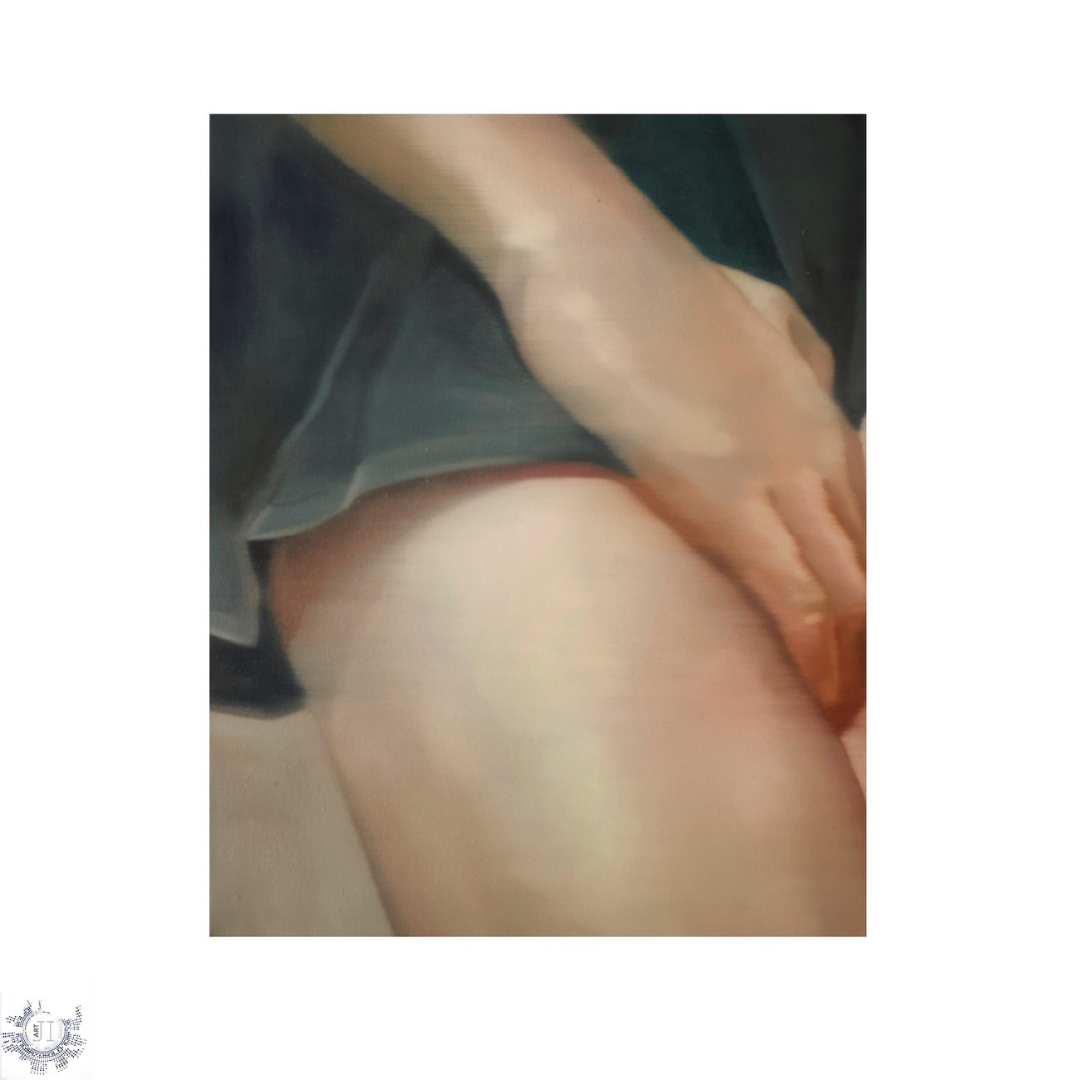
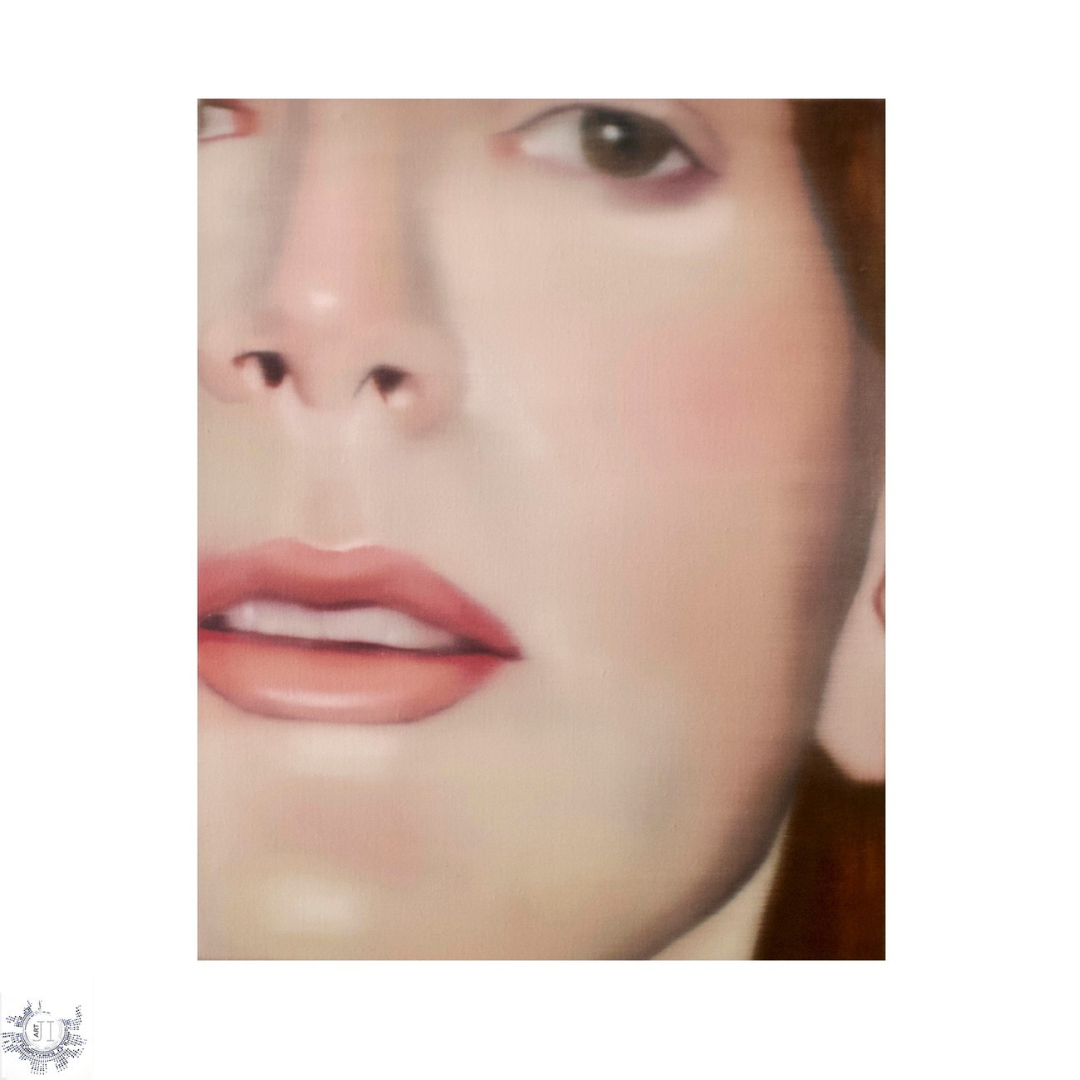
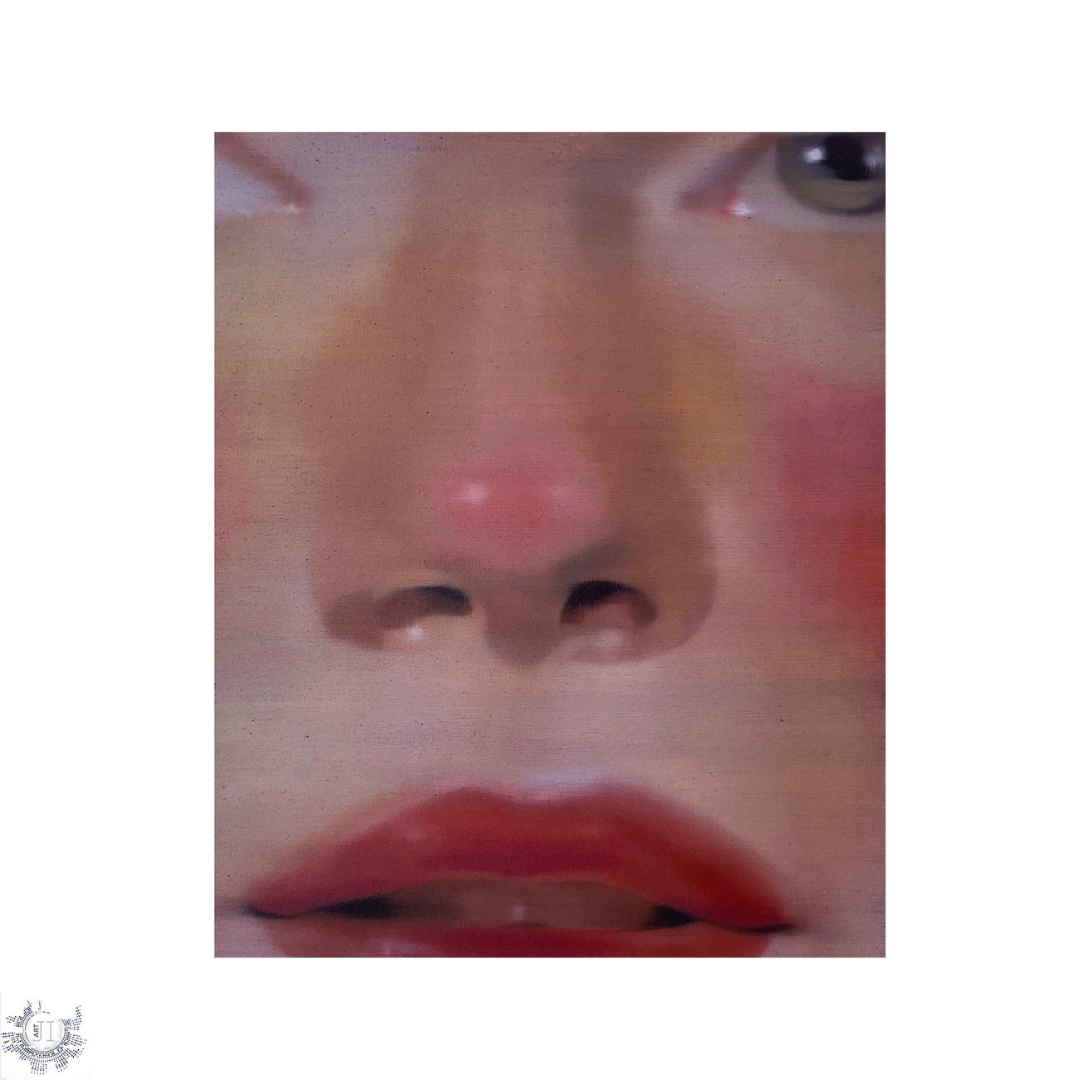
I have done a lot of lip paintings, large ones and small ones. The large ones are much more aggressive, imposing themselves on the viewer, while the small ones keep the intimacy. I think they work better because the small-scale lips, even though exaggerated, replicate the small spot a lip would touch and, therefore, highlight the experience.
Johanna Bath
The JI: You move fluidly between large, collage-like compositions and smaller, more focused works. How does scale influence the way you think about intimacy, attention, and the viewer’s relationship to the painting?
Johanna: The size of the work has been rather small out of necessity (at least so far). I paint with oil paints straight from the tube, no oils or detergent mixed in. I need and enjoy the emollience of the paint when it comes to the step where I blur and soften the painting. But this technique predefines my time frame as the work needs to be done in one sitting.
I tried covering the work up to extend my time, using thinners and oils, but nothing really gives the same results that I want to see.
In addition, the small scale of the work corresponds to the intimacy the work radiates, inviting the viewer to come closer. I like to seek the attention rather quietly, not necessarily by large scale just for the sake of showing "a large-scale work". Also, the vibe completely changes with scale: I have done a lot of lip paintings, for example, large ones and small ones. The large ones are much more aggressive, imposing themselves on the viewer, while the small ones keep the intimacy. I think they work better because the small-scale lips, even though exaggerated, replicate the small spot a lip would touch and, therefore, highlight the experience.
Possibilities are high that I will ruin the painting so it is a great exercise in letting go.
Johanna Bath
The JI: Your process often begins with free, abstract gestures before more figurative elements emerge. What does this initial loss of control allow you to access that a more planned approach might not?
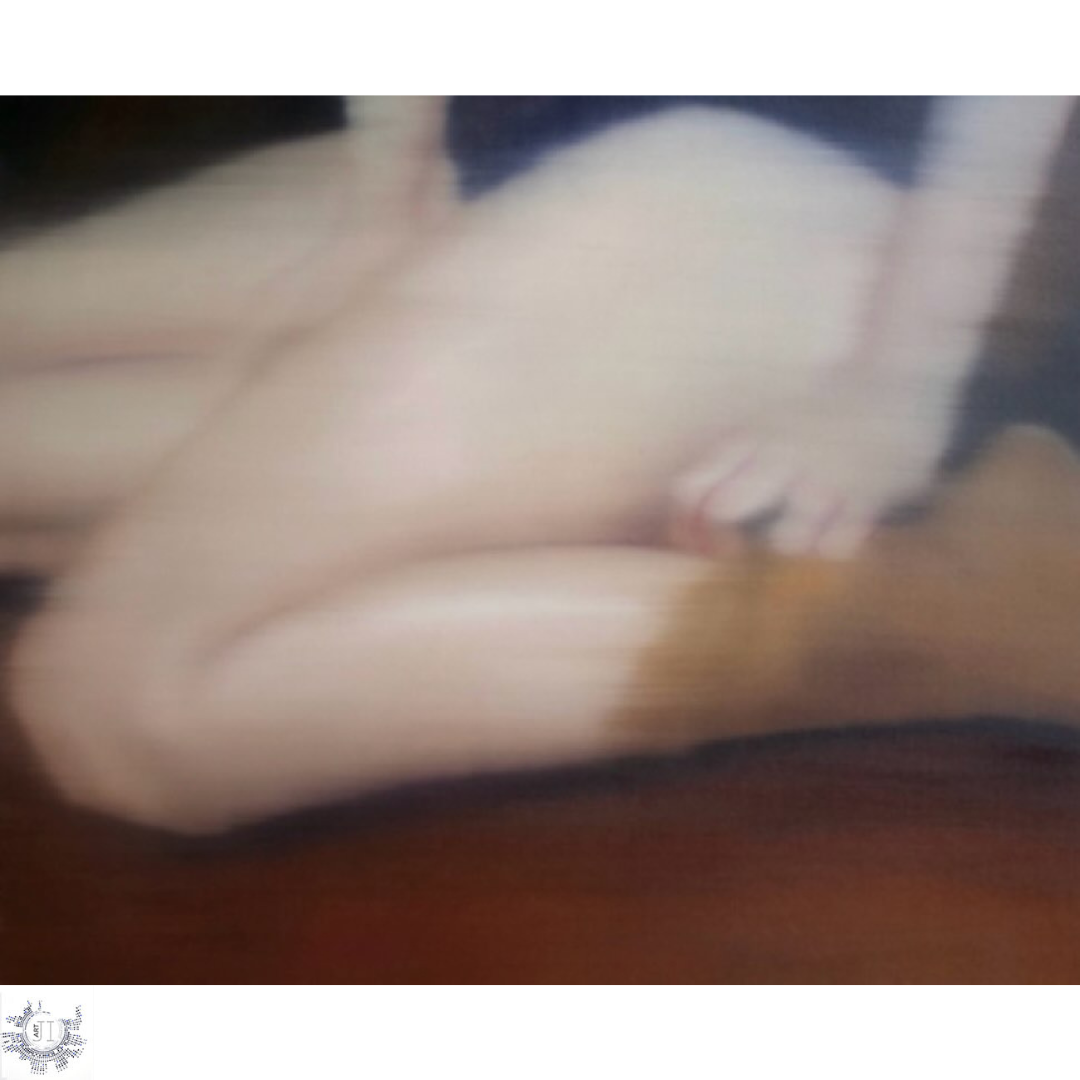
Johanna: I would describe the process differently: I start with a proper painting, translating an image into paint. Once finished, I’ll distort and blur the image with a dry brush. This is the part where coincidence takes over and I have to trust the process.
Possibilities are high that I will ruin the painting so it is a great exercise in letting go.
I like that my practice includes different approaches to painting: a rather skilled, controlled and focused practice, executing a painting, and also a chaotic, unruly and playful side that invites failure and chance.
The JI: A recurring feature in your work is the tension between soft, hazy surfaces and sharp graphic elements: dots, lines, or marks that interrupt the image. What role does this disturbance play within the emotional atmosphere of the painting?
Johanna: The dot, line or even abstract segment of blurred paint has been an element whenever I feel I need to incorporate a certain kind of playfulness to the piece. I also love the variety it brings to the work as your eye constantly switches back and forth between blurred and sharp areas.
To me, the sharp element is a representation of "the now", the present moment, and highlights even more the loss of a moment in your memory that stands in direct contrast to that.
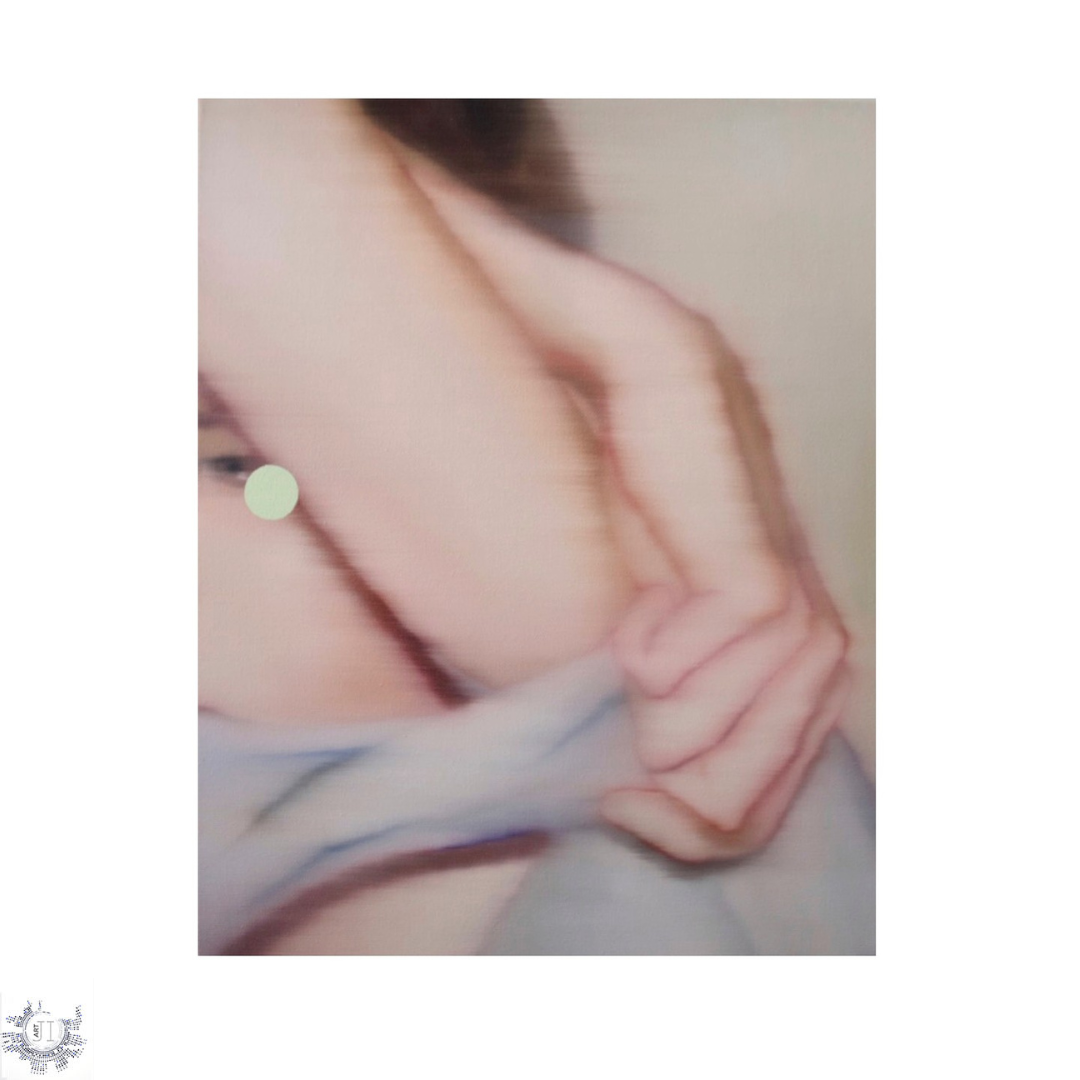
If the piece isn’t able to provide you with a depth that goes beyond paint on a cloth, then it is not working. It stays empty and decorative.
Johanna Bath
The JI: You’ve described moments of painting where consciousness seems to switch off, entering a state of flow. Could you tell more about this loss of self-awareness and its influence on the emotional charge of the finished work?
Johanna: I believe that the moment you enter the work so deeply that everything else in the studio fades away is the sweet spot every artist is aiming for. Even if the work itself won’t make the cut, the spirituality linked to this magical state is the reason I paint.
As said earlier, this is how I make the distinction between a good and a bad painting: if there remains some sort of that magic around the piece, it is a good painting. It is quite hard to grasp, but you need to feel it really, even as the viewer. If the piece isn’t able to provide you with a depth that goes beyond paint on a cloth, then it is not working. It stays empty and decorative.
Beauty cannot exist without decay. Everything we love and experience is precious because it eventually will vanish.
Johanna Bath
The JI: Despite engaging with the themes of loss and melancholy, your paintings retain a sense of tenderness and quiet optimism. How do you balance grief with beauty, and why is it important for you that the work carries positive energy?
Johanna: I think your work is always a deep and personal reflection of who you are; there is no separation if you are doing it genuinely. So keeping the positive energy whilst also indulging in melancholy, nostalgia and even the pain that comes from loss, is just a direct reflection of who I am and what I believe in.
Beauty cannot exist without decay. Everything we love and experience is precious because it eventually will vanish.
My work should be a reminder for keeping the memory alive, keeping it close, cherishing it and sharpening your senses for the next, precious seconds that maybe would pass unnoticed if you let them.
I am currently interested in creating work that would reclaim that space of female seduction with an elegant attitude, highlighting the thrill of connection, allure, the mystery it holds, and the tension it is able to create.
Johanna Bath
The JI: Looking forward, do you feel your exploration of time is something that can ever be resolved – or is the act of circling this theme itself the core of your practice?
Johanna: It seems that I am always coming back to "time" as a field of exploration. But I have noticed that I have started investigating more specific topics linked to that.
I moved further into the depths of exploring memory and nostalgia in relation to intimacy and touch. I am currently interested in creating work that would reclaim that space of female seduction with an elegant attitude, highlighting the thrill of connection, allure, the mystery it holds, and the tension it is able to create.