
DANIEL KARRER: WHAT HAPPENS ON THE OTHER SIDE
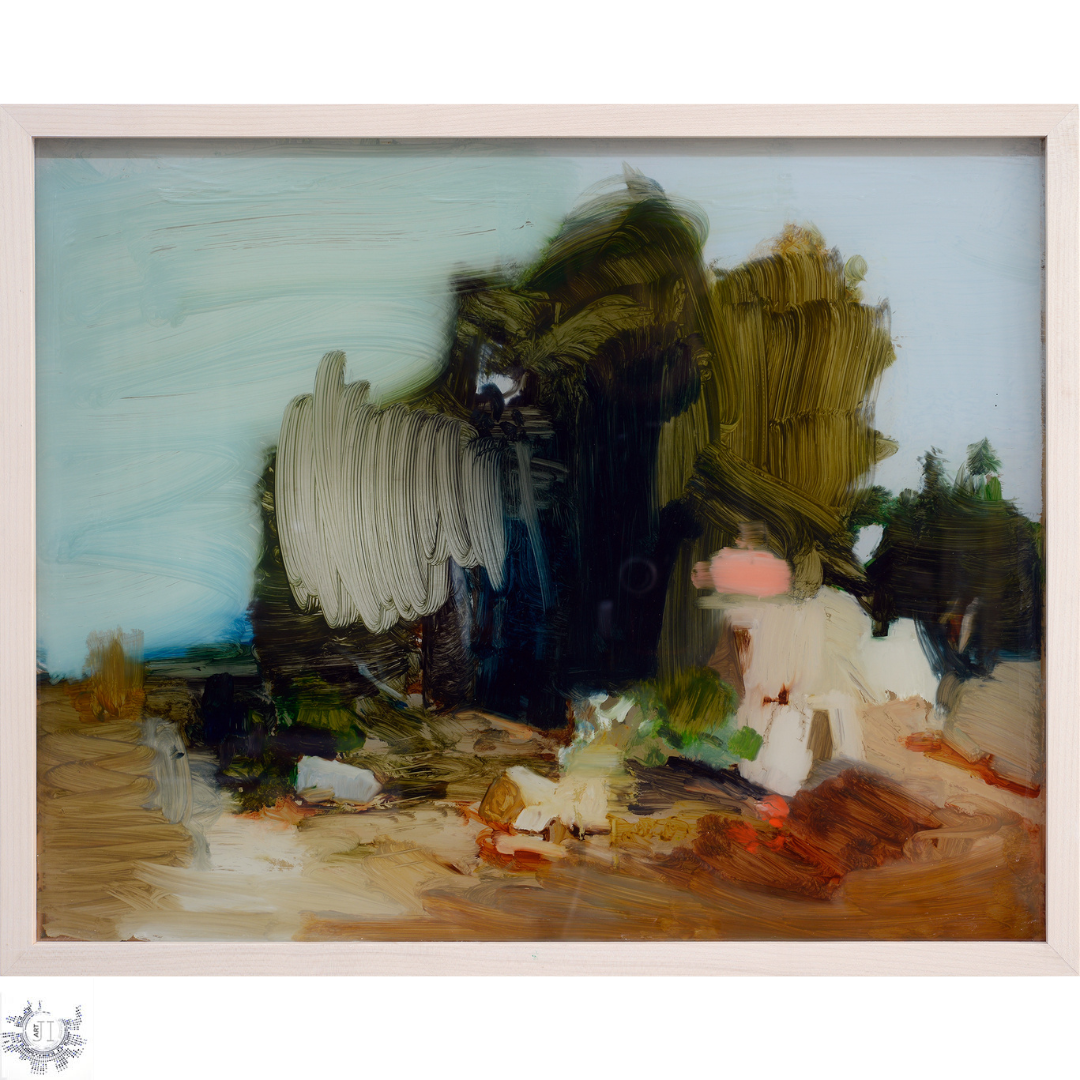
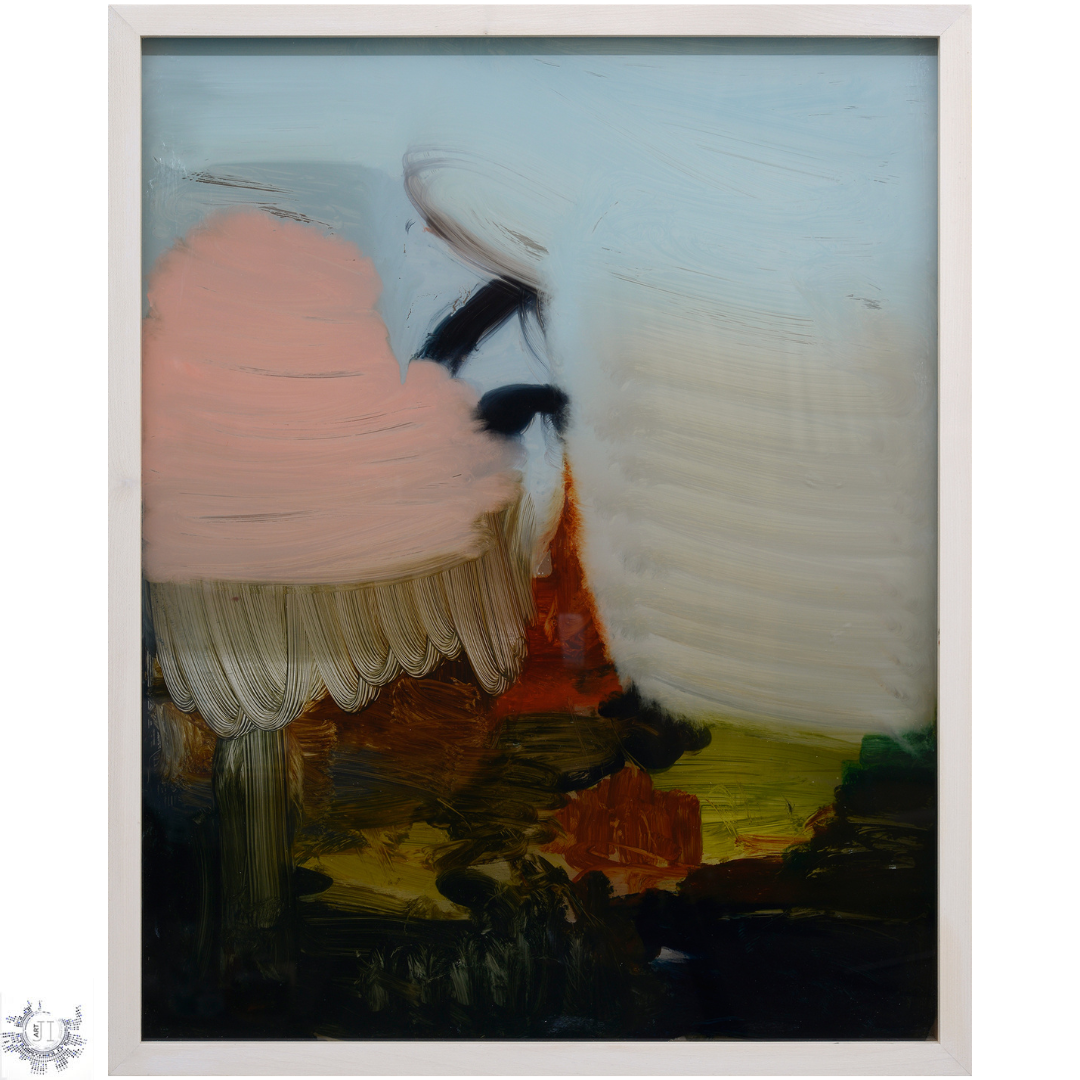
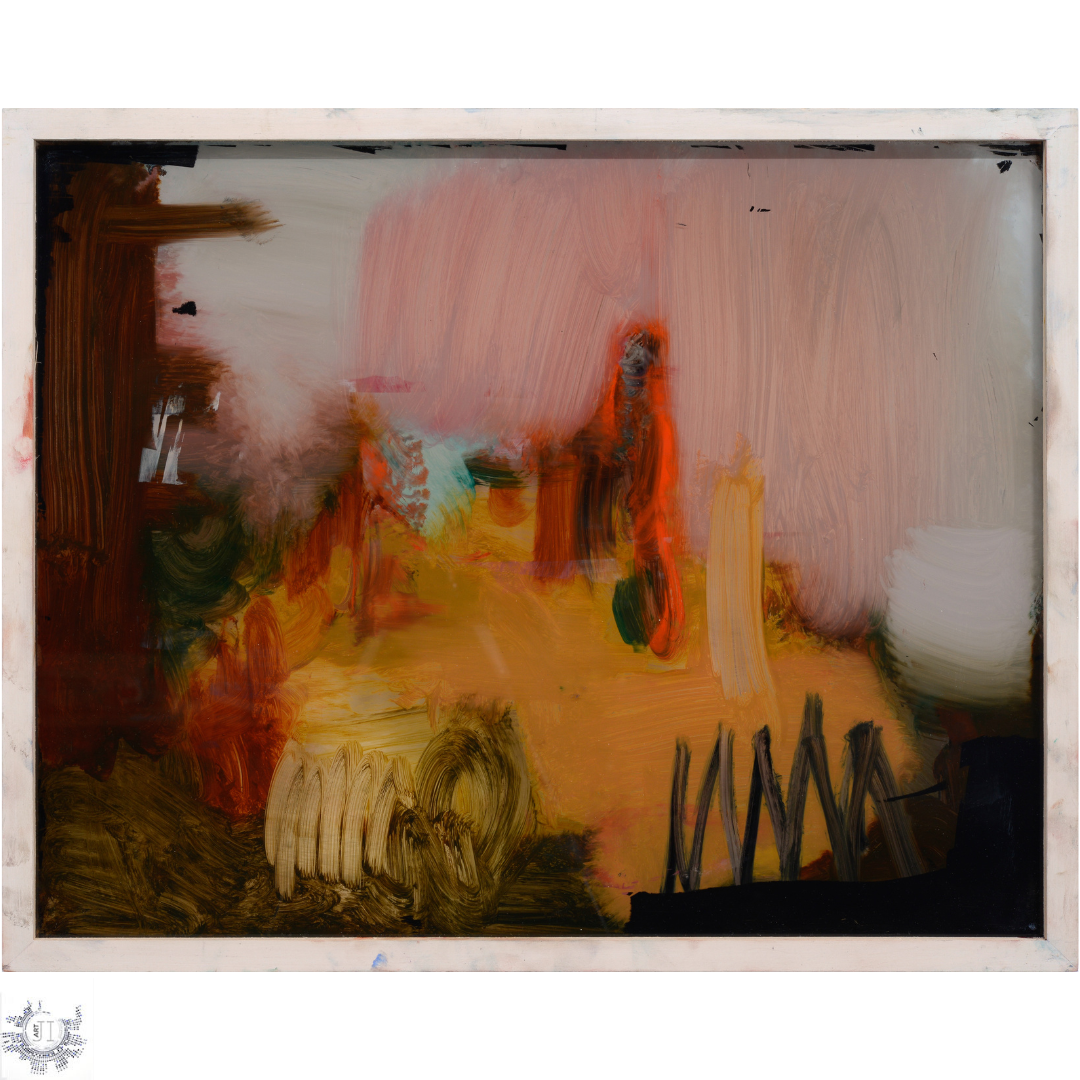
I don't want to make cool digital images. I want the sensuality of painting. Of course, some of this is lost through the glass, but on the other hand, the presence and luminosity of the paint and the brushstrokes are reinforced. It is a sacrifice.
Daniel Karrer
Painting has always negotiated distance: between eye and surface, intention and accident, image and the world that presses in around it.
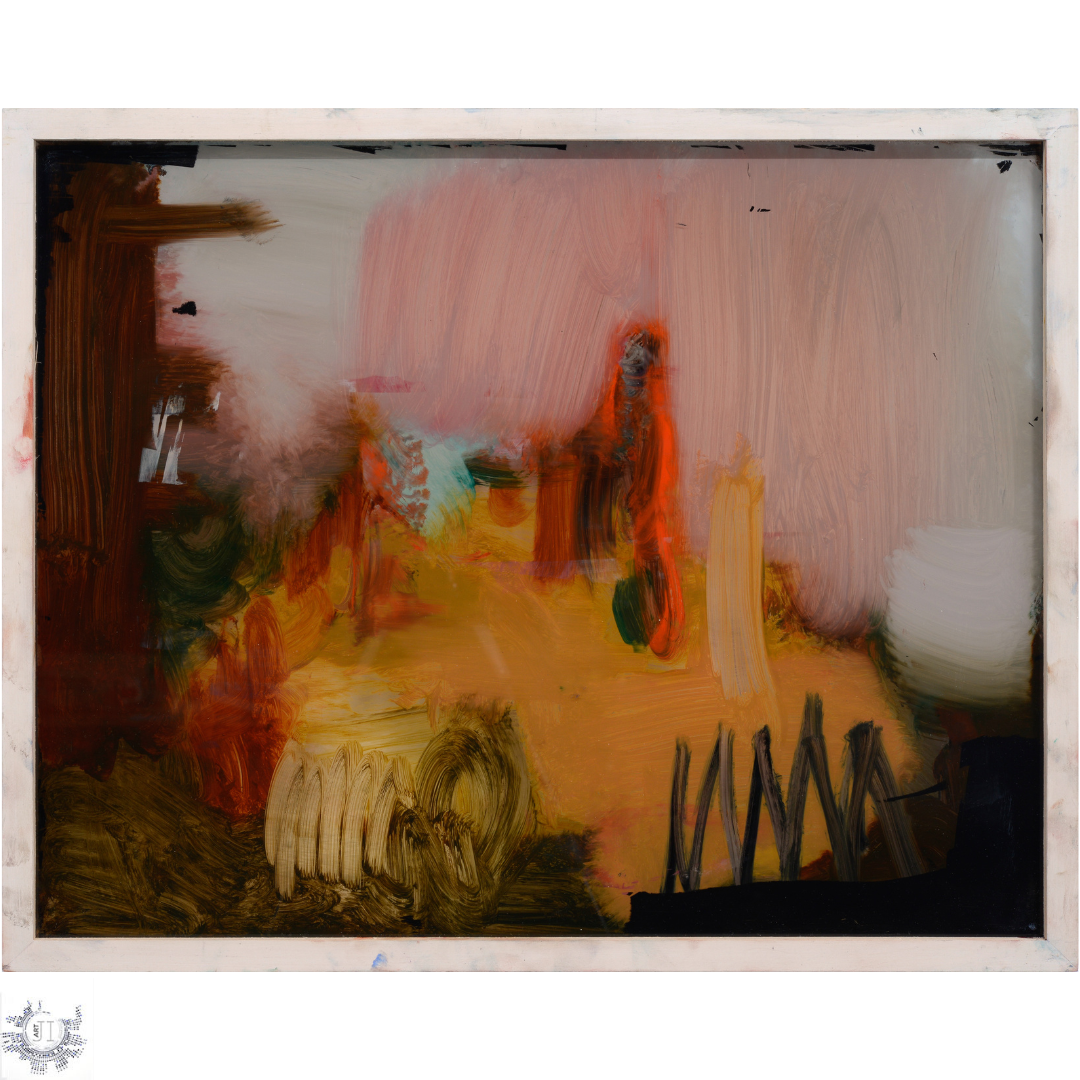
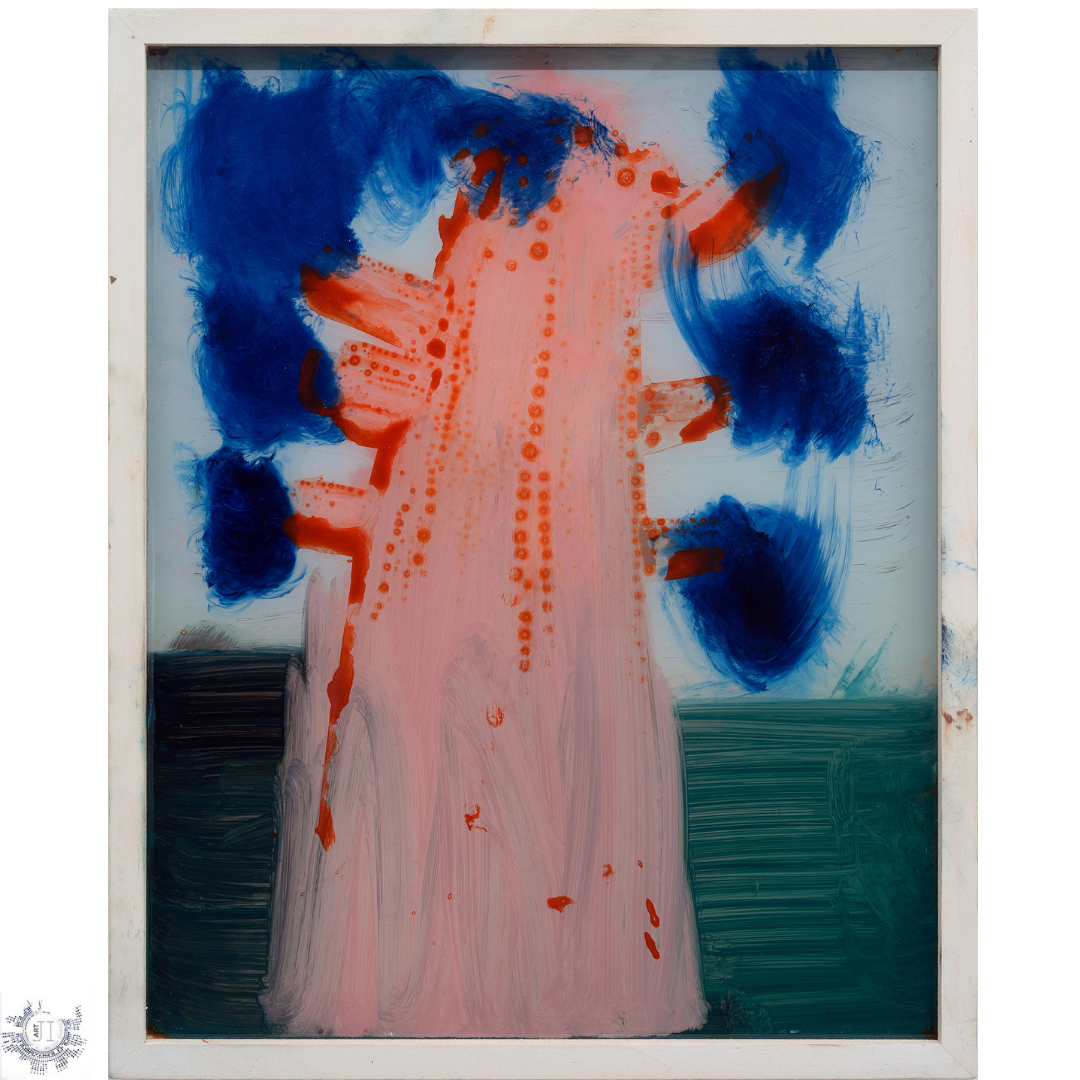
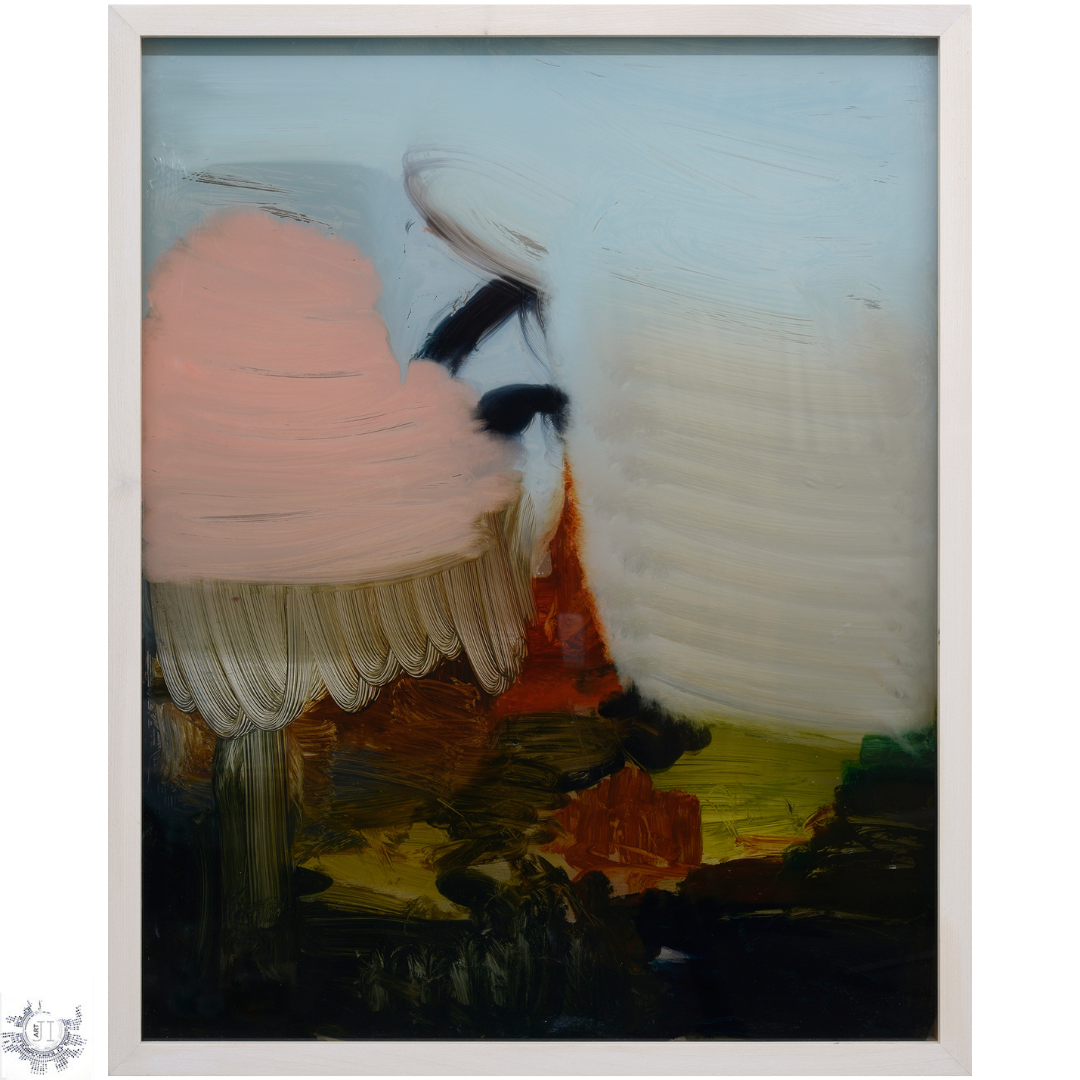
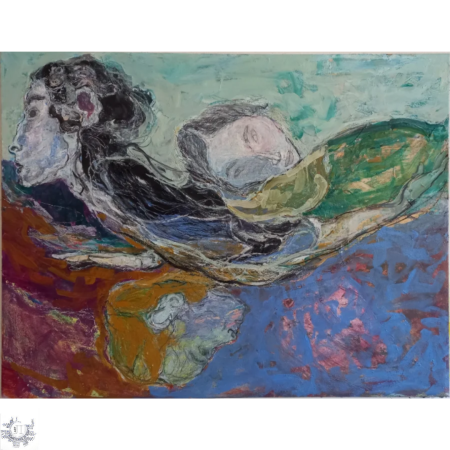
In Daniel Karrer’s work, that distance is literalized, polished, and made visible. A thin, barely three-millimetre, sheet of glass intervenes: it separates the spectator from the image, slows down the perception, and discreetly insists that looking is never immediate.
Daniel’s paintings hover in an unstable zone, where motifs surface, dissolve, and resurface again, resisting quick decoding: what seems invitingly seductive can, moments later, feel evasive; what appears empty begins to accumulate weight.
Glass, in this context, is not a neutral support. It is a material with a long, double life: architectural membrane, protective skin, optical instrument, everyday interface, clarifying and distancing at the same time, intensifying color and light, protecting and isolating, inserting a barely perceptible barrier between bodies and things. In Daniel’s hands, glass becomes an active participant, shaping how paint is applied, seen, and felt.
Painting behind glass reverses habits: decisions unfold blindly, images are discovered rather than executed, surfaces resist touch. The act of scraping, erasing, and reapplying introduces a rhythm closer to editing than to classical composition. Hard edges appear where softness might be expected. Gloss recalls screens. Reflection folds the viewer into the work, briefly collapsing inside and out.
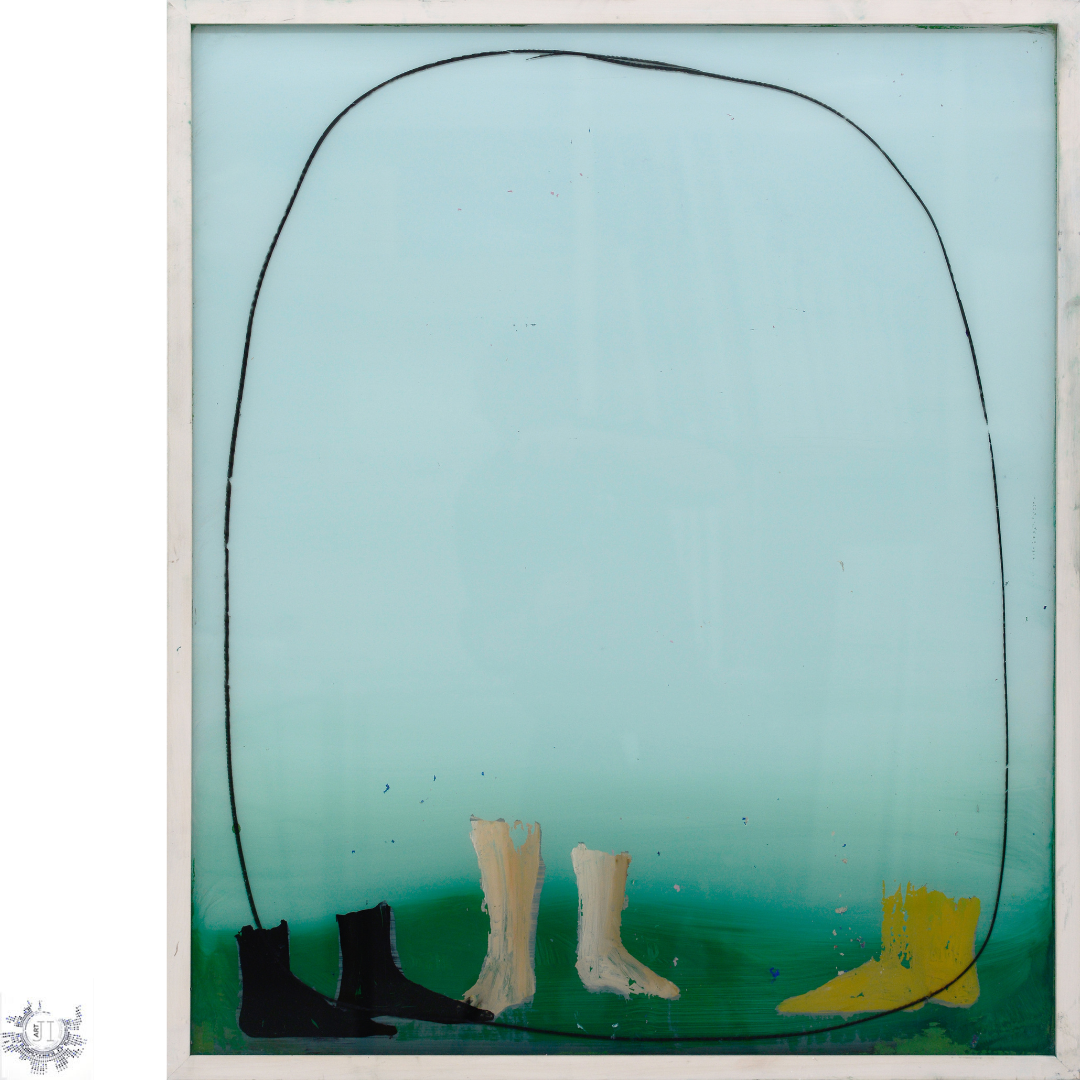
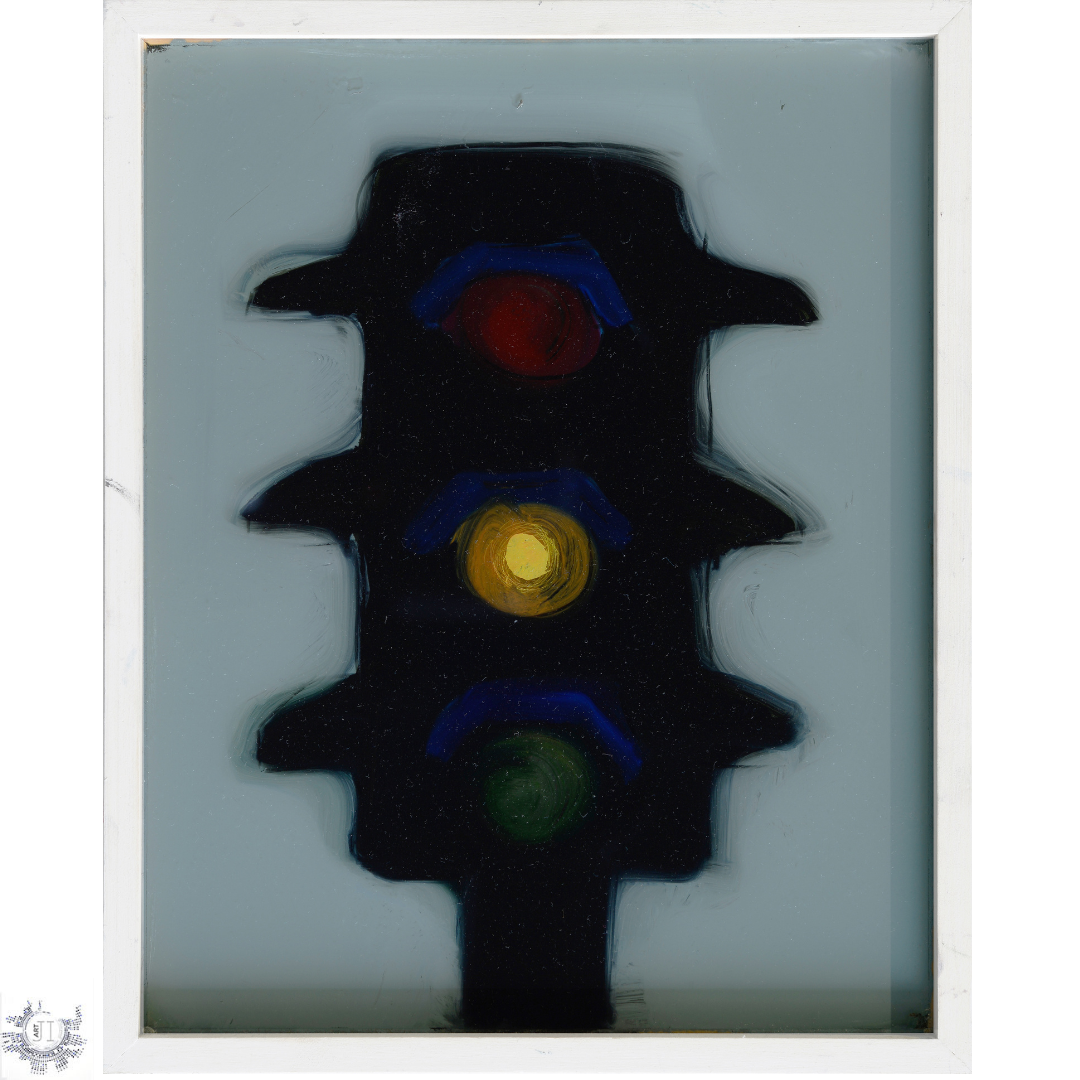
The unfamiliar (or confusing) technique of reverse glass painting fascinated me so much, simply because of the application of paint and the effect it had on the other side, that my painting at first became much more non-representational and experimental. The motifs then actually emerged from the technique as if by themselves.
Daniel Karrer
Daniel Karrer was born in Switzerland and is based in Basel, a city whose dense art ecosystem has patiently shaped his trajectory. Trained as a painter, his practice has moved through figurative and abstract modes, drawing on art history as readily as on found and digital imagery. Over the past years, his reverse glass paintings have become a central focus, shown in exhibitions that situate his work within a broader conversation about what painting becomes in a world dominated by screens.
This interview unfolds from within that tension: chance and control, losing and gaining, calm emerging from friction. What follows is a conversation about resistance as method, slowness as necessity, and surface as depth. It is also about trust: in materials, in perception, in the viewer's willingness to linger, even when meaning delays itself.
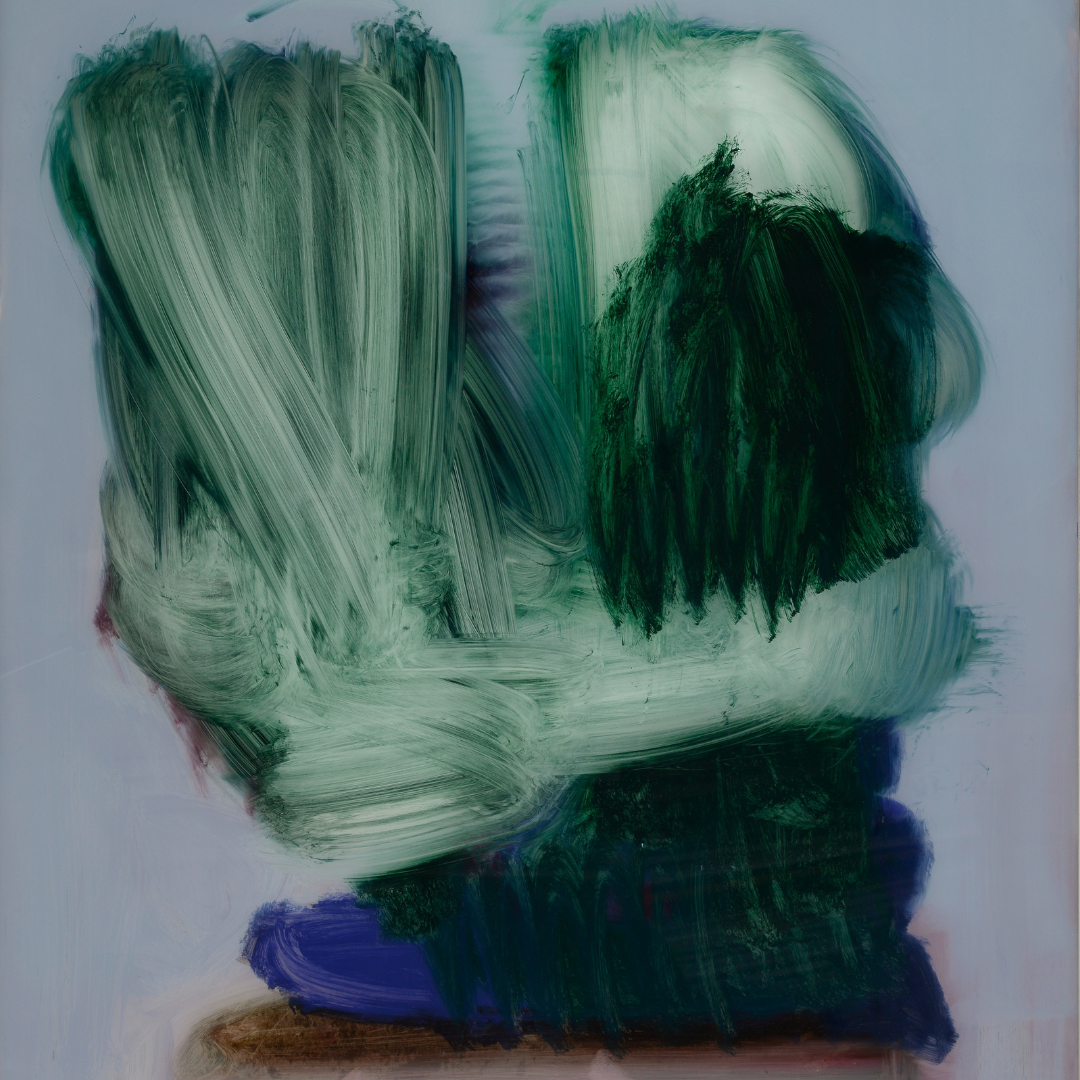
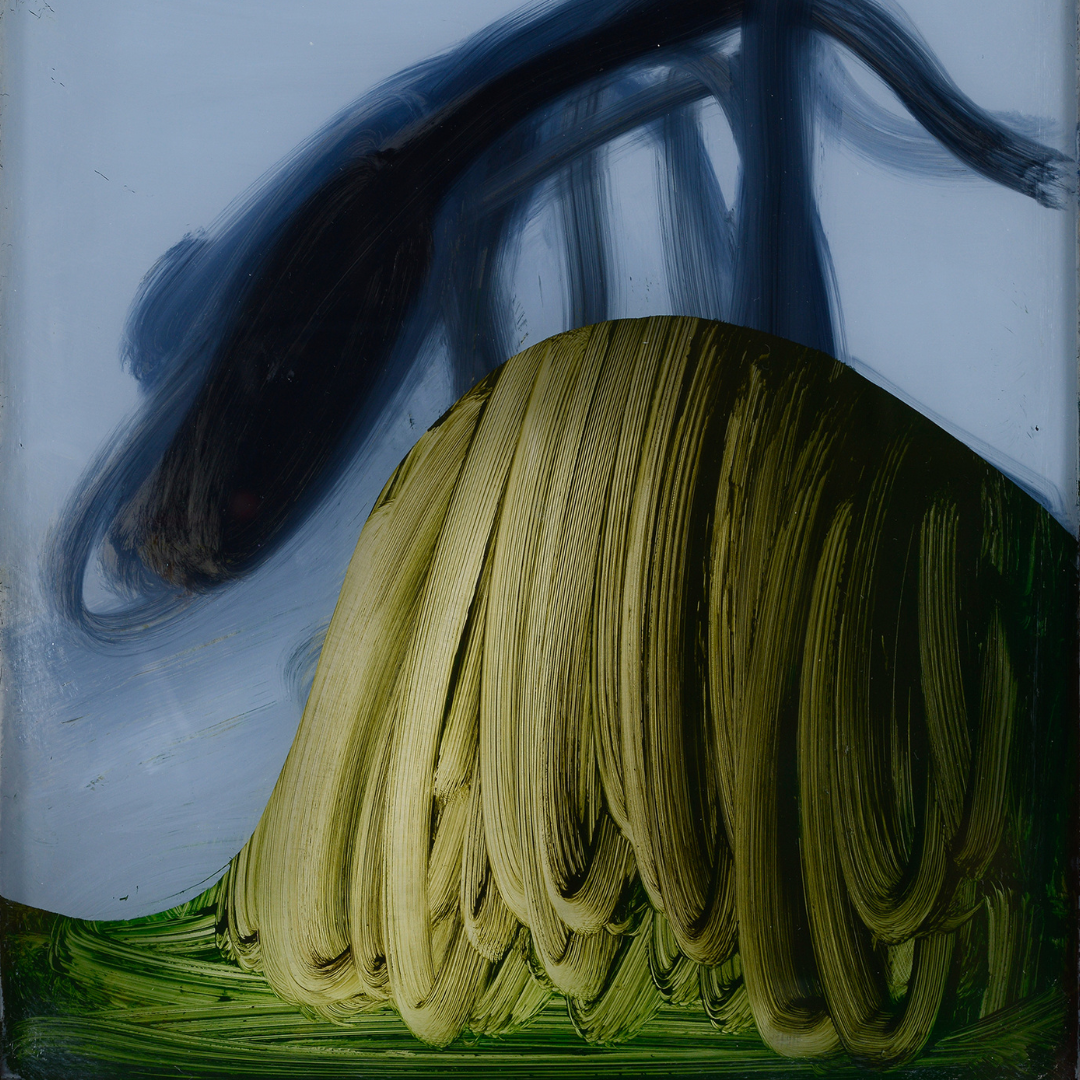
When I apply the paint on the back, I paint blindly, so to speak, and let myself be surprised by how it looks on the other side. This gives me ideas for pictures that I could never have come up with myself. I then react to what has happened.
Daniel Karrer
The JI: You’ve described painting behind glass as a way of introducing a disturbance or obstacle into painting. When did you first realize you needed that kind of resistance, and what exactly does it interrupt for you in the act of painting?
Daniel Karrer: When I discovered the technique of reverse glass painting more or less by chance, I was so fascinated by the effect of the paint that I was able to distance myself somewhat from the ever-present question: what should I paint?
I have always balanced between figurative and non-figurative painting. On the one hand, the motif was the reason for painting in and of itself, but it (the motif) also had to meet certain criteria. With many motifs, I simply had the feeling that you couldn't paint them (anymore).
The unfamiliar (or confusing) technique of reverse glass painting fascinated me so much, simply because of the application of paint and the effect it had on the other side, that my painting at first became much more non-representational and experimental. The motifs then actually emerged from the technique as if by themselves.
It may sound a bit clichéd, but it's really like Picasso's famous quote: "I don't search, I find." When I apply the paint on the back, I paint blindly, so to speak, and let myself be surprised by how it looks on the other side. This gives me ideas for pictures that I could never have come up with myself. I then react to what has happened. So chance plays a part, but what is visible in the end is by no means random. I make decisions.
That is the most difficult thing about painting. If something does not trigger anything in me, then I can wipe away the wet paint completely and go back to square one. Even if the paint has dried, I can scrape it off completely or partially and return to the foreground. This means I don't have to plan everything and paint backwards, as is the case with traditional reverse glass painting.
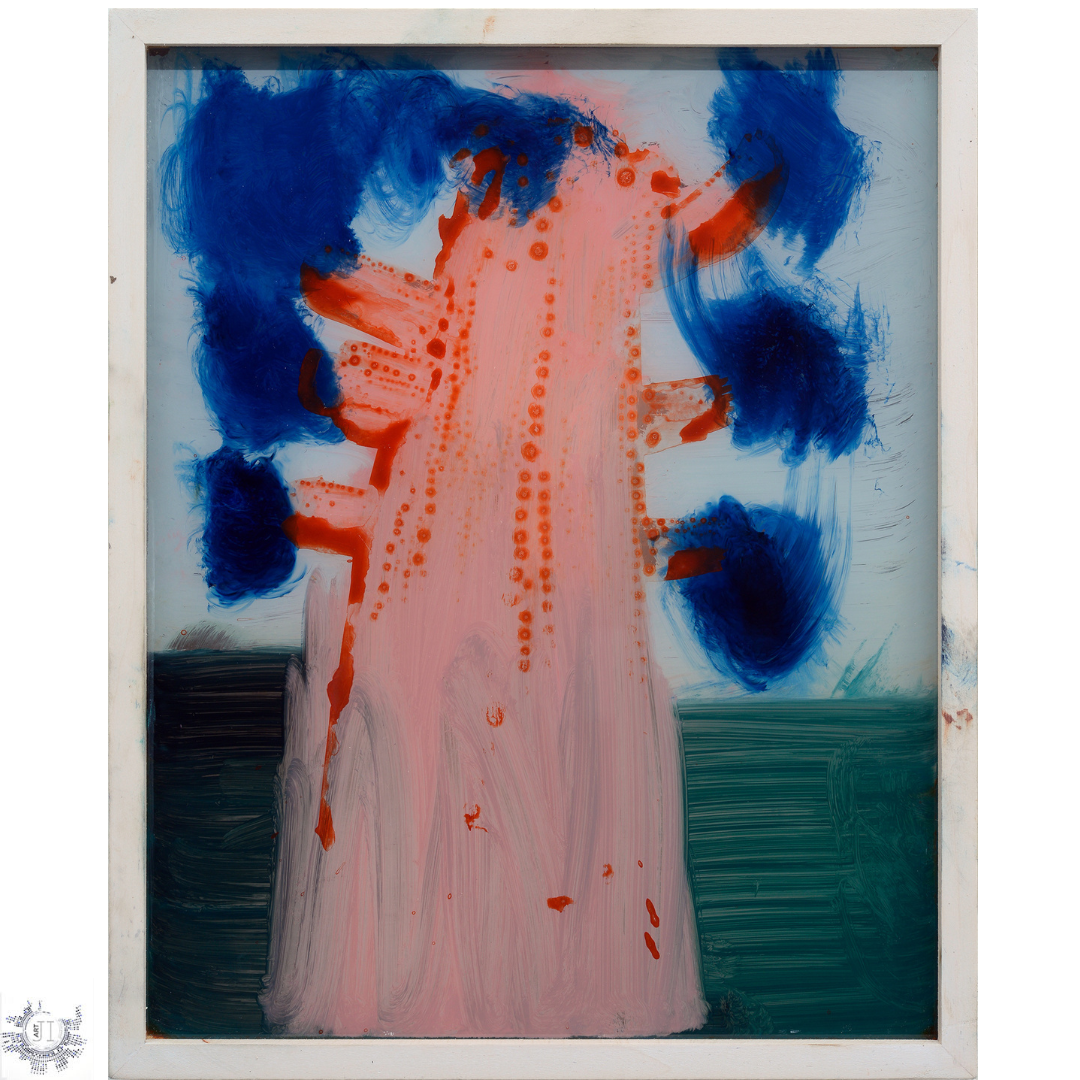
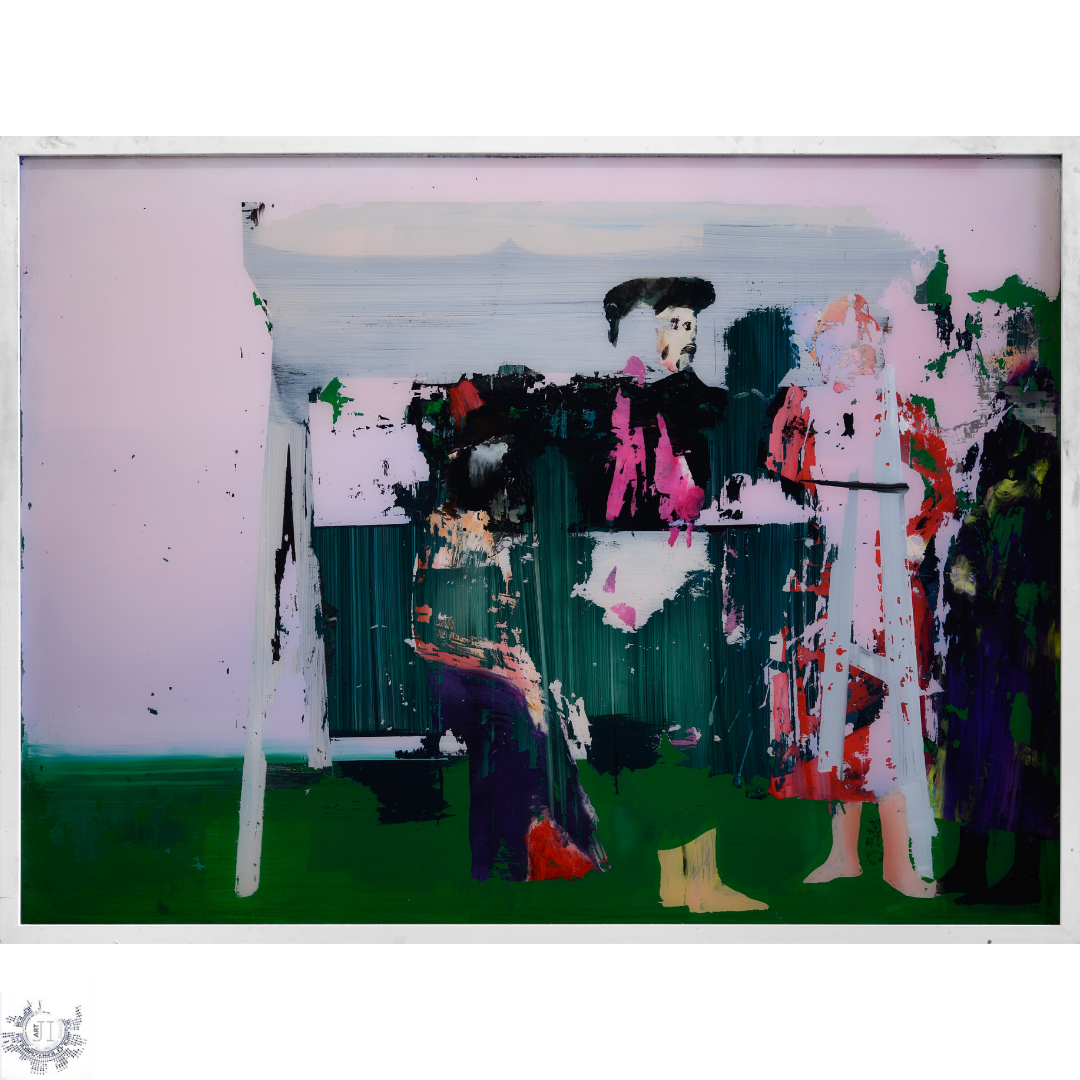
The counterpart to Apple-Z, the undoing of work steps, corresponds in the analogue world to scraping away paint. By removing the paint with a spatula, sharp edges are created, precisely imitating the hard edges of the digital eraser in colour. Areas of colour appear as sharply defined as pixels on a screen. The glass gloss further enhances the impression of a screen.
Daniel Karrer
The JI: Your process often involves designing compositions digitally, then translating them to glass, photographing them, editing them again, and repainting them. What does this constant back-and-forth allow you to see that a single medium wouldn’t?
Daniel: I think here, too, it's about maintaining a certain distance from the painting. It's like the old trick of looking at a painted picture through a mirror to get a fresh perspective. Or turning the picture upside down. When I photograph the picture and view it on a screen in a compressed (and dematerialised) form, certain compositional aspects strike me more.
Sometimes I create collages and drafts in Photoshop, which then serve as a starting point for my work on glass. Recently, however, I have increasingly begun working on glass without a preliminary draft, only taking a photo of the painted piece at some point when I get stuck. I then open the photographed image in Photoshop and digitally experiment with new variations or directions. The counterpart to Apple-Z, the undoing of work steps, corresponds in the analogue world to scraping away paint. By removing the paint with a spatula, sharp edges are created, precisely imitating the hard edges of the digital eraser in colour. Areas of colour appear as sharply defined as pixels on a screen. The glass gloss further enhances the impression of a screen.
But it is also important to me that the warmth and sensuality of the material paint is expressed. I don't want to make cool digital images. I want the sensuality of painting. Of course, some of this is lost through the glass (the sensual surface of the painting !), but on the other hand, the presence and luminosity of the paint and the brushstrokes are reinforced. It is a sacrifice.
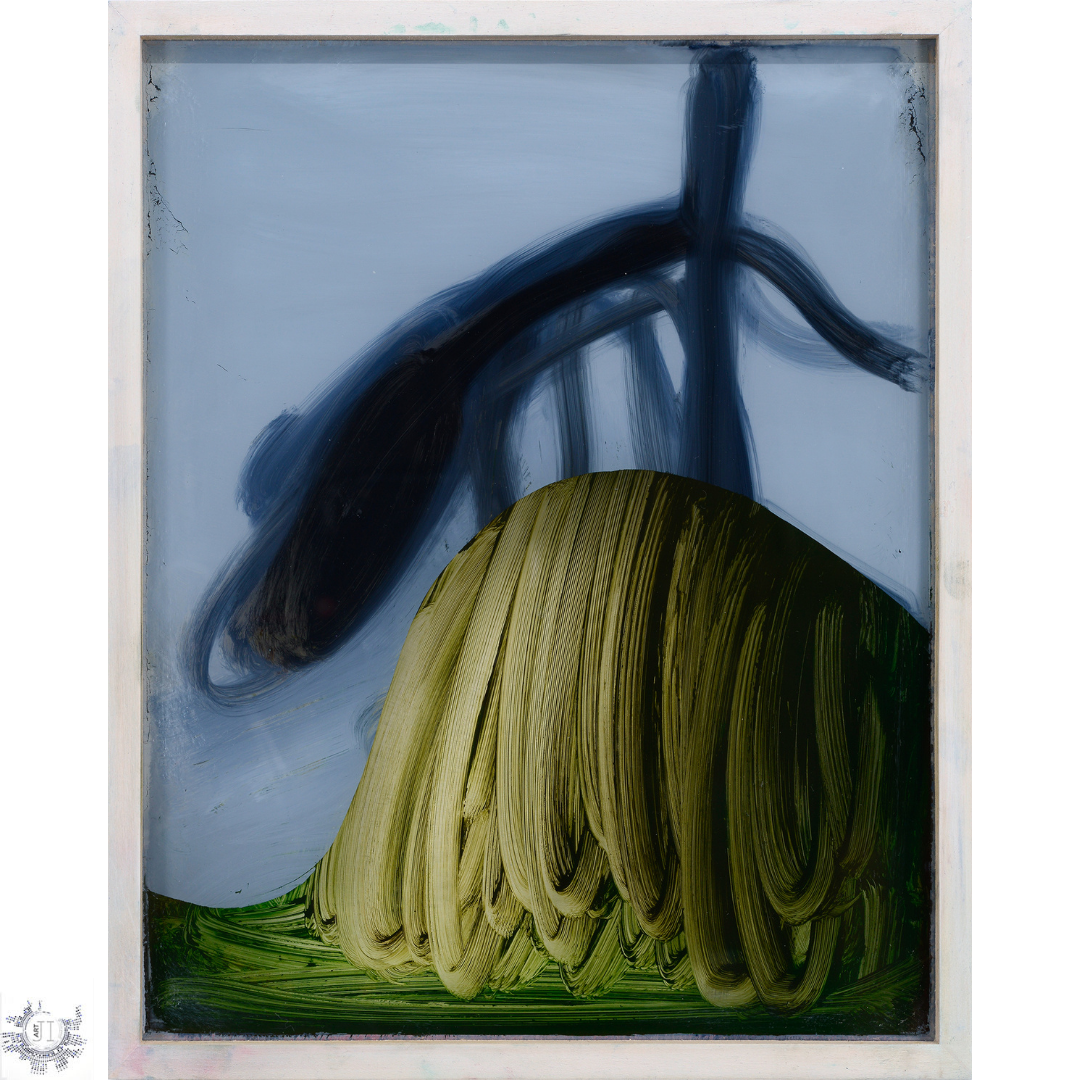
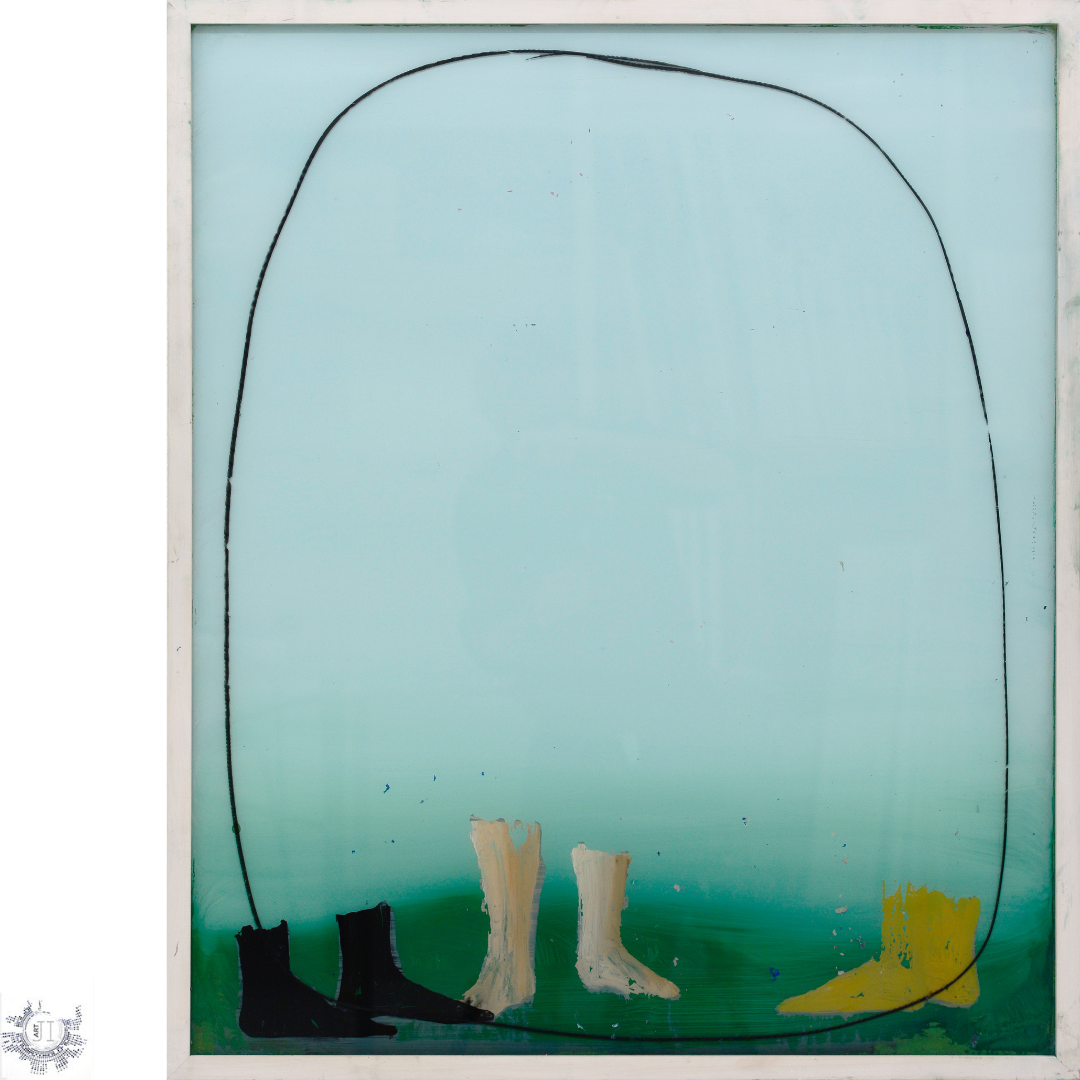
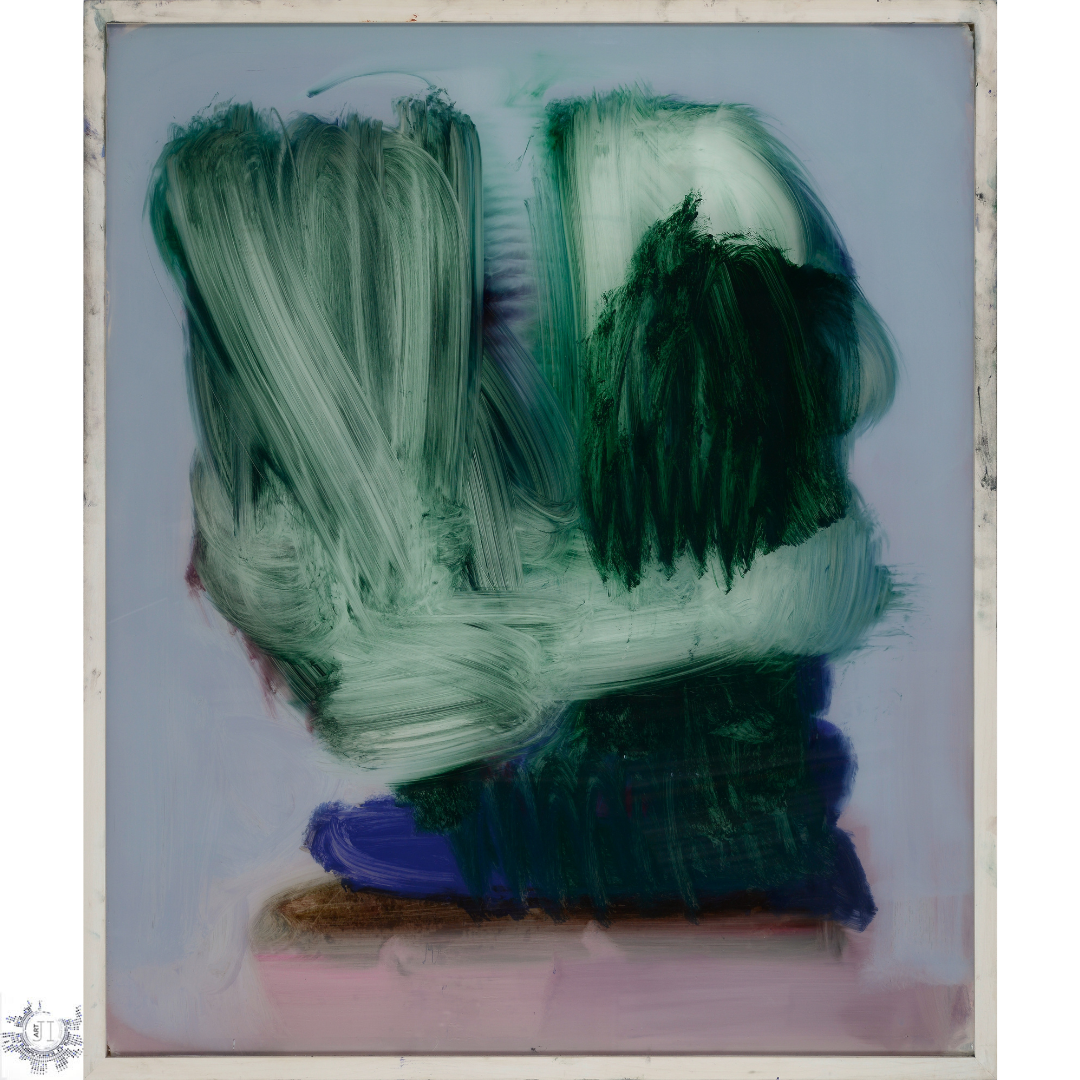
I don't want people to read my paintings only on the level of the image, but also on the level of the material... in other words, to surrender to the drama of ‘how it is painted’. For example, if you tell someone about a song and only pass on the lyrics, you are unlikely to generate much enthusiasm.
Daniel Karrer
The JI: Some of your works feel deliberately hard to “read,” almost resisting the viewer’s attempt to grasp them quickly. Is that a reaction to scrolling culture, or simply a way of protecting ambiguity in the image?
Daniel: No, it's not a conscious reaction to the culture of scrolling. Painting is always rather slow. Any viewing of painting takes time. And yes, I like the ambiguity in the painting.
The fact that they are difficult to read has more to do with the fact that I don't want people to read my paintings only on the level of the image, but also on the level of the material... in other words, to surrender to the drama of ‘how it is painted’. For example, if you tell someone about a song and only pass on the lyrics, you are unlikely to generate much enthusiasm.
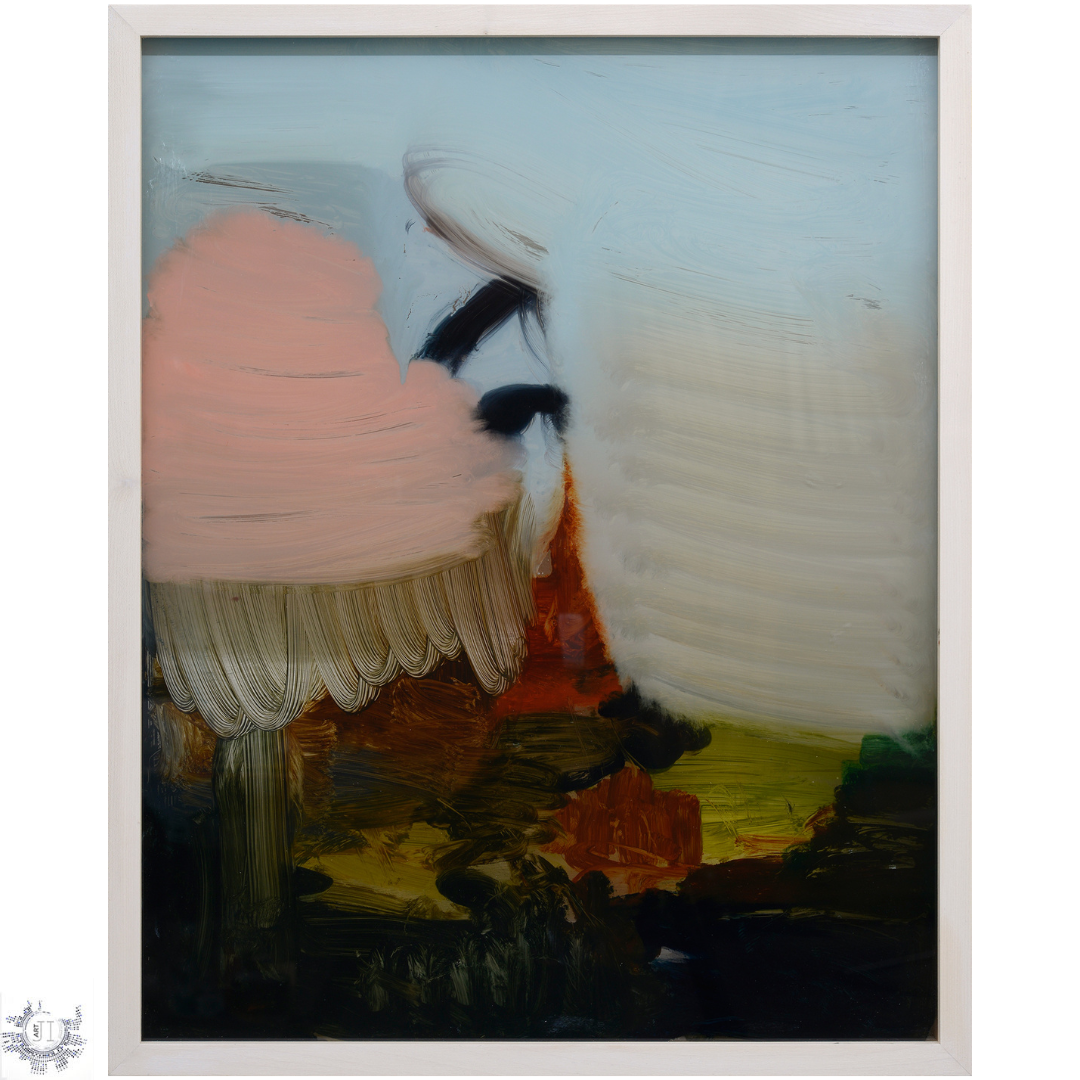
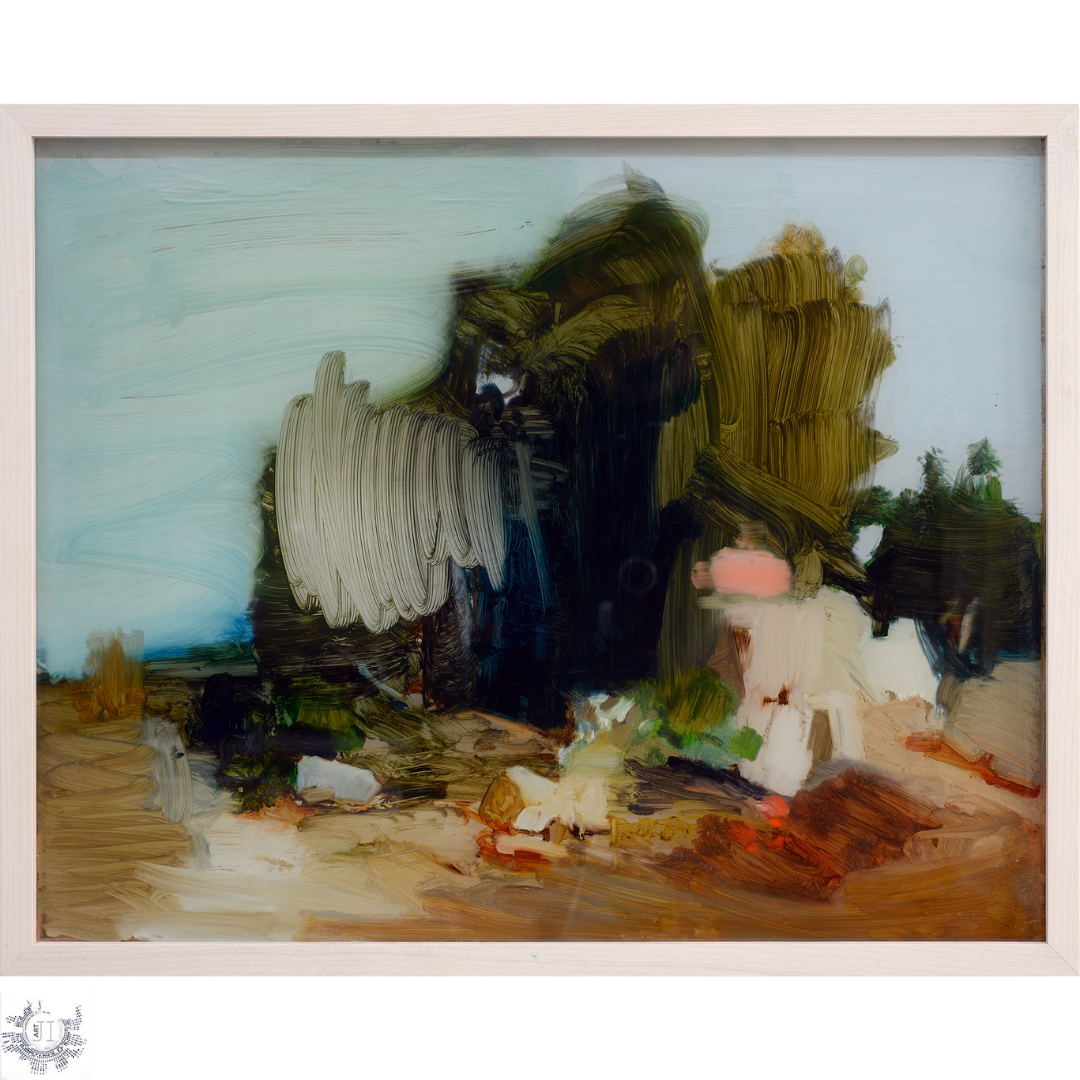
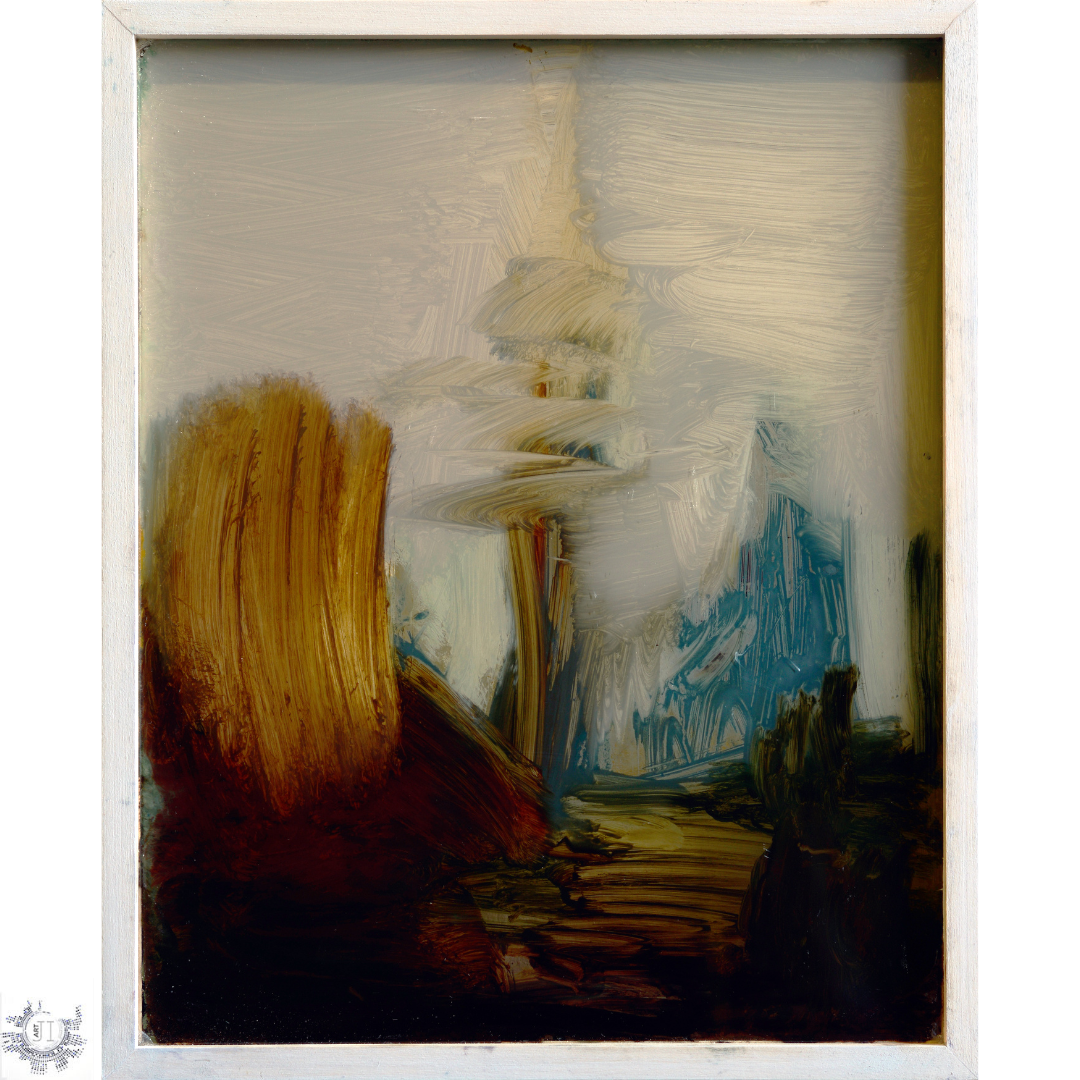
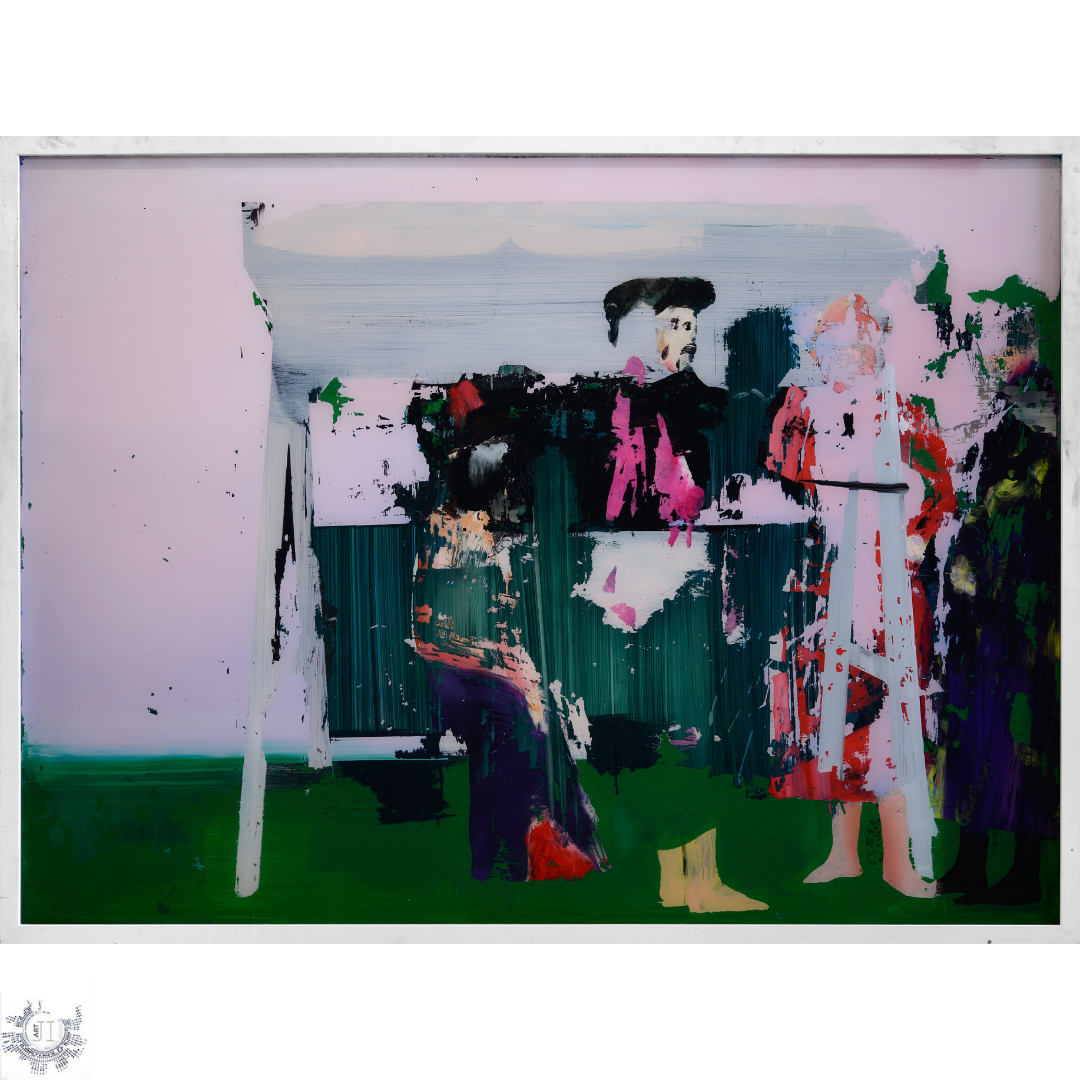
The contrasts and contradictions in my paintings express an attitude that not everything is so black and white and that perhaps one should let things sink in before judging... the world is so complex, I refuse to make a clear statement…
Daniel Karrer
The JI: There’s a tension in your work between seduction and withdrawal: bright, attractive color paired with withheld meaning. How intentional is that push-and-pull, and what do you hope the viewer does with it?
Daniel: Perhaps seduction is a good introduction to painting, or even a trap to keep the viewer in the picture...
I think the contrasts and contradictions in my paintings express an attitude that not everything is so black and white and that perhaps one should let things sink in before judging... the world is so complex, I refuse to make a clear statement…
I don't like to fiddle around with details. This often causes a loss of power in the image. The emptiness is full of potential!
Daniel Karrer
The JI: Your landscapes and monochrome works sometimes verge on near-erasure, like blank pages or images dissolving before they fully form. What interests you about images that almost disappear?
Daniel: Wiping away or removing paint has always been part of my working method. This works particularly well on glass because the surface is completely non-absorbent. What is not there stimulates the imagination.
I am also interested in the question of how little is needed. I don't like to fiddle around with details. This often causes a loss of power in the image. The emptiness is full of potential!
Also, when painting, I often find myself in a state of emptiness, of speechlessness, and I think entirely within the painting.
The JI: The glass surface reflects the viewer and their surroundings. Do you think of that reflection as part of the work, or as an interference you accept but don’t control?
Daniel: I see it as part of the work. I have also tried anti-reflective glass, but I missed the materiality of the glass.
Depending on the reflection, the viewer has to move in front of the picture to piece together the painted image.
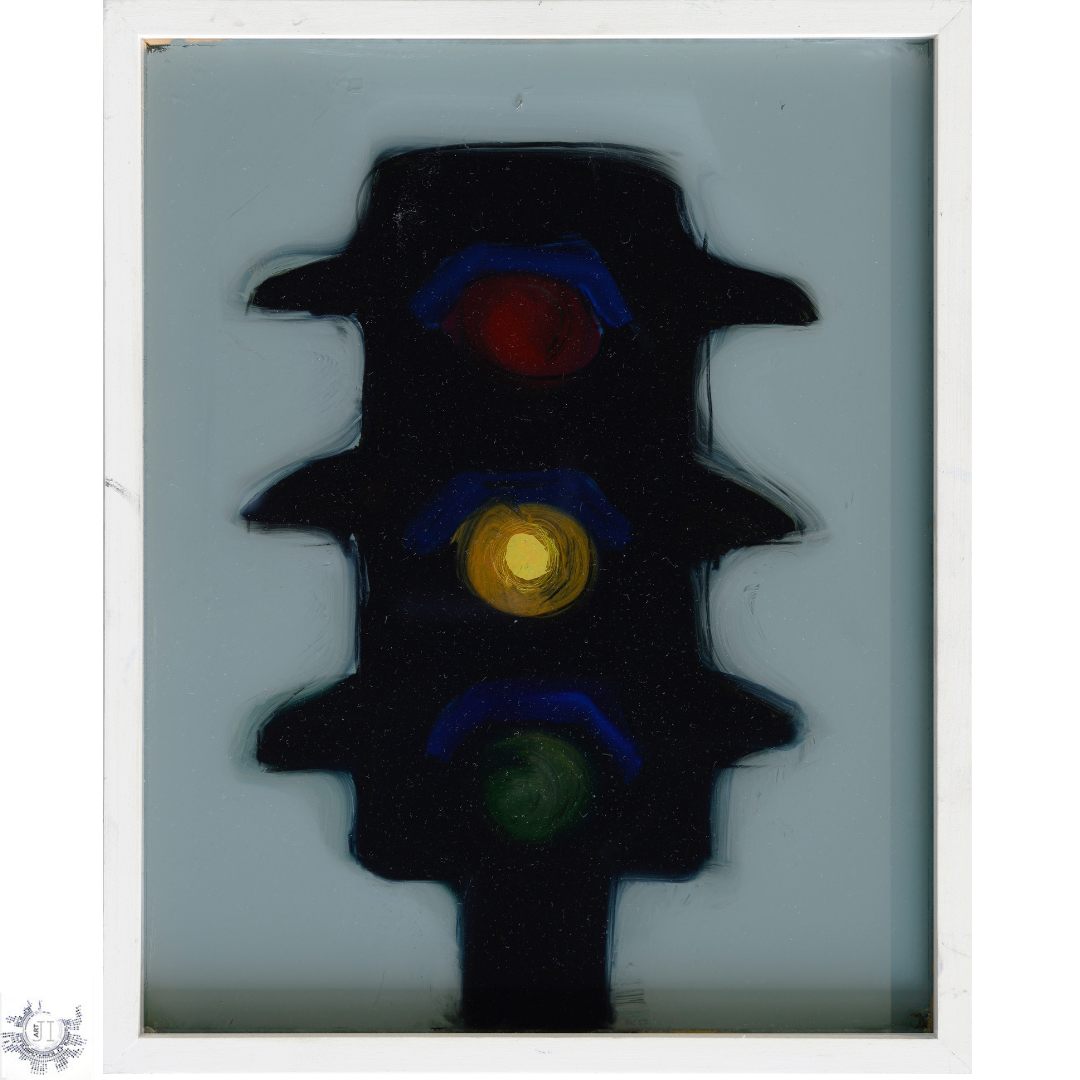
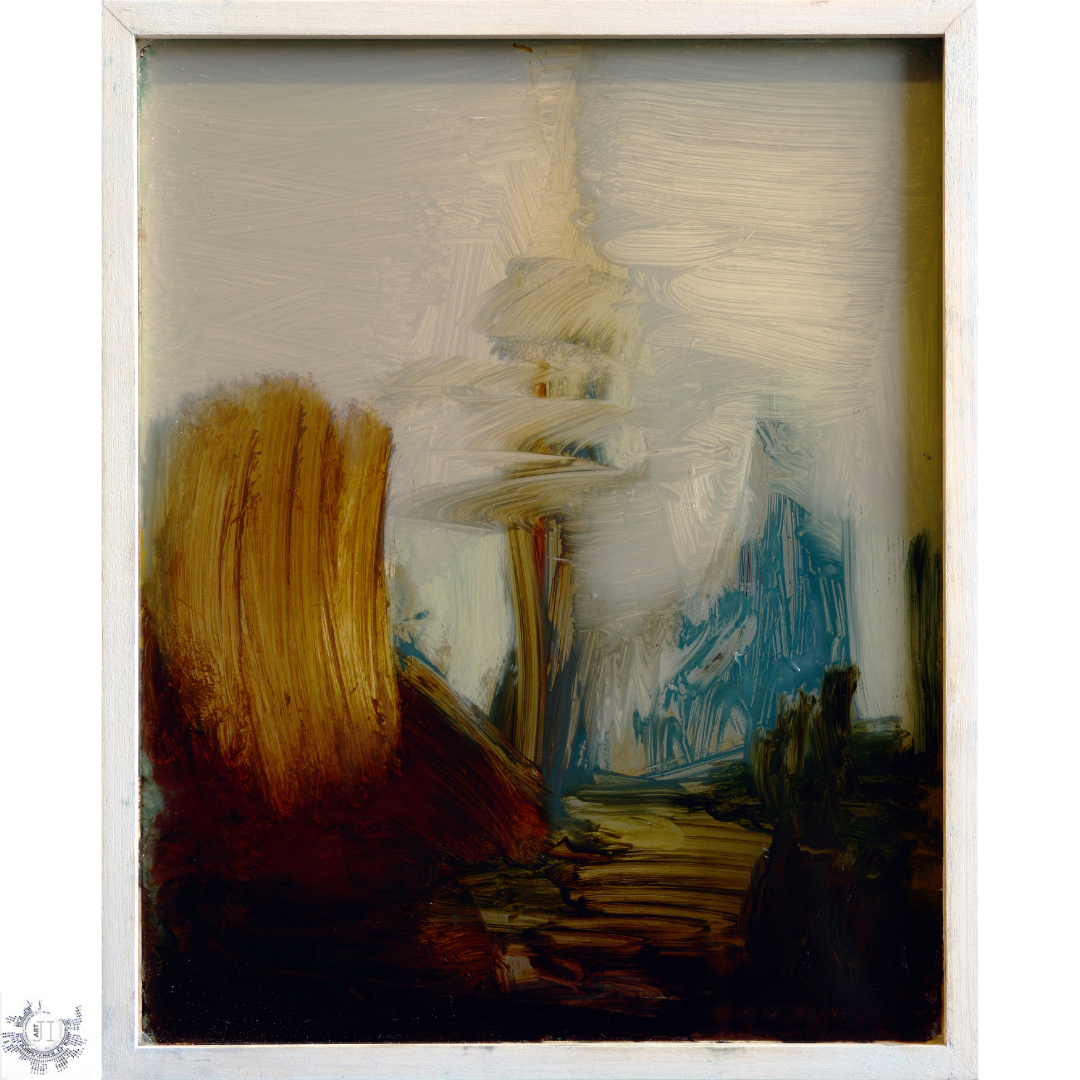
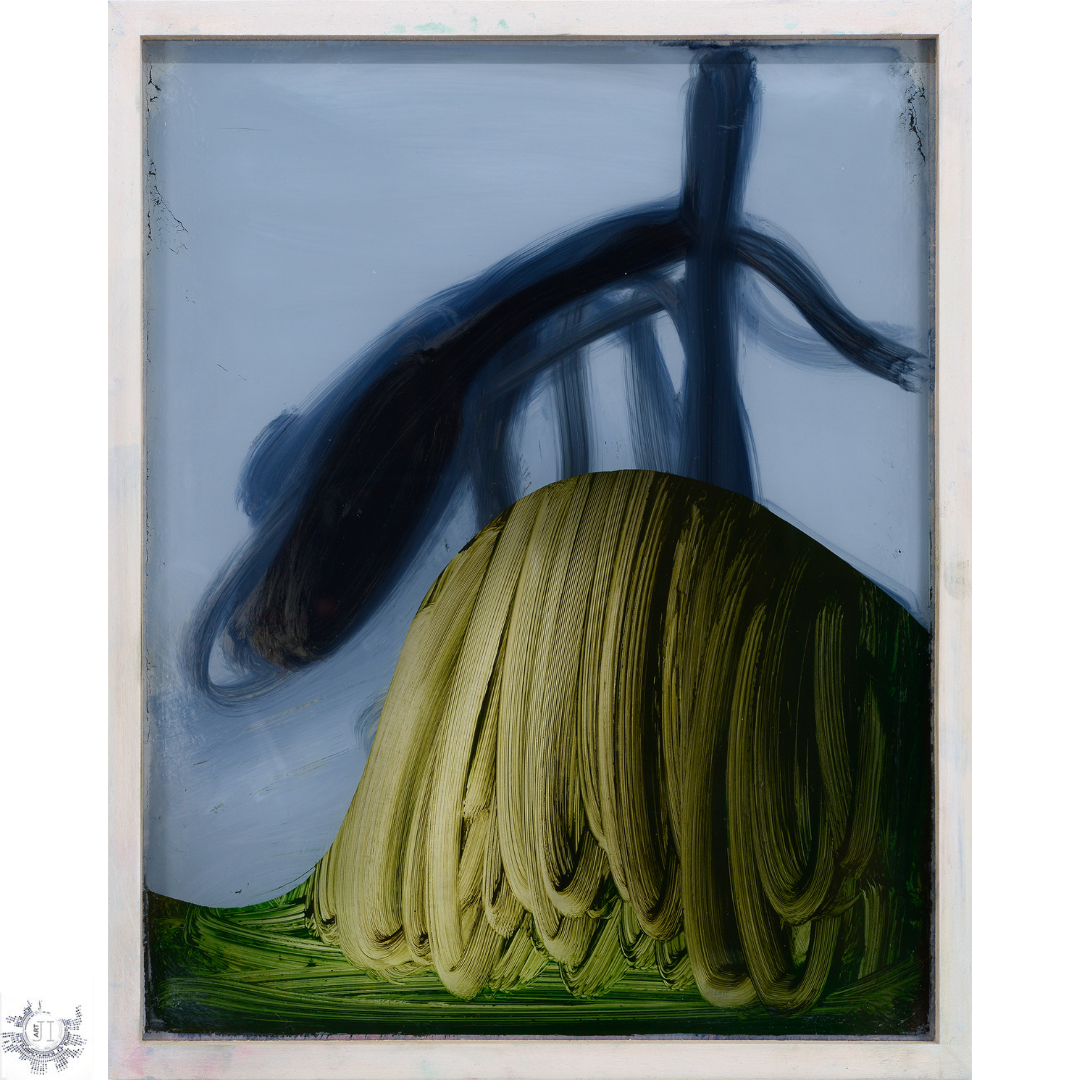
When a picture is unresolved and I have to make a decision, it makes me rather restless... but the moment I apply paint, it's very calming because you forget everything around you for a moment.
Daniel Karrer
The JI: In a time when images are endlessly reproducible and disposable, what does it mean for you to slow an image down and fix it permanently in paint?
Daniel: Of course, that's one aspect of painting, but I don't know if that's why I paint... What is certain is that I become calmer when I'm in the process of painting... before and after, I tend to be rather restless. When a picture is unresolved and I have to make a decision, it makes me rather restless... but the moment I apply paint, it's very calming because you forget everything around you for a moment. But that could also happen when cooking or playing sports.
It's comparable to looking through a magnifying glass or a telescope: you see something bigger, more details, but you often still feel that you see it better with your own eyes.
Daniel Karrer
The JI: Your paintings seem to hold the viewer in a constant state of near-access: close, but never fully inside. Is that unresolved distance something you see as frustrating, or as a form of freedom?
Daniel: Do you mean because of the glass, which creates a 3 mm distance from the painting? It's comparable to looking through a magnifying glass or a telescope: you see something bigger, more details, but you often still feel that you see it better with your own eyes.
As I said, I also feel it's a loss of the painterly surface, but at the same time I gain this luminosity, this sharpness and also the playfulness in the painting process. I also feel a freedom in being able to paint certain things that I wouldn't have wanted to paint on canvas. Perhaps painting feels less burdensome in reverse glass painting compared to canvas painting...