
TIM NOBLE AND THE ART OF MAKING MISTAKES
I’m a great believer in making mistakes. I learn a lot from them. In fact, mistakes often open things up in unexpected ways. Perhaps there’s really no such thing as a mistake.
Tim Noble
He proved that garbage and waste can be material for beauty – it just needs to be viewed under the right angle and in the right light.
For Tim Noble, making is a form of compulsion, which begins with the hand, raw, repetitive, and insistent – and moves forward through friction, error, and endurance.
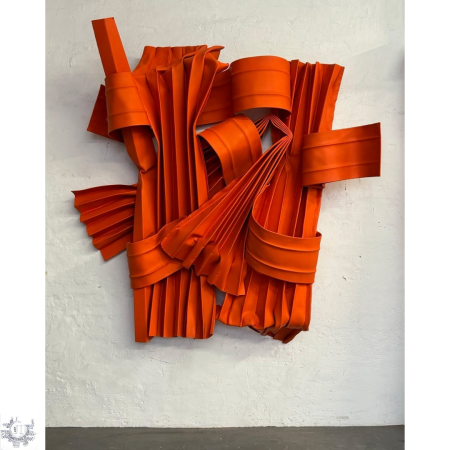
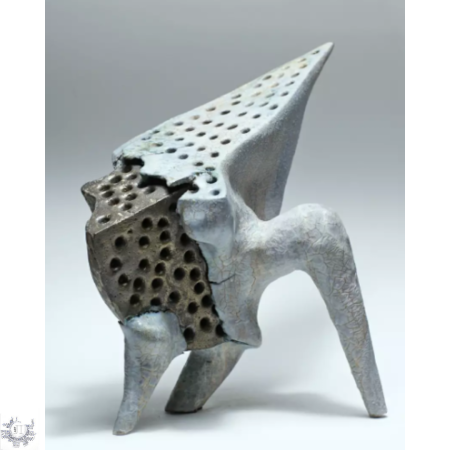
Materials are pushed until they break, reshaped until something unexpected surfaces. Scrap, waste, cheap materials – plastic bottles, fragments of wood, whatever is within reach – become the foundation of his sculptures. Nothing is too insignificant to be used, and nothing is fixed in meaning, breaking through a constant tension between accident and control, between what the artist intends and what the material wants to become.
In Tim Noble’s workshop, mistakes are folded back into the process, forms appear from a mental overflow, half-shaped images are pulled from the subconscious and forced into the physical space, resulting in works that feel unstable, charged, and alive, demanding to be confronted rather than simply observed.
It’s a good example of how you can get completely absorbed in the moment. You stop caring about those things. You just keep pushing and pushing because you have to get the work done.
Tim Noble
The JI: What happens to an artist when they become so immersed in their work that they even stop noticing pain?
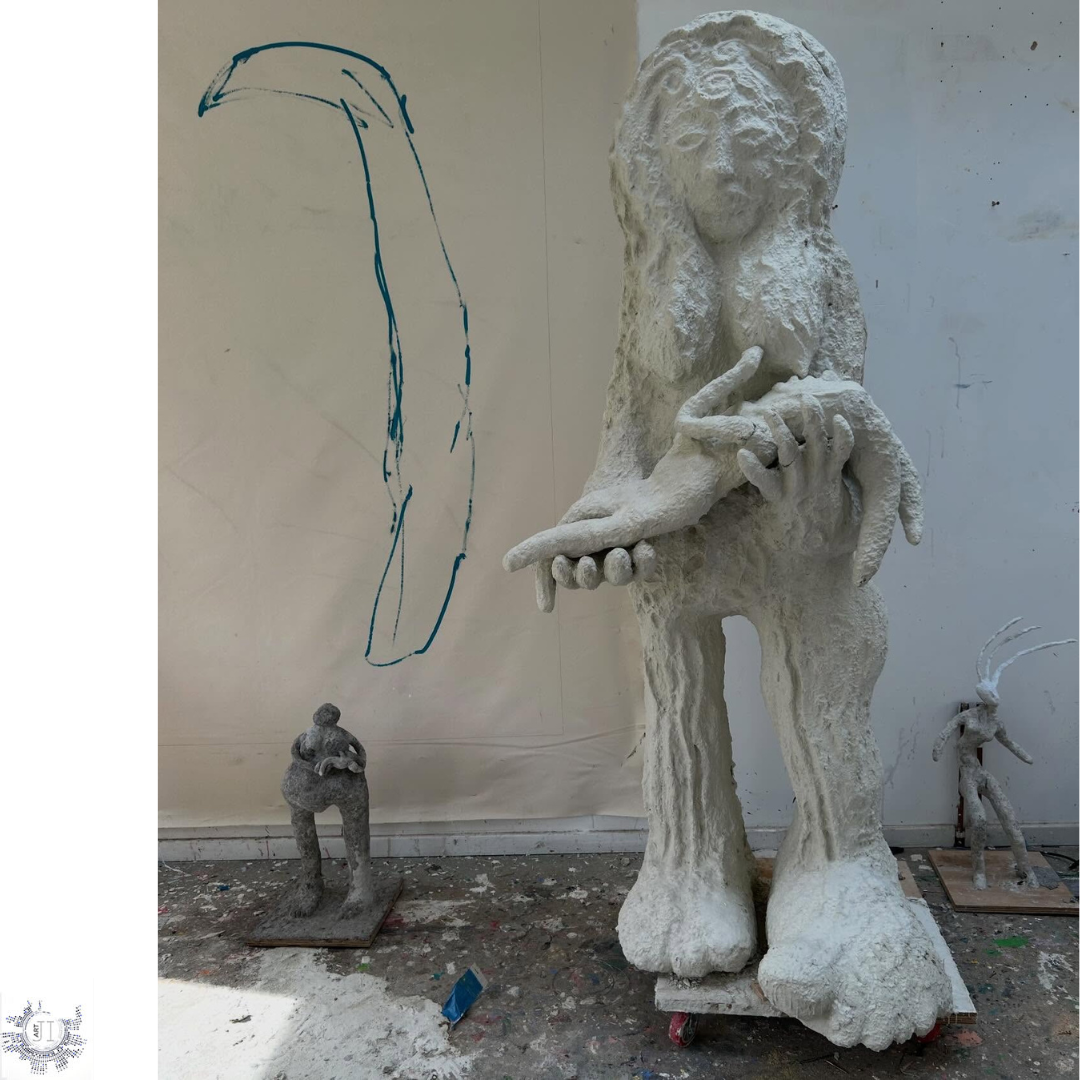
Tim Noble: This is my studio. Behind me is a piece that I’ve been making.
Yesterday I put concrete on it. I was wearing gloves because I like to work with my hands, but they wore holes in them while I was working. Now my hands are very raw and tender.
It’s a good example of how you can get completely absorbed in the moment. You stop caring about those things. You just keep pushing and pushing because you have to get the work done.
And I did get it done. I’m really pleased about that. It’s quite a big psychological moment for me, because it’s very easy to leave things unfinished.
I suppose there’s a kind of ridiculous optimism in what I do. Even if the work never goes out into the world, I’m happy. I feel content. I’m in a kind of frequency where things are resonating when I’m making.
Tim Noble
The JI: Why did mistakes, unfinished work and making things by hand become your main method?
Tim Noble: I strongly believe that when you start something, you should see it through and finish it. Sometimes a piece gets put on hold and sits on a shelf. It might be a year, it might be two years. But I usually come back to it and attack it again with a fresh angle. That’s very much what happened with this piece.
I’m also a great believer in making mistakes. I learn a lot from them. In fact, mistakes often open things up in unexpected ways. Perhaps there’s really no such thing as a mistake.
Most of the time I’m simply making things with my hands. Occasionally I send parts out for someone else to fabricate, but largely my process comes back to what I loved doing as a child. I used to play outside in the wilderness with bits of scrap and whatever materials were lying around, inventing things and building things with my hands.
Improvisation became my way of making work. Finding your own way of making things is the most important thing of all.
With that belief system comes a huge amount of pleasure. When I was young I even made things like lightning conductors attached to light bulbs with copper wire. I genuinely believed a lightning bolt would strike the pole.
I suppose there’s a kind of ridiculous optimism in what I do. Even if the work never goes out into the world, I’m happy. I feel content. I’m in a kind of frequency where things are resonating when I’m making.
When I’m working clay through my hands, I often tap into my subconscious. There’s a whole store of images in there. When you dig deep, fertile images begin to surface. They come from somewhere in the mind and suddenly they’re right there at your fingertips.
When you feel that resonance, you pick up a tool, or you squeeze clay between your hands, and you begin modelling. You let it flow and pour out whatever is inside. The important thing is to make that flow happen.
They aren’t complete images in the mind. They’re more like bits and pieces that splice together and emerge on the board as you work.
Tim Noble
The JI: How do personal changes and inner imagery turn into an artwork?
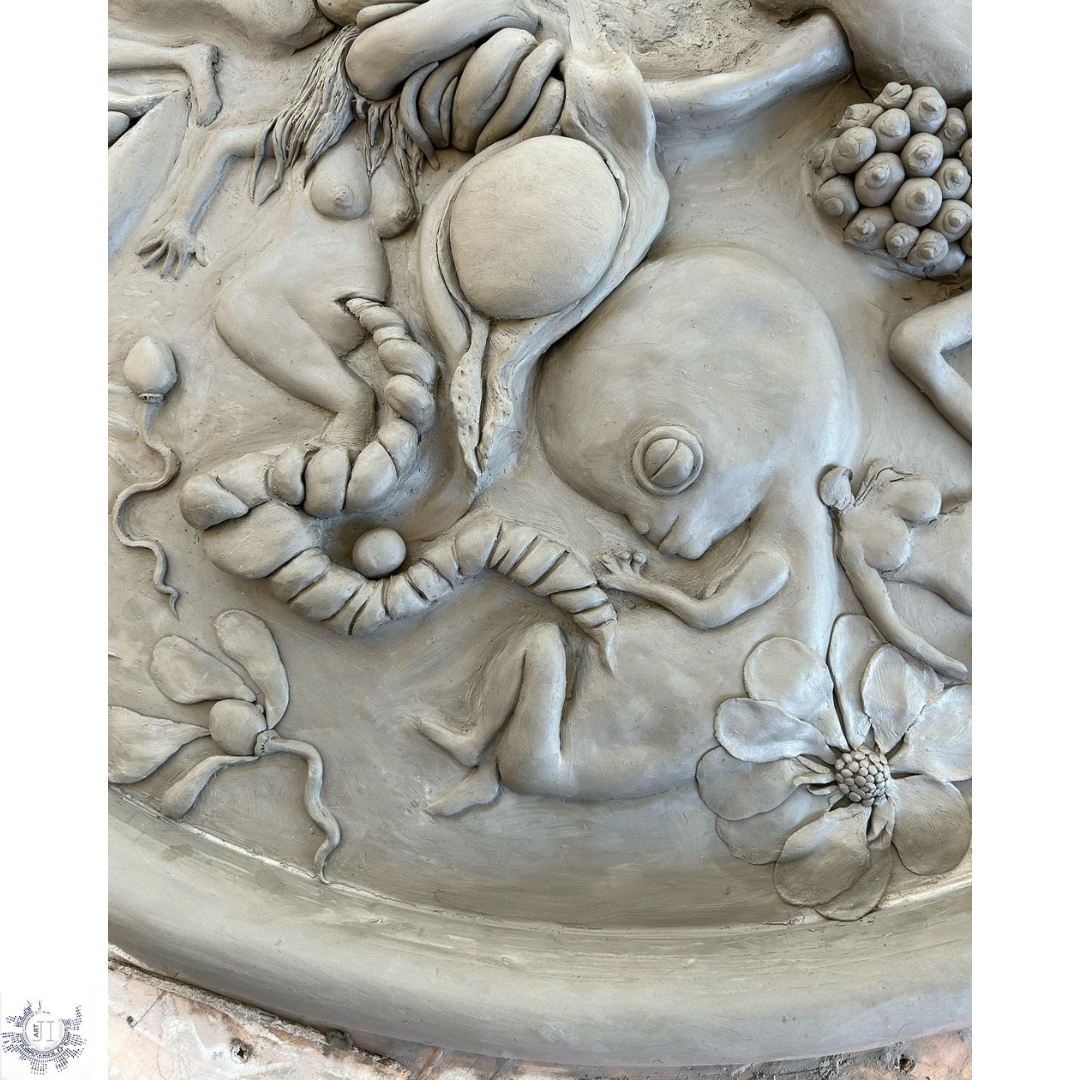
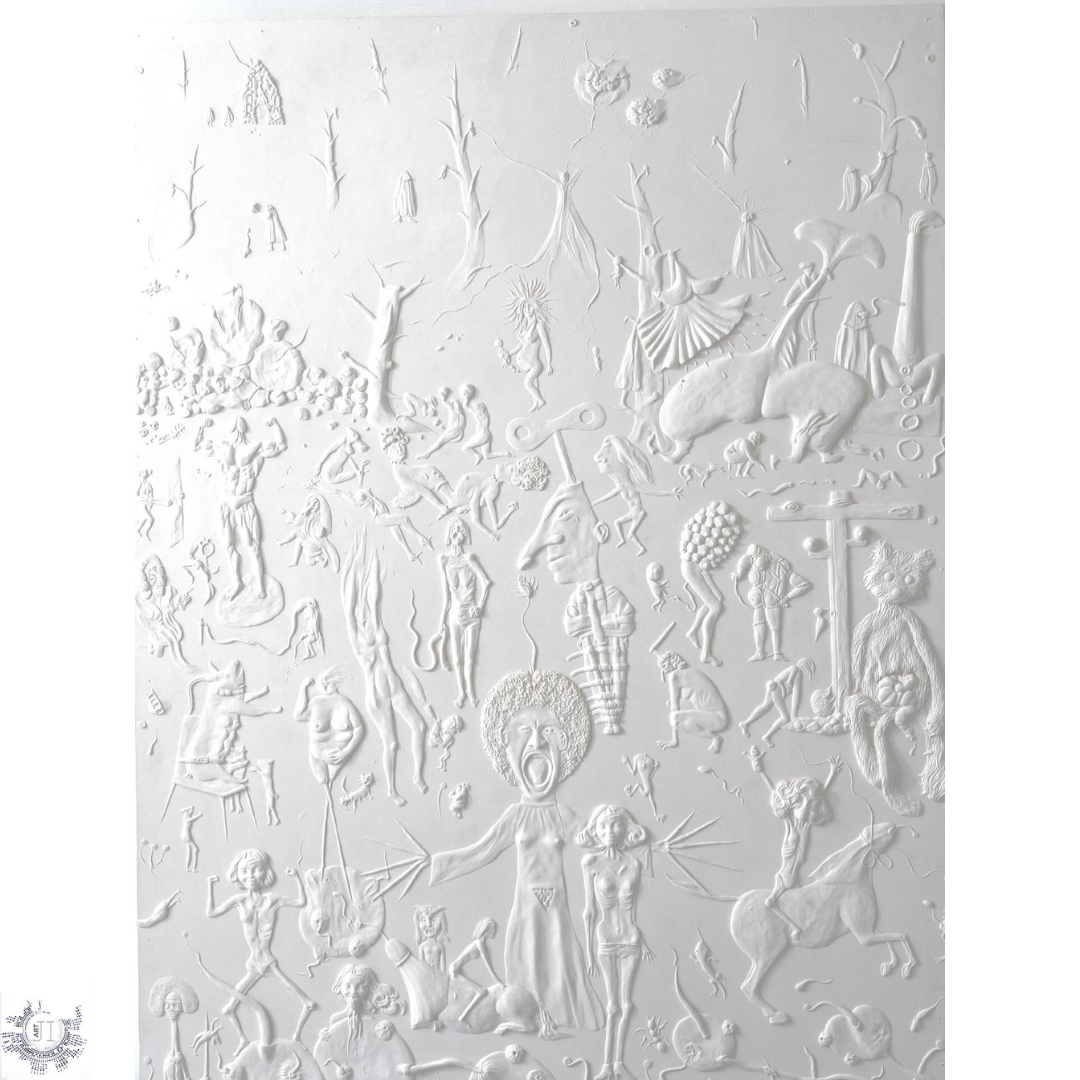
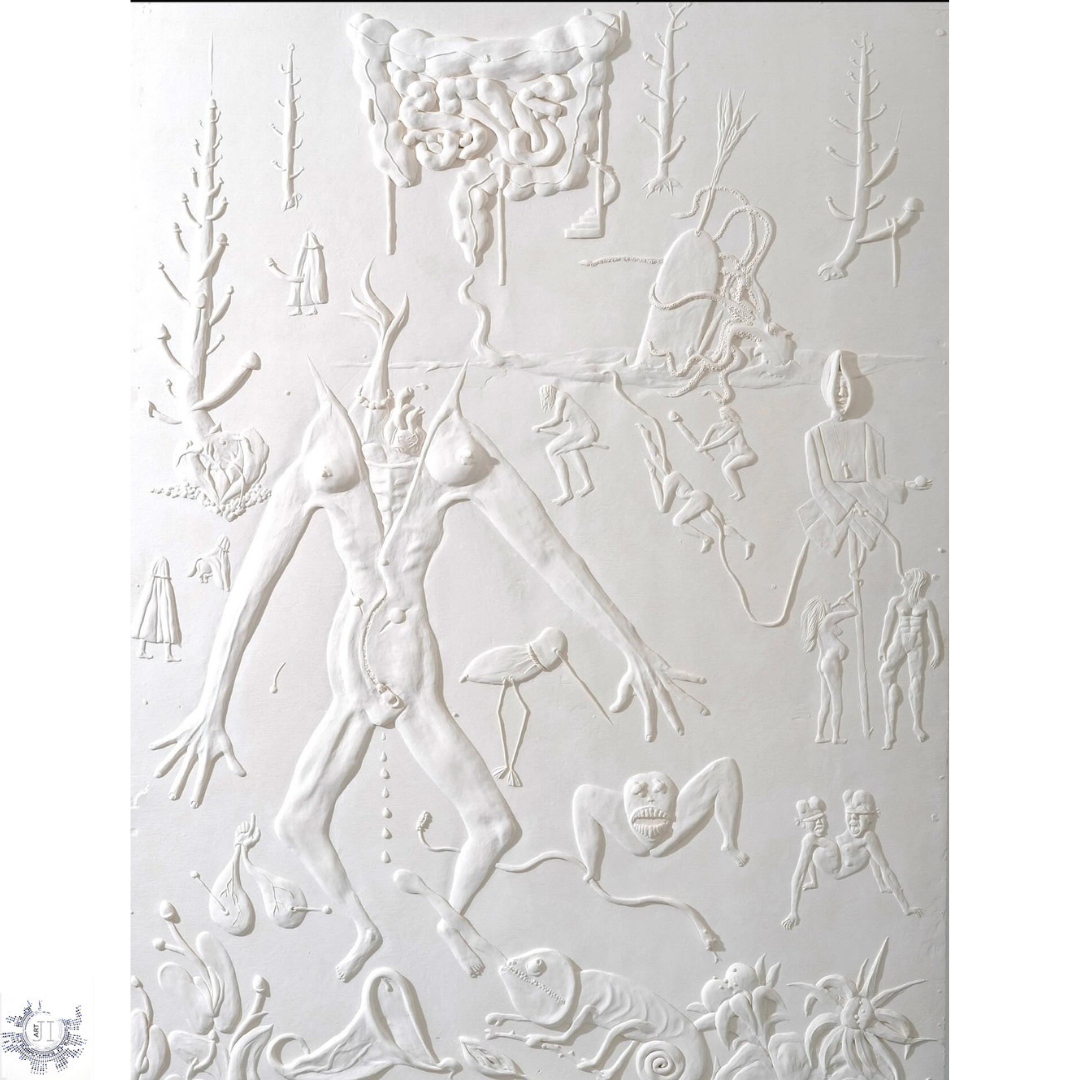
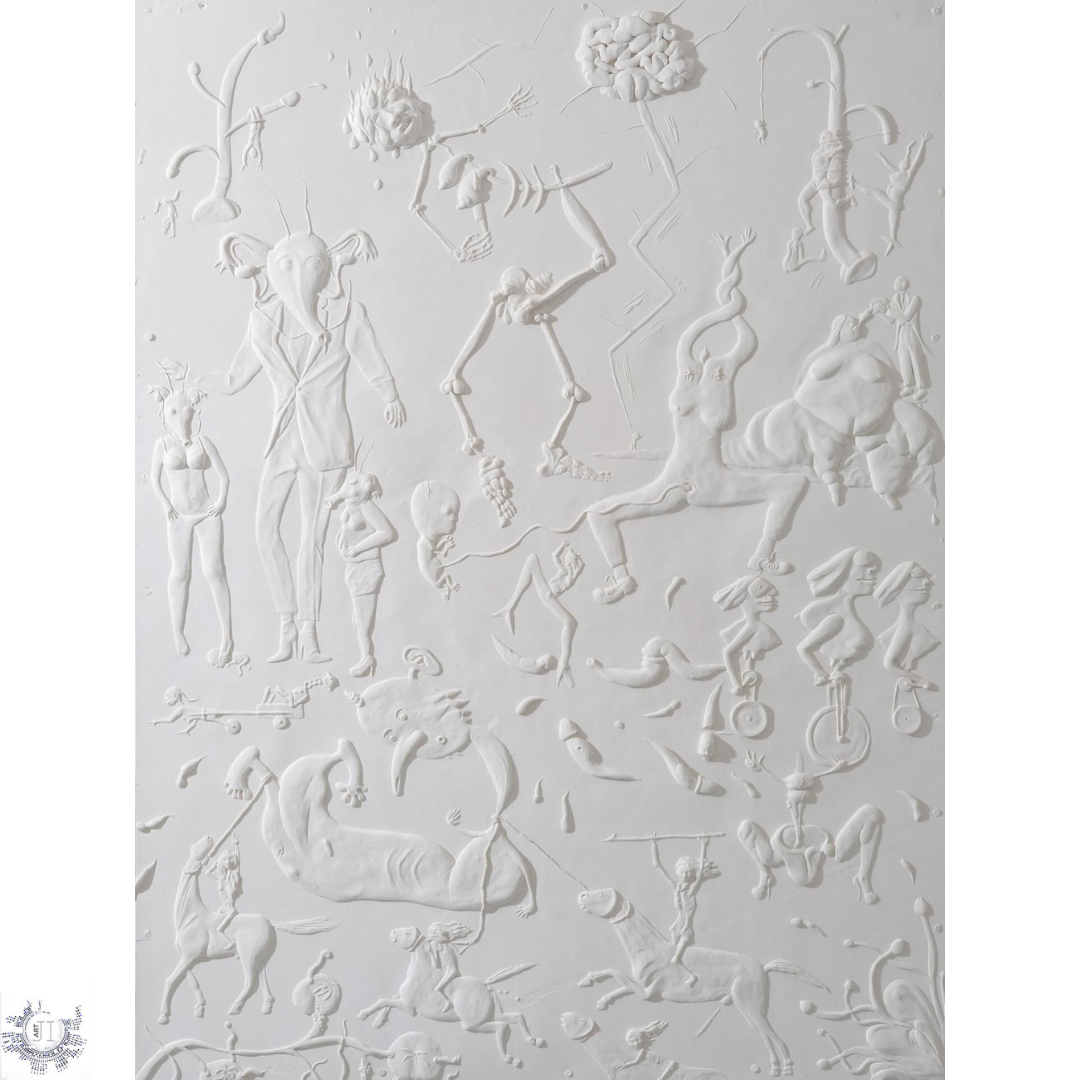
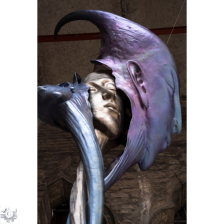
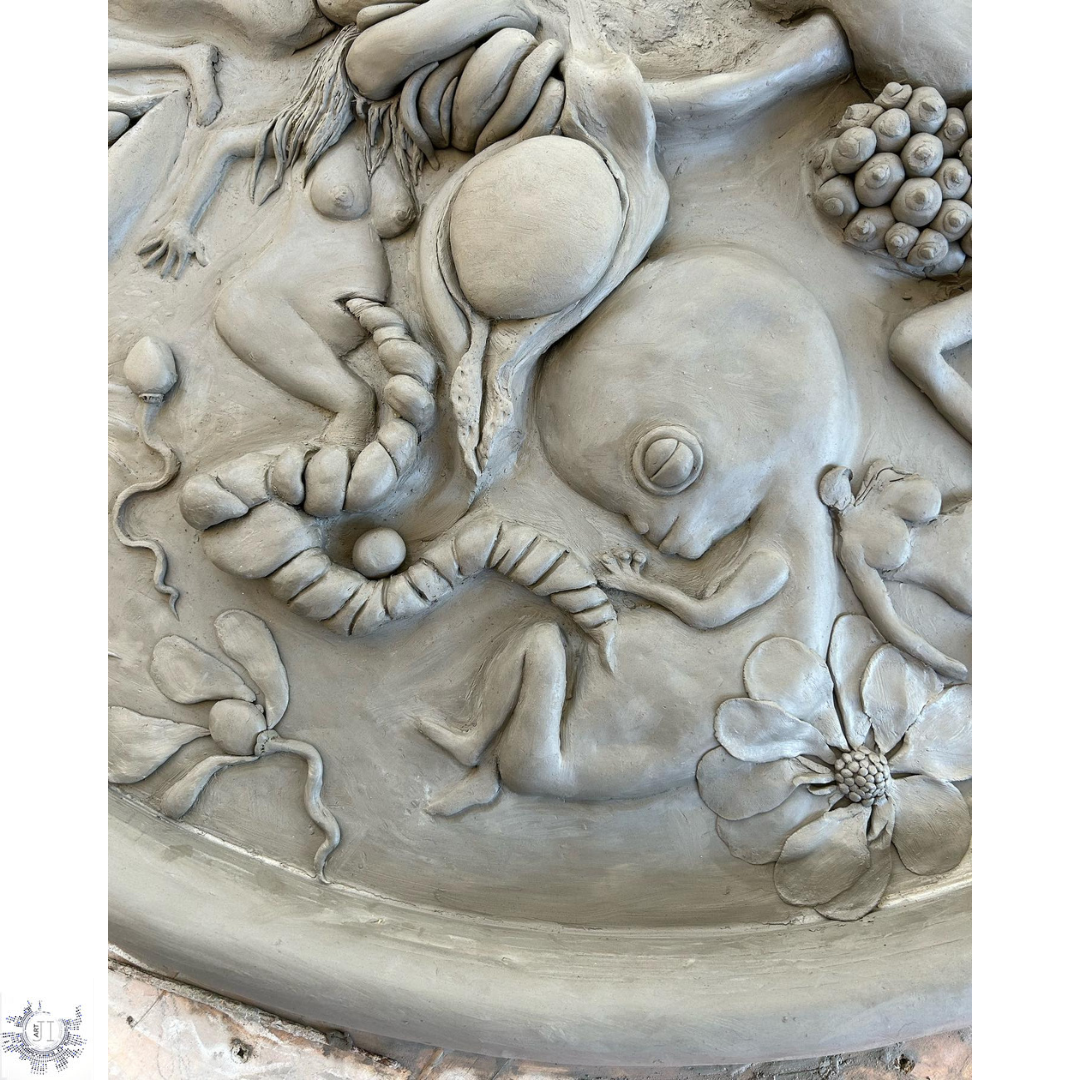
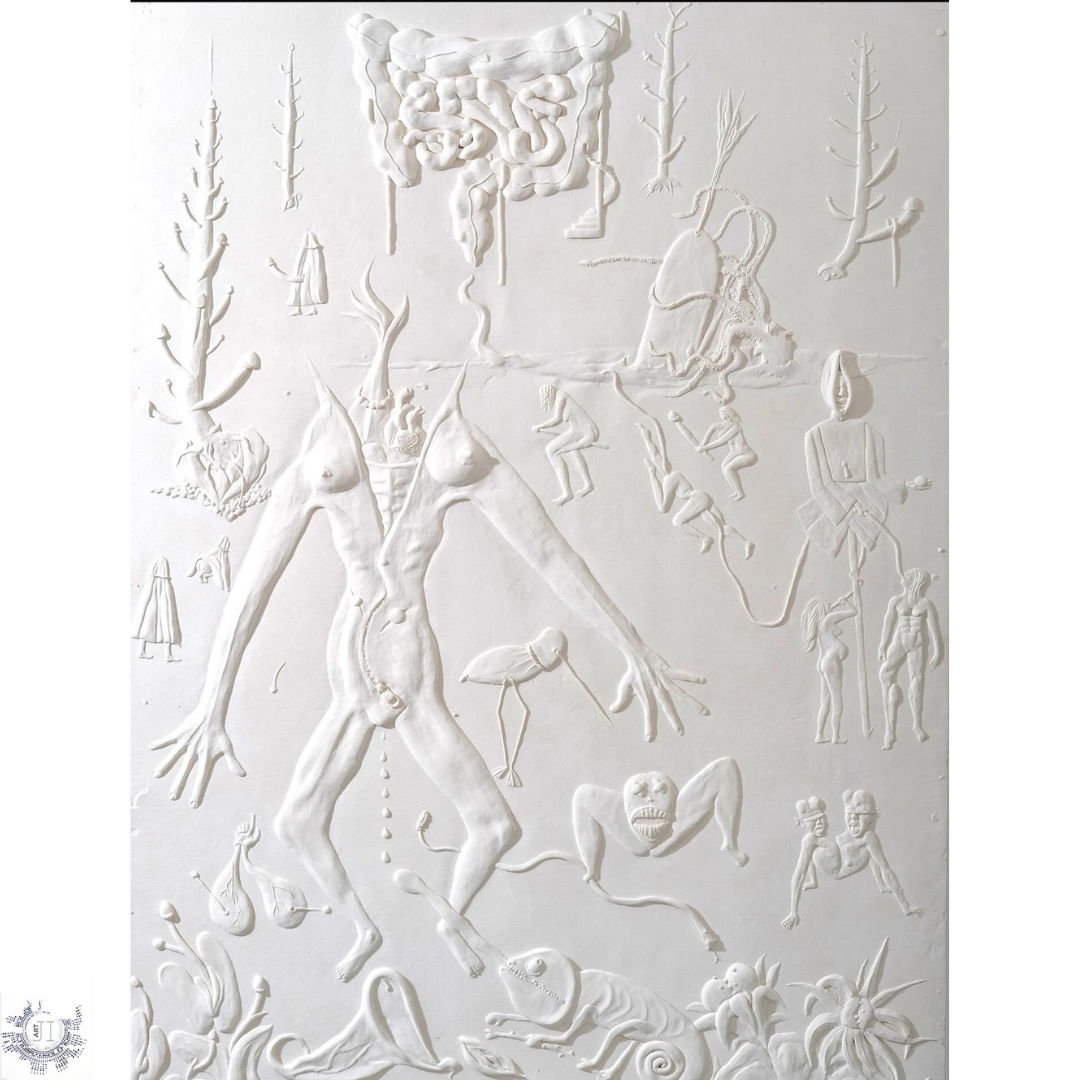
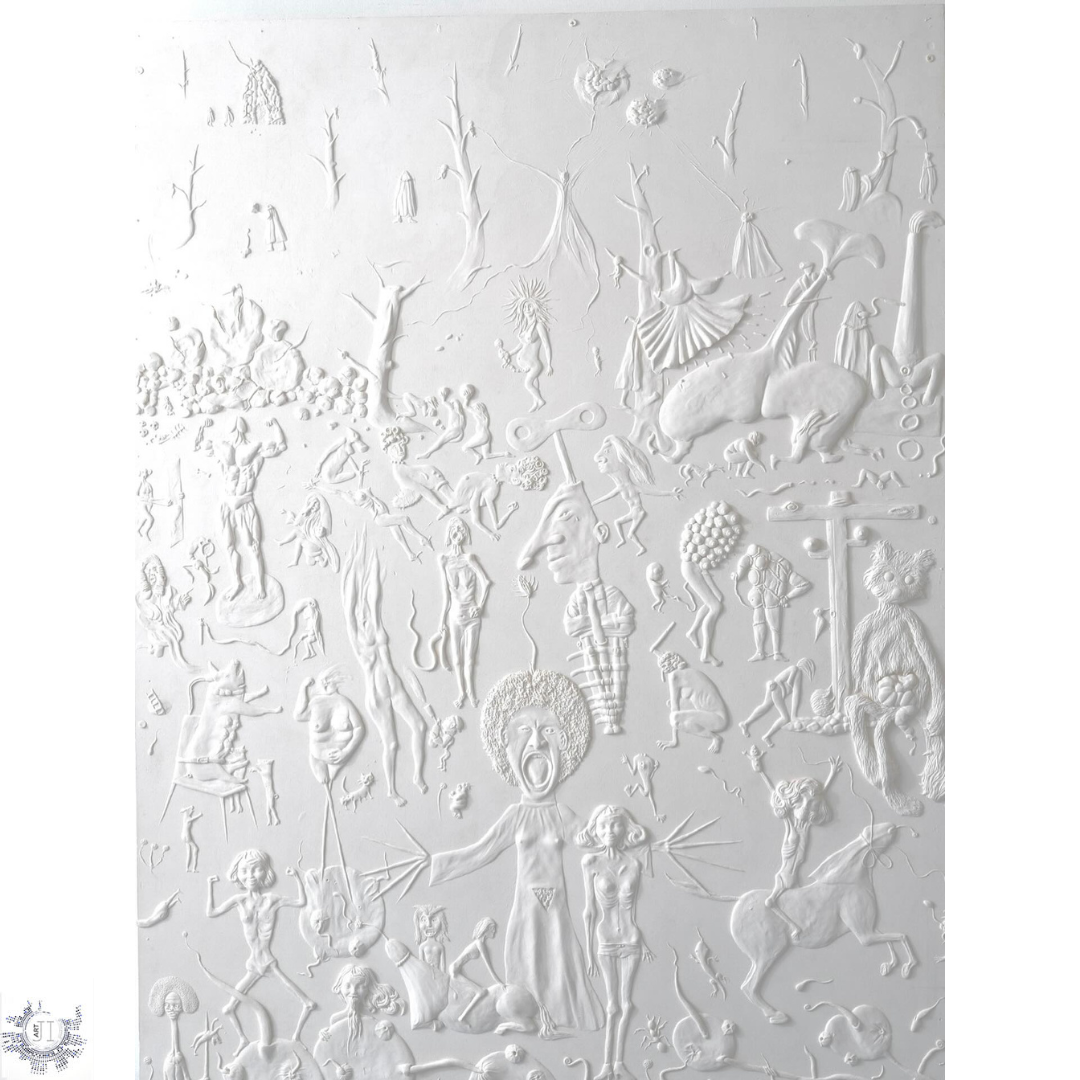
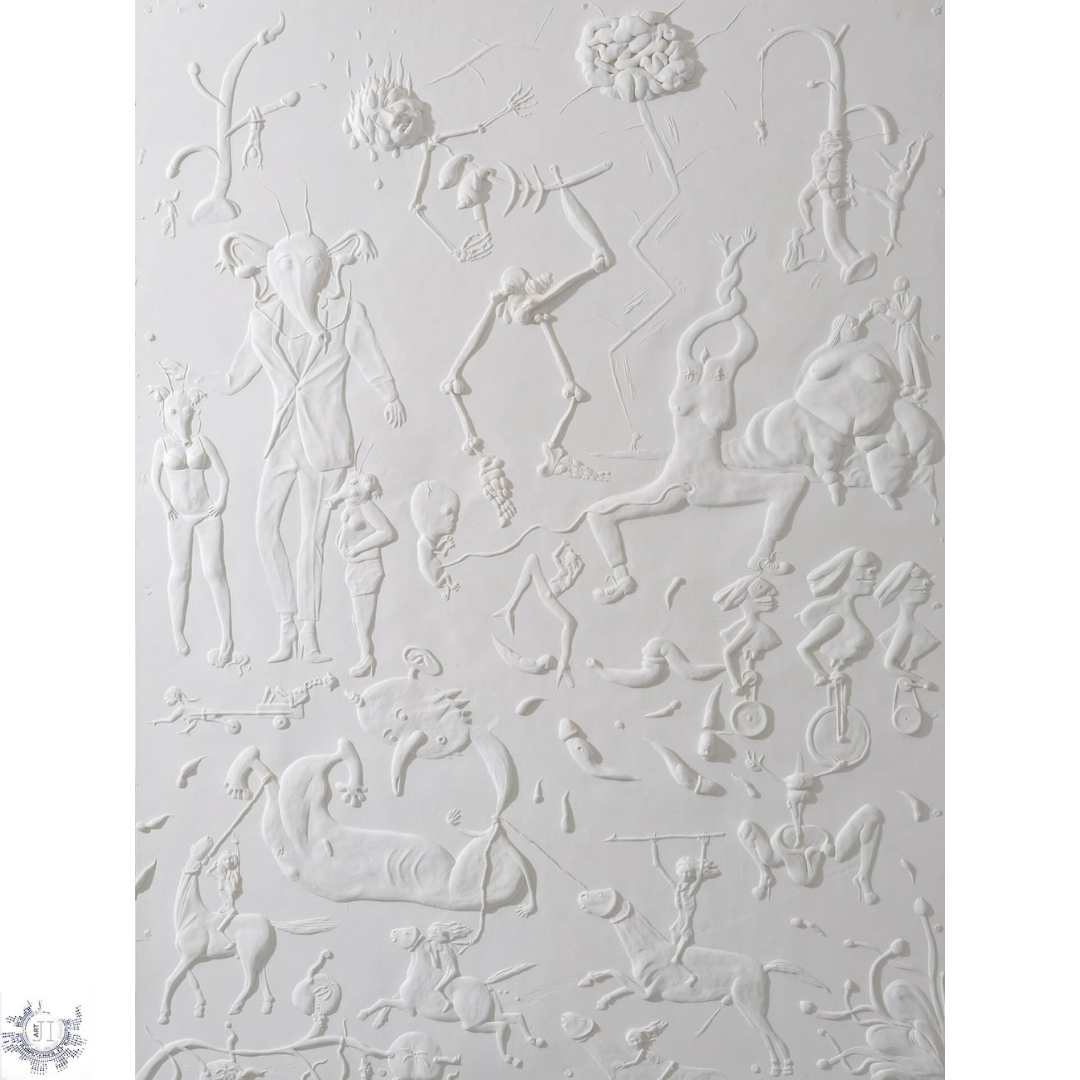
Tim Noble: That’s what I did with a piece called Imaginary Beings. It was a relief work, meaning the forms are raised up from the board you’re working on with clay.
I spent months making that piece. There was a lot of failure. My mind was racing ahead, but my ability to model the forms wasn’t catching up. I wasn’t very good at modelling at first. I just had to keep doing it every day and trust that it would eventually work.
After months, it began to come together. I started to catch up with what was going on in my head. Images would begin to appear, and as one appeared it would spark another. The flow would start, and the entire board would fill with these imaginary beings and fragments of forms.
They aren’t complete images in the mind. They’re more like bits and pieces that splice together and emerge on the board as you work.
I made five panels like that in a shed by the sea. Before that, I had been living in a double-height, state-of-the-art architectural building in East London. When I moved to the coast, a lot had changed in my life.
My collaboration of twenty-five years had ended. Everything felt as though it had been sabotaged. My relationship had broken down. Then suddenly I had a new wife and a baby.
All of those things inevitably poured into the relief work. You can see fetuses in there, and all sorts of landscapes of forms and events unfolding.
Landscapes are important to me because I’m from the countryside. In nature, everything feeds off something else. It can be quite predatory. The natural world is an aggressive place where things constantly compete and consume one another.
All of that found its way into the pieces I was making.
The idea is to spend a lot of time making, but without the pressure of expensive materials. When the cost is low, you can work intensely and freely, and that’s when ideas begin to flourish.
Tim Noble
The JI: How do waste, chance and cheap materials become large sculptures that take over space?
Tim Noble: At the moment I feel as though I’m going through another stage in my practice. In the past I made things out of trash, using rubbish I found lying on the street. I started doing that partly because I was bored in the studio. There was nothing particular for me to work on, but I still wanted to make something.
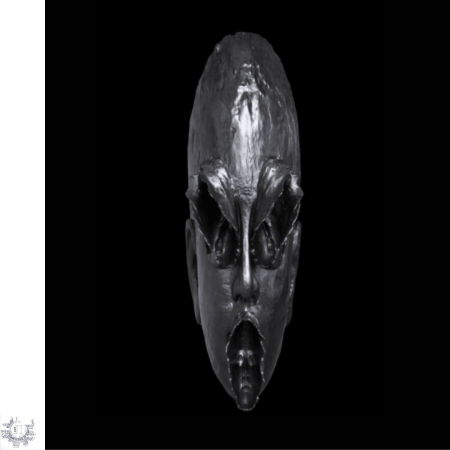
So I began going through the kitchen bin, pulling out bits of plastic bottles and other discarded materials. I started constructing this head out of those things. That object eventually became one of the first shadow works we made as a collaboration. In fact, I invented the piece myself.
At the time I found it slightly embarrassing. It looked a bit like an art school project. But when people came to the studio they would ask, “What is that?” They found it really intriguing and encouraged me to include it in our next exhibition. We showed it in our warehouse space in the early days of Shoreditch.
Often these accidents happen when the pressure is off. That’s when interesting things start to emerge.
More recently I’ve returned to using simple and recycled materials again. For this piece I used plastic bottles, scraps of wood for the frame, cling film, gaffer tape, screws, and eventually papier-mâché and glue. Everything is very inexpensive.
The idea is to spend a lot of time making, but without the pressure of expensive materials. When the cost is low, you can work intensely and freely, and that’s when ideas begin to flourish.
Now my intention is to make sculptures that occupy not only the floor but also the space in the middle of the room and above it. When you encounter the piece, you have to walk around it. You have to navigate it physically.
That’s what sculpture does. It occupies space.
This studio space has been empty for years. Many rooms function perfectly well without large objects in them, but once a sculpture enters the space it demands to be confronted. It has to exist there and become part of the atmosphere.
That’s really what I’m doing now. I’m challenging the spaces with my work.