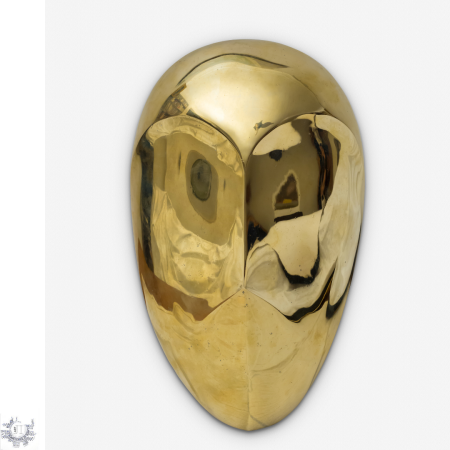

ANNA FASSHAUER: THE ART OF BECOMING, OR HOW DAMAGE MATURES INTO FORM
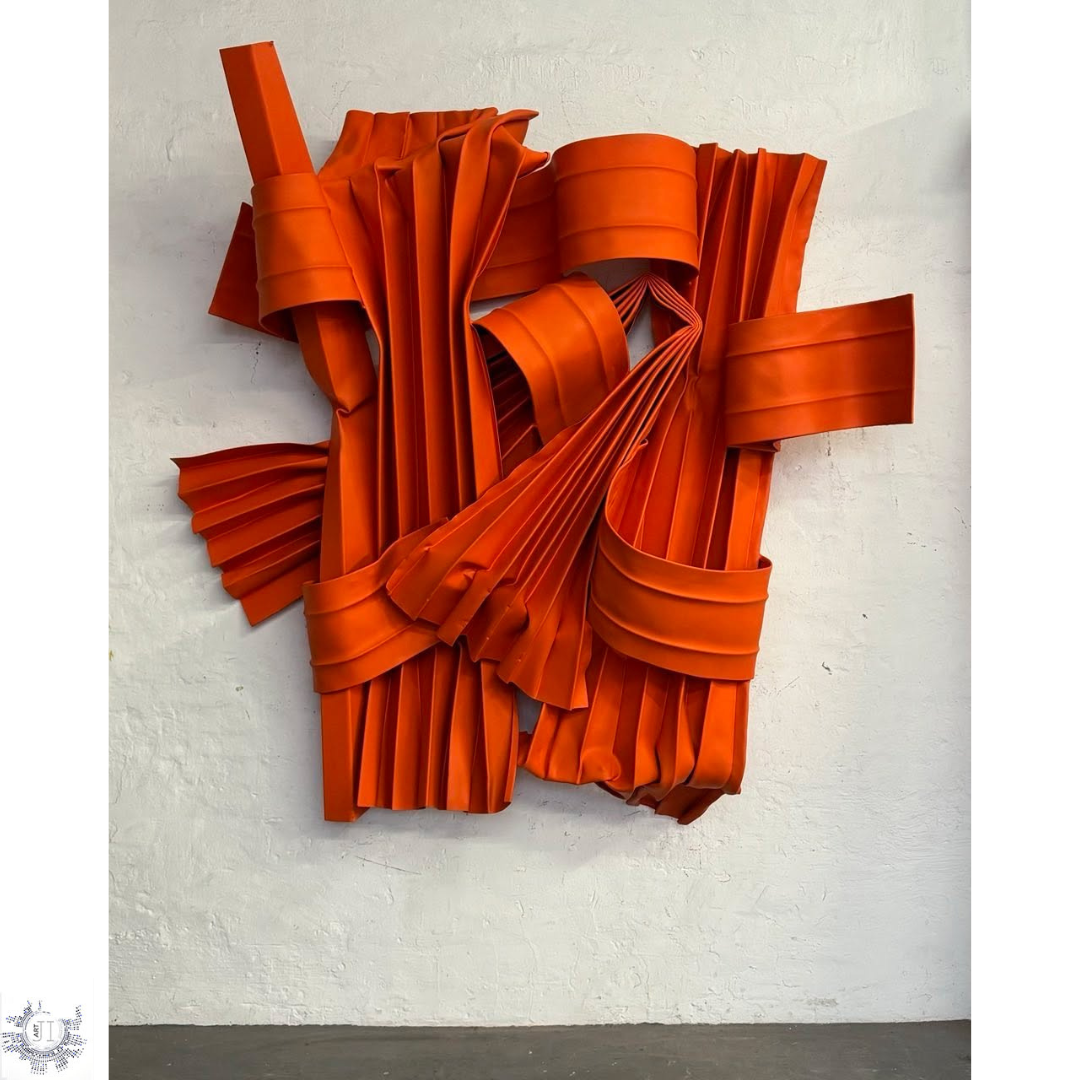
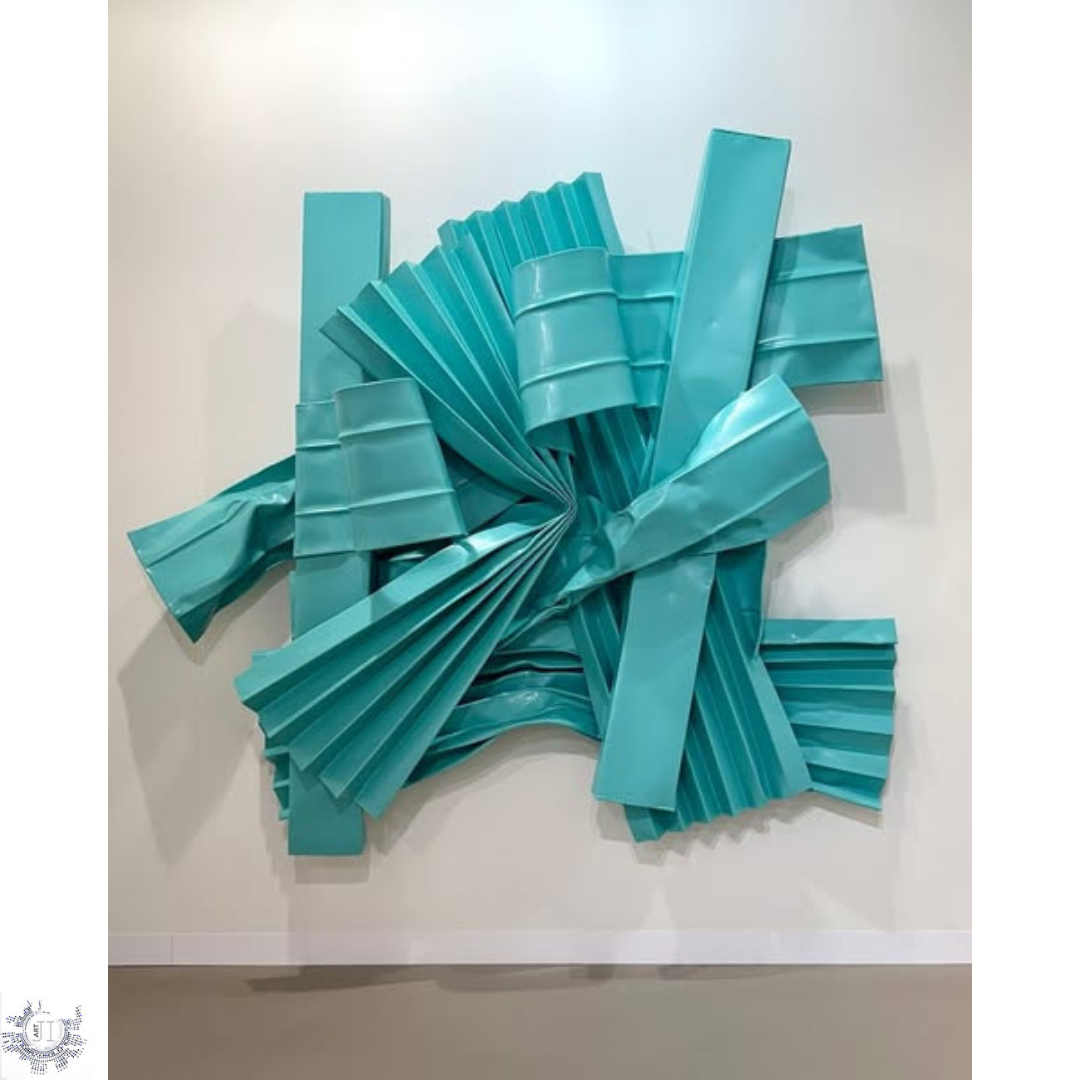
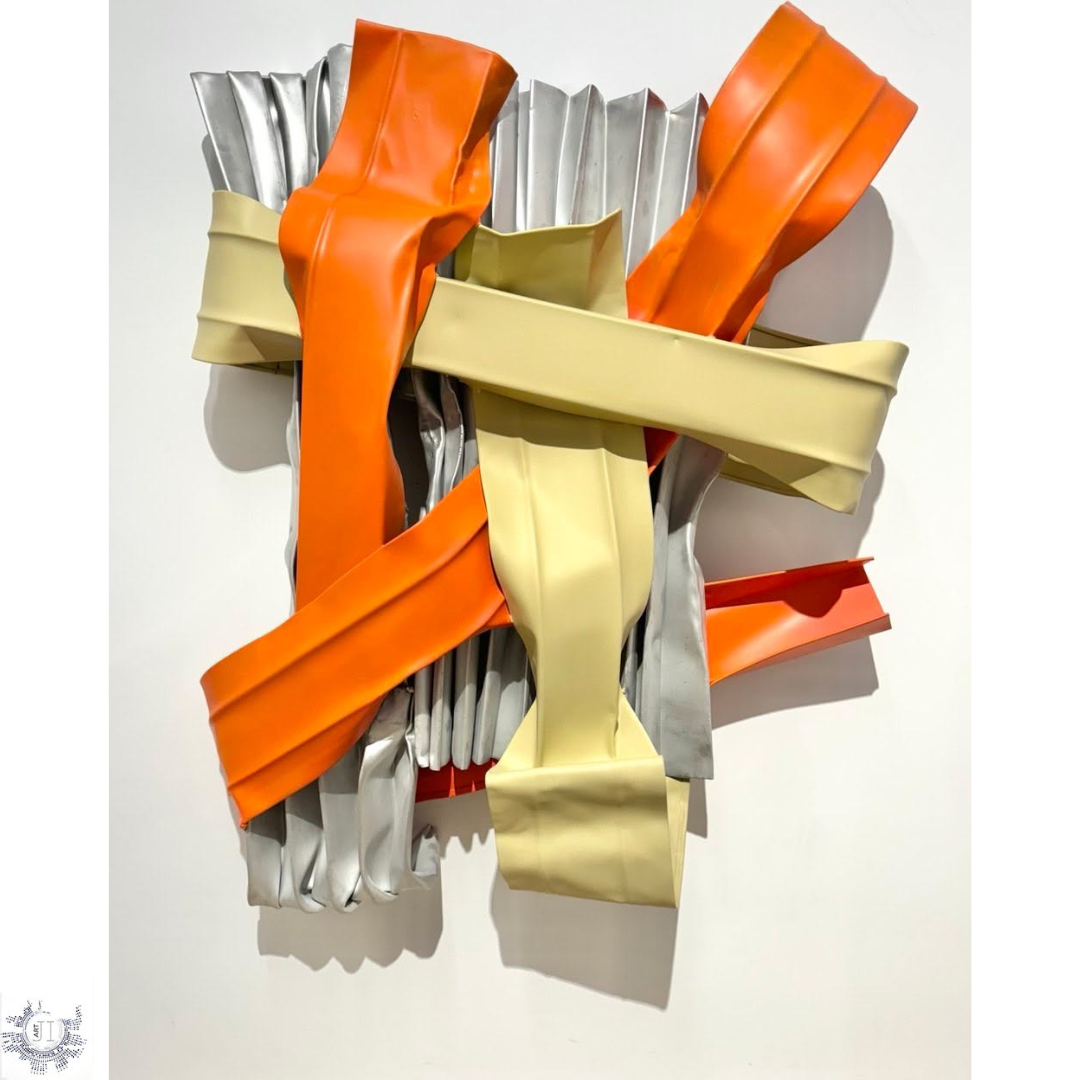
Beauty includes ugliness. Dented, broken surfaces can be very sensual and beautiful. If looking at the sculptures makes you want to touch them, then a lot has already been achieved.
Anna Fasshauer
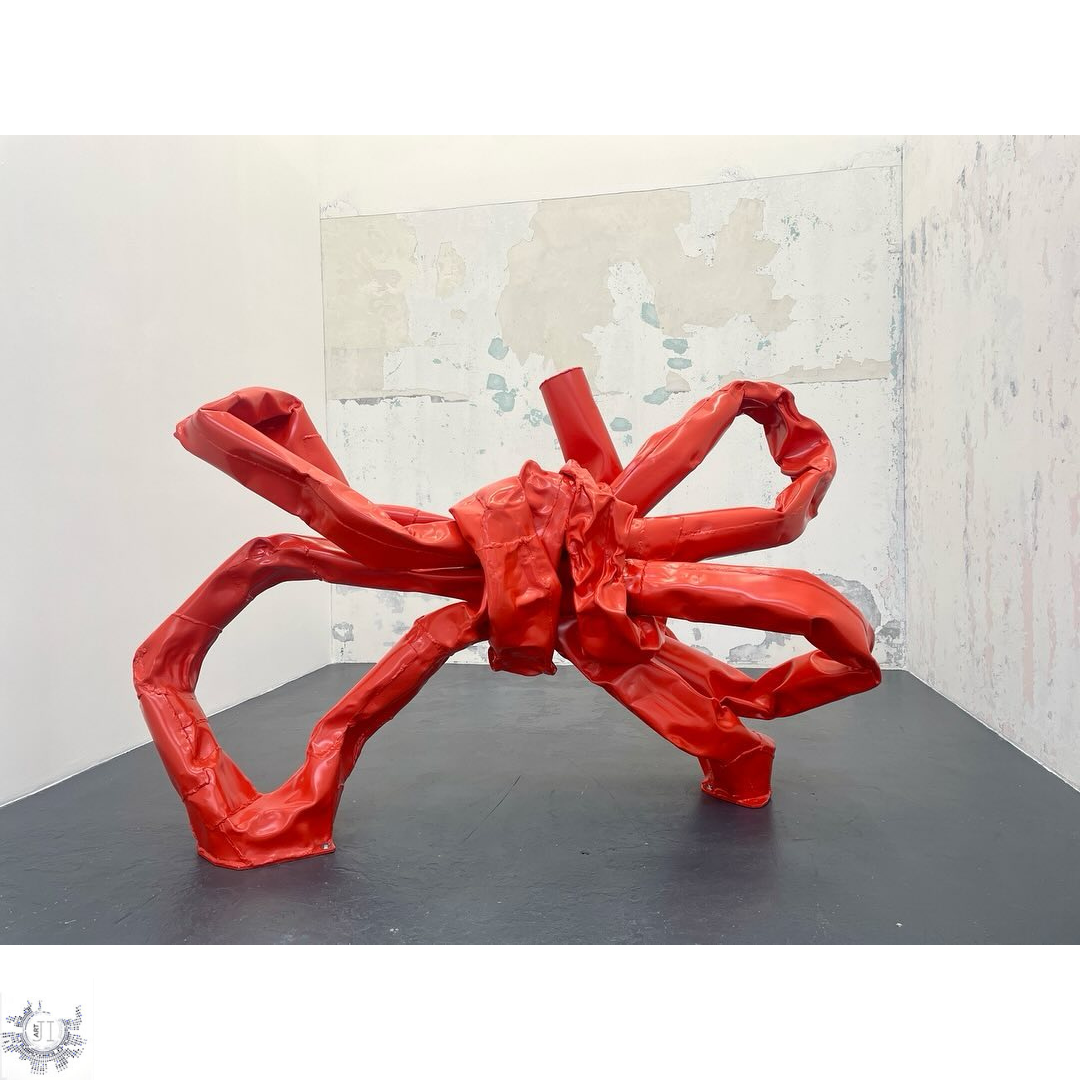
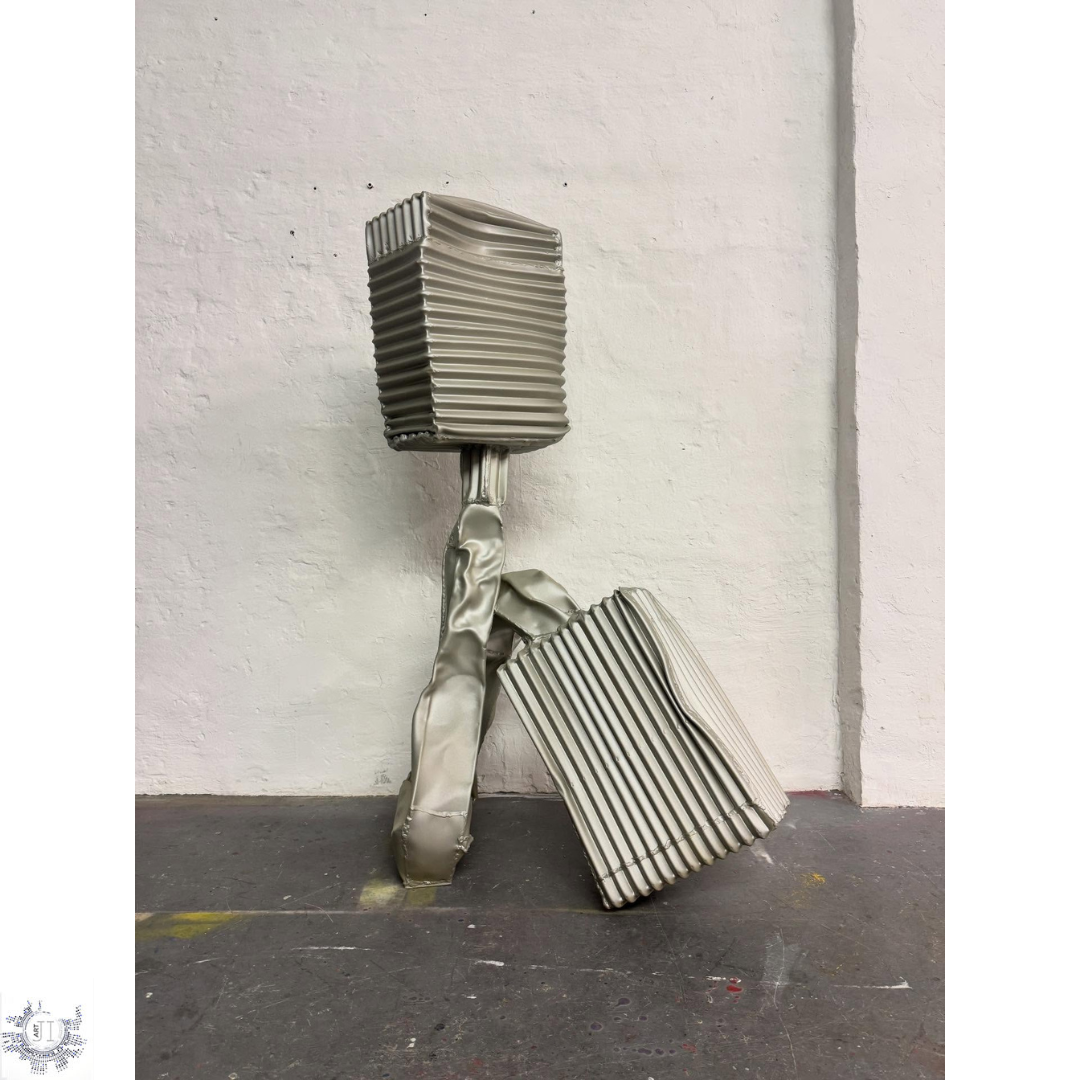
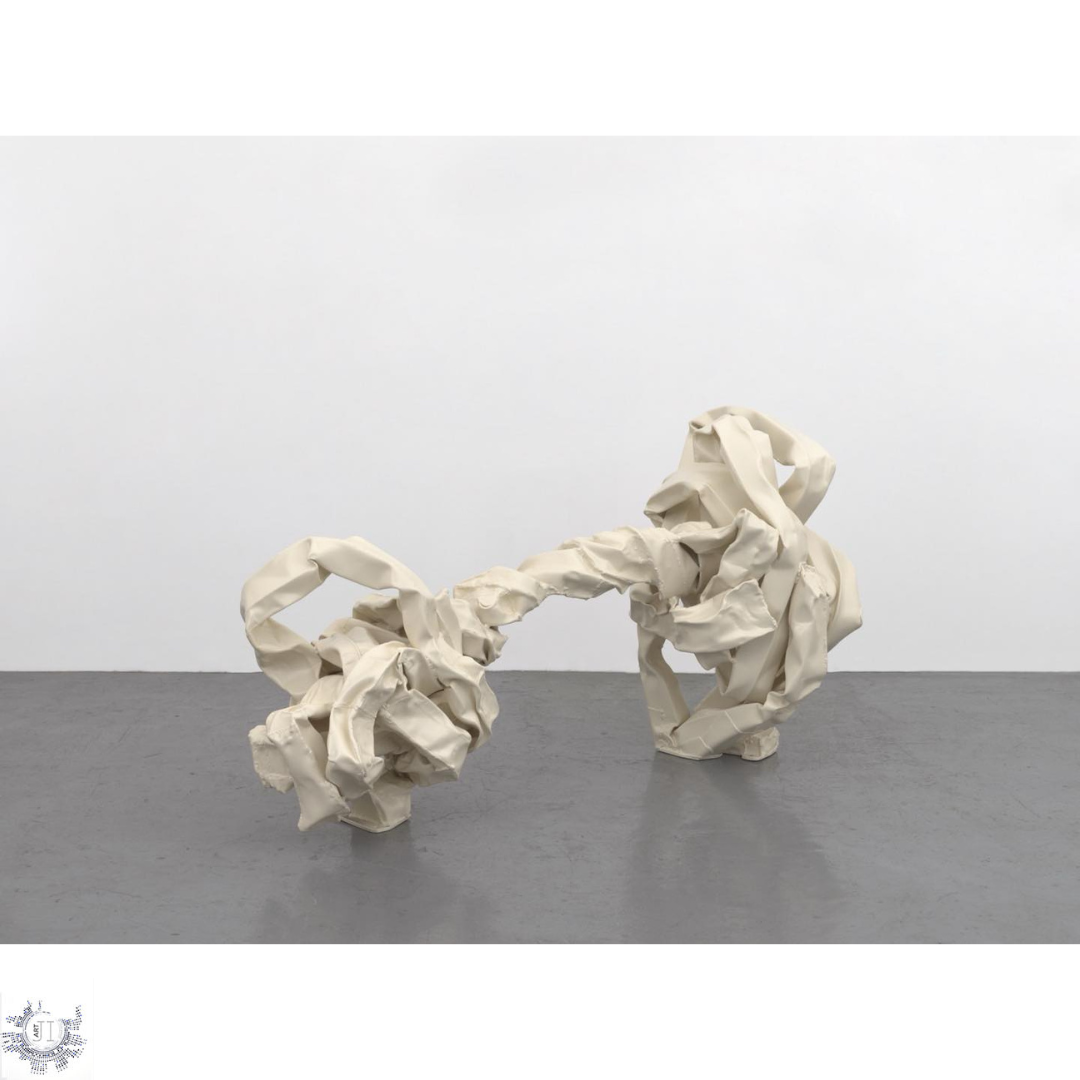
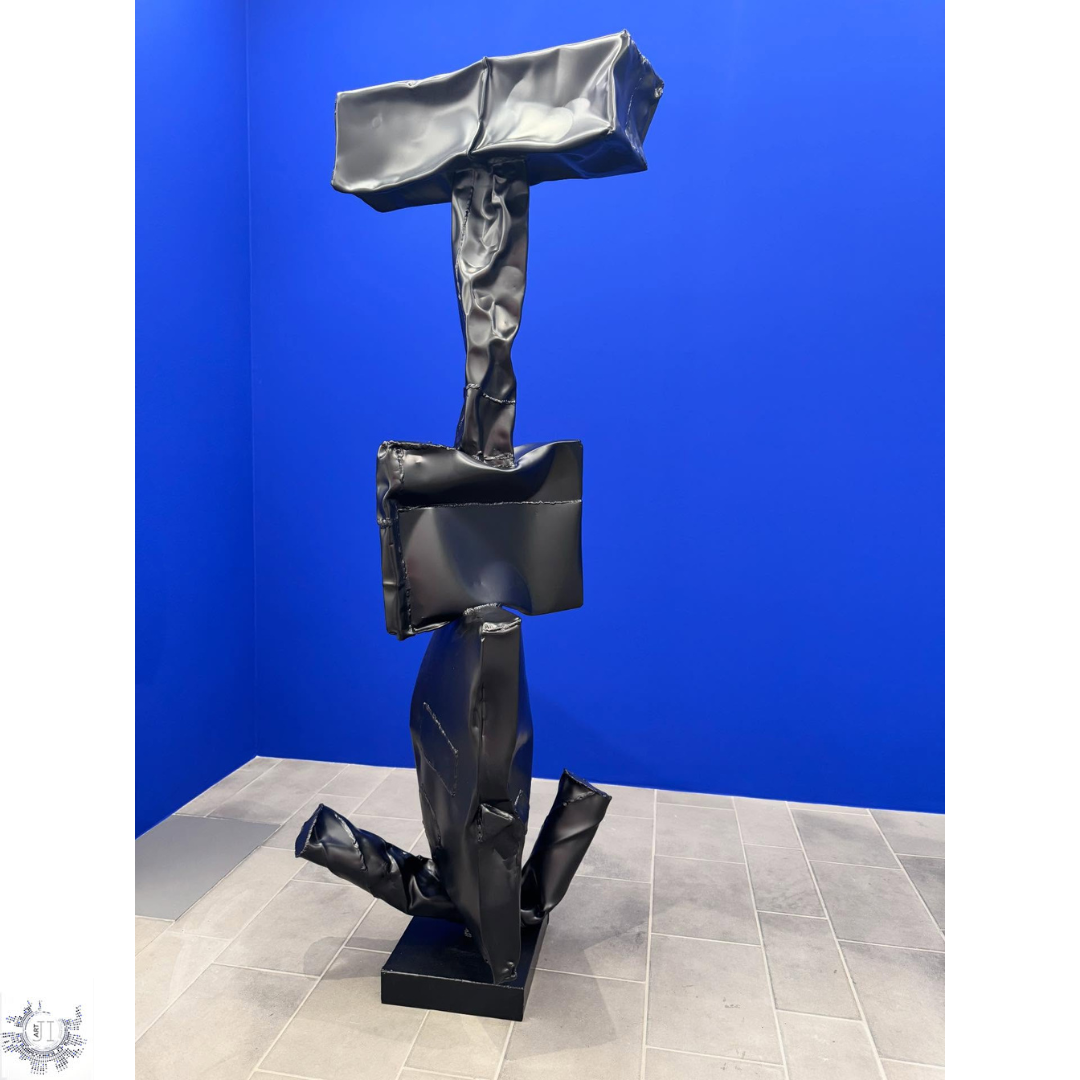
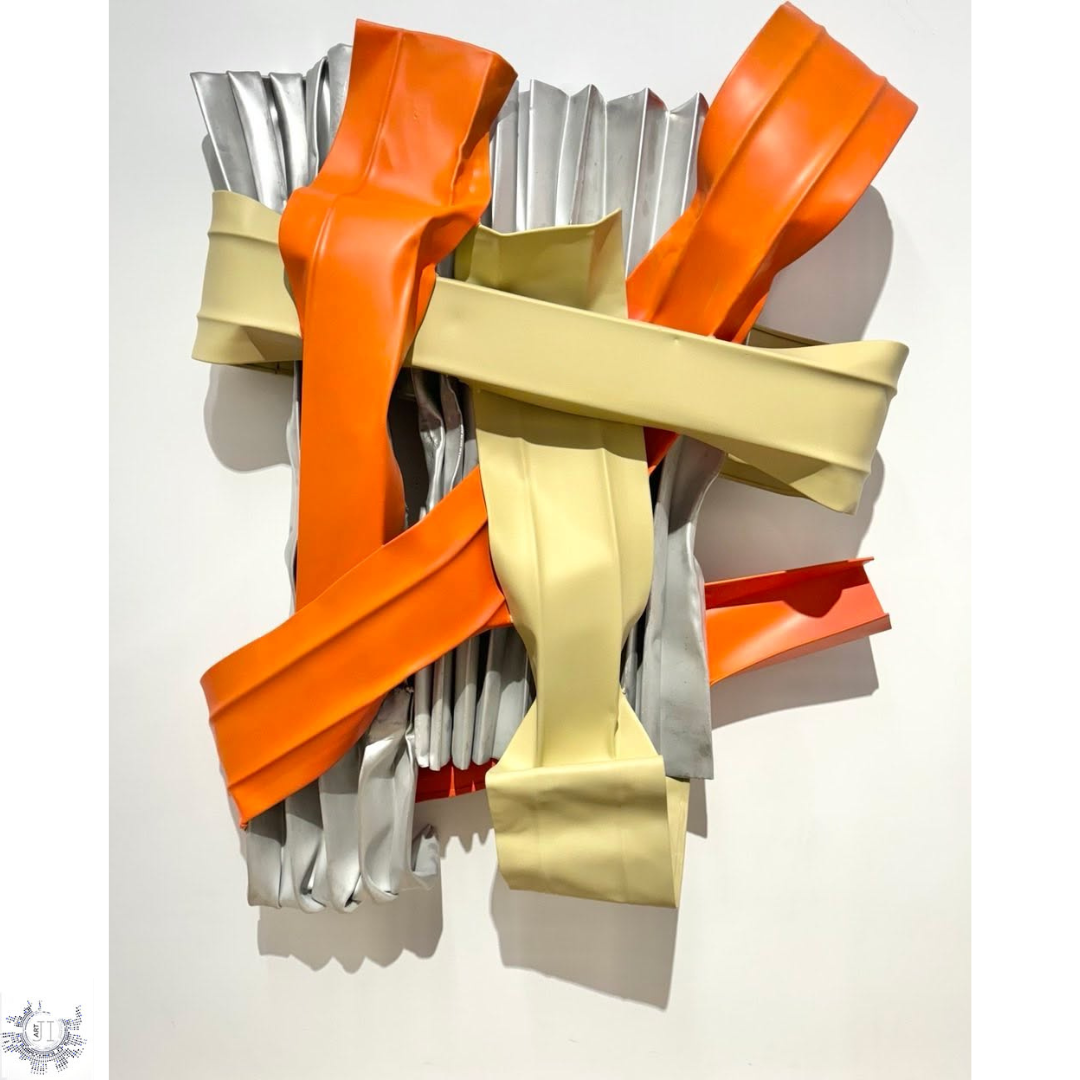
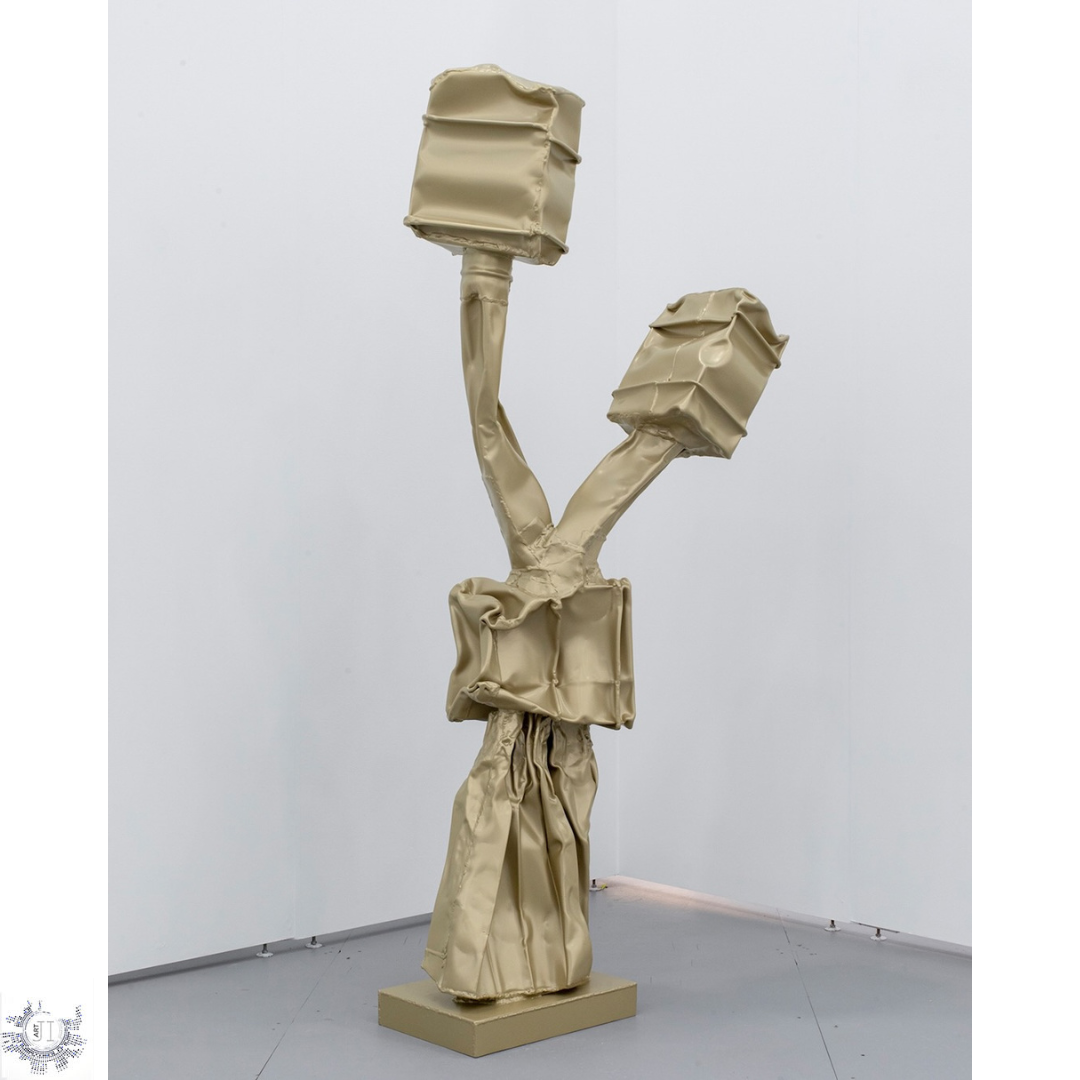
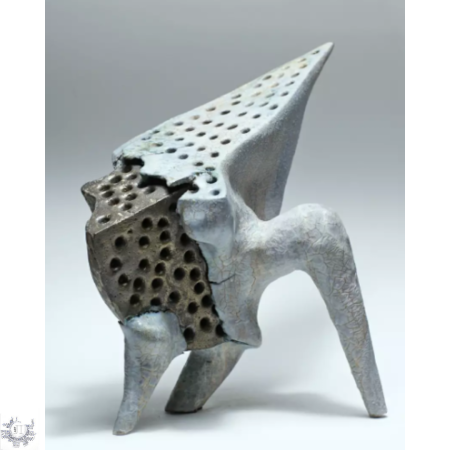
In Anna Fasshauer’s Berlin studio, aluminum is struck, dented, and riveted by hand. Working without assistants or industrial bending machines, the artist shapes each sculpture through direct physical force: the dents remain visible, and the damage becomes the form.
Her brightly colored aluminum structures initially suggest oversized everyday objects: straws, sticks, gigantic, bent barbells, fragments of familiar things. However, their warped geometry and compressed surfaces introduce tension beneath and beyond the playfulness.
Aluminum, lightweight yet resistant, endlessly recyclable yet costly to produce, sits at the center of her practice, where Anna exploits its contradictions. Her sculptures stand and lean like figures under pressure, while abstraction, in her hands, brushes against economics, humor, and the physical limits of endurance.
In our conversation, Anna Fasshauer speaks about the destruction that comes first, the construction that follows, and the beauty that, she insists, includes ugliness.
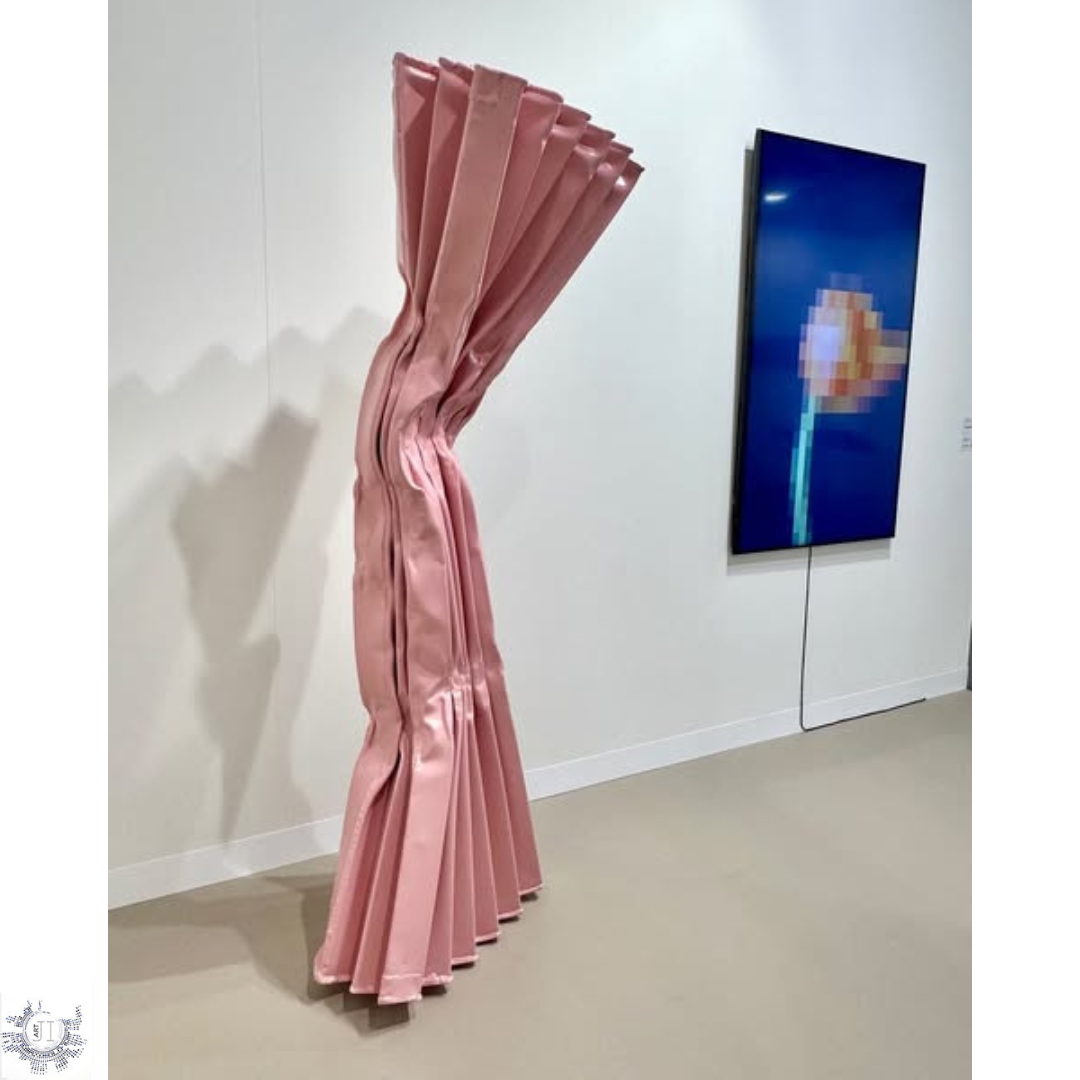
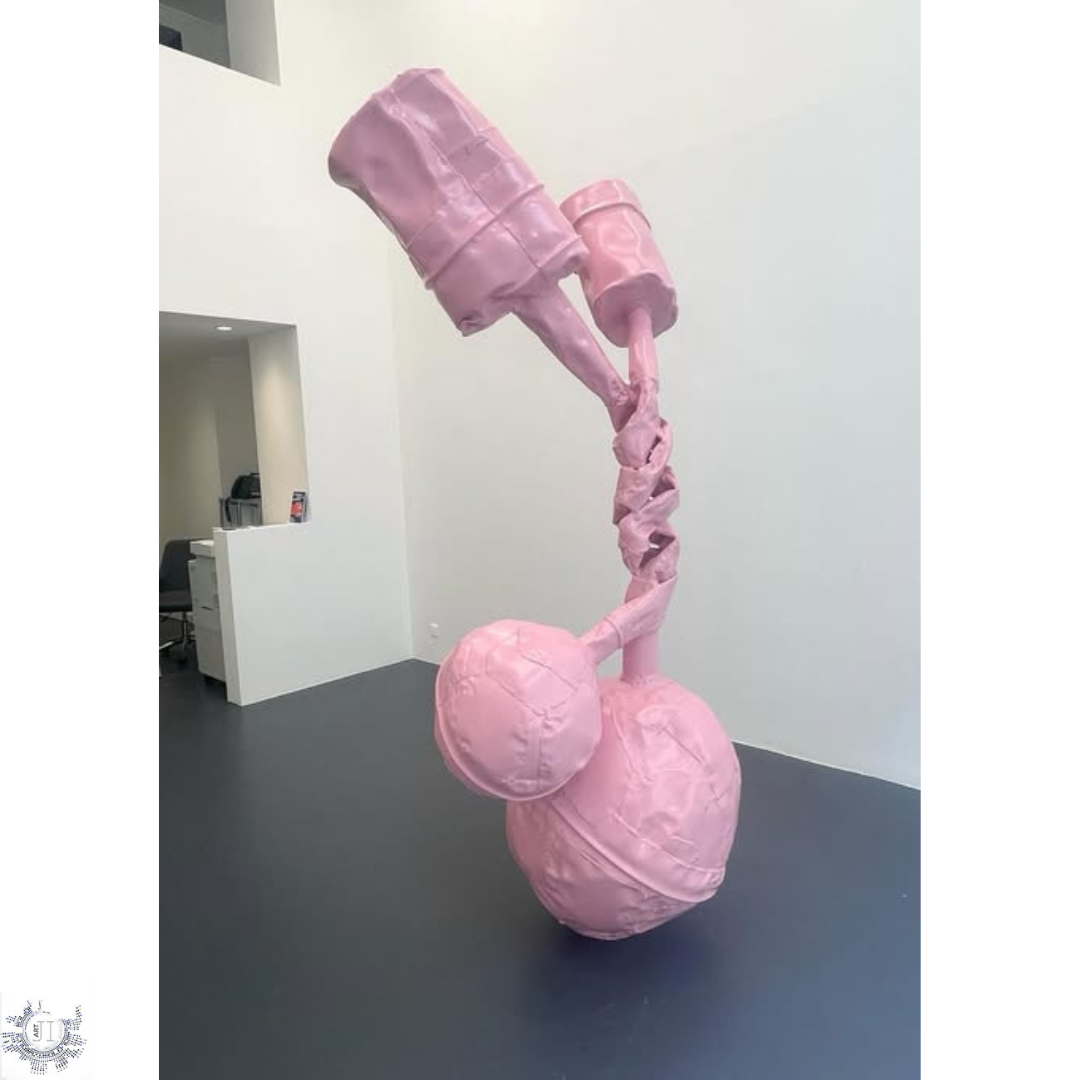
The destructive element does not come from aggression, but rather from a desire and curiosity. The desire to create new possibilities through destruction. A bit like reshuffling the cards.
Anna Fasshauer
The JI: Aluminum is ancient, indestructible, lightweight, and endlessly wasted. What contradictions in our culture, and in ourselves, does this material allow you to explore?
Anna Fasshauer: Aluminum is a material that we encounter everywhere in everyday life. Who hasn't played around with aluminum foil? I chose aluminum primarily because of its mechanical properties, not because of its history or cultural influence. I came across it and knew from my childhood experiences what potential it had.
The JI: You begin with pristine, industrial material and deliberately ruin its flatness and straightness. Do you think of your process as destruction or construction, aggression or creation?
Anna: It is construction preceded by destruction. During the working process, I destroy a lot, but in the end it is a construction, a composition. The destructive element does not come from aggression, but rather from a desire and curiosity. The desire to create new possibilities through destruction. A bit like reshuffling the cards.
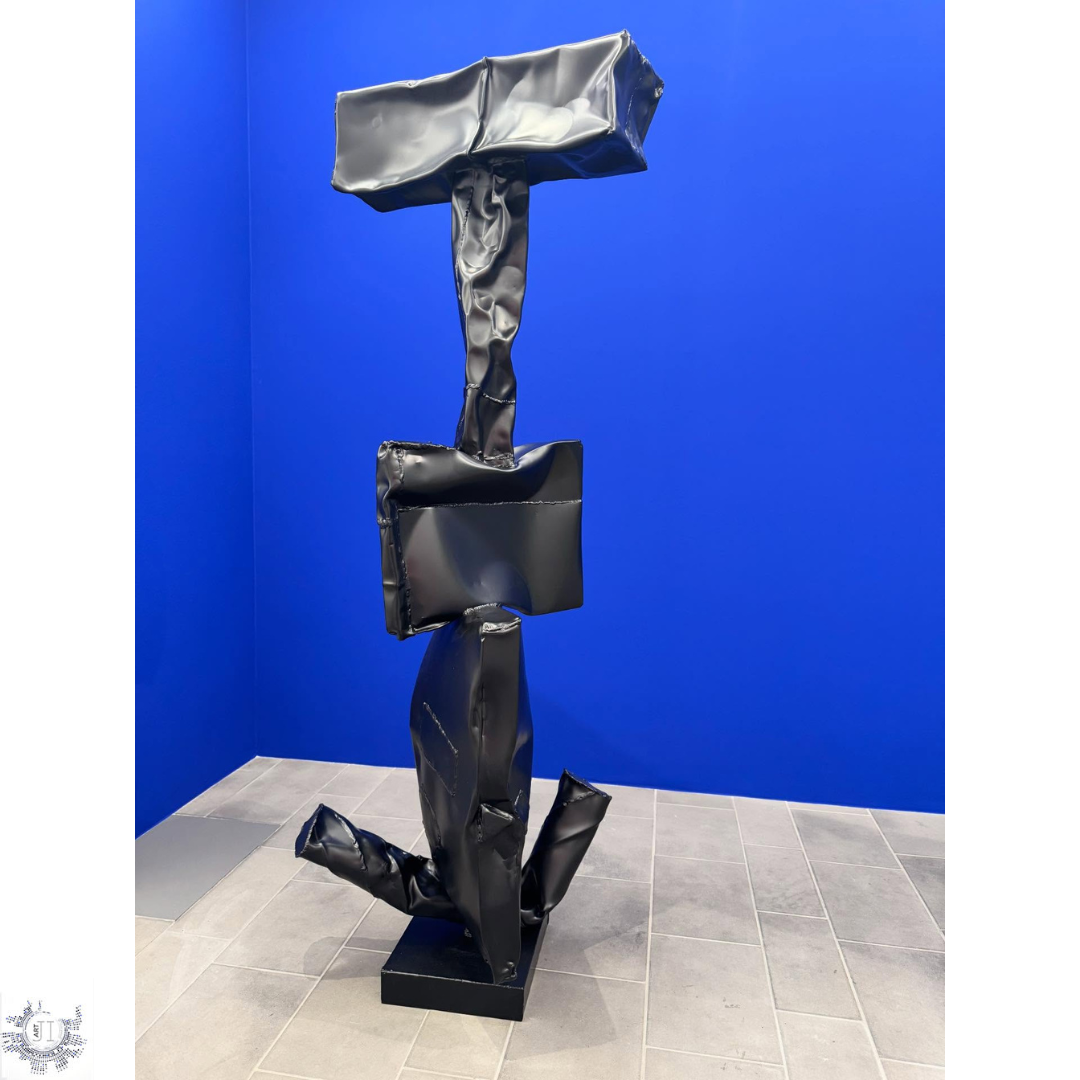
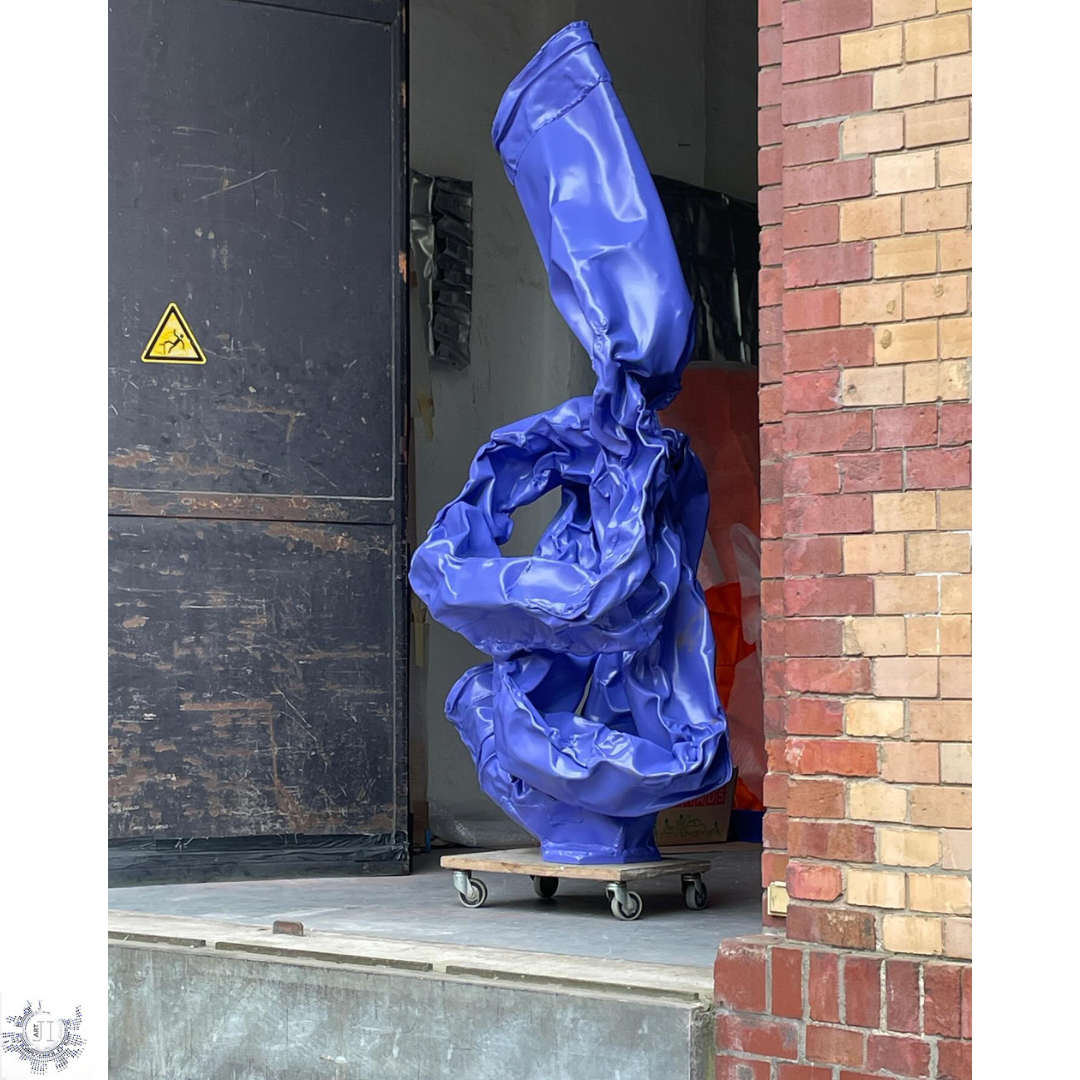
They are individuals. Figures like those seen in cartoons or slapstick, who get hit on the head and carry on regardless.
Anna Fasshauer
The JI: Your works often seem to stand, lean, or gather like figures on a stage. Do you think of them as bodies, characters, systems, something else? Are your sculptures individuals, or members of a particular, new species?
Anna: I try to give my sculptures movement, partly to create an impulse to walk around the sculpture. This movement evokes something figurative, even though I create abstract forms. And although I want to create abstract forms, I also intend to give the forms character or personality. If so, then they are individuals. Figures like those seen in cartoons or slapstick, who get hit on the head and carry on regardless.
If you ask me whether these figures are heroes, victims, villains or involuntary participants, I would say they are a bit of everything – just like most of us.
Anna Fasshauer
The JI: Why name sculptures after corporations or boxers? By pairing crushed, bodily forms with corporate names taken from stock indices, you give abstract economic power a kind of physical presence. Are these figures heroes, victims, villains, or unwilling participants?
Anna: I named some of my earlier works after DAX company names. I liked the combination because one is completely abstract and difficult to imagine in concrete terms, while the other immediately catches the eye. If you ask me whether these figures are heroes, victims, villains or involuntary participants, I would say they are a bit of everything – just like most of us.
The JI: Aluminum is expensive to produce yet casually discarded. What kind of responsibility does this create for the artist who chooses to work with it?
Anna: I don't know whether I bear a special responsibility because I use a material that is costly and toxic to manufacture. I don't have a large-scale production facility and I don't promote the use of aluminum. For me, it's simply a material that suits my work and that I enjoy working with. If a piece of work doesn't turn out well, I send it to be scrapped because aluminum is very easy to recycle, which is also a good thing. But my vest is not white.
Beauty includes ugliness.
Anna Fasshauer
The JI: Your work seems to hover between fascination and horror, between seduction and discomfort. Is that tension meant to unsettle the viewer? What does that emotional tension allow the work to do?
Anna: Beauty includes ugliness. Dented, broken surfaces can be very sensual and beautiful. If looking at the sculptures makes you want to touch them, then a lot has already been achieved.
The JI: If traditional sculpture is aimed to endure (nearly) forever, what kind of future do you imagine for your aluminum figures – and for us?
Anna: Everything flows. What remains and what disappears, who knows.