
TITANIUM MYTHOS BY WALLACE CHAN IN A RENAISSANCE TOWER OF THE VENICE BIENNALE
We are an impossibility in an impossible universe.
Ray Bradbury
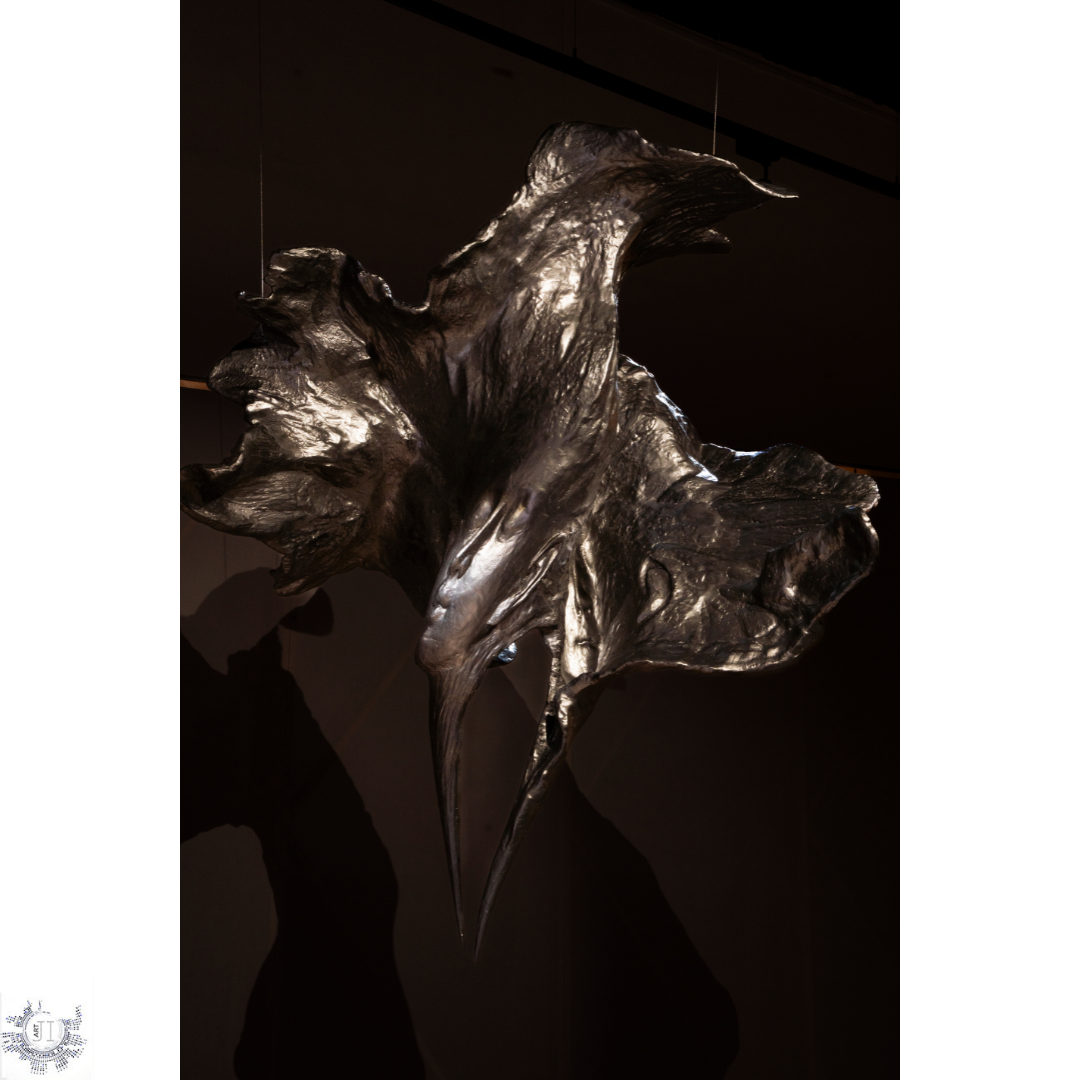
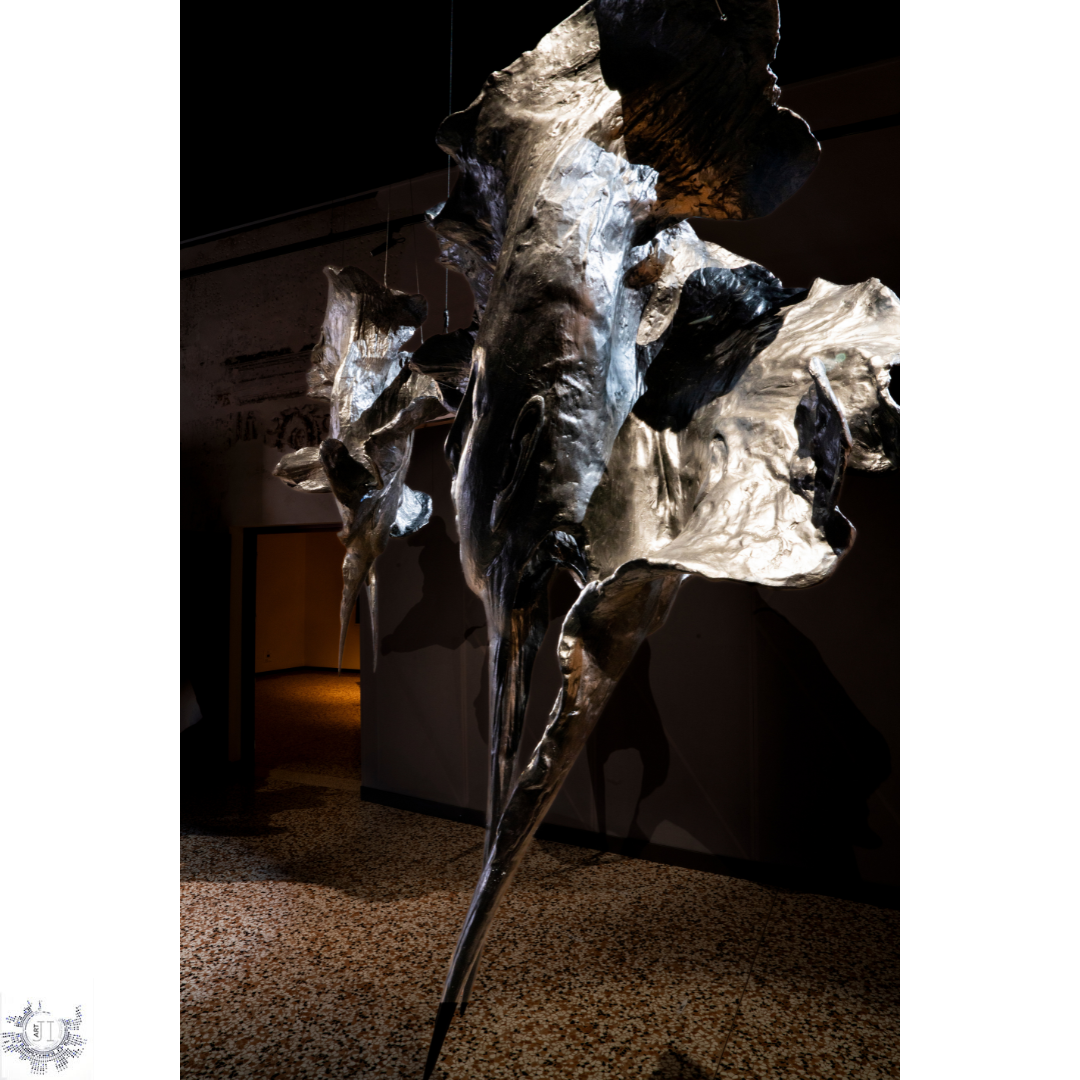
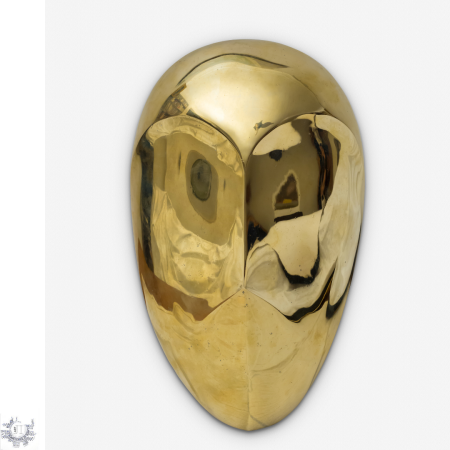
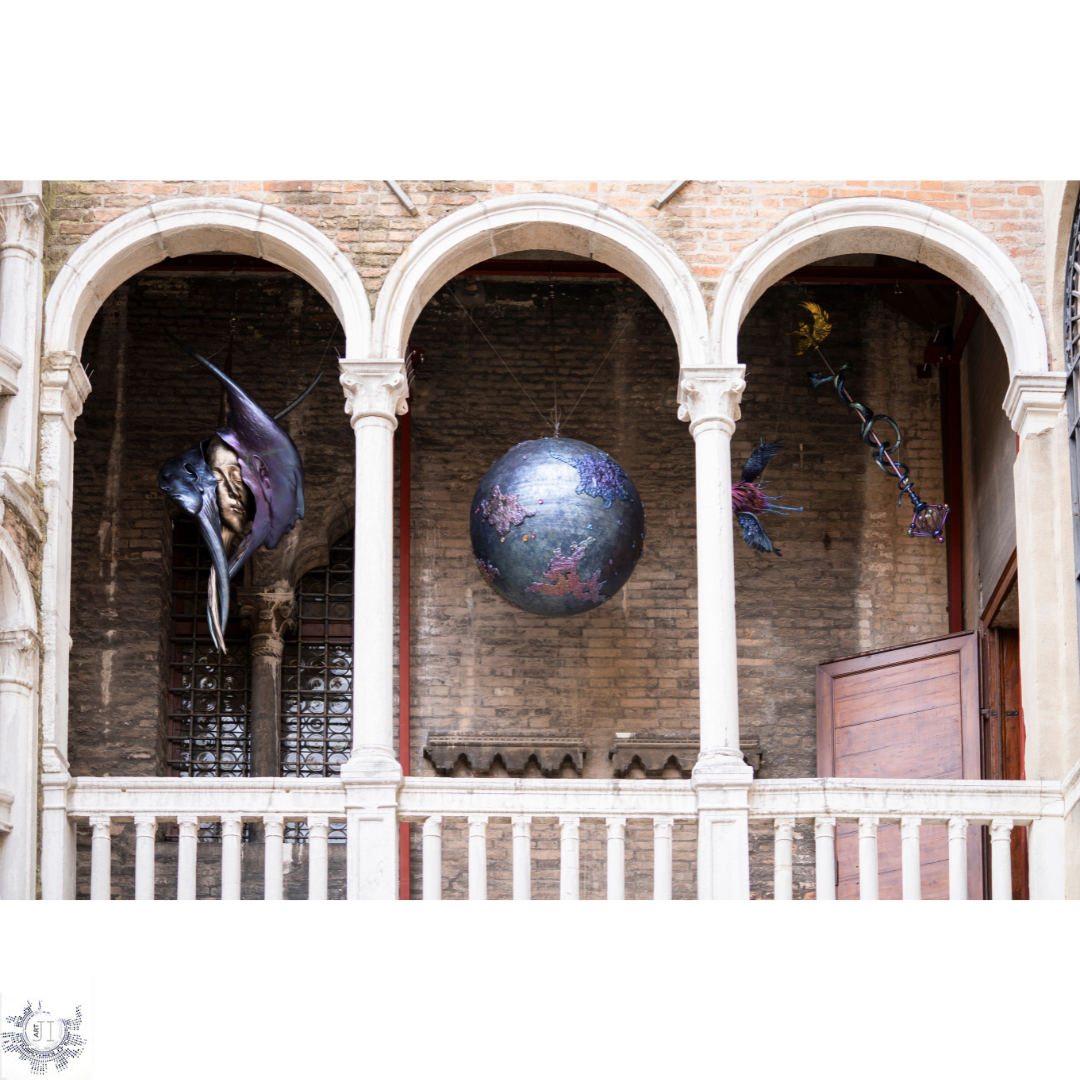
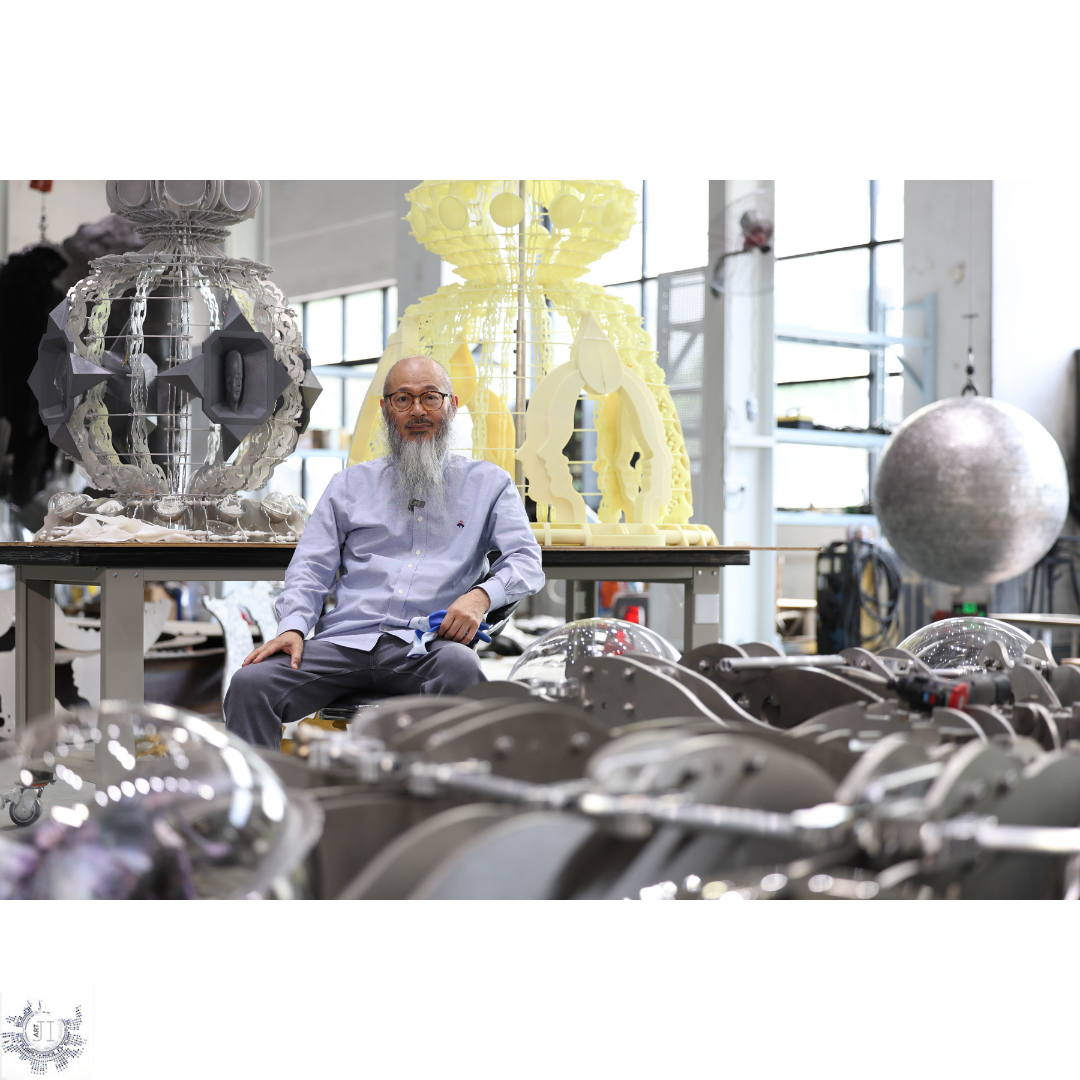
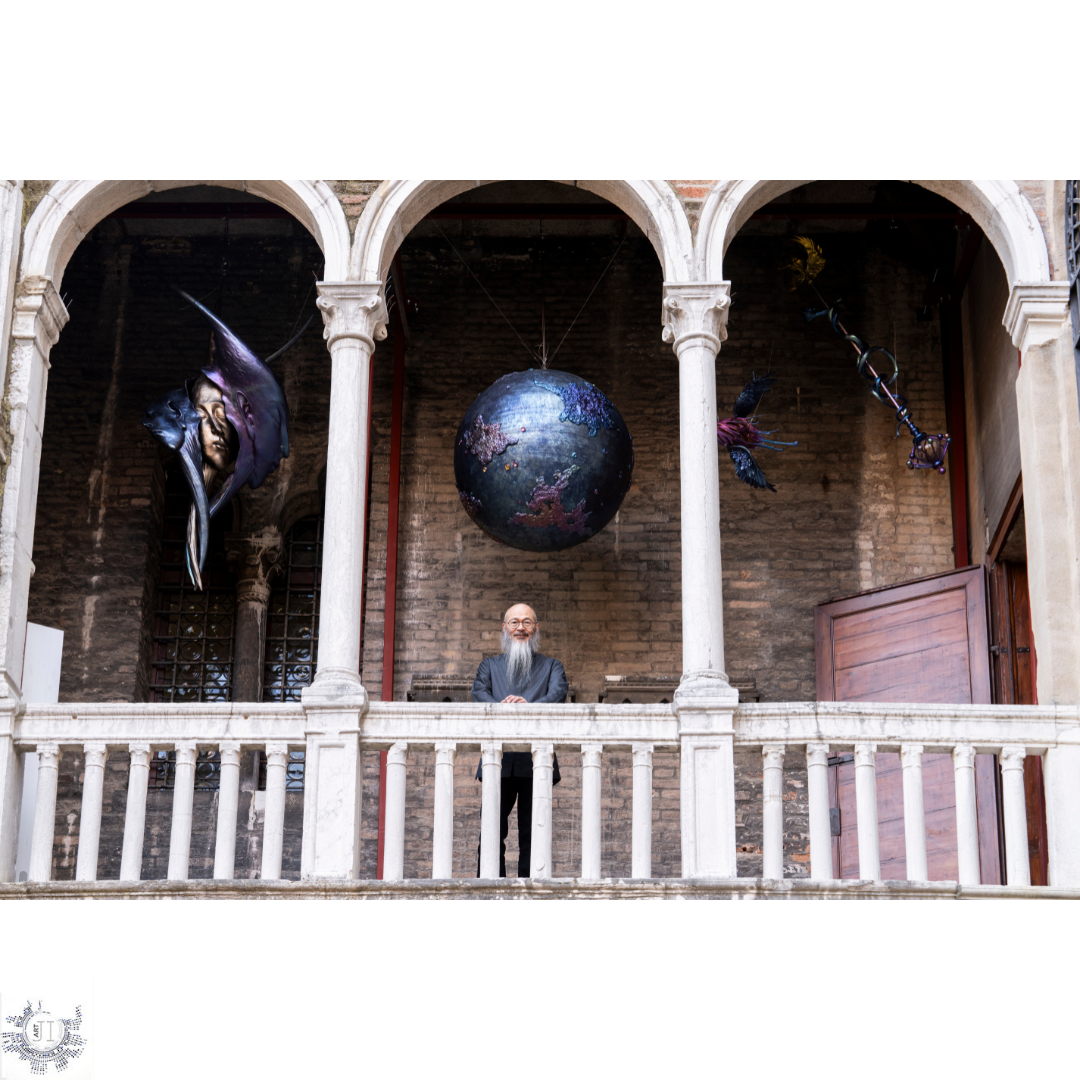
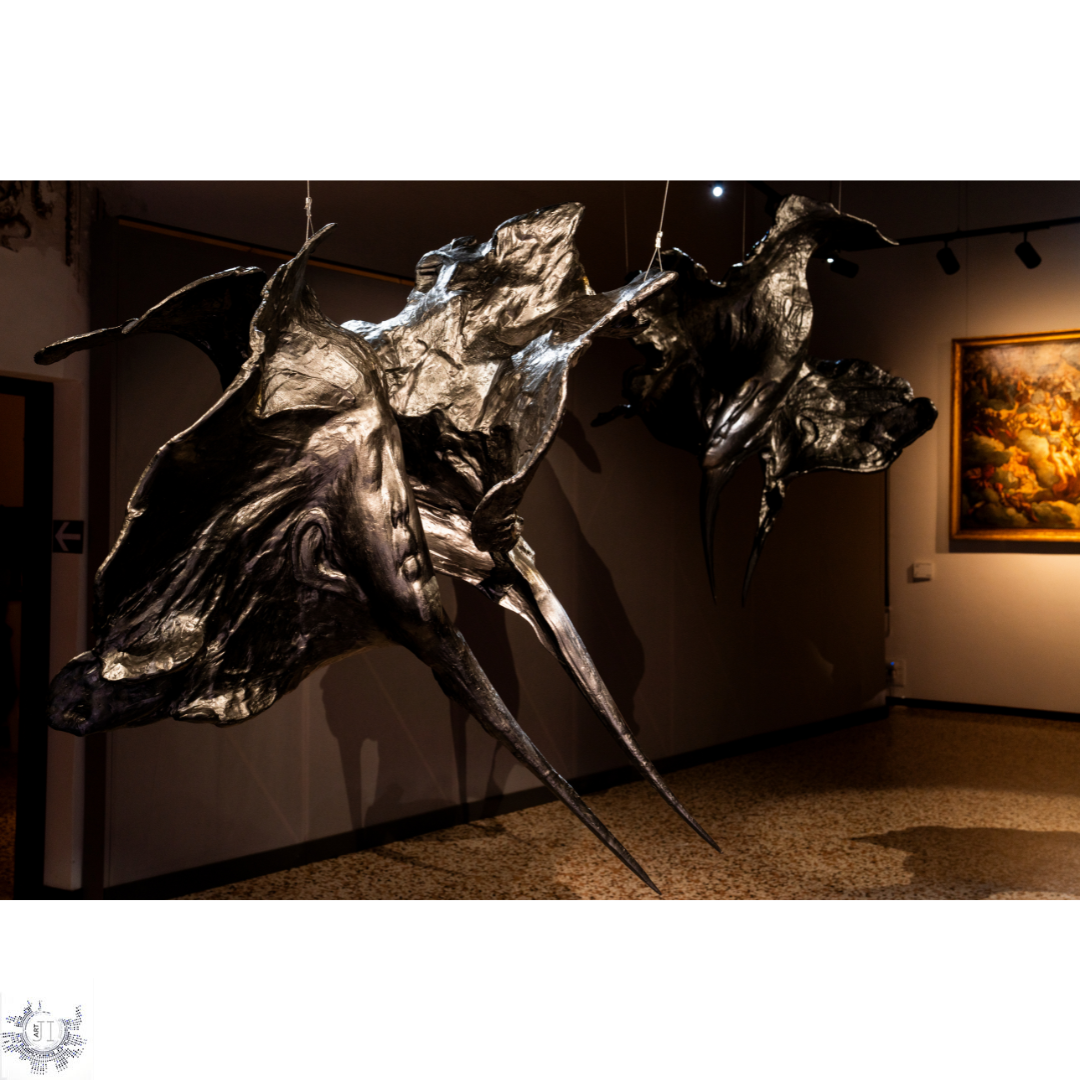
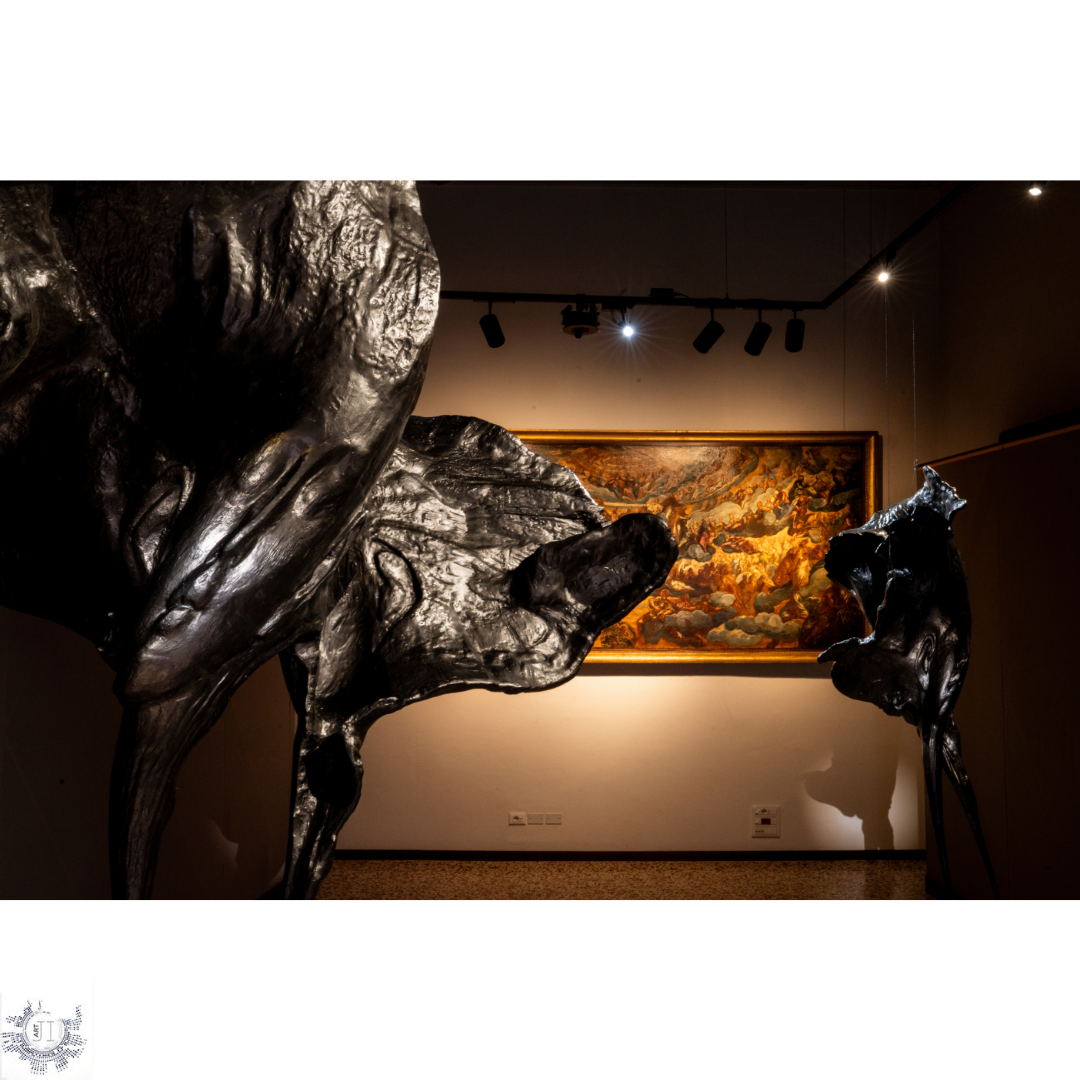
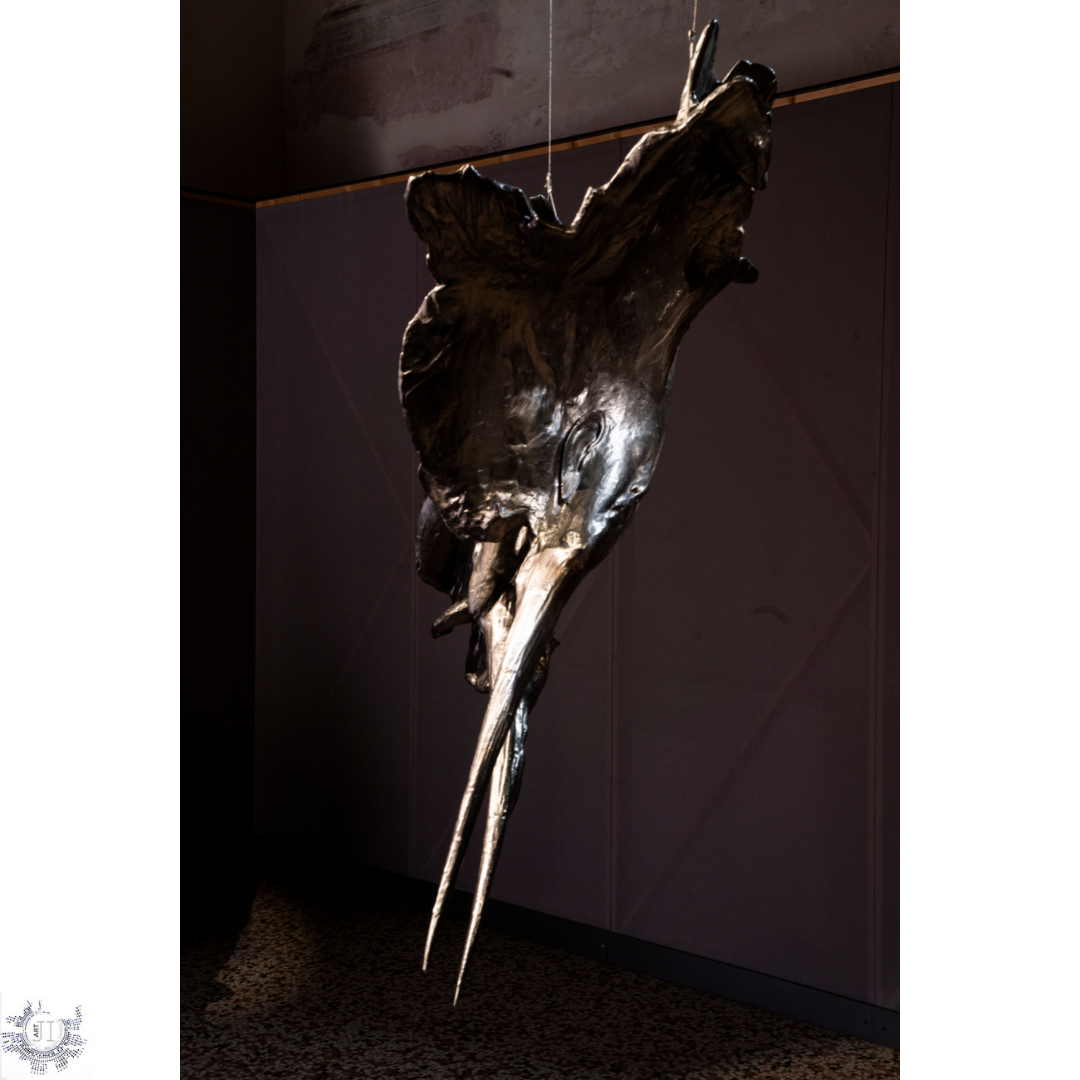
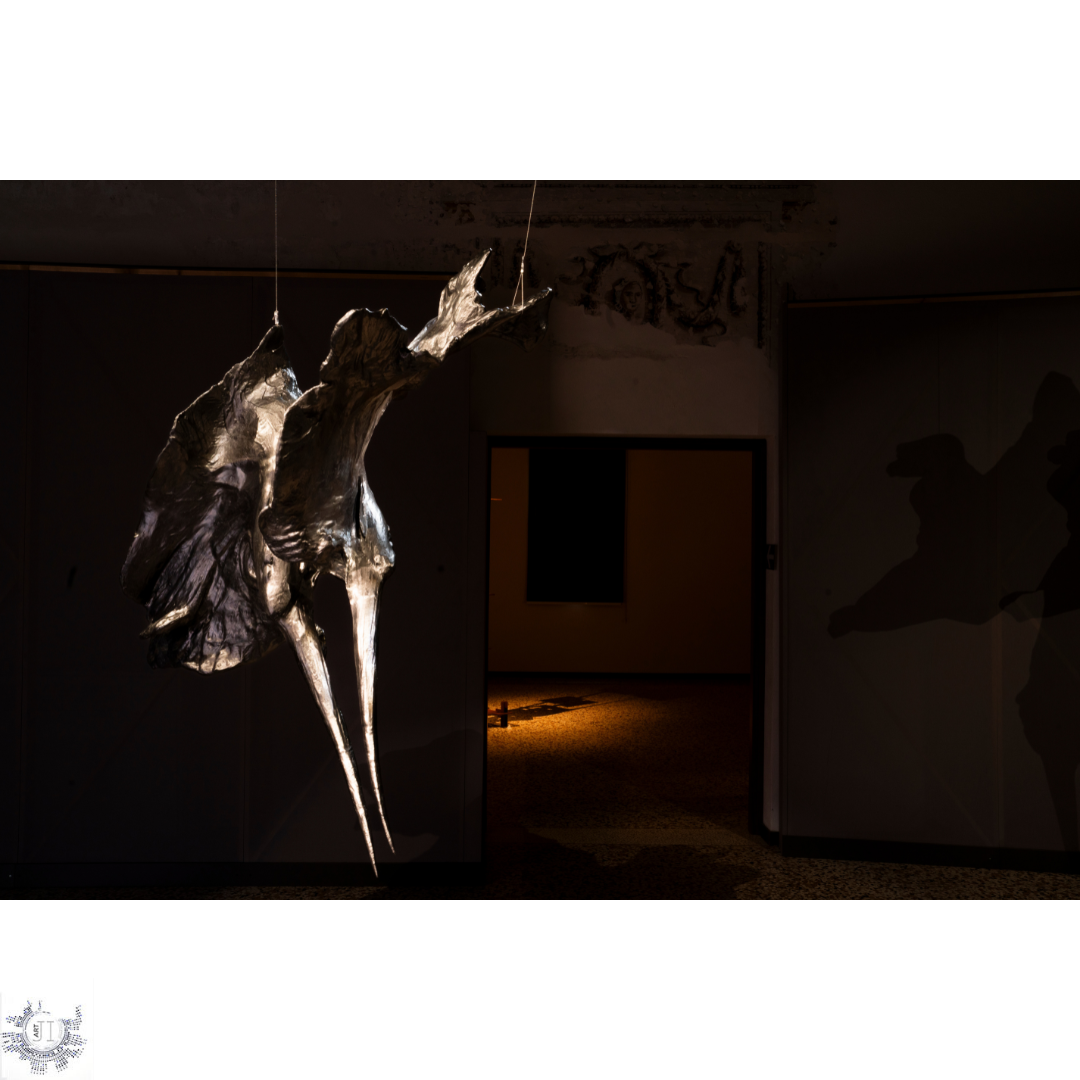
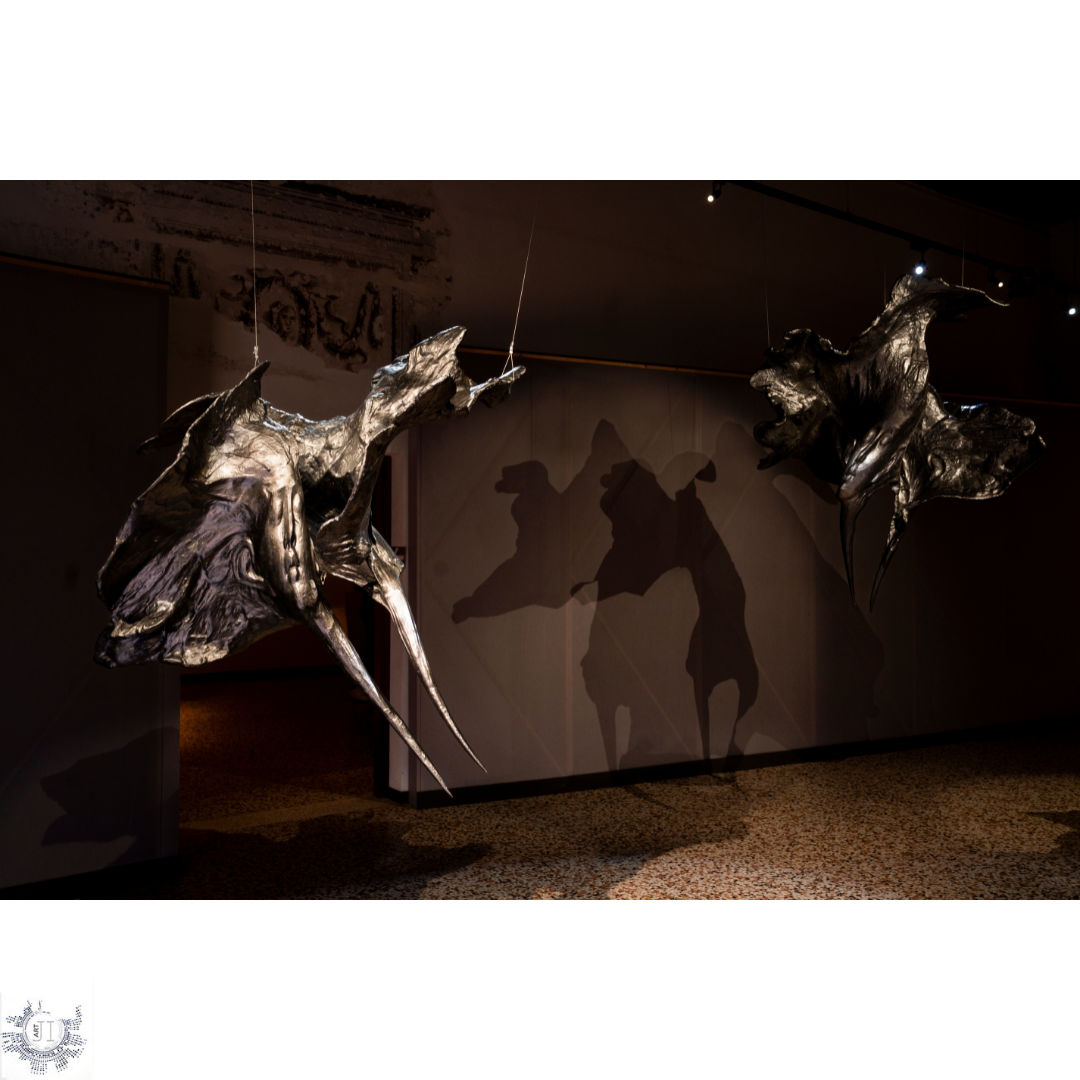
Inside the spiral of the Palazzo Contarini del Bovolo, a set of suspended titanium sculptures interrupts the usual rhythm of Renaissance architecture. The works are part of Mythos, an exhibition by Wallace Chan, presented alongside the Venice Biennale Arte 2026, and curated by James Putnam.
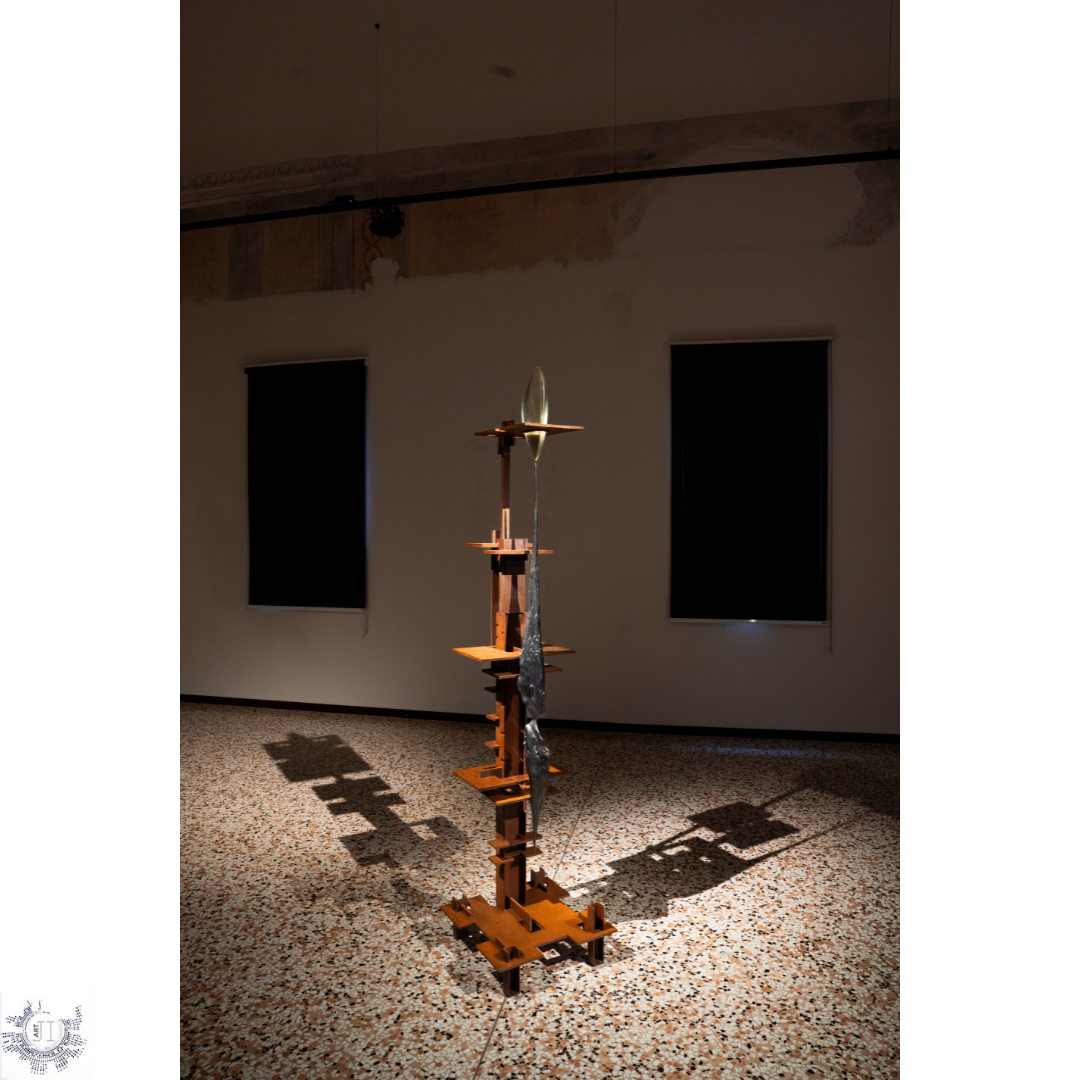
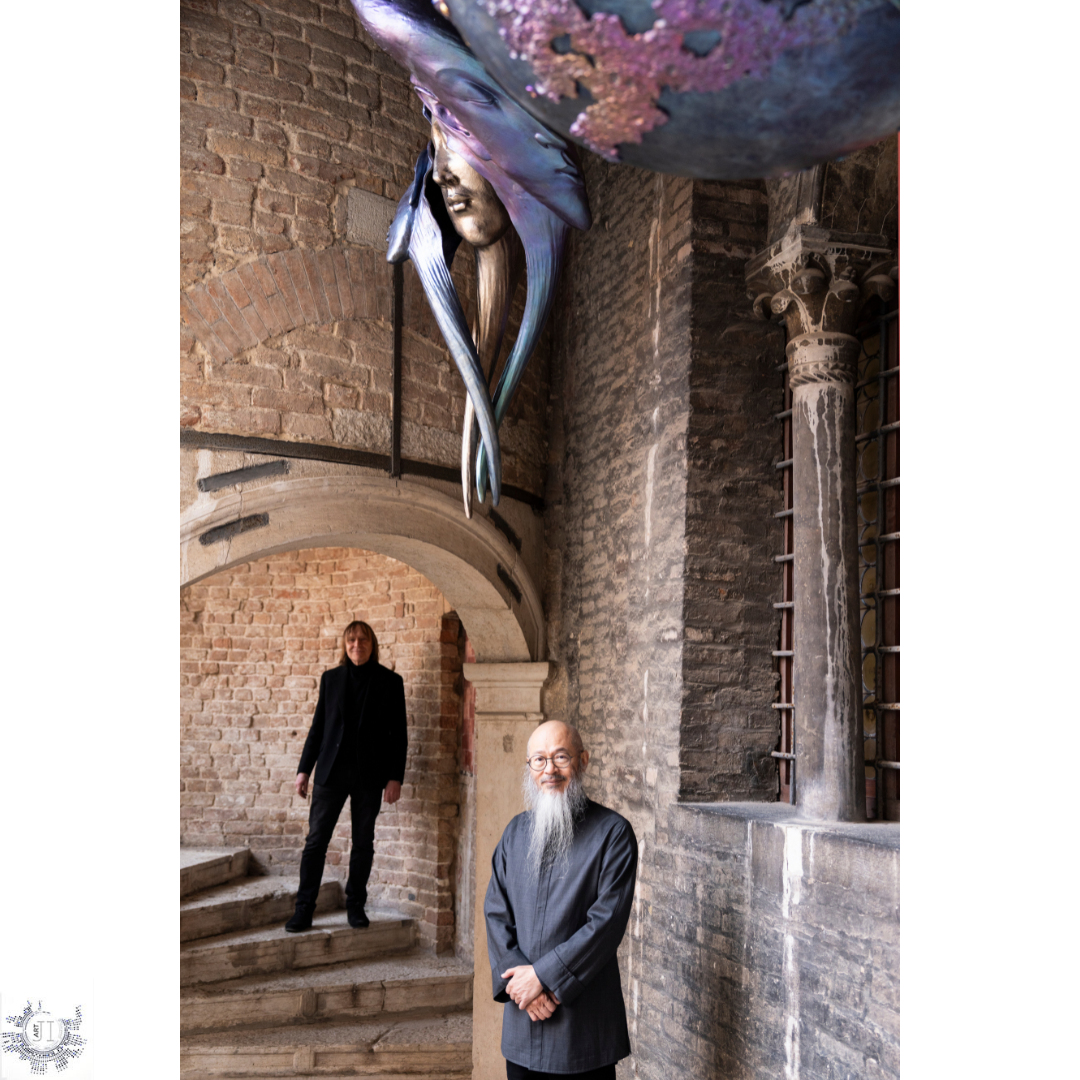
The installation spreads across the tower and interior rooms of the palazzo, introducing materials and sounds that sit apart from the building’s historical language. Titanium figures hang from the Bovolo Tower’s staircase, while interior rooms carry sound recordings and sculptural arrangements built around quartz, iron, and directional audio.
For small creatures such as we the vastness is bearable only through love.
Carl Sagan
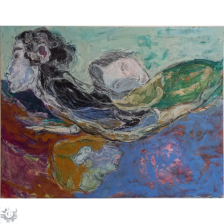
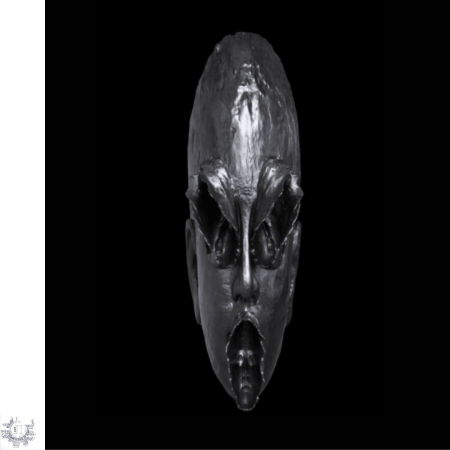
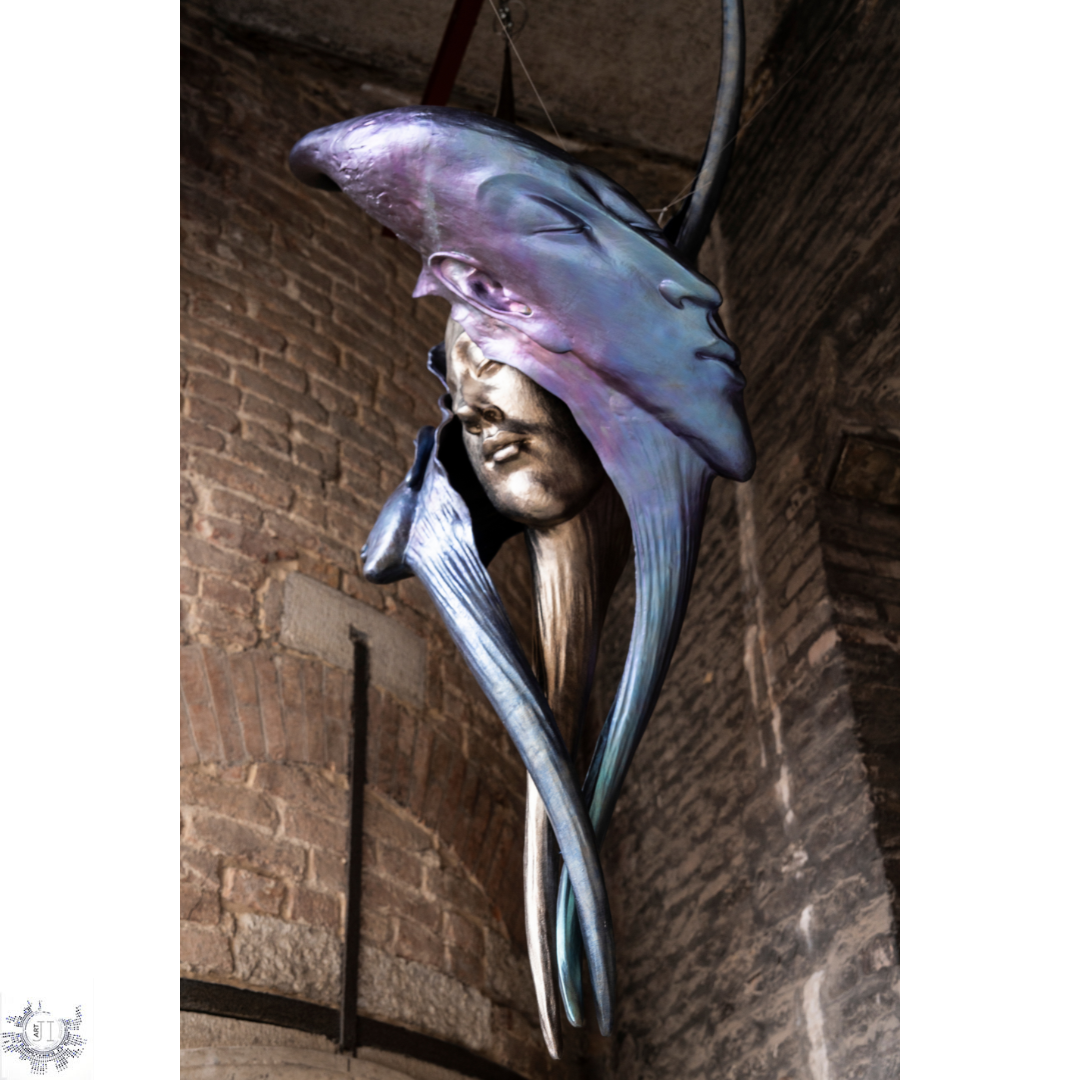
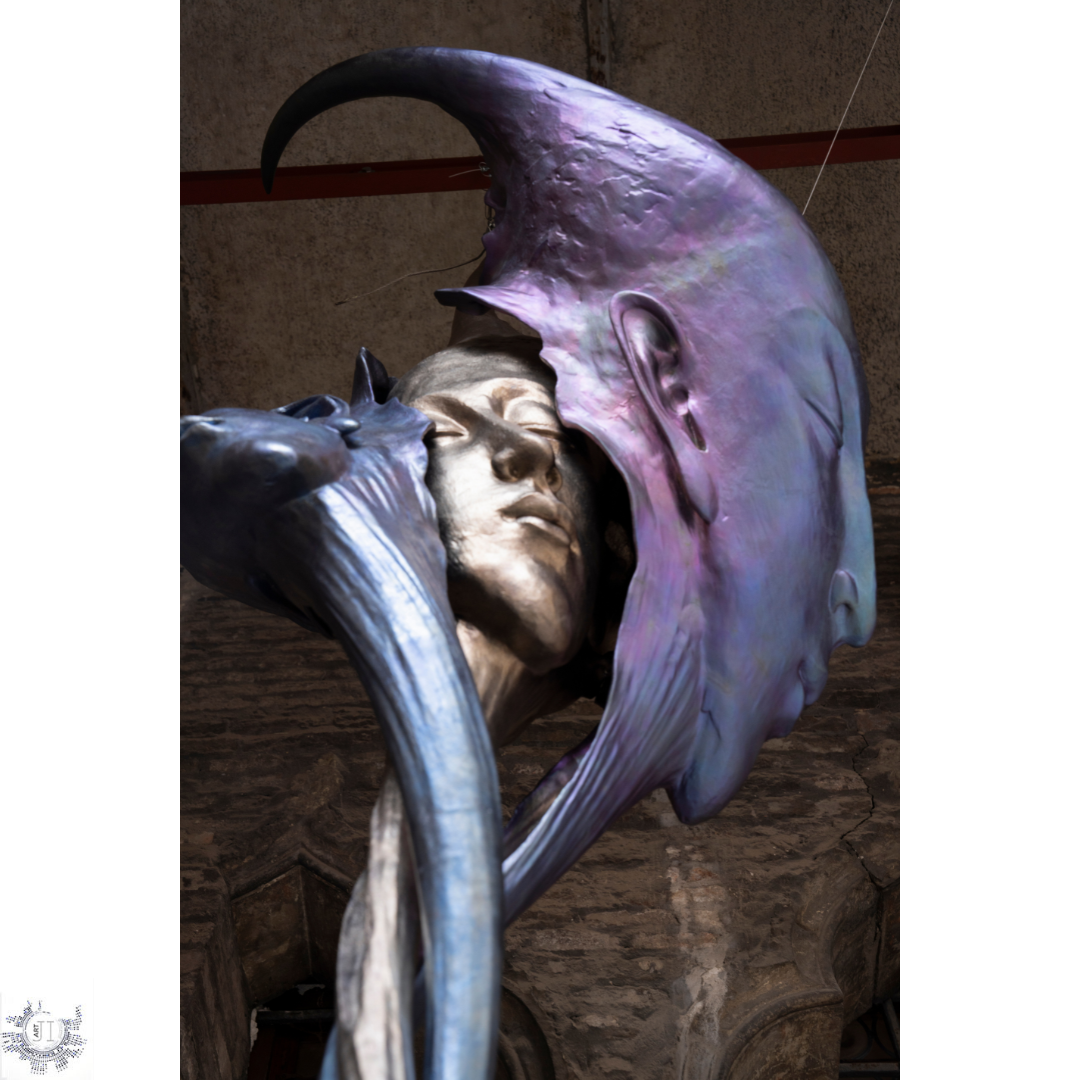
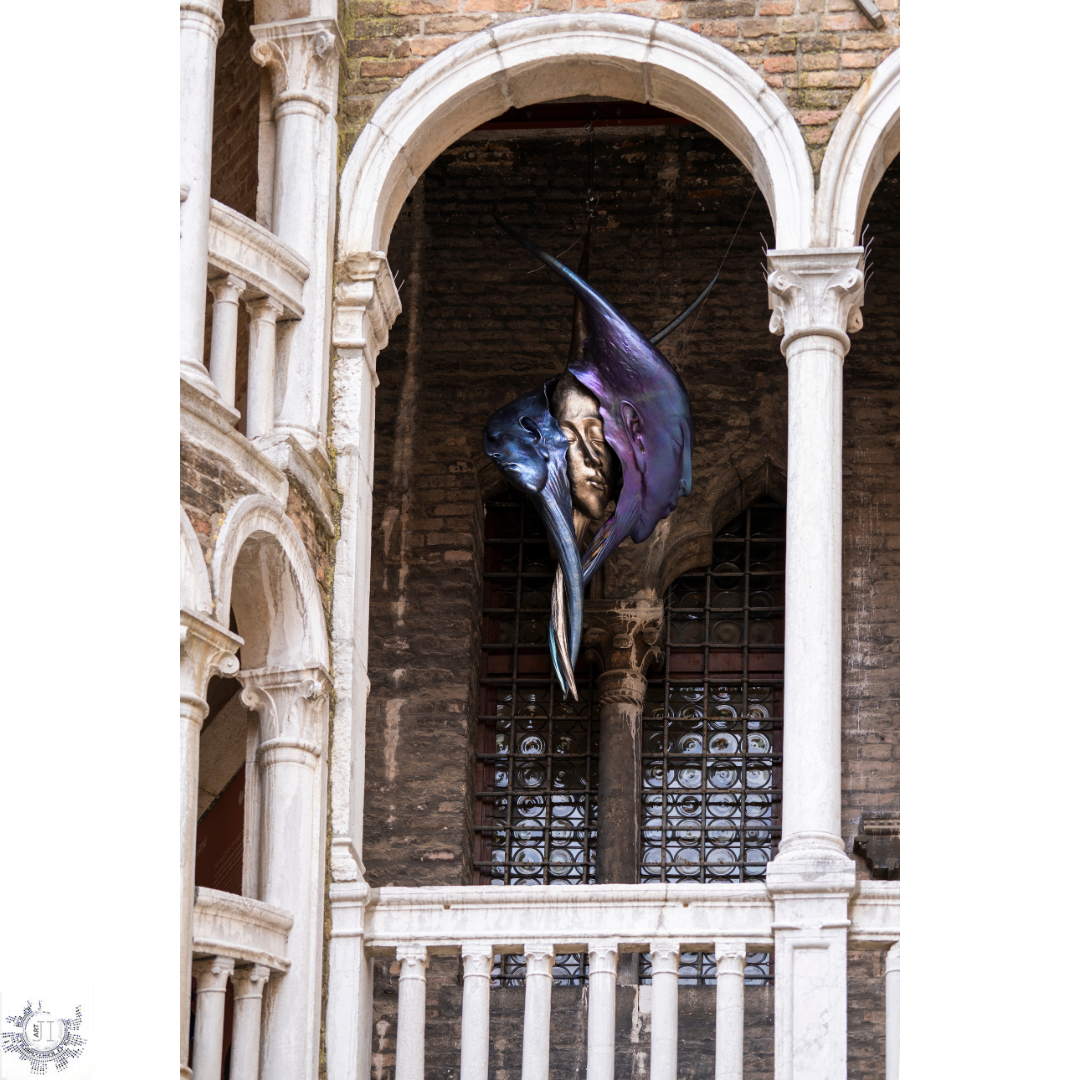
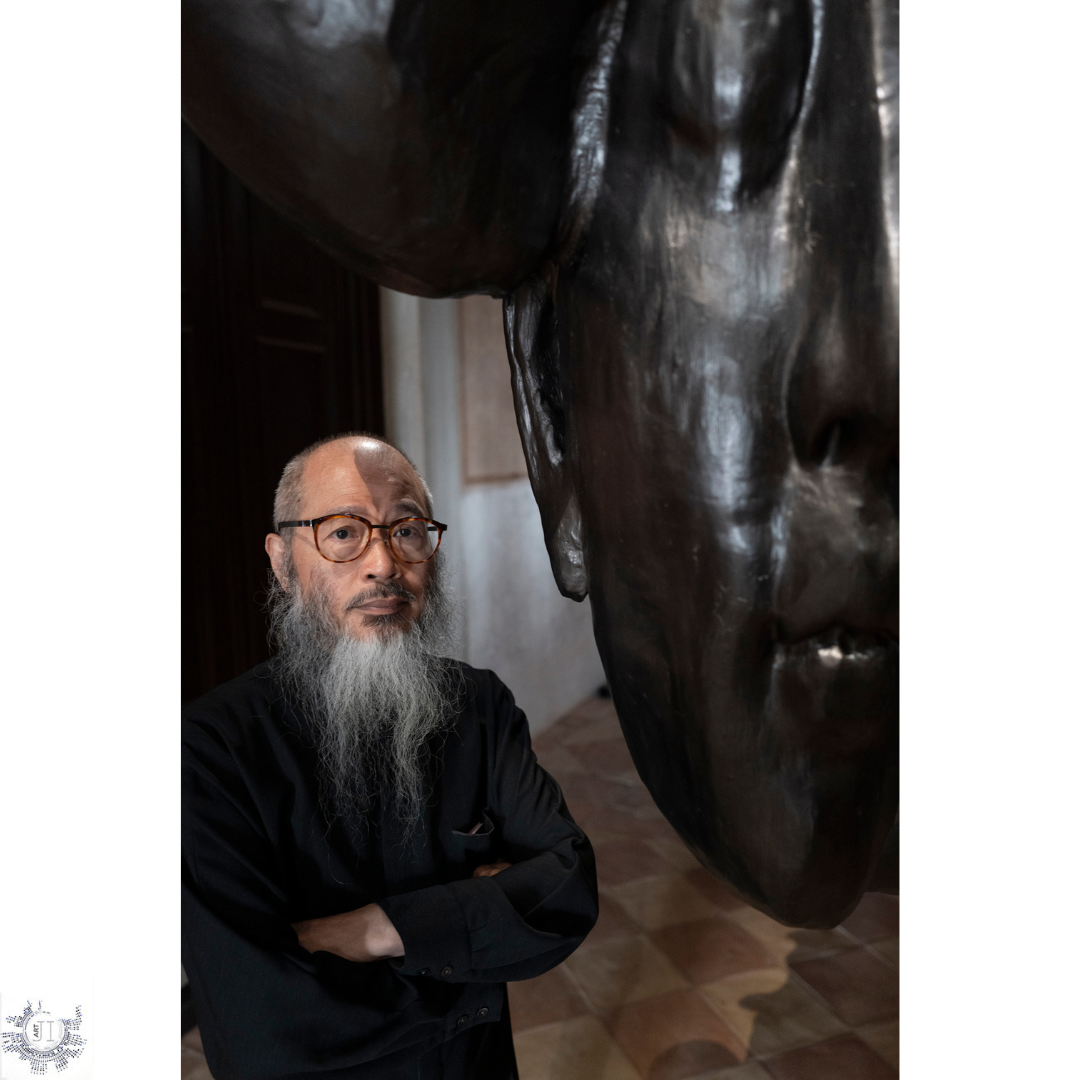
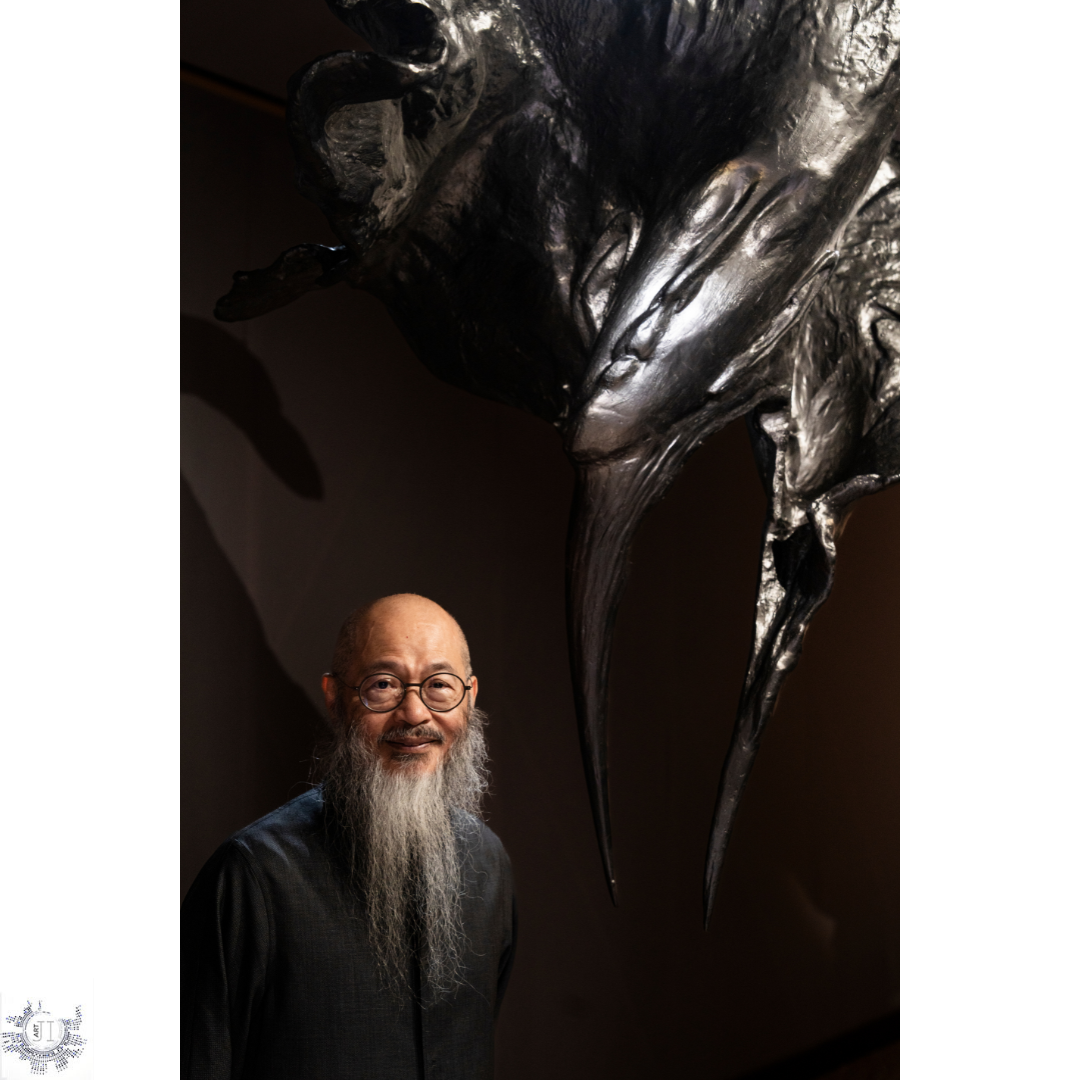
Wallace Chan draws on classical sources, including Jacopo Tintoretto, whose work once shaped Venice’s visual identity. One reference point is the myth of the Three Graces. Instead of classical nude figures from Tintoretto’s mythological visual language, Chan removes the body entirely, and the Graces become abstract faces on a suspended titanium structure. They stop functioning as characters and start behaving like a loop, closer to movement than representation.
The eternal mystery of the world is its comprehensibility… The fact that it is comprehensible is a miracle.
Albert Einstein
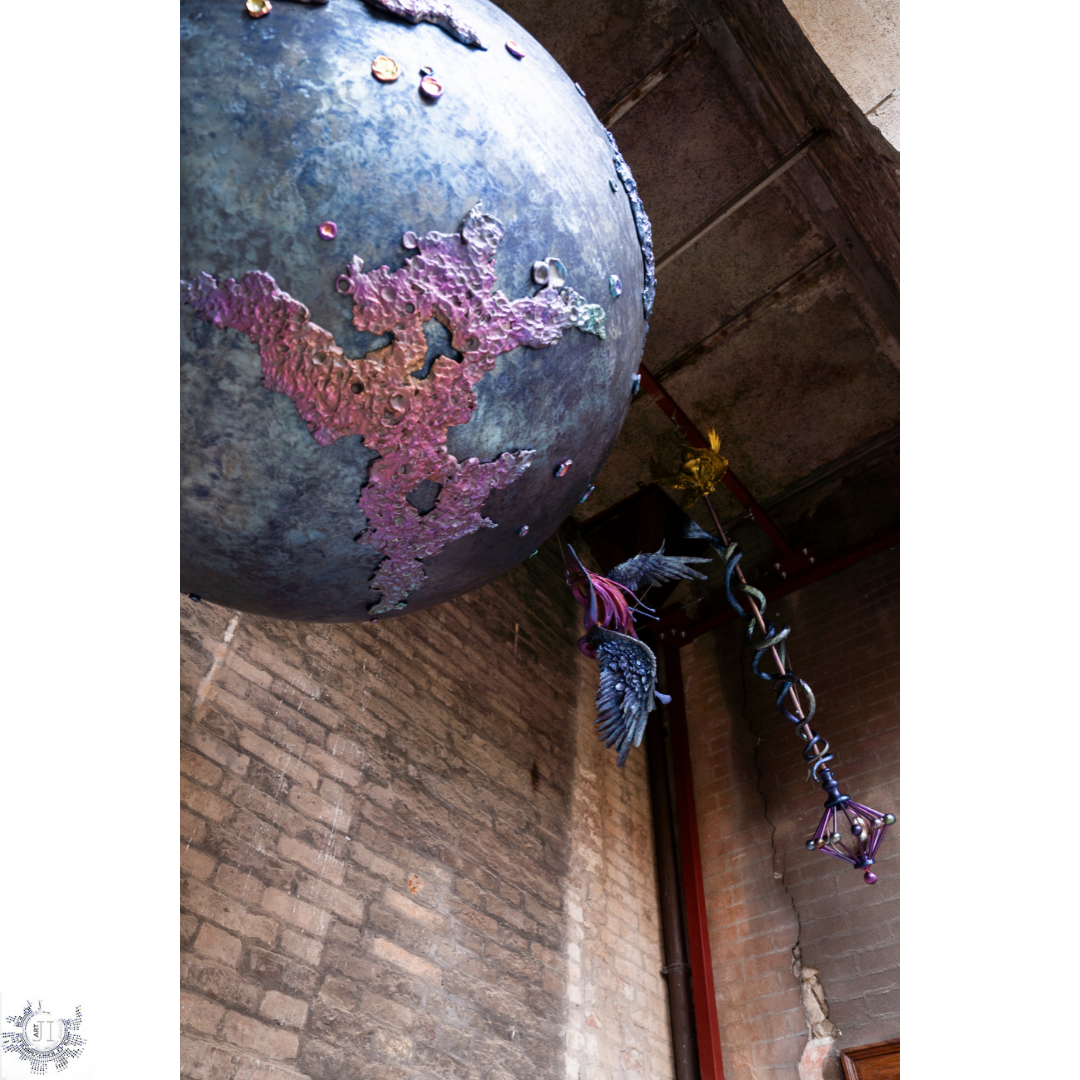
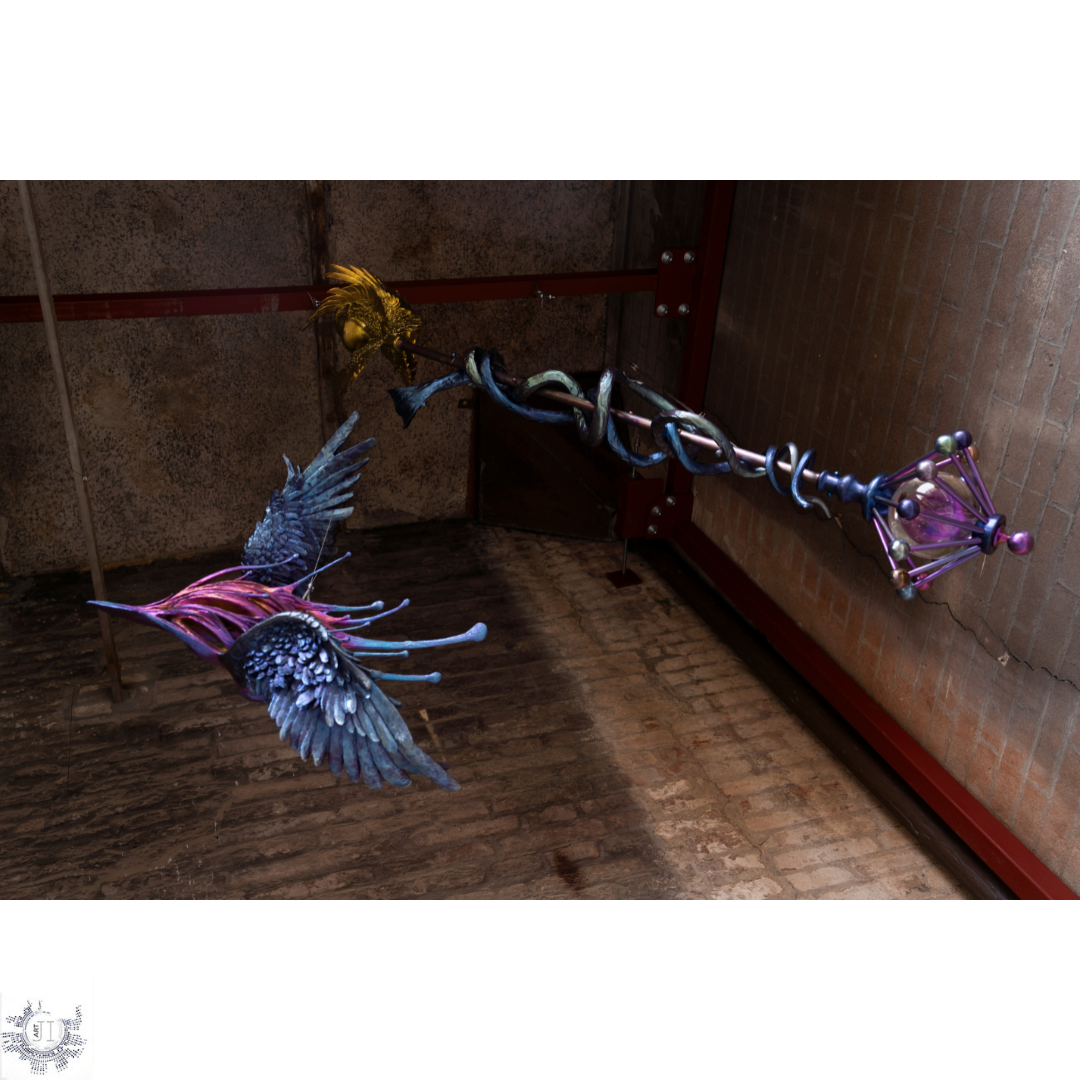
Another section of the exhibition turns to Mercury. Instead of the human figure, Chan presents Mercury as a planetary form, accompanied by sculptural references to the winged helmet and staff associated with the Roman messenger god. The shift moves the figure from mythology into astronomy, where Mercury becomes defined by speed and orbit instead of its narrative role.
After silence, that which comes nearest to expressing the inexpressible is music.
Aldous Huxley
Sound plays a central role in the interior rooms. One space carries recordings of hammering and polishing from Wallace Chan’s studio, as an audible documentation of the process.
Nearby, a smaller installation combines metal, crystal, and a set of directional speakers. A recorded monologue by the artist is audible only when visitors stand in specific positions within the room – elsewhere, the space remains quiet.
The sound effect depends on movement through the space, and the act of listening becomes conditional on location.
The atoms of our bodies are traceable to stars that manufactured them in their cores and exploded these enriched ingredients across our galaxy, billions of years ago. For this reason, we are biologically connected to every other living thing in the world. We are chemically connected to all molecules on Earth. And we are atomically connected to all atoms in the universe. We are not figuratively, but literally stardust.
Neil deGrasse Tyson
The setting of the Bovolo Tower bears its own scientific and historical meaning. The structure was used for astronomical observation in the 19th century by Wilhelm Tempel, who made discoveries from the site using a telescope acquired in Venice. The city’s earlier optical industry also supported the work of Galileo Galilei.
The tower’s spiral staircase functions as both architectural path and observational frame, extending upward in a curve, its spiral movement altering the perception of progress, replacing linear ascent with repetition and return.
There is a crack in everything. That’s how the light gets in.
Leonard Cohen
Wallace Chan describes his practice as an effort to trace connections between systems that often remain separate: mythology, astronomy, material craft, and sound. Mythos arranges these elements in proximity and leaves their relationships open to interpretation.