
A SCREW AS A LUXURY OBJECT? ANSWERS AND IDEAS BY ALINA ALAMOREAN
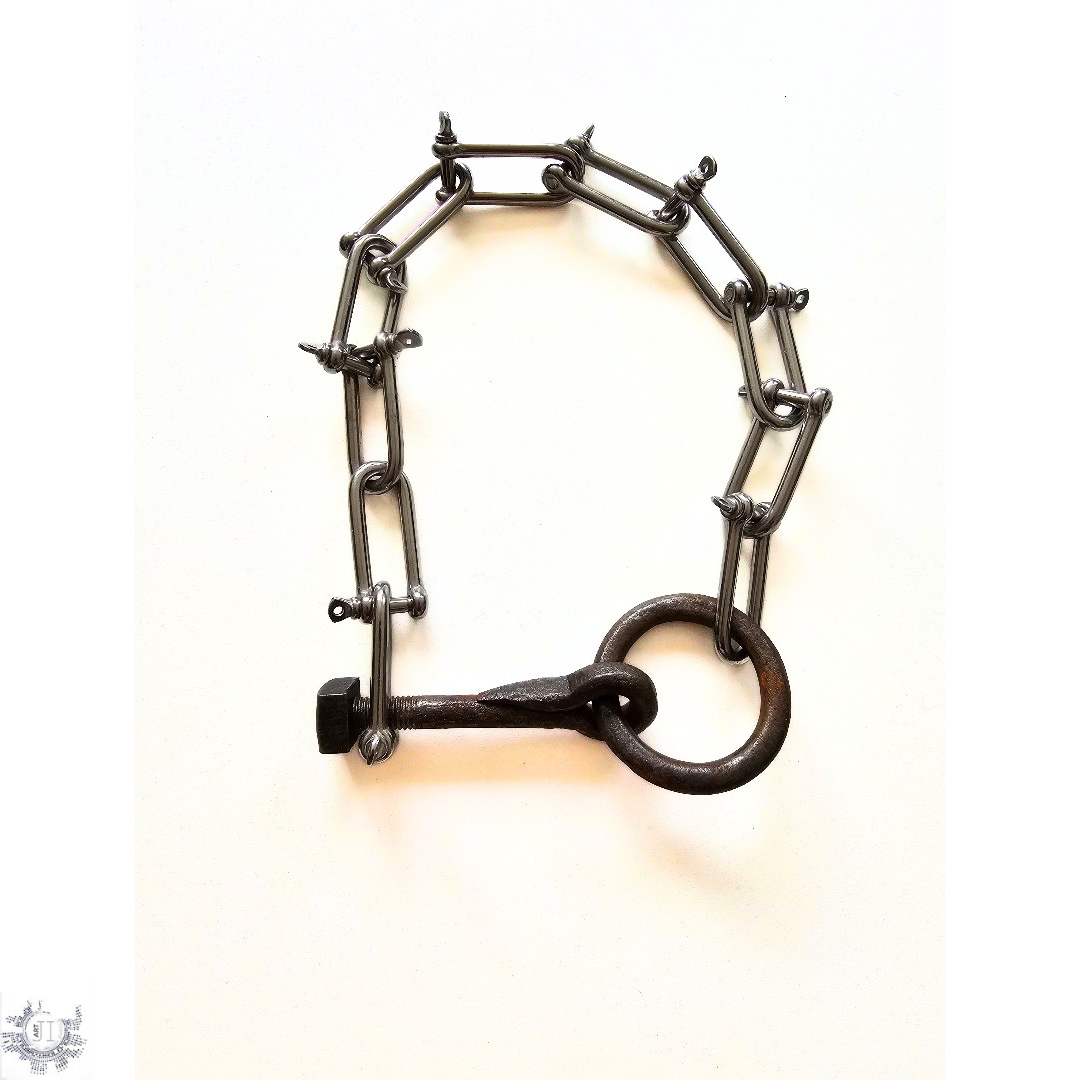
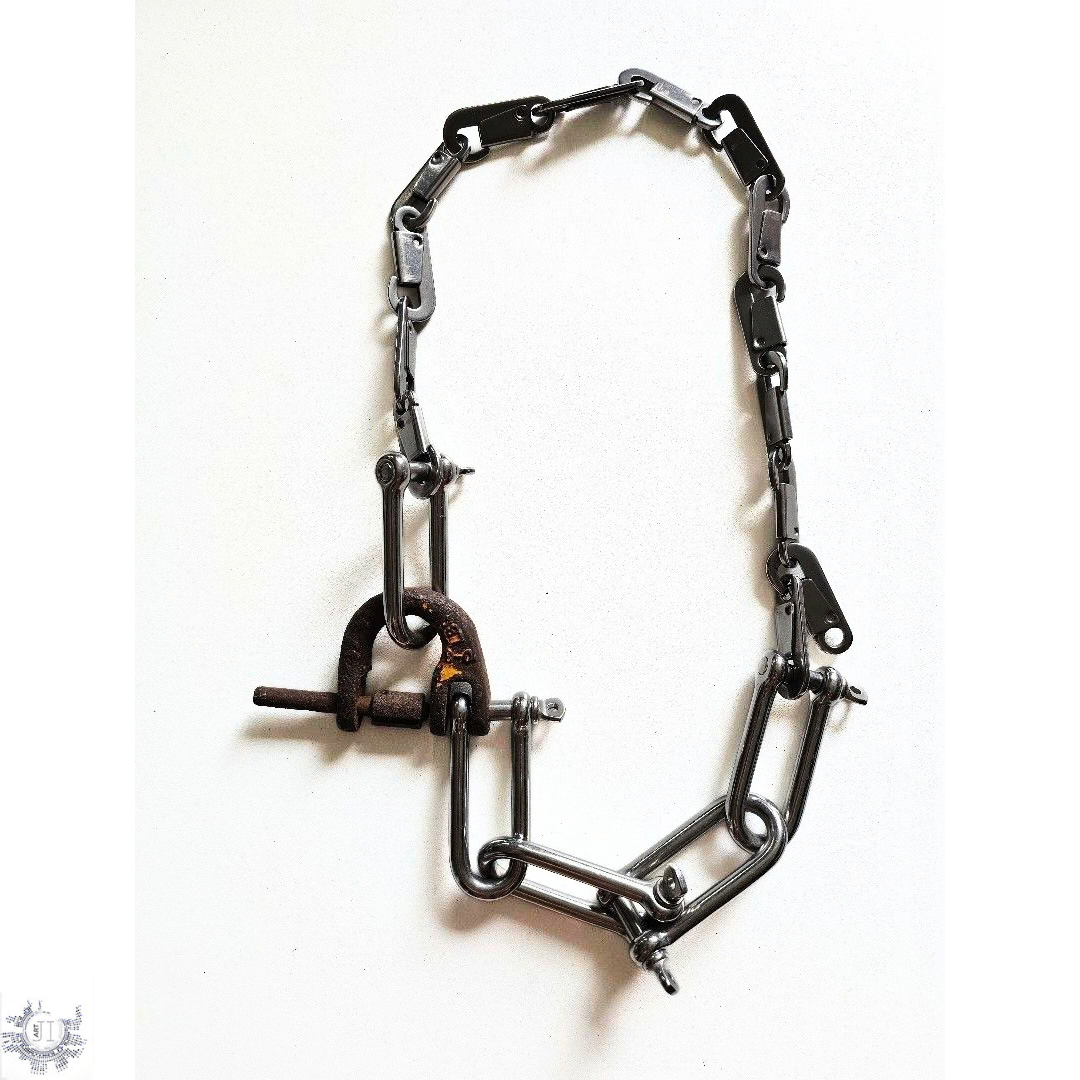
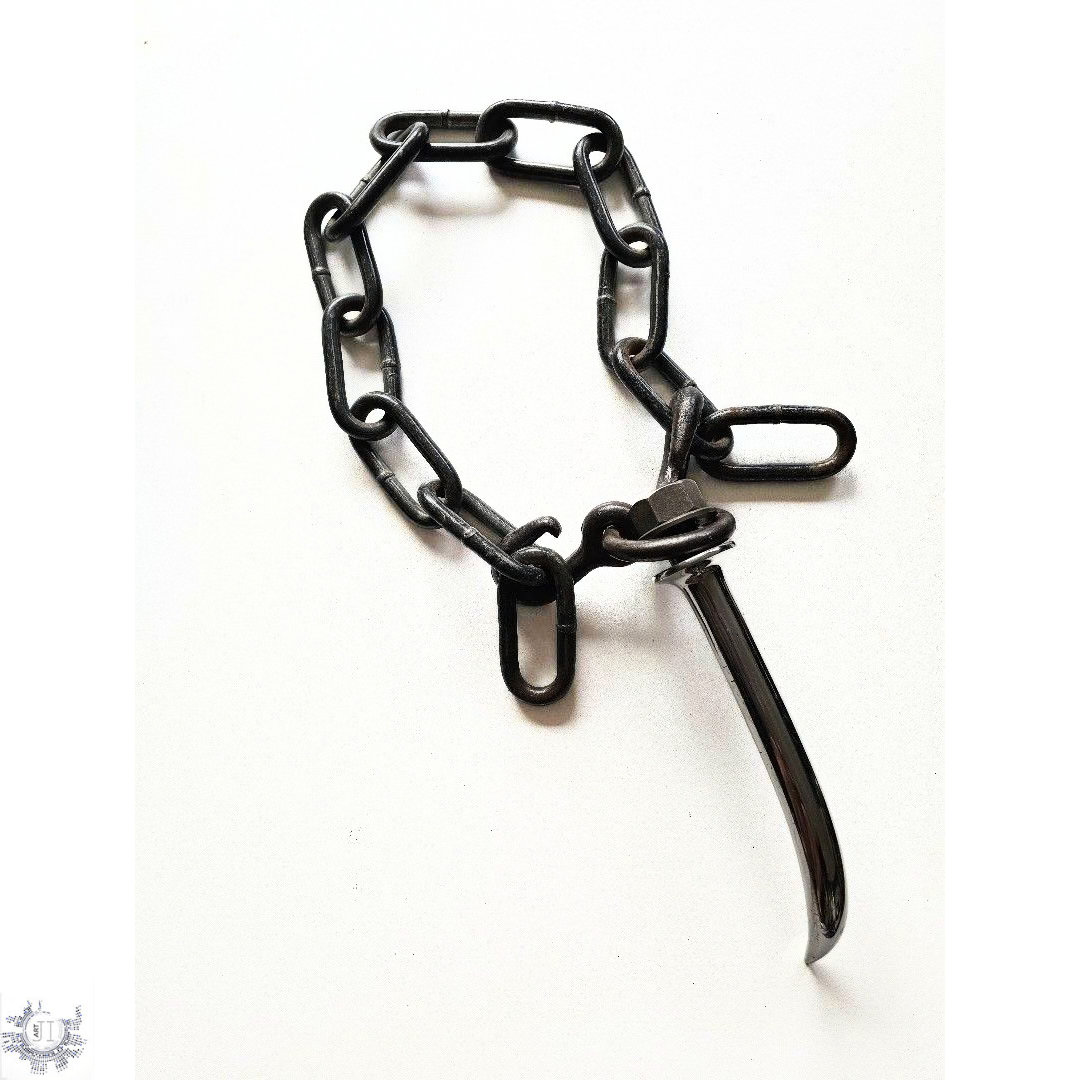
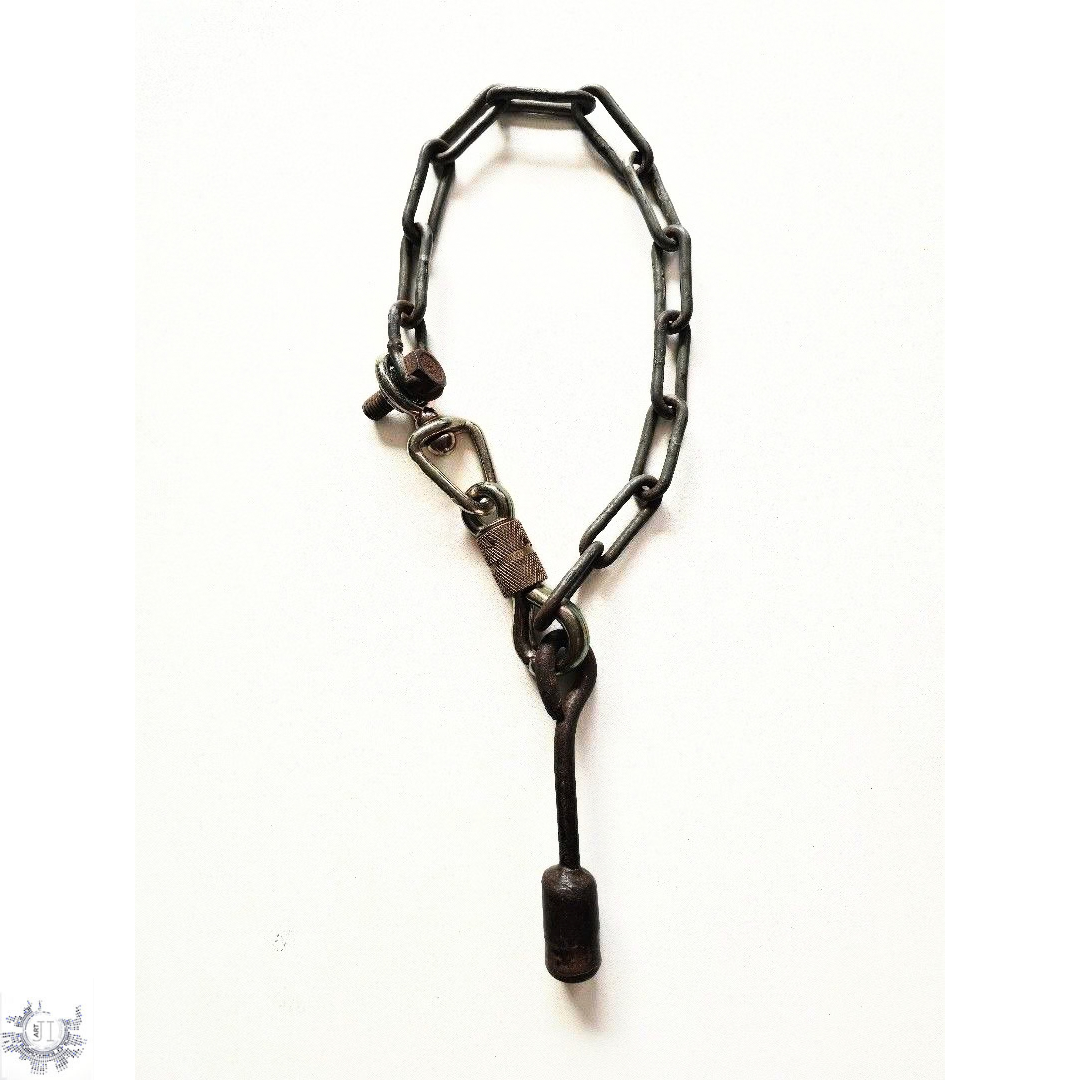
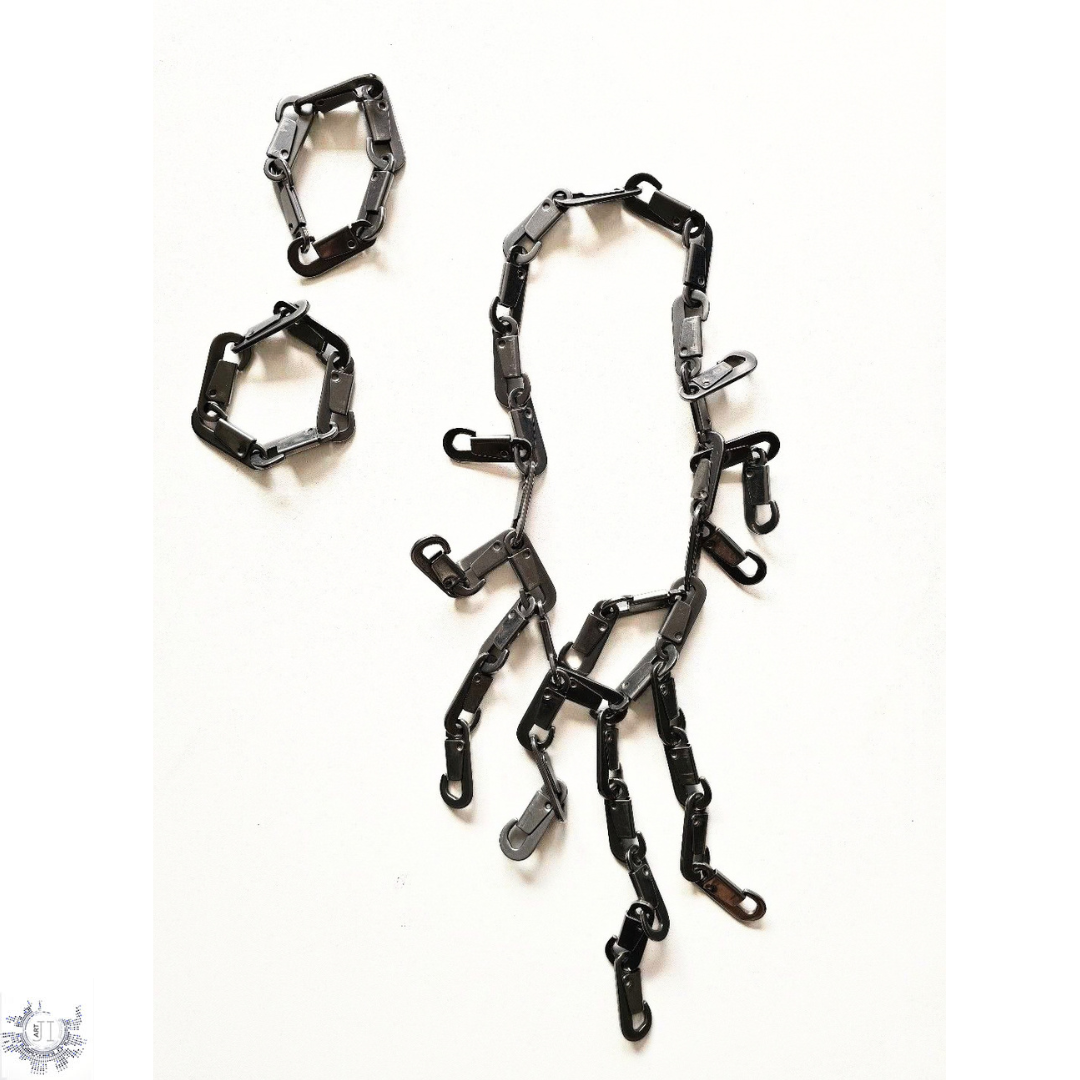
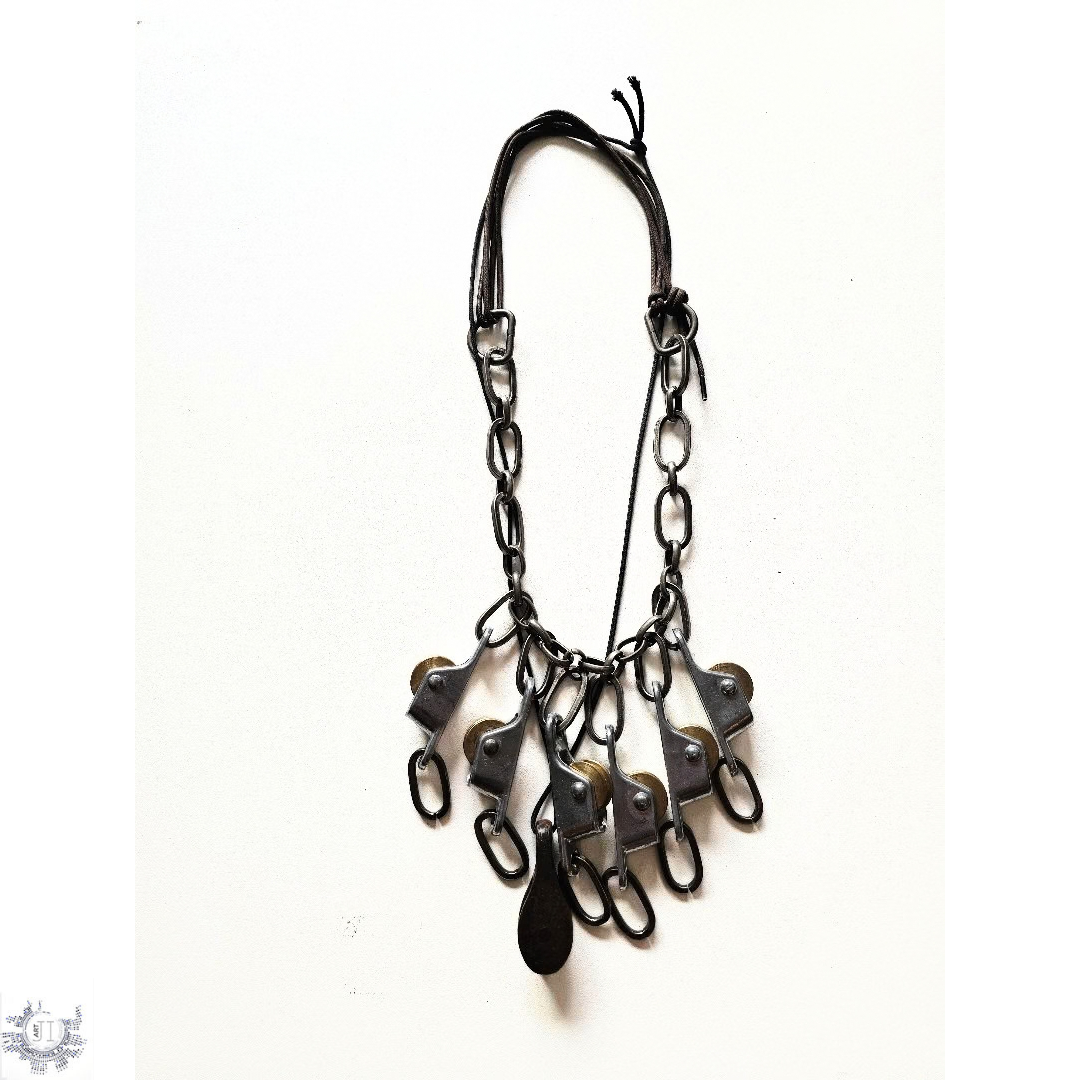
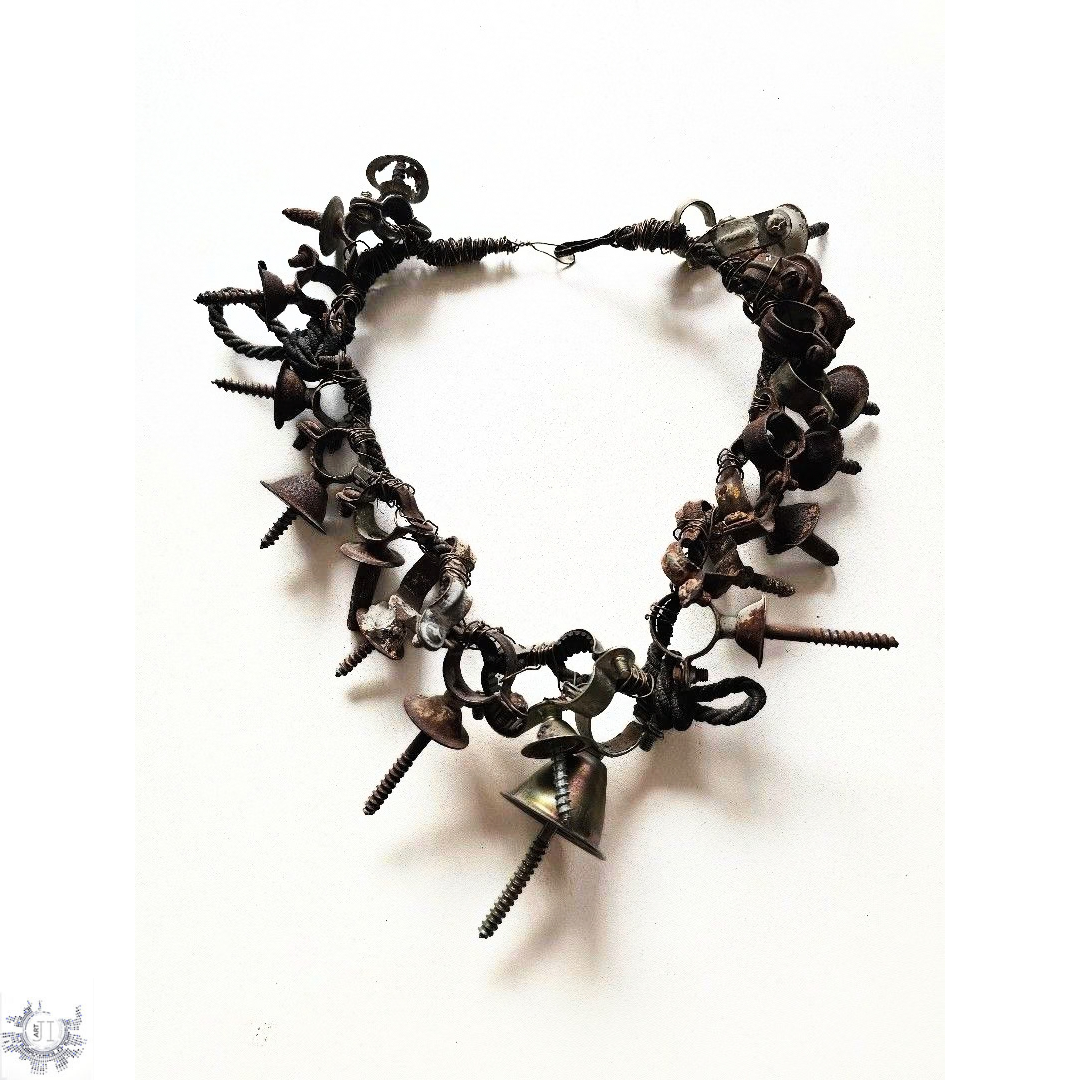
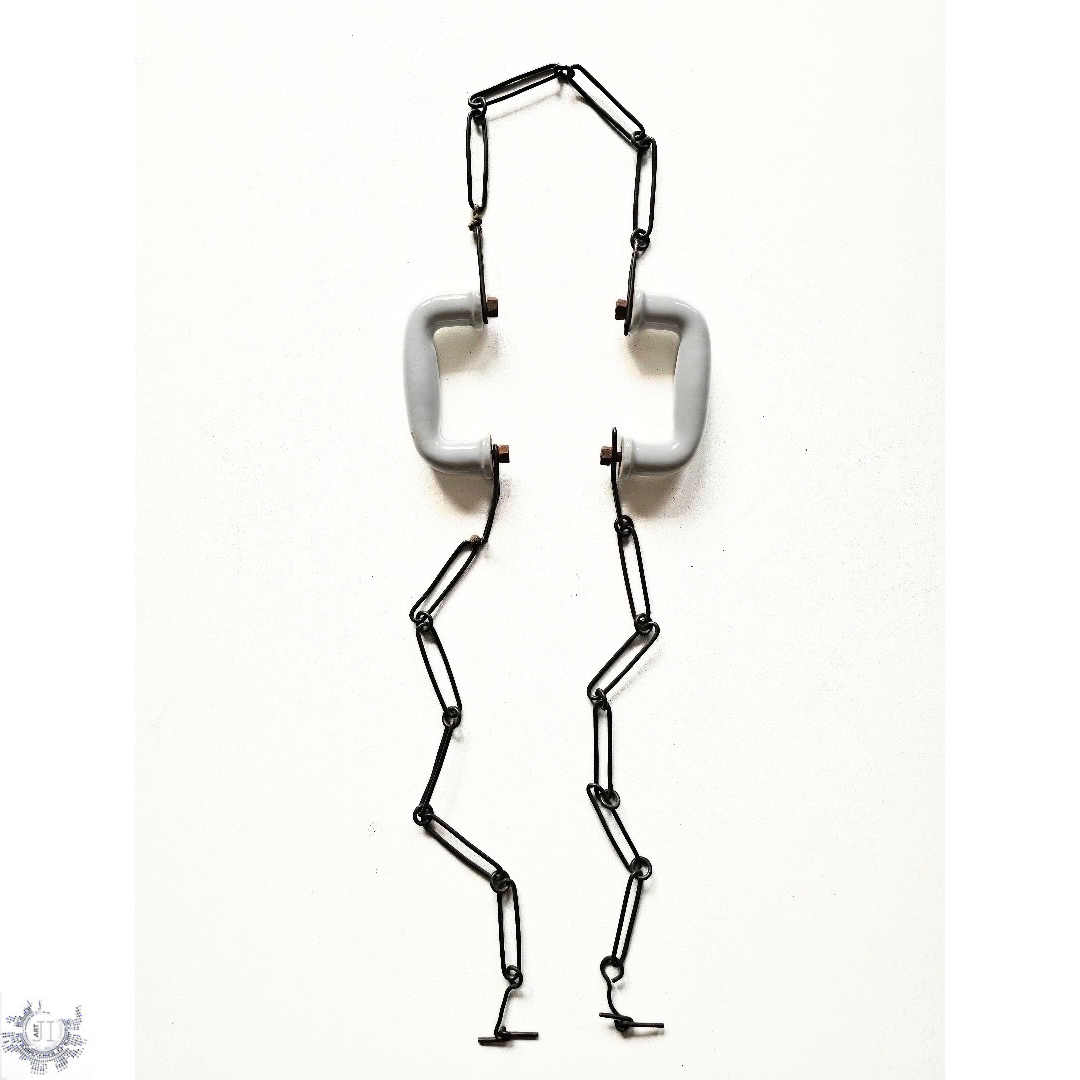
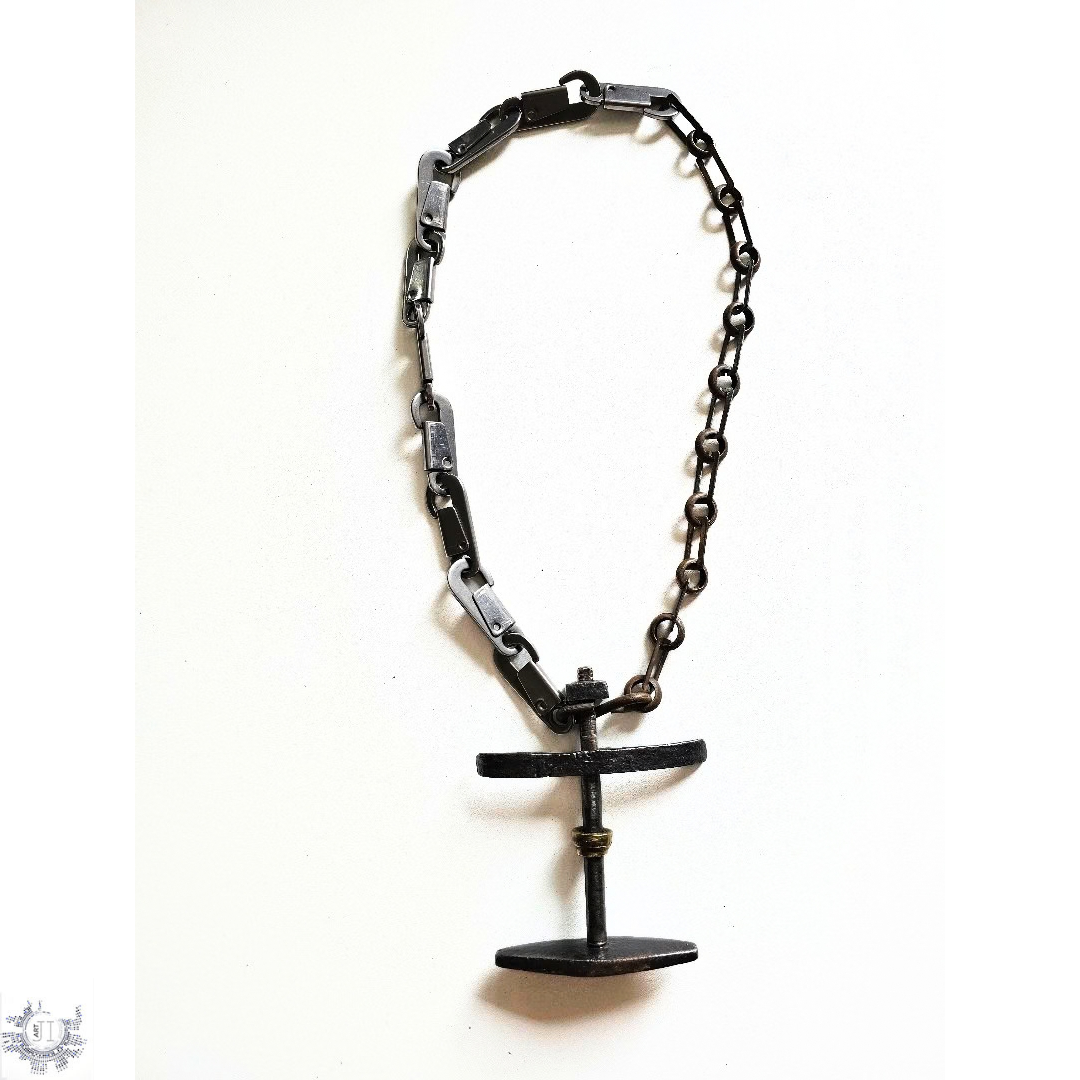
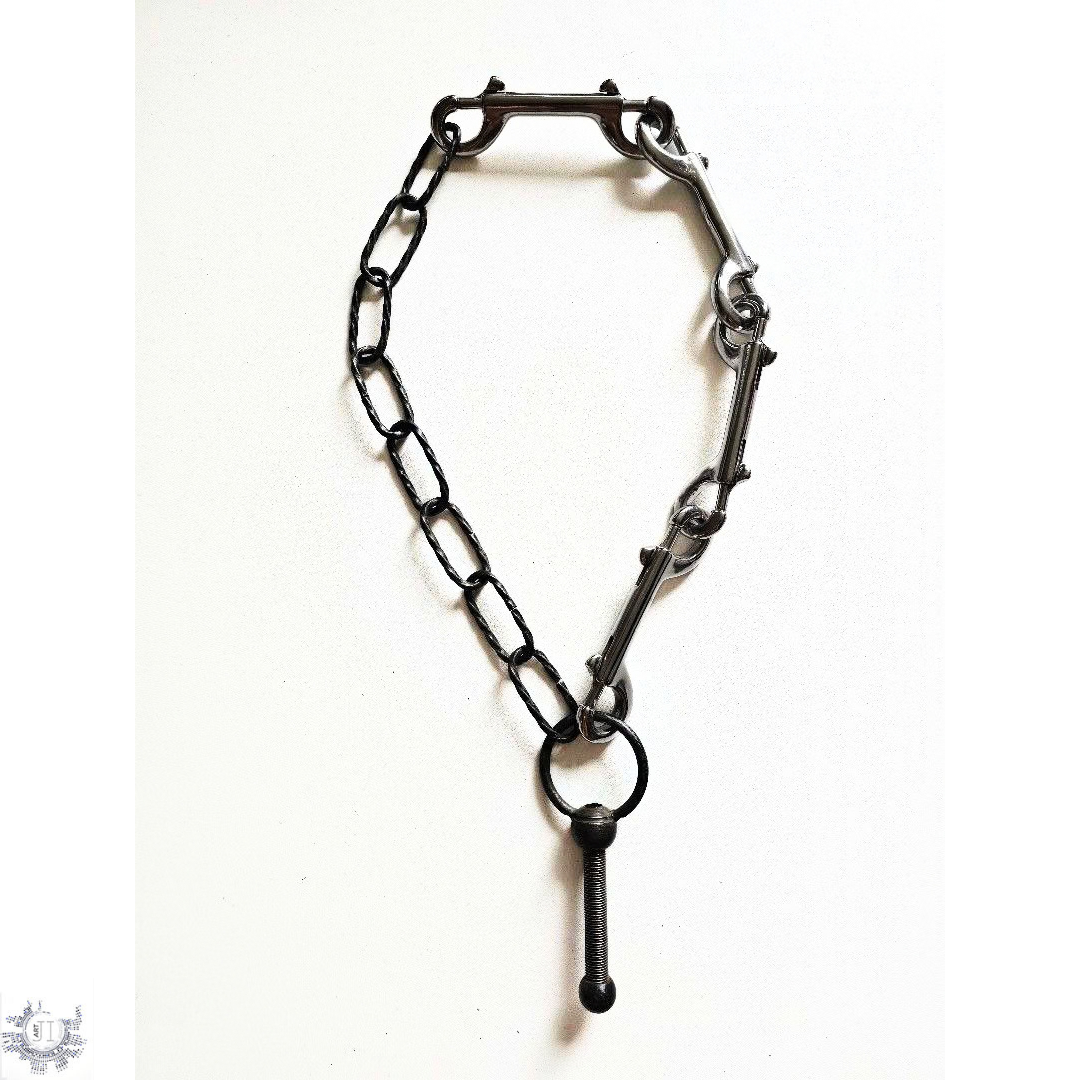
Some people ask if my jewelry hurts. And I ask: whom? The one who is wearing it or the one who looks at it and imagines things in his head?
Alina Alamorean
Alina Alamorean grew up in Transylvania in a family where art was part of everyday life, and where beauty was discussed alongside proportion and colour. Her mother and aunt made couture, her mother crocheted silk bags for an art gallery, her father drew in charcoal and pastel, and her grandmother and great-grandmother had studied at Les Beaux Arts.
At home, Alina spent hours with her father’s art books, looking at Botticelli, Kees van Dongen, Toulouse-Lautrec, Miró and Jérôme Bosch. She eventually studied jewellery at the HEJ jewellery school in Paris, after first being pushed towards medical school by her parents. She received two awards in the International HRD Diamonds Awards in 2005, was a winner of the HRD Diamonds Awards and won a special prize at Tahitian Pearl Trophy in 2007, and began developing wearable pieces that departed from conventional jewellery proportions.
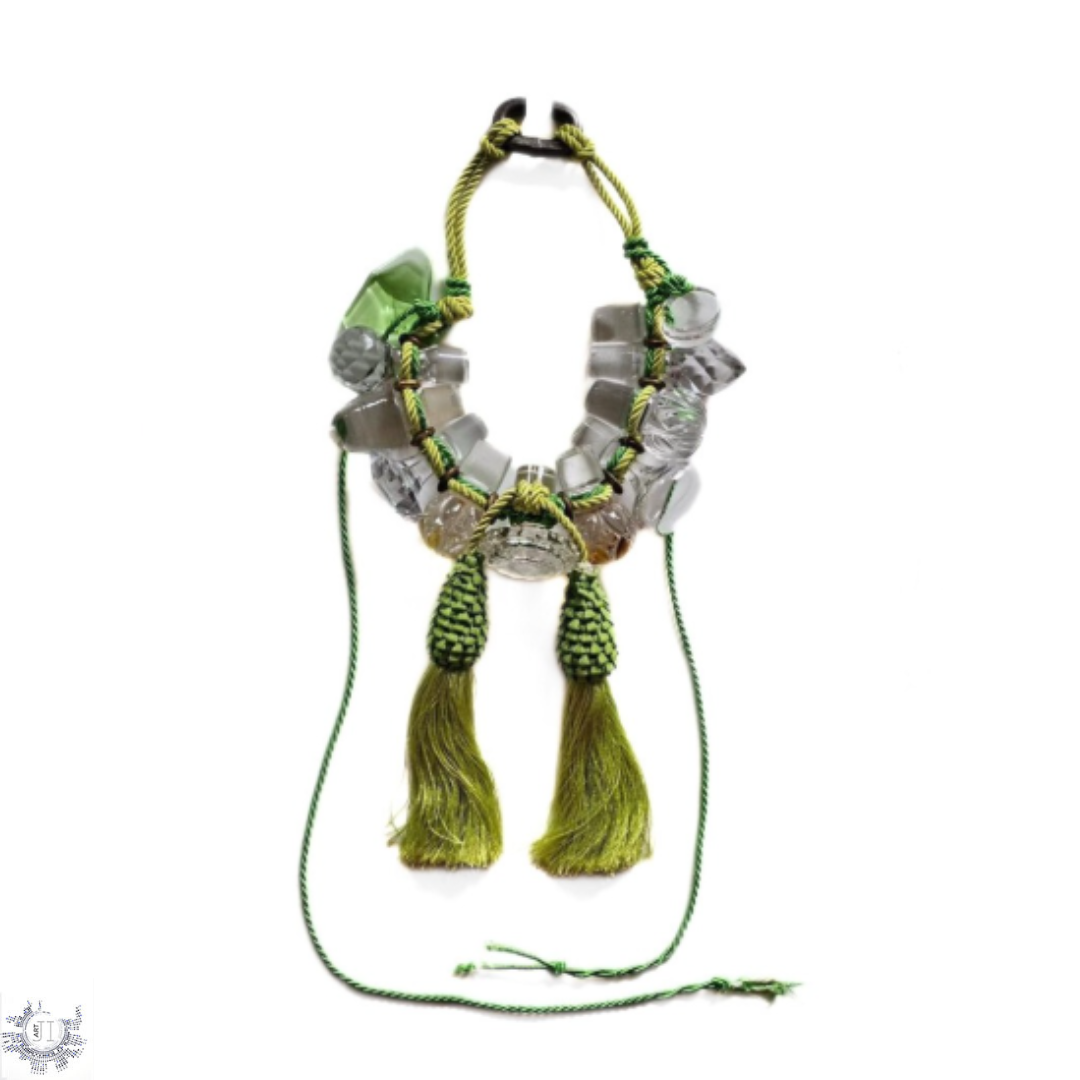
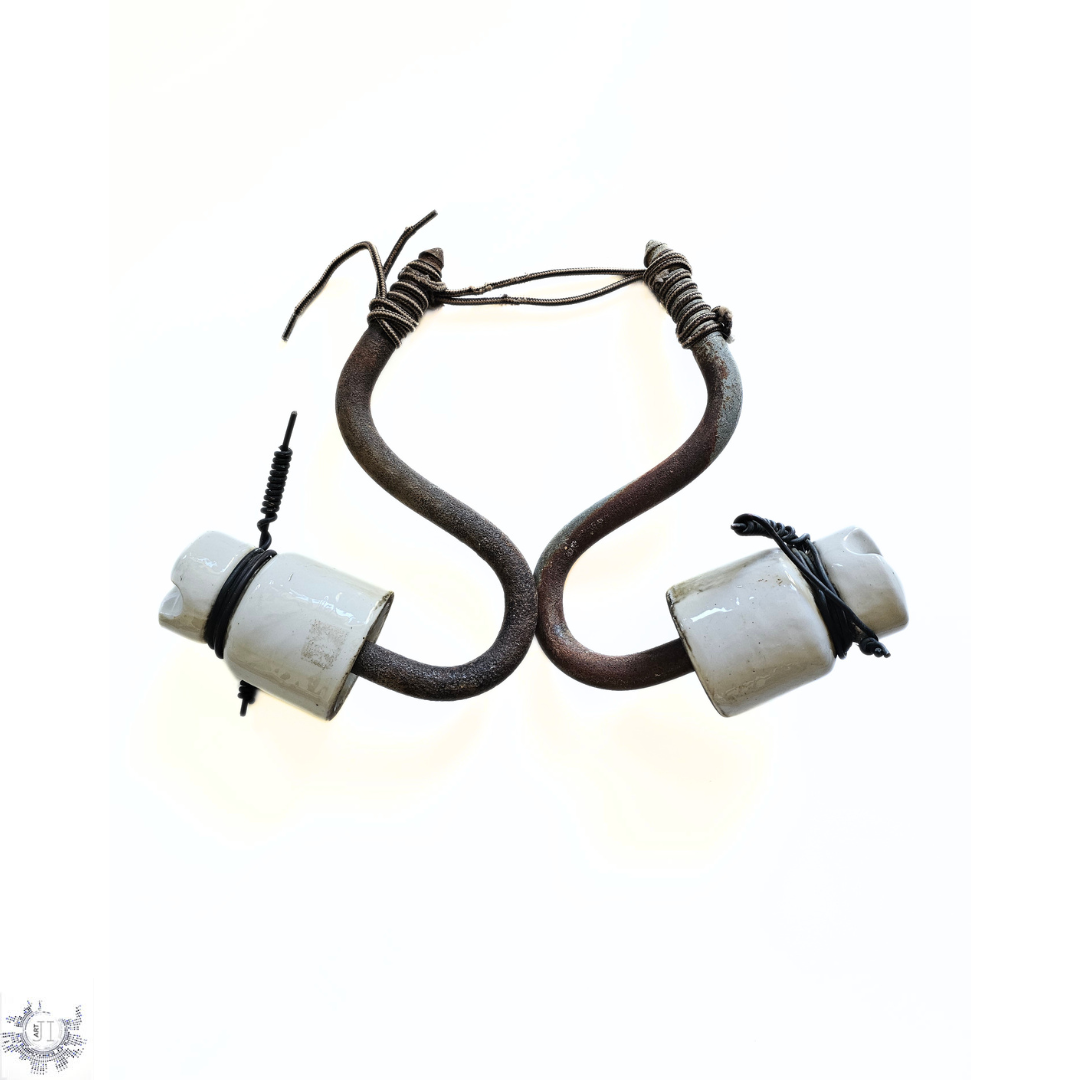
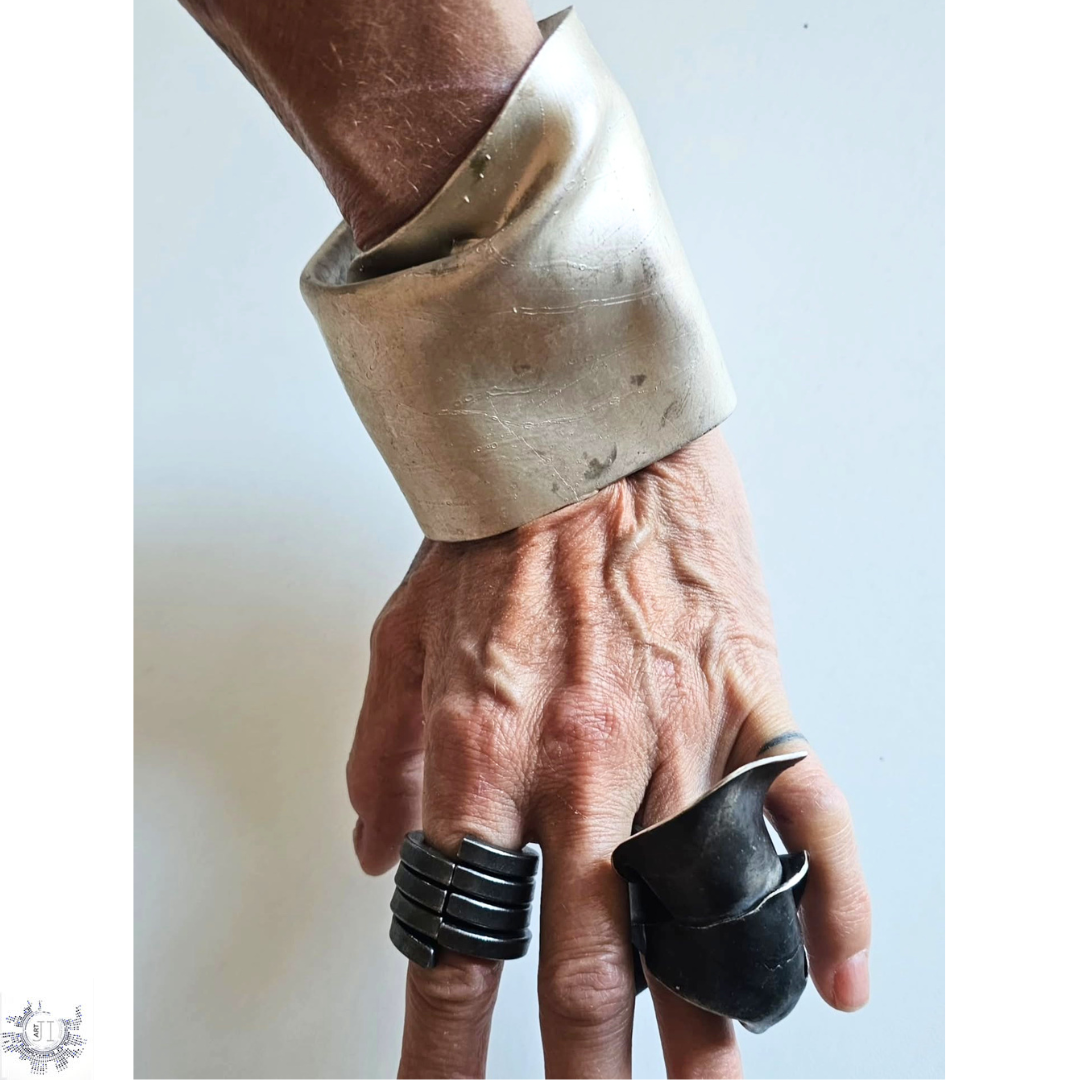
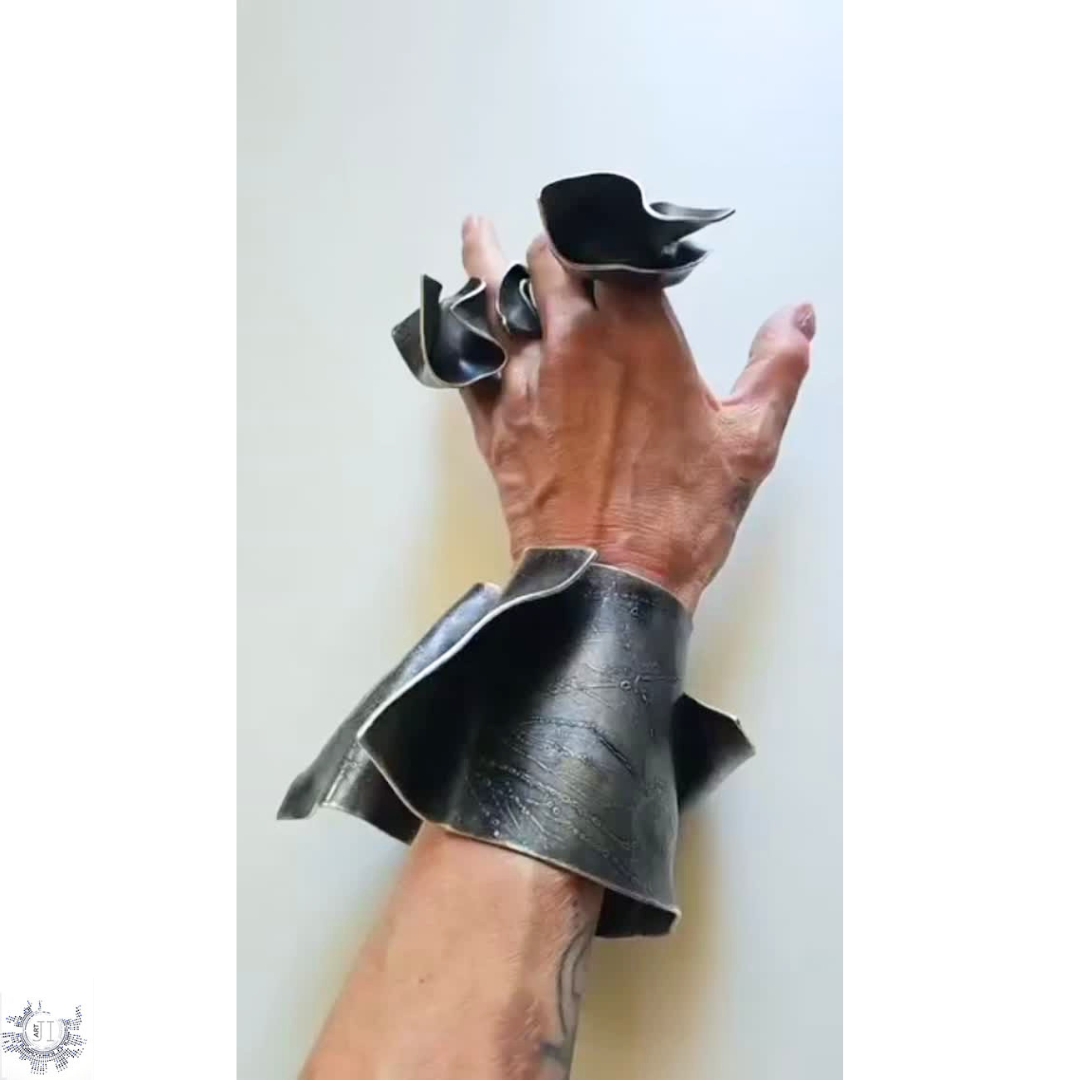
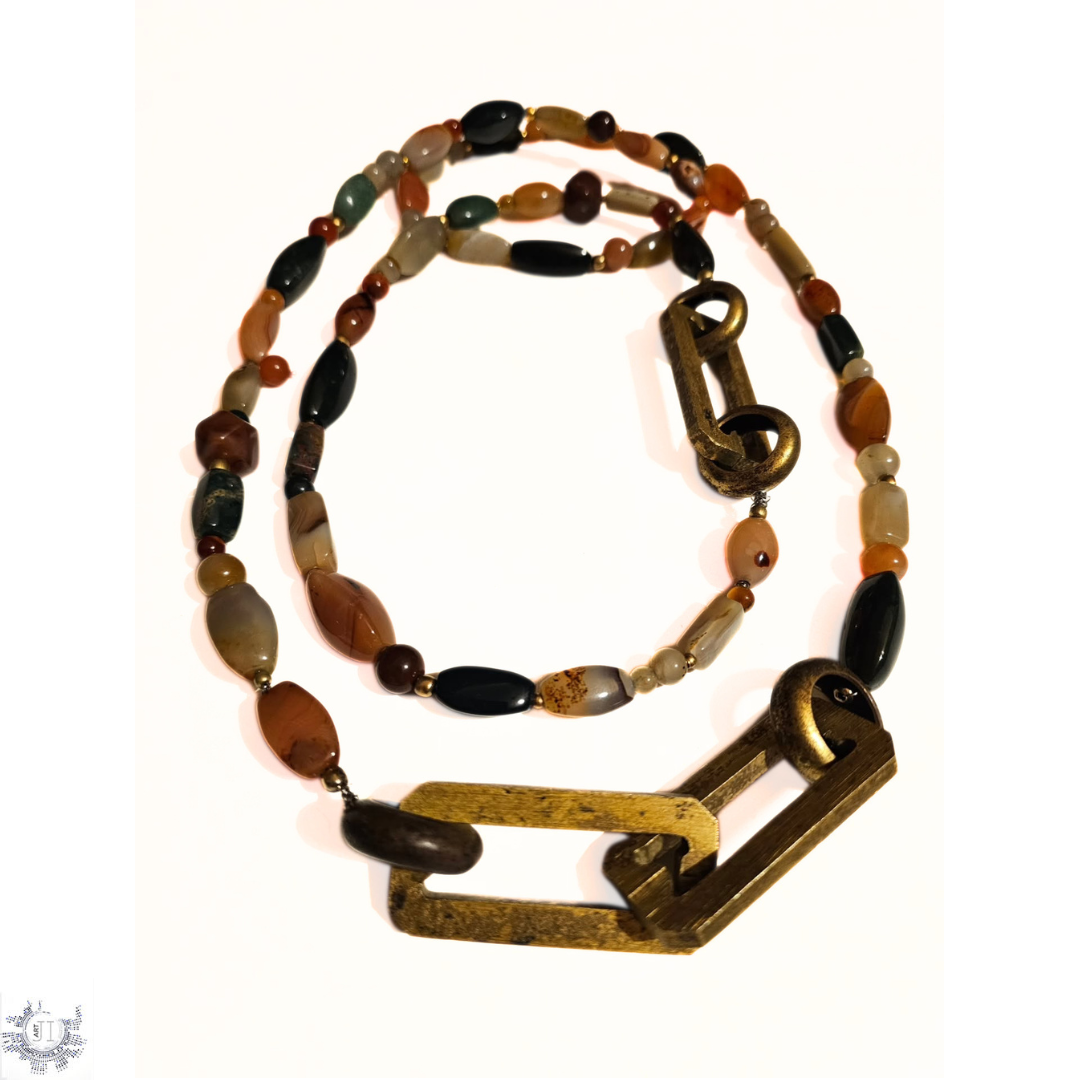
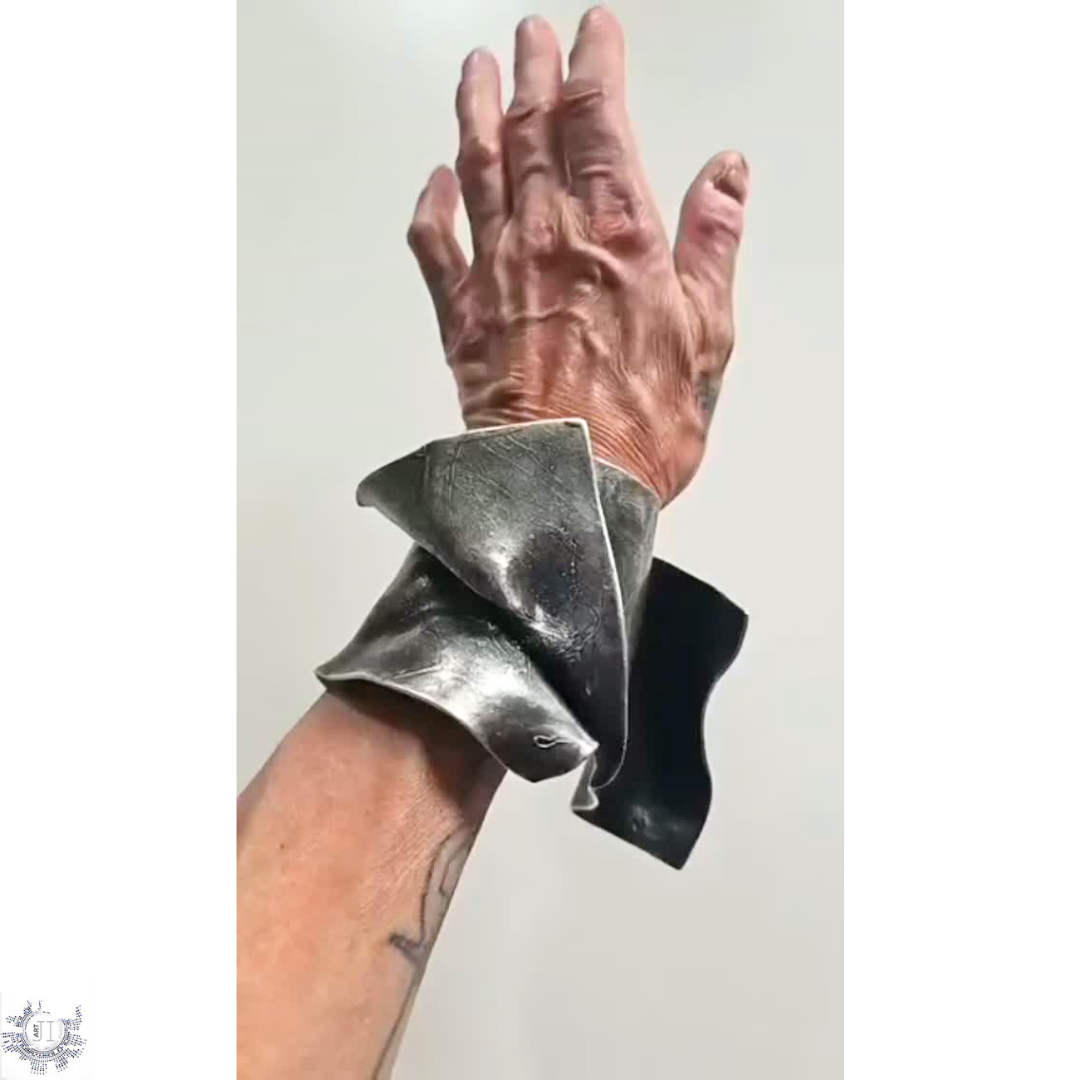
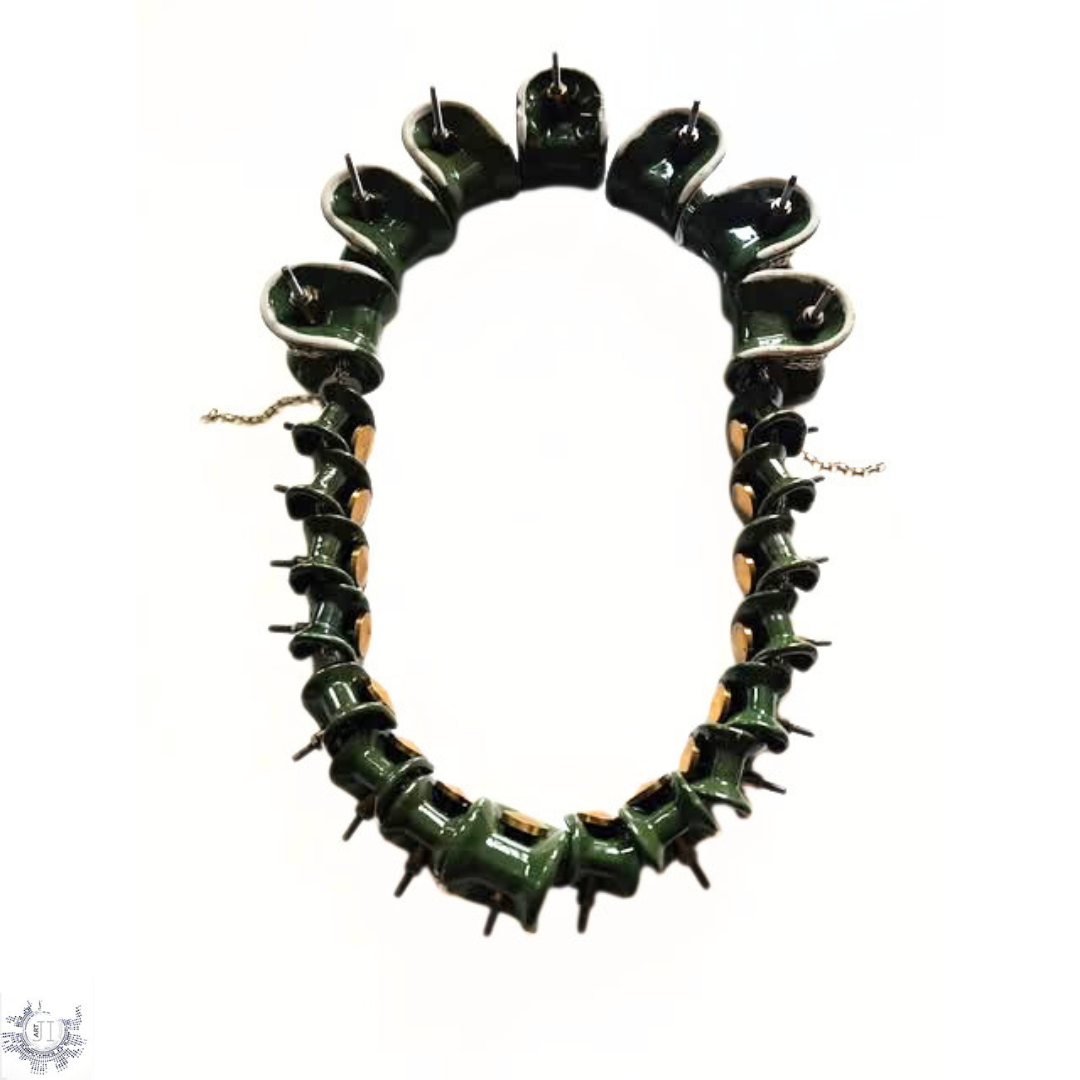
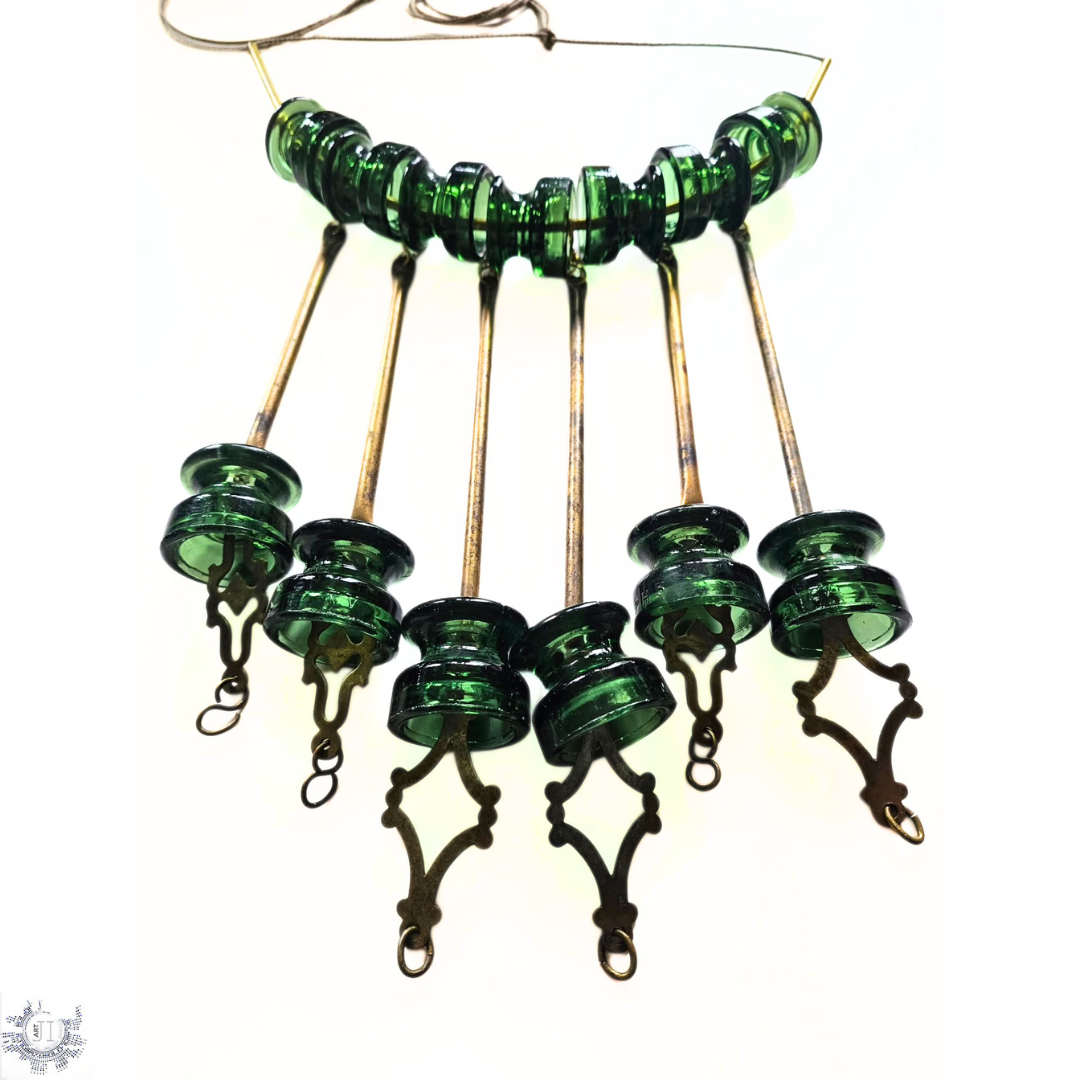
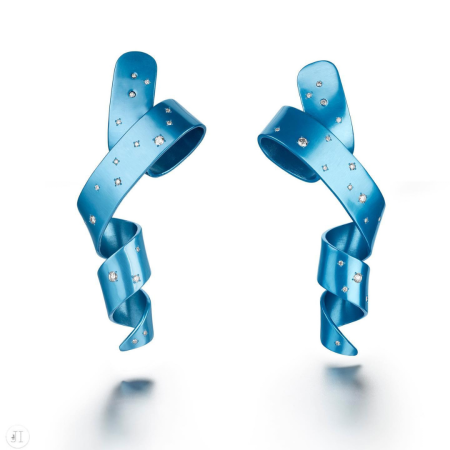
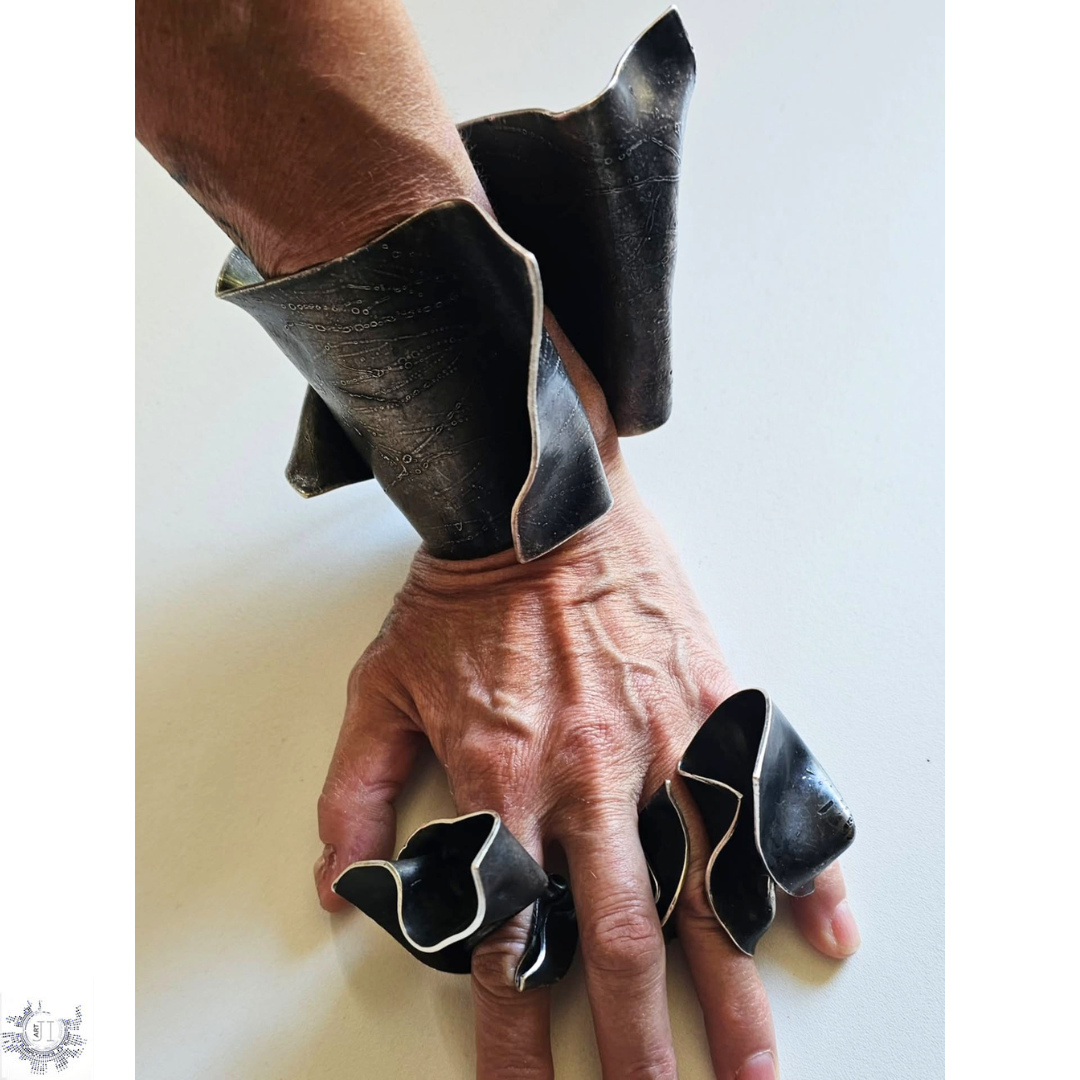
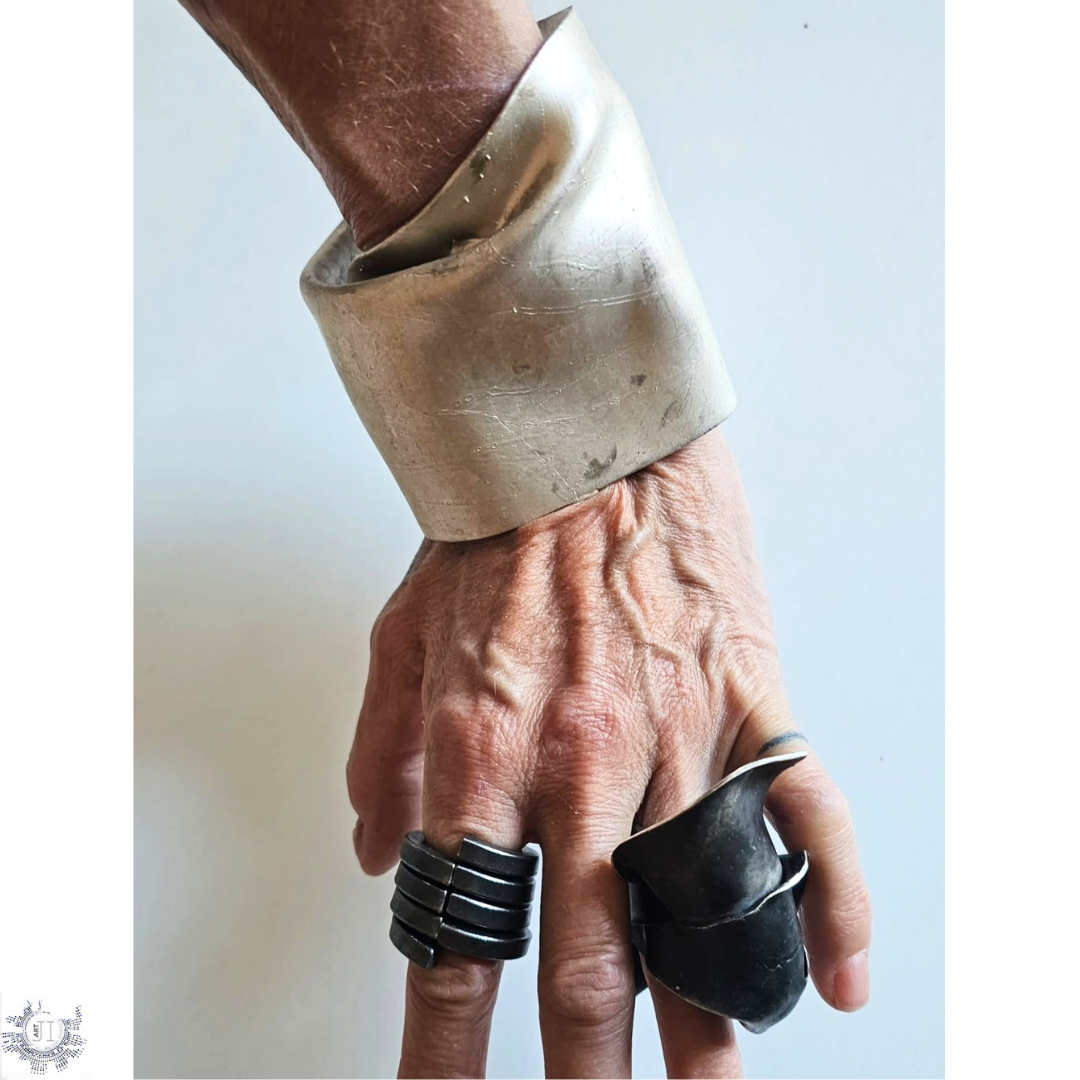
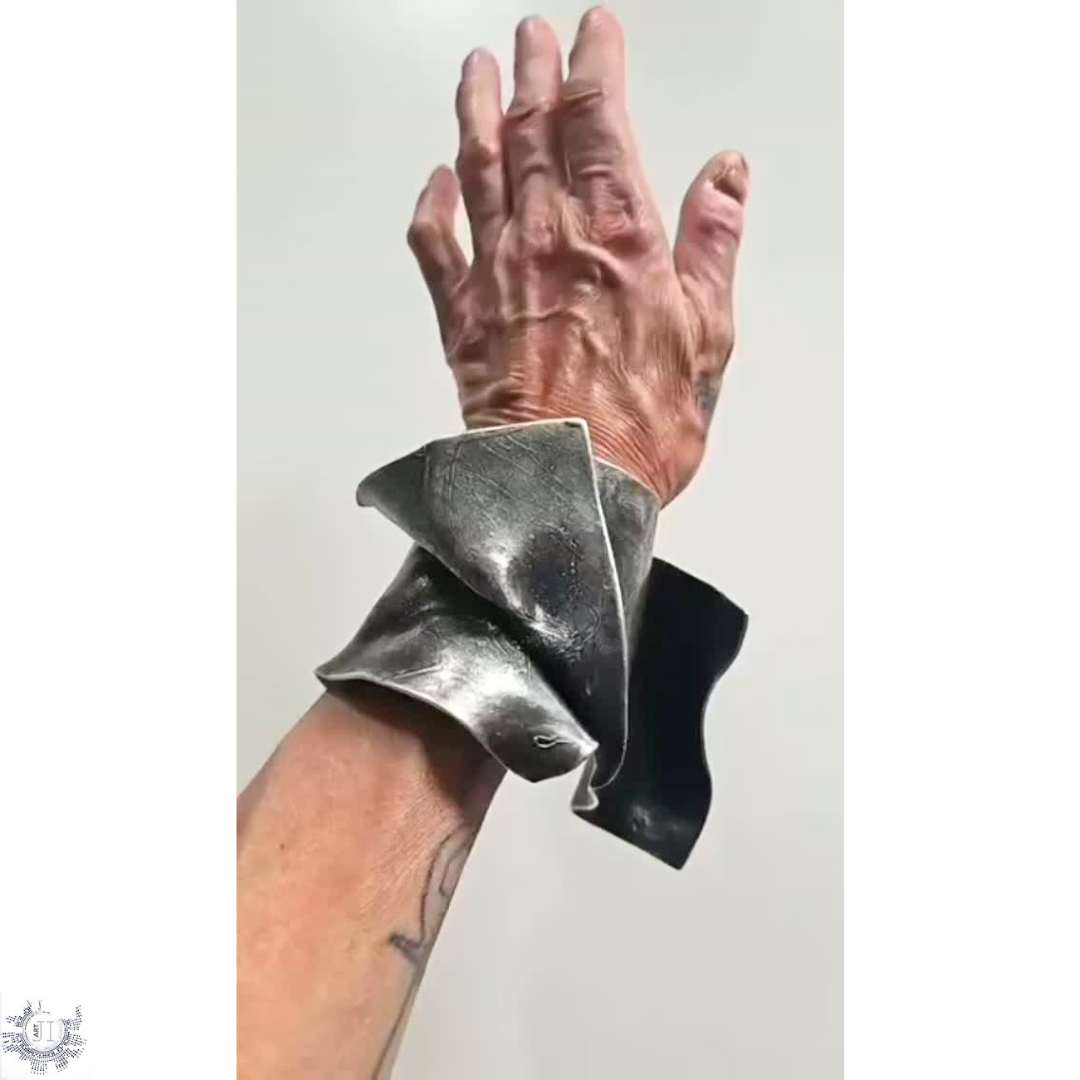
For Alina, jewellery belongs closer to sculpture and architecture than to conventional decoration. She describes her pieces as “wearable architectures or sculptures,” and works with materials that can include antique Baroque furniture decorations, Roman head-forged screws and found objects, treating their existing character as part of the work. The pieces are made to be worn, but they can also be hung on a wall when they are not on the body.
Her work is ultimately concerned with freedom: freedom to look differently, to wear something unexpected, and to approach objects without the usual rules of jewellery. People sometimes give or send her objects they have found, which she sees as evidence that her work has opened their minds and hearts. “I don’t want to decorate,” she says. “I want to inspire a new way of thinking, breathing, living.”
Then there is the woman behind the screws, the sculptures, the antique fragments and the rings that refuse to behave like ordinary rings. Read our conversation with Alina Alamorean – and decide for yourself what happens when jewellery stops asking permission.
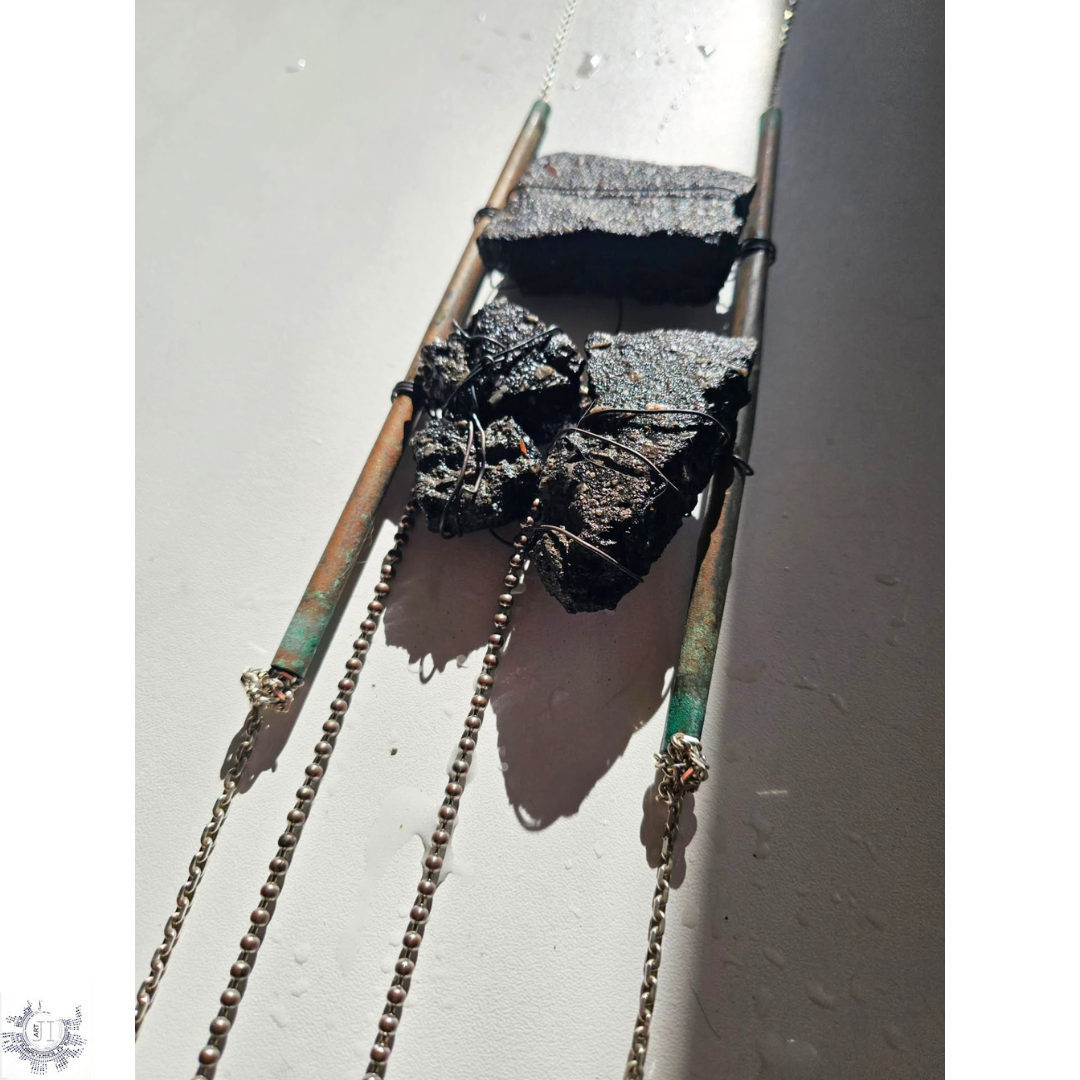
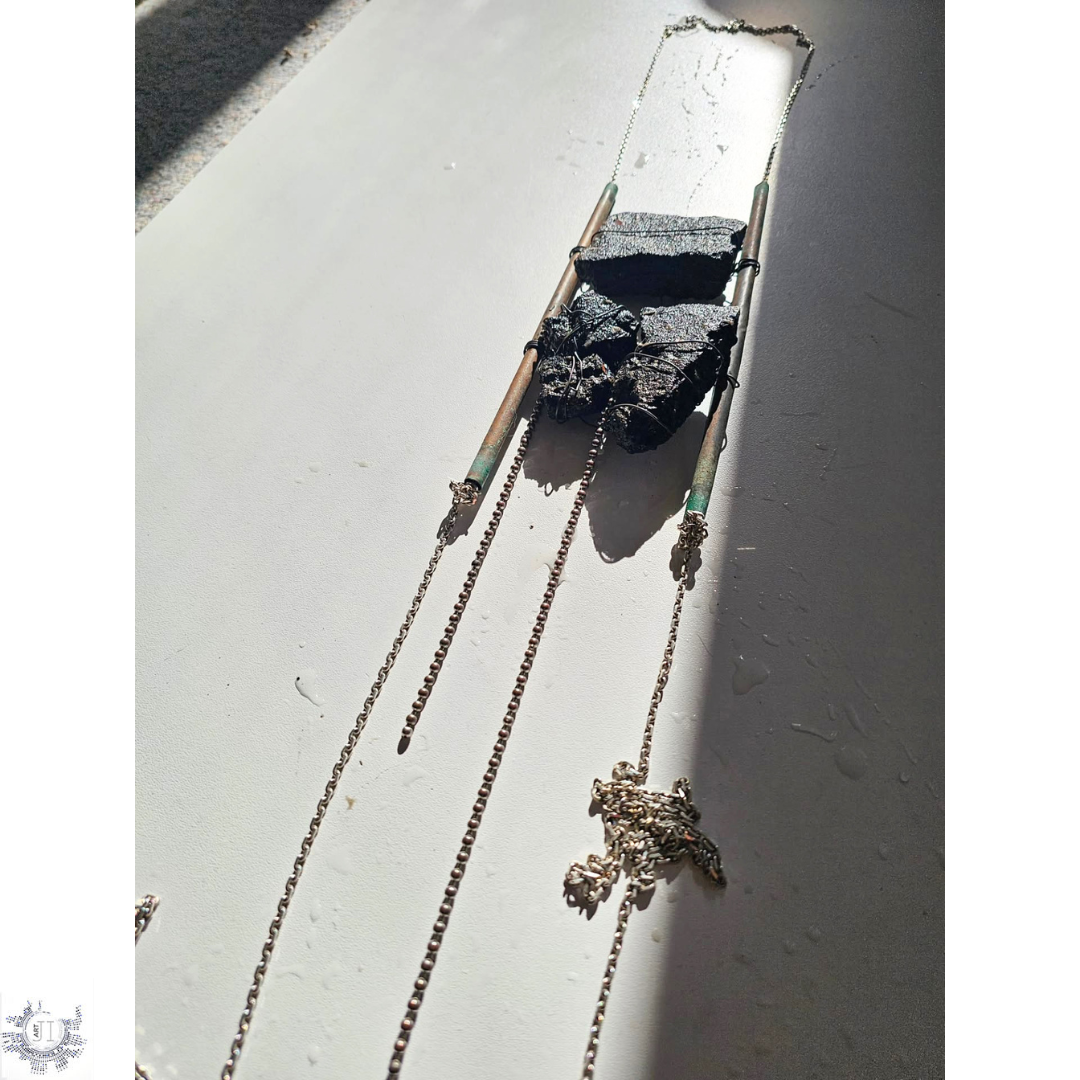
We were living for this, in a very naïve way, so different from other people; my parents were calling them materialistic. Beauty was in a big red tomato, warm bread and the sky after the storm, and in all we were doing and what came alive from our hands.
Alina Alamorean
The JI: You were born in Transylvania into a family of avant-garde architects and artists. What did beauty mean inside your childhood home? Was creativity experienced as a form of freedom, or did it come with its own expectations and pressures?
Alina Alamorean: Creativity was something natural in our house. Beauty and the right proportions and colours were subject number one between us.
Both my mother and my aunt did couture; my mother also crocheted silk bags for an art gallery. My father was drawing with charcoal or pastel. My grandmother and great-grandmother studied at les Beaux Arts; unfortunately, they had to marry and were unsatisfied after. My great-great-grandfather was a Polish architect.
I was surrounded by the art books of my father. When I came back from school, I’d open the crystal vitrine; it was like a ceremony because it was creaking, and the books had beautiful, soft pages and smelled new and somehow precious. I was looking at Botticelli, Kees van Dongen, Toulouse Lautrec, Mirò. Mirò was my funny favourite. But also Jérôme Bosch. So intriguing.
An architect friend of my parents was doing jewelry in his kitchen. I discovered it in his house, with 11 Antonio Gaudí and the first album of Dire Straits. A real shock. It was snowing and there was no sound outside. The snow was sparkling like little diamonds. I was surrounded by beauty and silence.
We were living for this, in a very naïve way, so different from other people; my parents were calling them materialistic. Beauty was in a big red tomato, warm bread and the sky after the storm, and in all we were doing and what came alive from our hands. But they pushed me to start medical school. Because there was no future with art, they said.
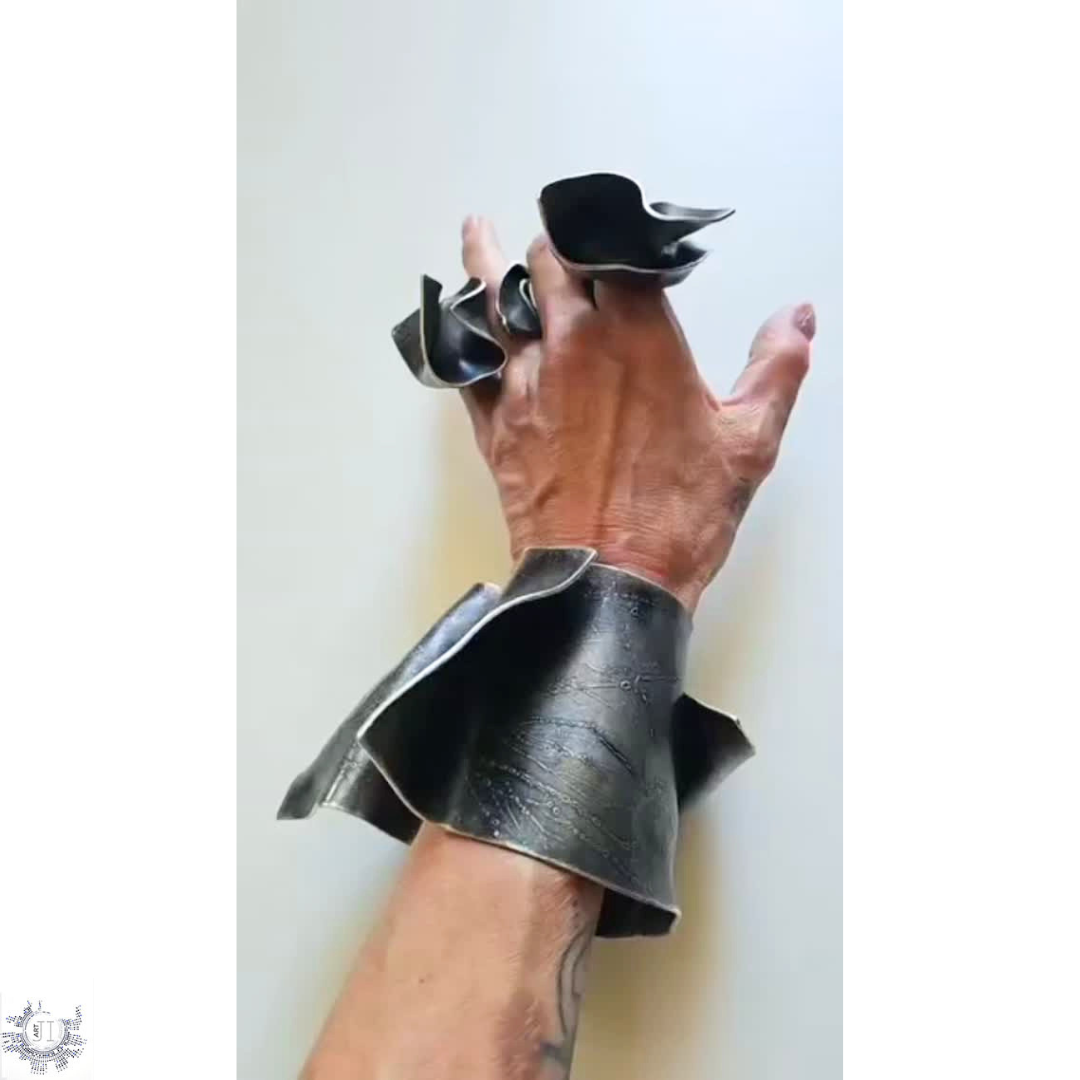
I wanted to do something different from the start, yes. Why do it otherwise? It had to make sense and be useful.
Alina Alamorean
The JI: You came to jewellery and almost immediately began making pieces that challenged its established proportions and conventions. Did arriving as an outsider give you a freedom that someone trained within the tradition might not have possessed?
Alina: I think there was such a pain inside me, such a need to exist and express myself that it had to explode.
It didn’t come immediately; it was two or three years after my HEJ jewelry school, rue du Louvre in Paris, and the jewelry contests I won (International HRD Diamonds Awards 2005 and 2007) and Tahitian Pearl Trophy. They were already body jewels for the jewelry design contests, that’s true, but I mean my wearable rings.
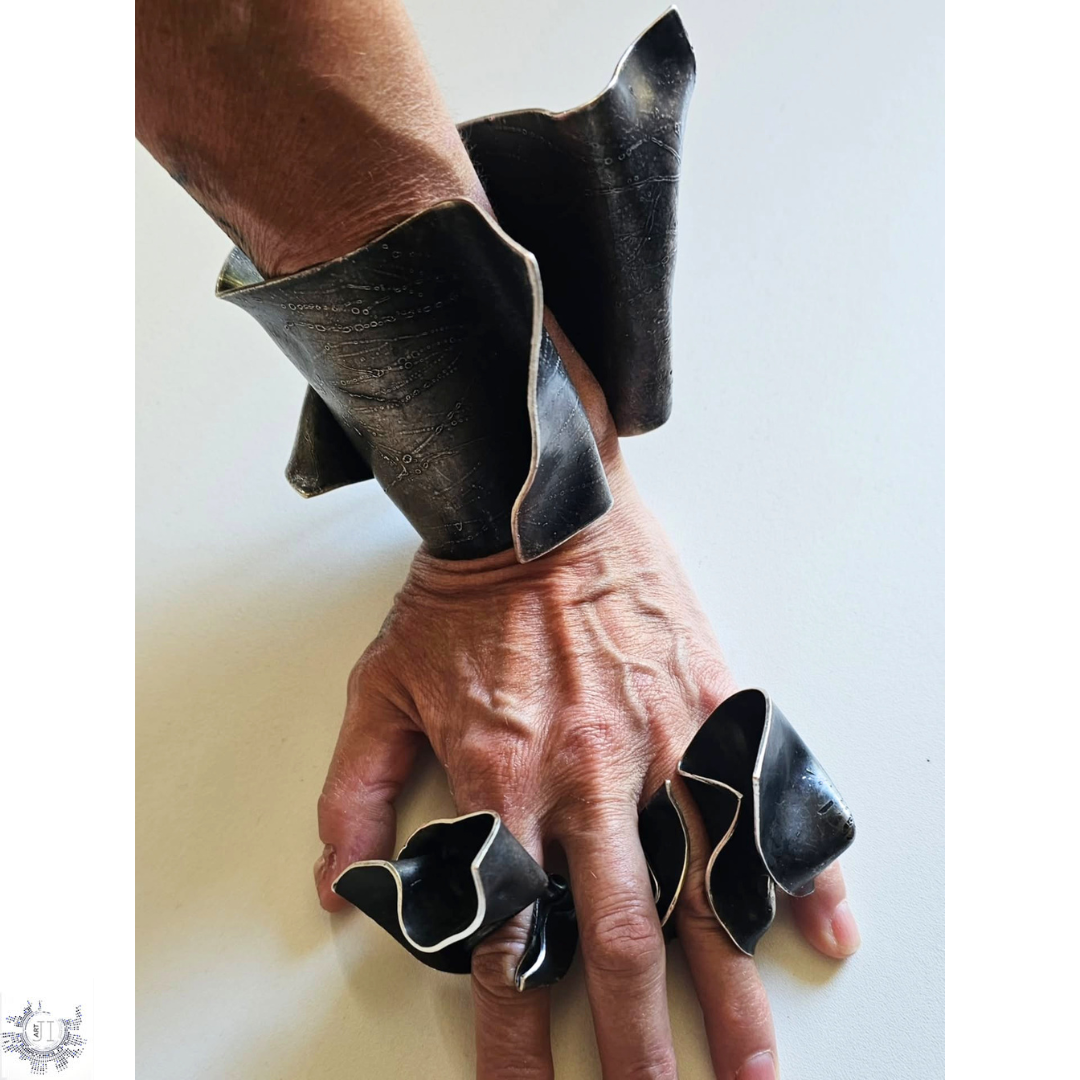
I wanted to let the material breathe and wrap the metal freely around my fingers, in one movement, one line, one shape, one body. Like Toulouse-Lautrec was drawing his horses. I wanted to do something different from the start, yes. Why do it otherwise? It had to make sense and be useful.
I’ve always done my own clothes and jewelry; I wanted something special, wanted not to feel ashamed to wear it, wanted to feel in love and surprised every time. I think I was pretentious and vainglorious to say this. But if you are not, a little bit, you won’t challenge yourself – to try making something new.
Alina Alamorean
The JI: You have said that you want to bring jewellery into the realm of the “major arts.” Why do you think jewellery is still so often treated as a decorative or lesser art? Who has the authority to decide which forms of expression are major and which are minor?
Alina: It’s this historical classification into major and minor arts.
Architecture, painting and sculpture were considered major. And jewelry is part of the decorative arts, so it’s minor.
Serge Gainsbourg said music-making is easy. He would have wanted to be a painter. He said everybody can do music, but painting and architecture need to be studied and learned. He was unhappy and underestimated his music and destroyed his paintings.
My father said only cannibals put earrings and make holes in their ears. So he was an architect, didn’t allow me to be one, and he was contemptuous and misogynistic. So maybe or surely I’ve wanted to prove myself I’m able to do something interesting, artistically speaking. Wearable architectures or sculptures. Something remarkable and worthy of consideration. Not only vulgar commercial decoration which doesn’t say anything and only hides the lack of substance and philosophy.
That’s why for me the volume, the shape, the line are the only things I search and do. I don’t go into details.
I also wanted to create something that was not created yet, something new, because all the jewelry pieces I was seeing in the shops were boring. I wanted something worthy for the future, but, first of all, for myself. Something I want to wear years after and I won’t get annoyed looking at it or playing with it.
I’ve always done my own clothes and jewelry; I wanted something special, wanted not to feel ashamed to wear it, wanted to feel in love and surprised every time. I think I was pretentious and vainglorious to say this. But if you are not, a little bit, you won’t challenge yourself – to try making something new.
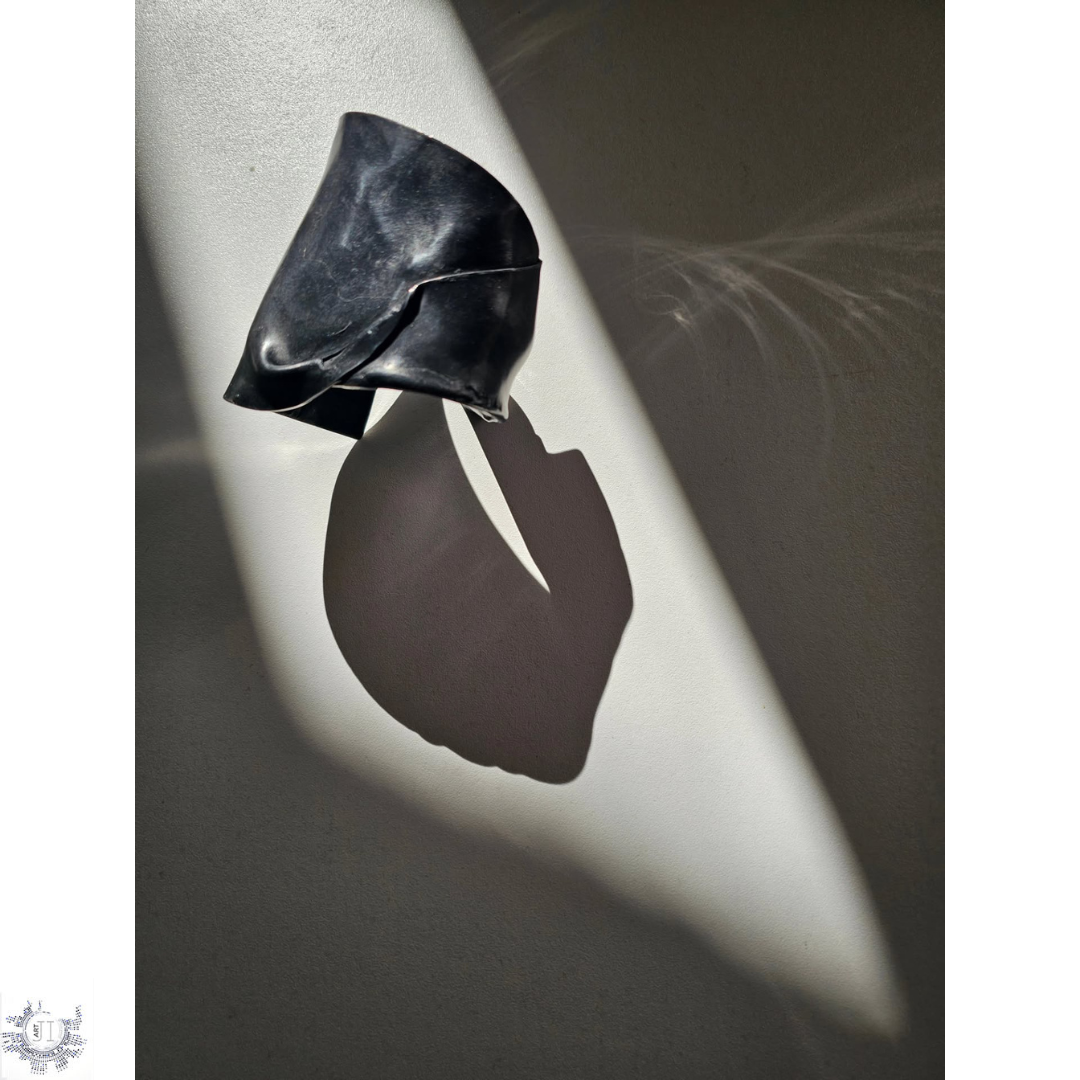
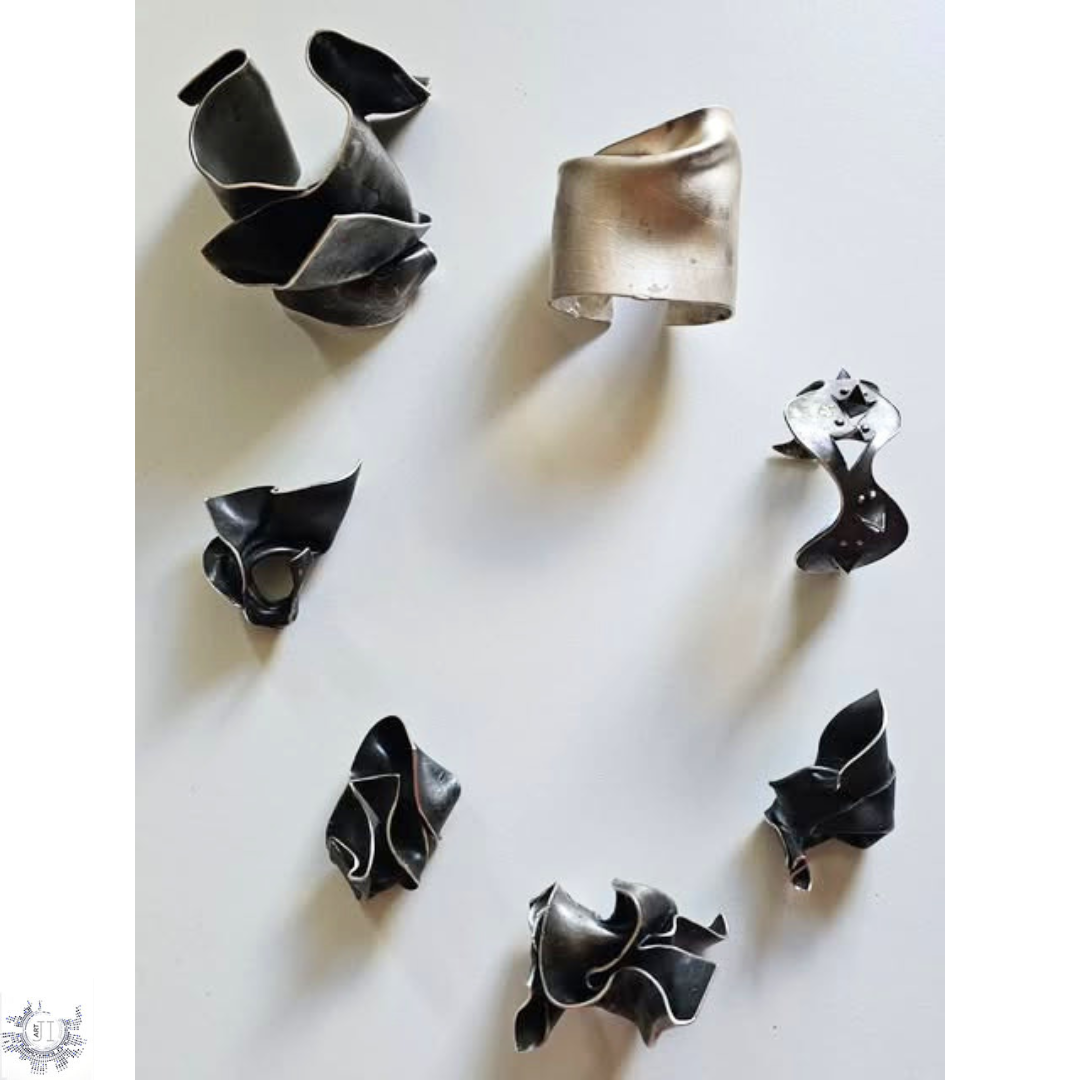
I respect the objects, the material; I want them to express their whole power, rigor and austerity, sexuality and simplicity too, even if they are made from antique baroque furniture decorations. It’s all about what makes sense when I marry them. Somehow I’ll make them sit on my body, and as soon as I put them on my body, I look like a Queen.
Alina Alamorean
The JI: Unlike a painting or sculpture, jewellery acquires another life through the body. It absorbs movement, intimacy, sexuality, memory and eventually even traces of mortality. Does that make jewellery, in your eyes, more psychologically charged than other art forms?
Alina: Yes, because it directly touches the body, the skin, like love.
Some people ask if my jewelry hurts. And I ask: whom? The one who is wearing it or the one who looks at it and imagines things in his head?
I know I tickle the mental boundaries and phantasies. It’s all about love; possession and power in life, isn’t it?
I do strong pieces which make sense for me. Which are true and real. Which tell something. I’m not aware why I like this, but that’s how I feel.
I respect the objects, the material; I want them to express their whole power, rigor and austerity, sexuality and simplicity too, even if they are made from antique baroque furniture decorations. It’s all about what makes sense when I marry them. Somehow I’ll make them sit on my body, and as soon as I put them on my body, I look like a Queen 👑😀.
And they are all comfortable, despite their weight. It’s a hard thinking process and a challenge when I work with them. Very stimulating. I just want them to be just and true. Only like this will they tell their story and reveal themselves.
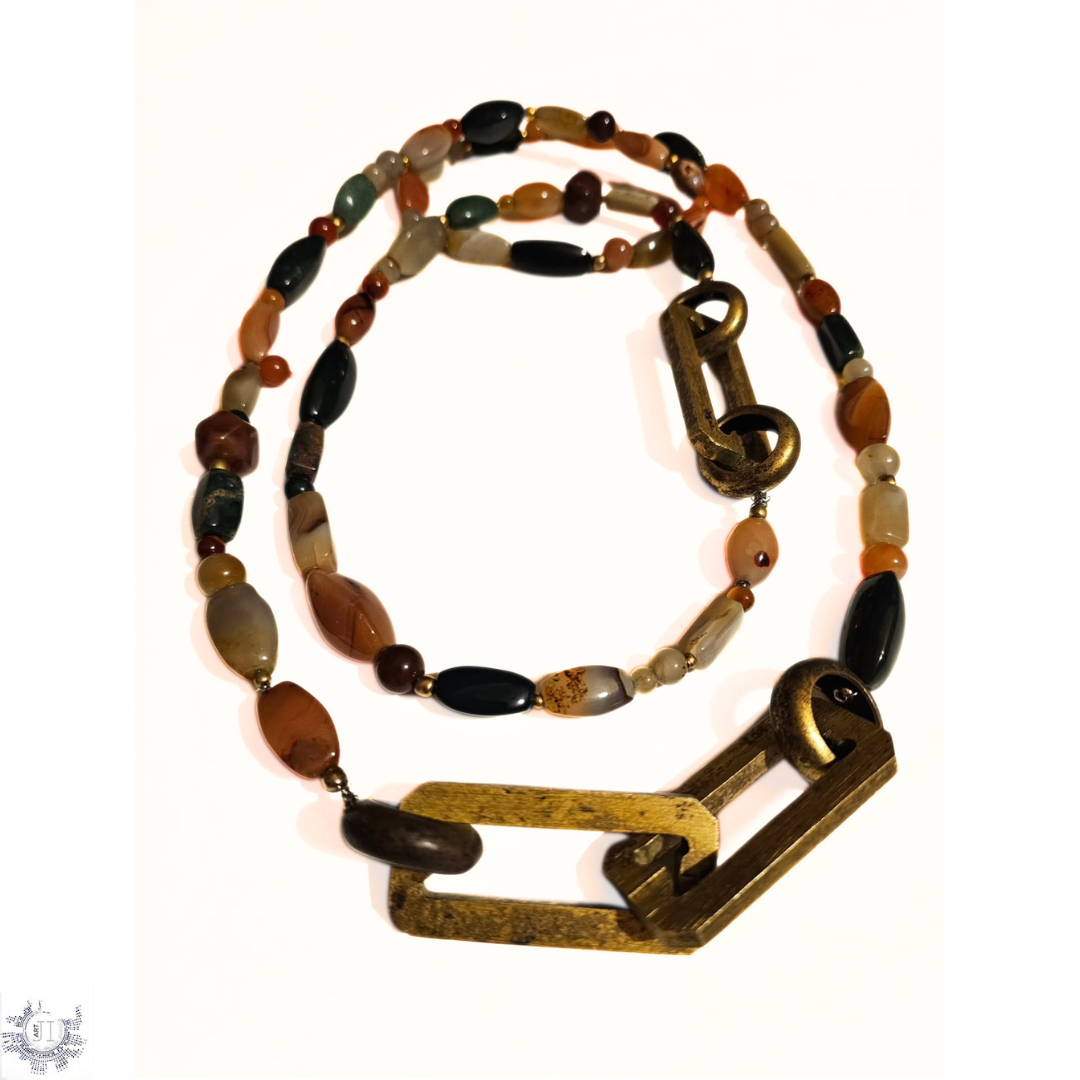
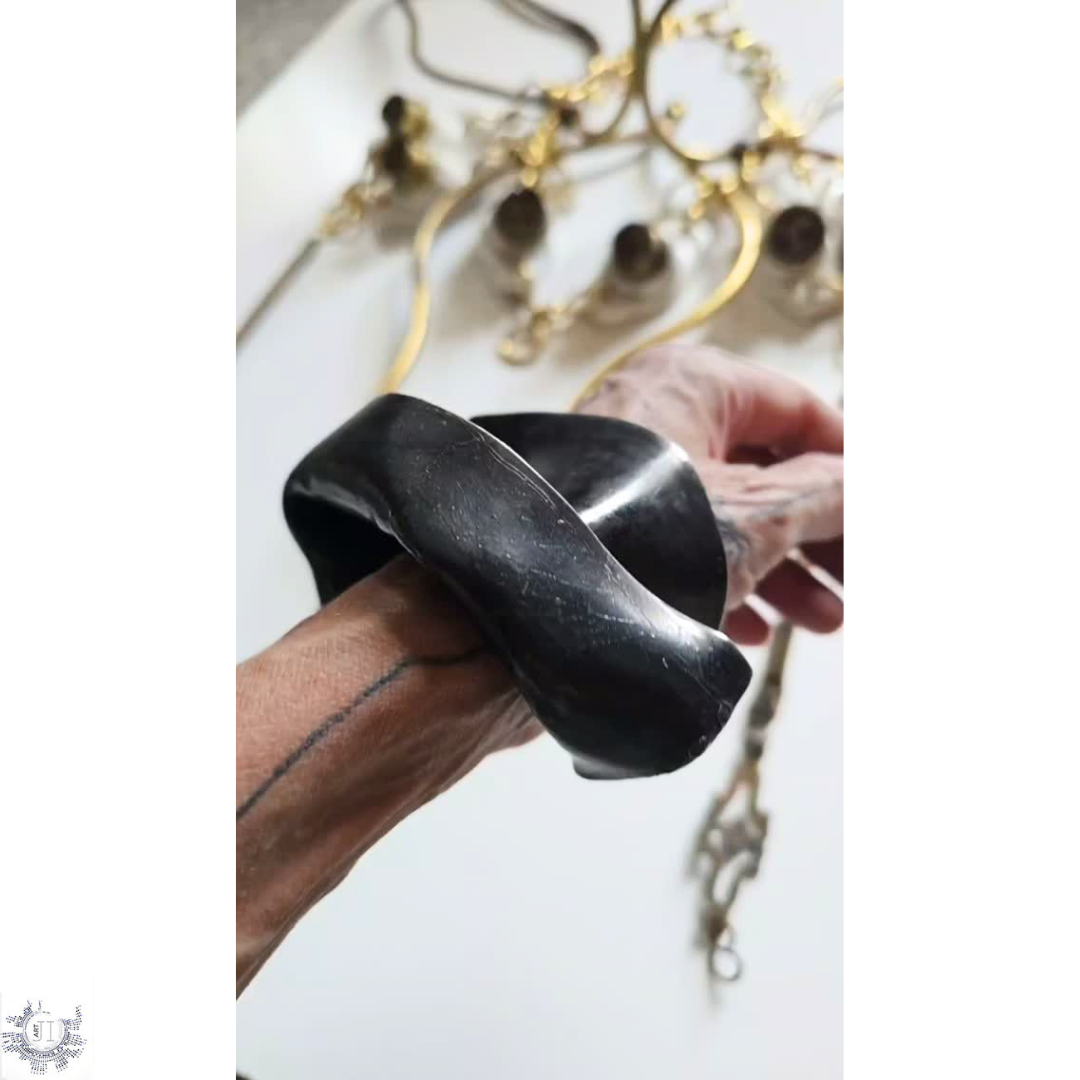
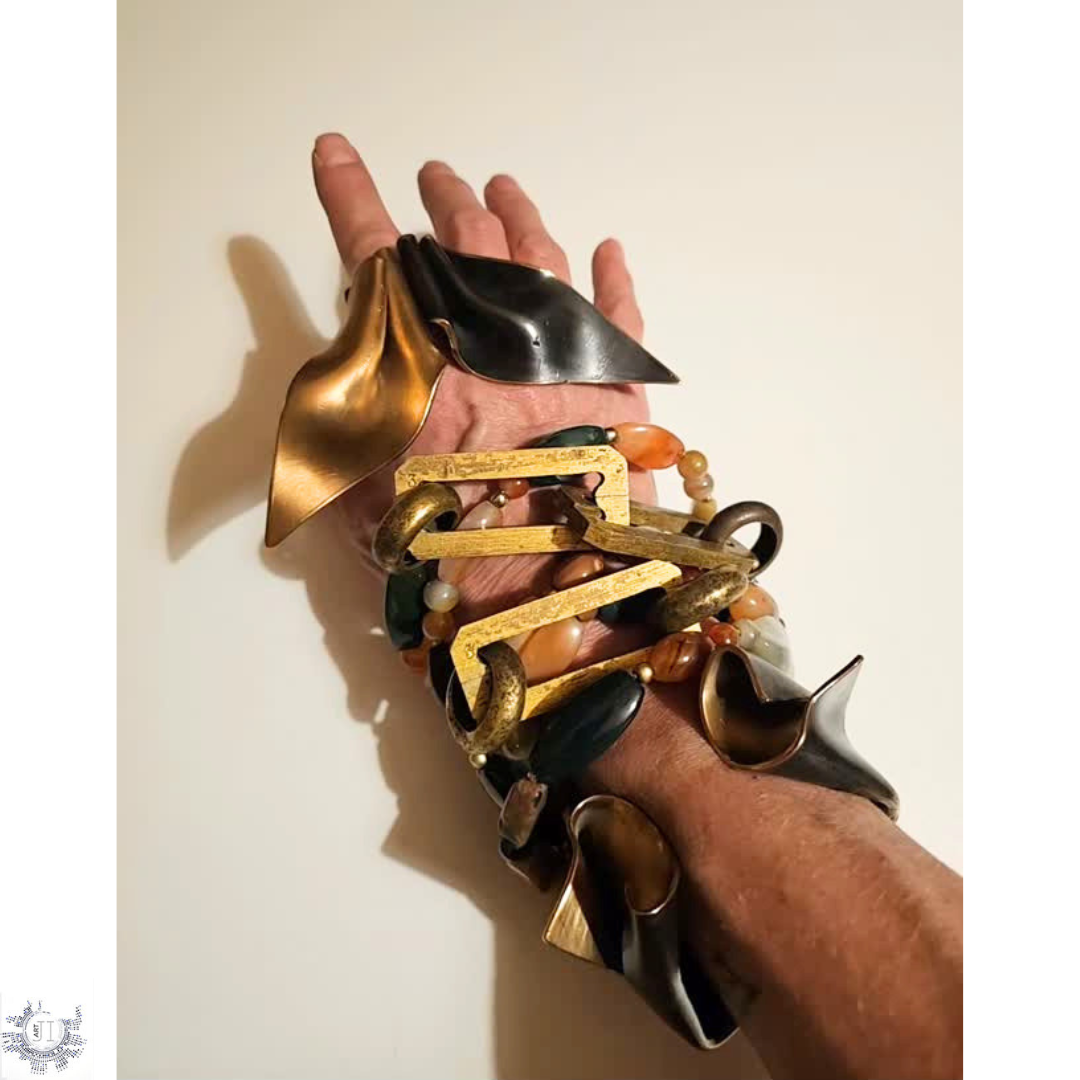
For me, jewels are and should be sculptures. They should make you think. And if not worn, they can be hung up on a nail on the wall.
Alina Alamorean
The JI: If an object is uncomfortable, fragile or extreme to be worn, can it still be called jewellery? Where, for you, is the final boundary between a jewel and a sculpture?
Alina: Yes, if wearable, even for a few minutes, the time to take a picture and make it stay on the body. For me, jewels are and should be sculptures. They should make you think. And if not worn, they can be hung up on a nail on the wall. Thus, life and dreams come into your house.
I don’t think about whether people think it’s safe or not. This is not my problem, it is their boundaries.
Alina Alamorean
The JI: Traditional jewellery promises beauty, refinement and desirability. Your work frequently introduces darkness, aggression, disproportion and discomfort. Do you believe beauty has become too safe?
Alina: Beauty is something personal. And the proof is the opposite of safe.
Beauty is everywhere, in everything, and it comes from darkness. Light emerges from darkness. But I don’t think of this when I work. I just marry things together in the best way I feel at the moment to give them the whole place, light and power. To let them exist. To bring them to life in my way.
I don’t think about whether people think it’s safe or not. This is not my problem, it is their boundaries. And I think all my pieces promise beauty, refinement and desirability. But maybe I’m not objective.
They need my pieces like something psychoanalytical. To heal. We don’t know each other, but my work is the meeting point. We understand each other through my work (or not at all).
Alina Alamorean
The JI: Some of your pieces seem to protect the wearer, while others almost threaten to consume her. Are your jewels armour against the outside world, or manifestations of what is already happening inside the wearer?
Alina: Yes and yes. I’m very surprised each time when one of my collectors experiences the same pains in his or her life and recognizes him/herself in my work. I mean, they need my pieces like something psychoanalytical. To heal. We don’t know each other, but my work is the meeting point. We understand each other through my work (or not at all).
Sometimes I need days and months to do a piece. Waiting to have the right idea is painful. But if I’m just, I’ll win.
Alina Alamorean
The JI: What is the most painful piece you have ever created: not physically painful to wear, but emotionally painful to make?
Alina: All my pieces are comfortable even if they seem painful. That’s the point. None is painful to wear or dance with. But painful to make? They are all, for some reason.
I am afraid a stone will split when I set it, afraid not to find the right solution. Sometimes when I hurt my fingers with tools, I'm thinking: how am I going to continue if I cut my finger even worse?
My teacher, Marc Lauer, who is sadly not among us anymore, told me that each new jewel he was making was a new challenge. And he was totally right. Sometimes I need days and months to do a piece. Waiting to have the right idea is painful. But if I’m just, I’ll win.
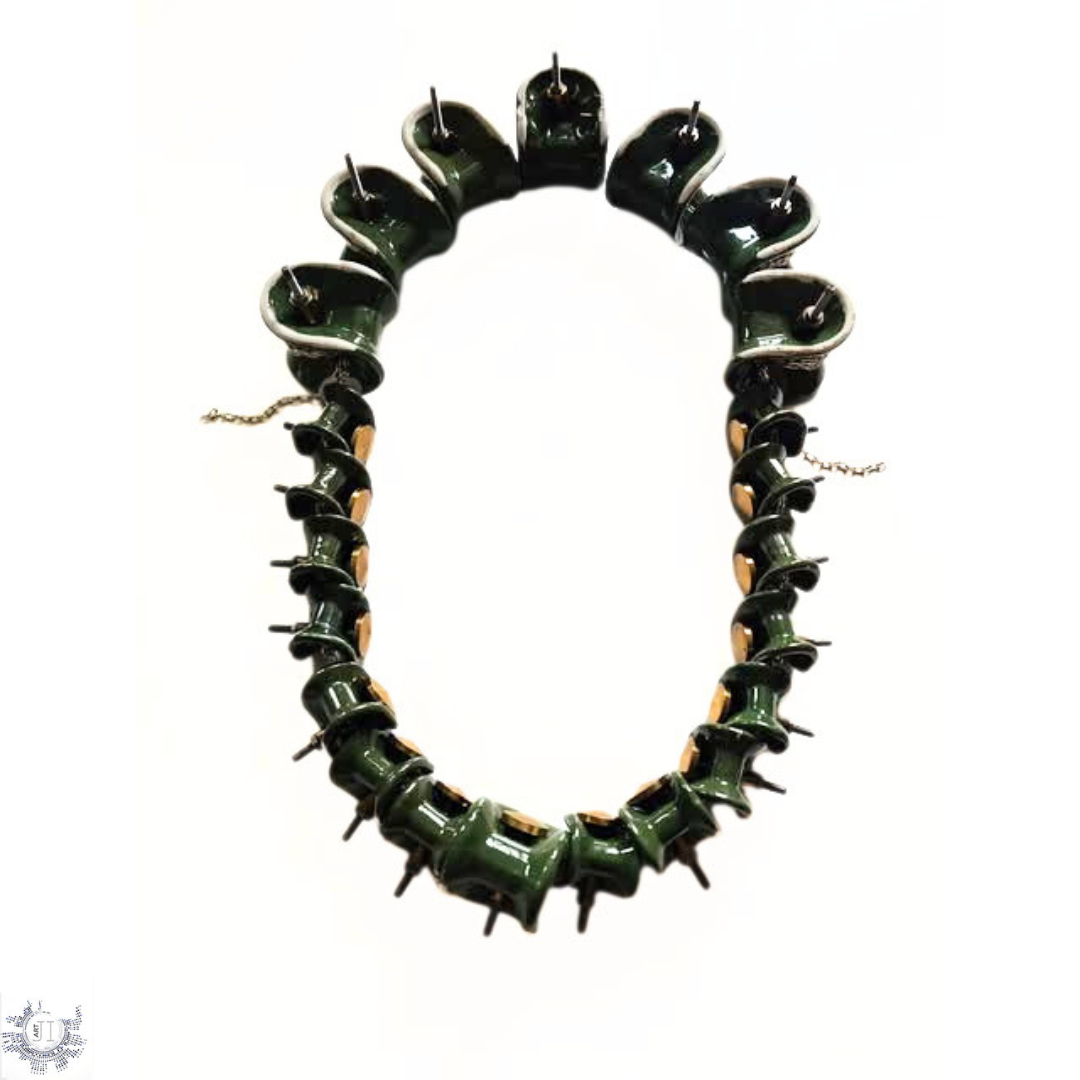
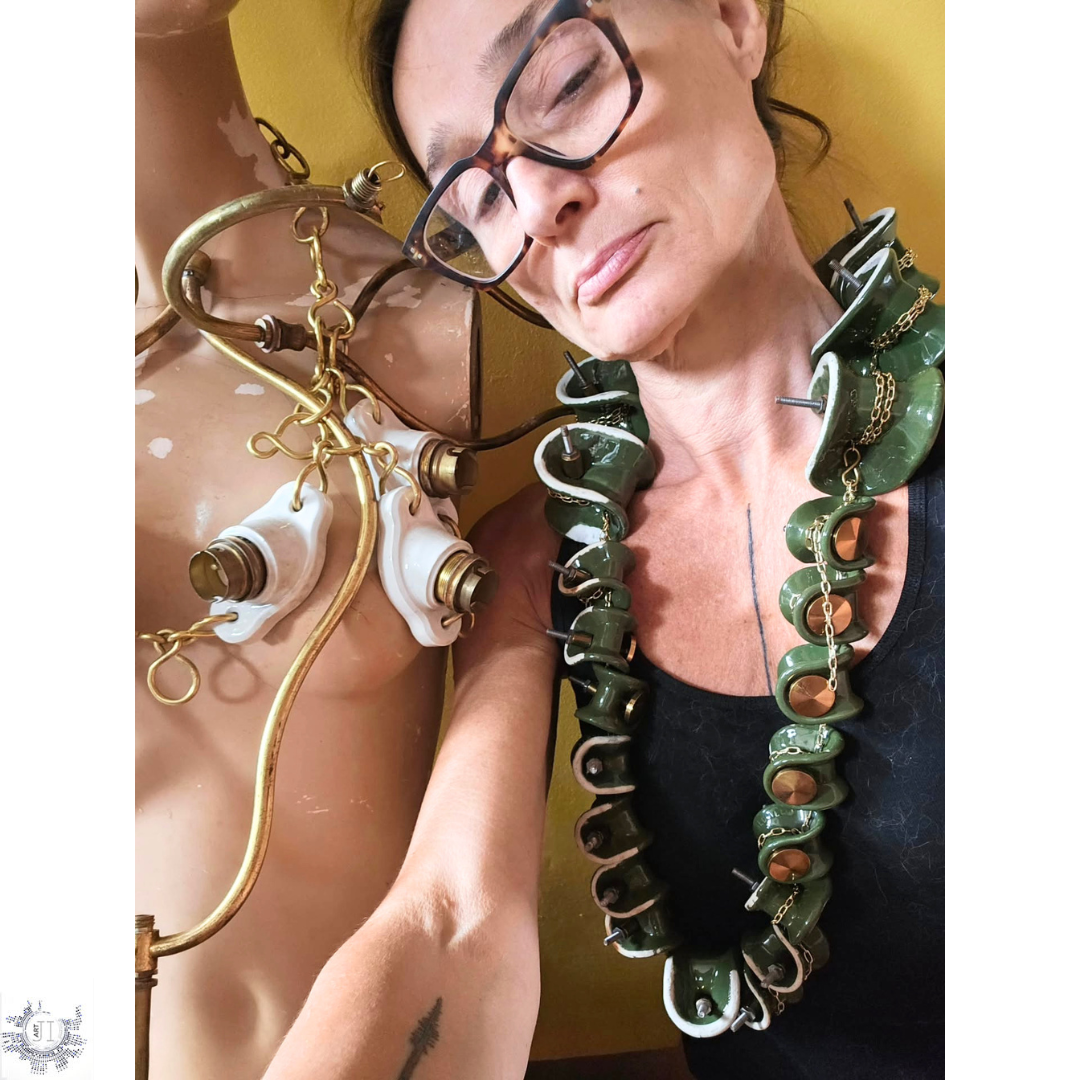
People buy what they don’t see. They buy my vision. My imagination. This paradox is my pleasure.
Alina Alamorean
The JI: Is there a danger that an object intended to challenge luxury becomes neutralised the moment it is placed inside a luxury gallery and given a significant price?
Alina: Oh no, not at all. A found screw on the street becomes luxury the moment it is exhibited in an art gallery and purchased. And this is very funny for me.
Years ago, I sold a very heavy necklace made of Roman head-forged screws with all the rust on them to the greatest jewelry collector in Europe. I did this necklace for me; I couldn’t imagine somebody would want to buy it, ever. But later, I understood that, actually, people buy what they don’t see. They buy my vision. My imagination. This paradox is my pleasure.
It is so much fun to allow yourself to have fun. I mean, why not? How many lives do we have? Why (still) being or living conservatively?
Alina Alamorean
The JI: When your work outlives your body, what do you hope it will reveal about the woman who made it?
Alina: Freedom and making them think.
Once I’ve said: I don’t want to decorate, I want to inspire a new way of thinking, breathing, living. I would love that all people are free in their way of moving, dressing, behaving. Free to wear a found nail or screw or whatever. Be happy having this idea. Be happy to play again and free themselves.
It is so much fun to allow yourself to have fun. I mean, why not? How many lives do we have? Why (still) being or living conservatively? Oh f☆☆☆ 🤪
A lot of people send me or give me things they’ve found. And I’m happy. That means I’ve opened their minds and hearts.
It’s about the journey. Love and beauty are a question of journey.
Alina Alamorean
The JI: Your biggest inspiration?
Alina: Madonna was a great inspiration for freedom in my life. “Justify My Love,” “Express Yourself,” and so many other songs, like “Hung Up,” gave me the courage to divorce my possessive ex-husband, start from nothing, and follow my dreams.
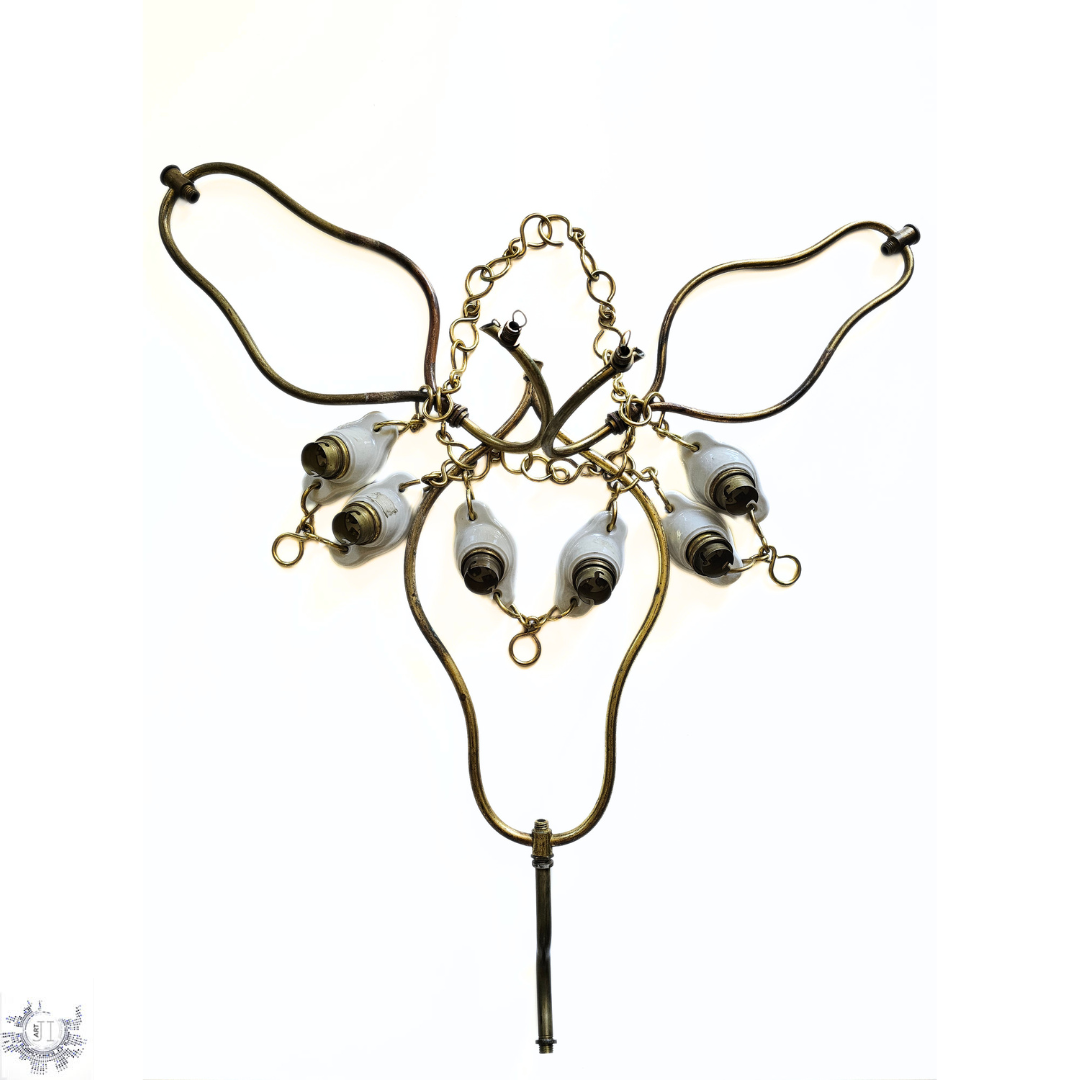
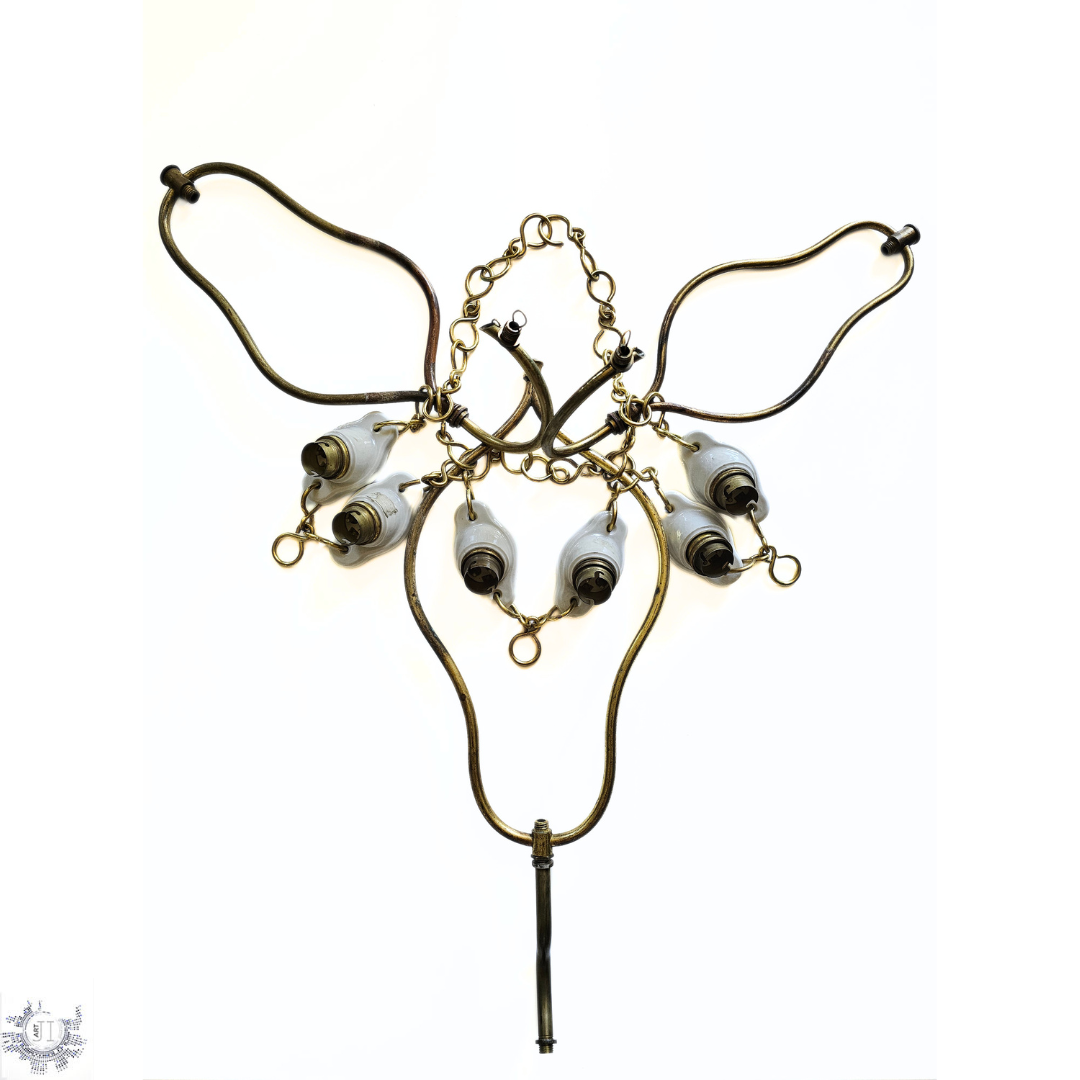
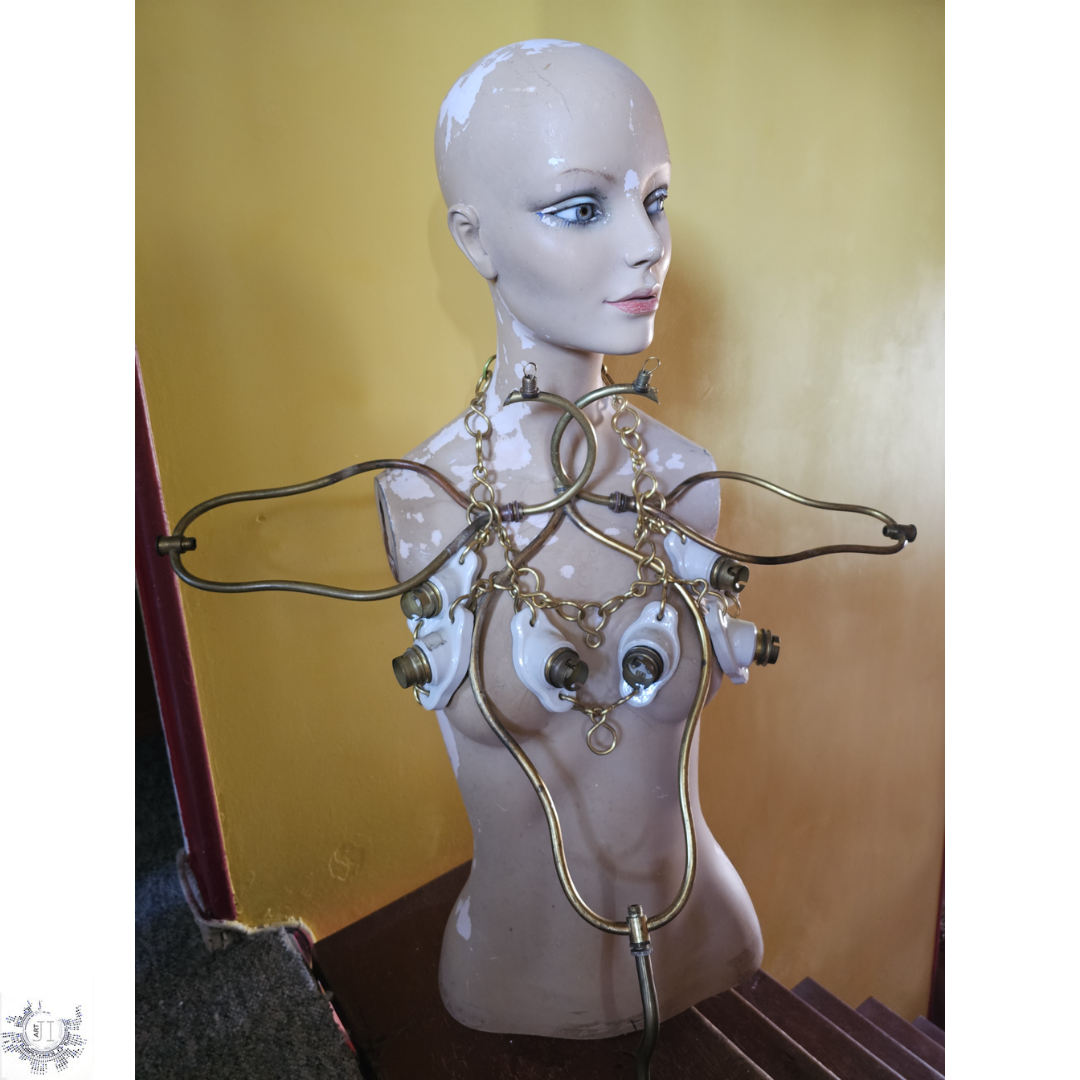
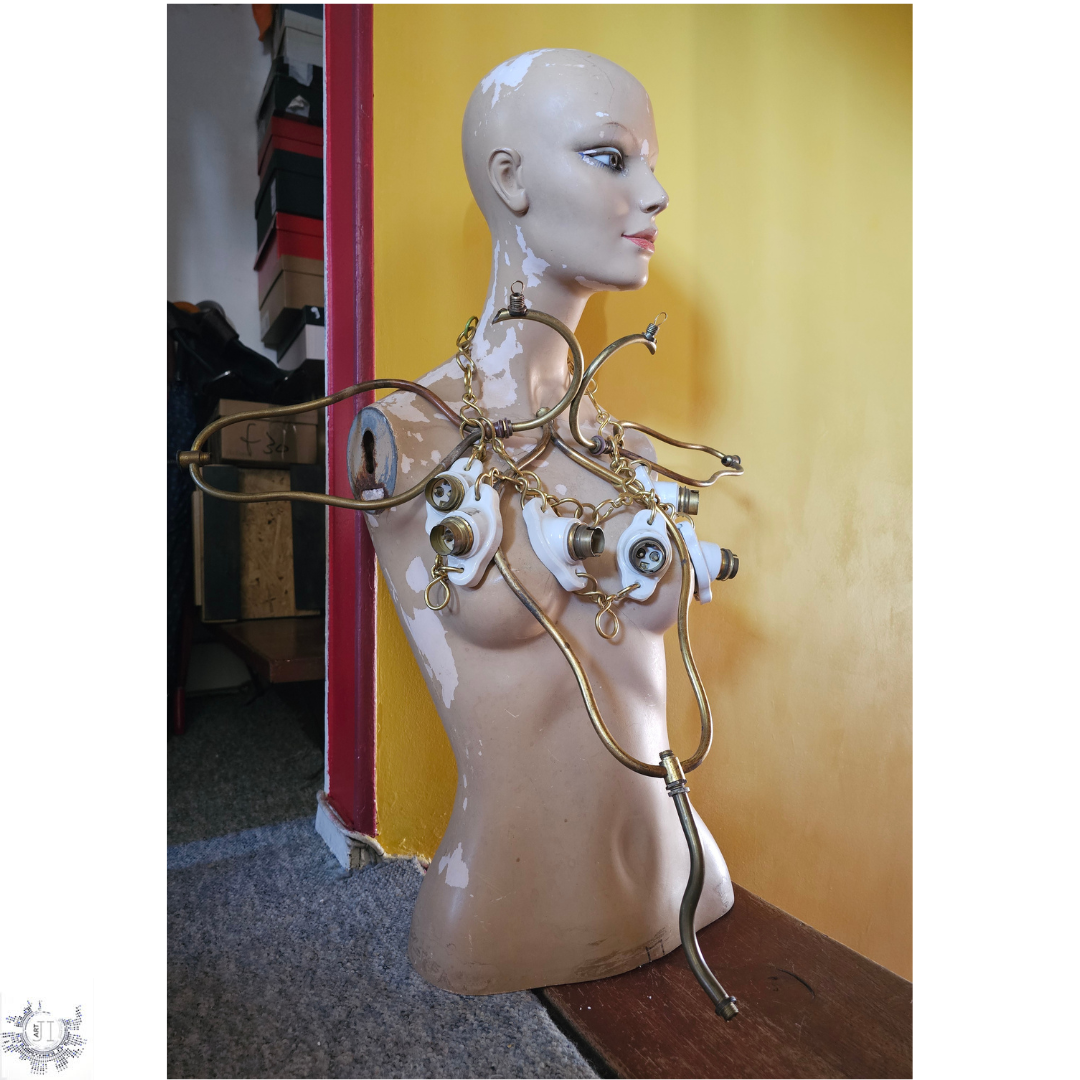
P.S. Right now, I’m working on the necklace with the six porcelain and brass supports for light bulbs. I will show you a picture. But I’ll change it.
I can’t explain why, but the one I’ve started doesn’t have the right music. It doesn’t make me dream. So I have to modify the necklace and search for other antique porcelain pieces that had the same use, so that it will make sense and, when you look at it, it will make you travel.
It’s about the journey. Love and beauty are a question of journey.