
VERONICA SMIRNOFF AND BARRY X BALL: HISTORICAL FORMS WITH A PULSE
The relation between what we see and what we know is never settled. Each evening we see the sun set. We know that the earth is turning away from it. Yet the knowledge, the explanation, never quite fits the sight.
John Berger
Some exhibitions treat history as a fixed point of reference; meanwhile, Parto Artifex, presented by LIS10 Gallery, approaches it differently.
The exhibition brings together Veronica Smirnoff and Barry X Ball around a shared question: what happens when historical forms continue to generate meaning in the present?
Although their methods could hardly be more different, both artists work with inherited visual languages: neither treats the past as a complete or settled fact; instead, each returns to historical forms as material that can be reworked, reconsidered, and brought into new contexts.
The past is never dead. It's not even past.
William Faulkner
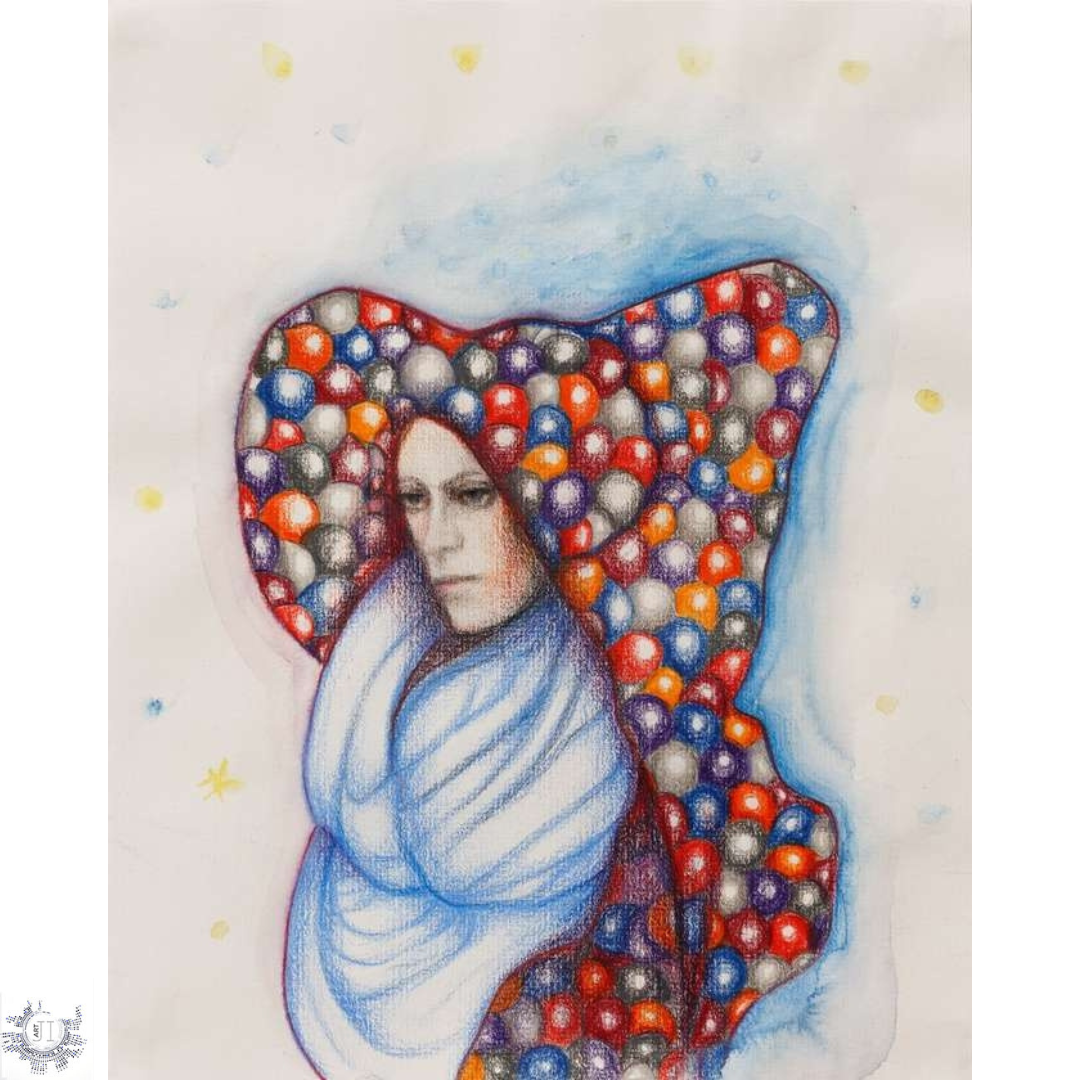
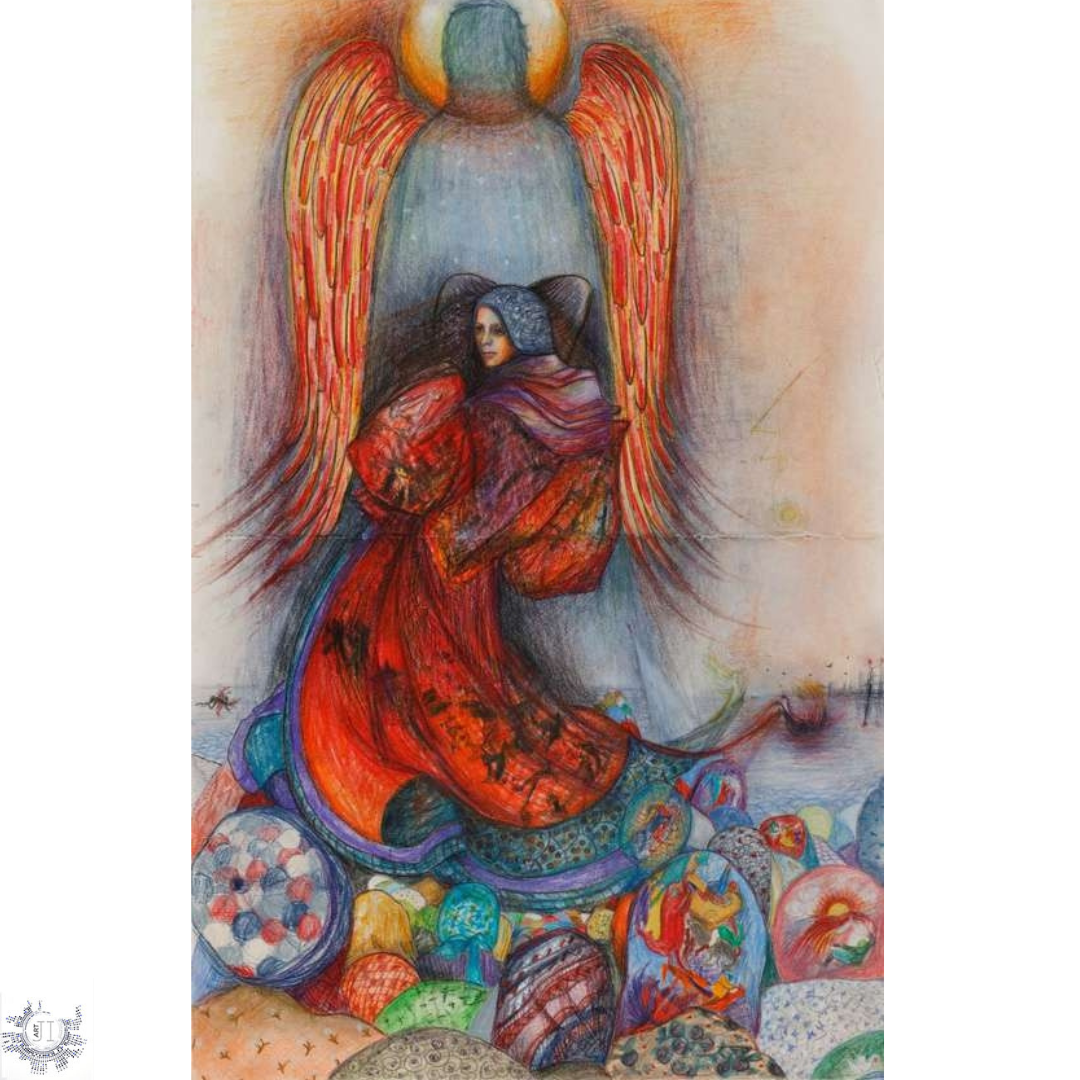
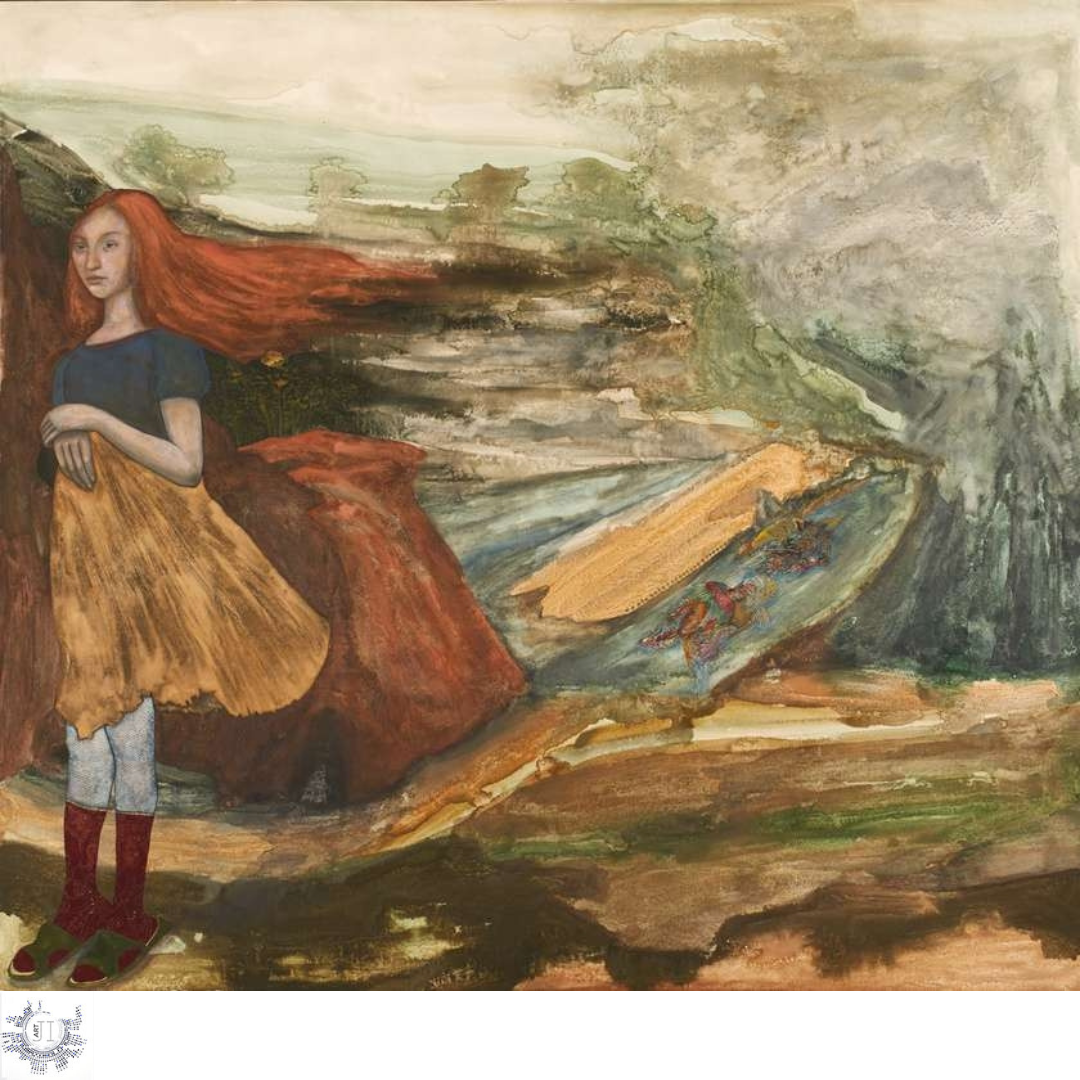
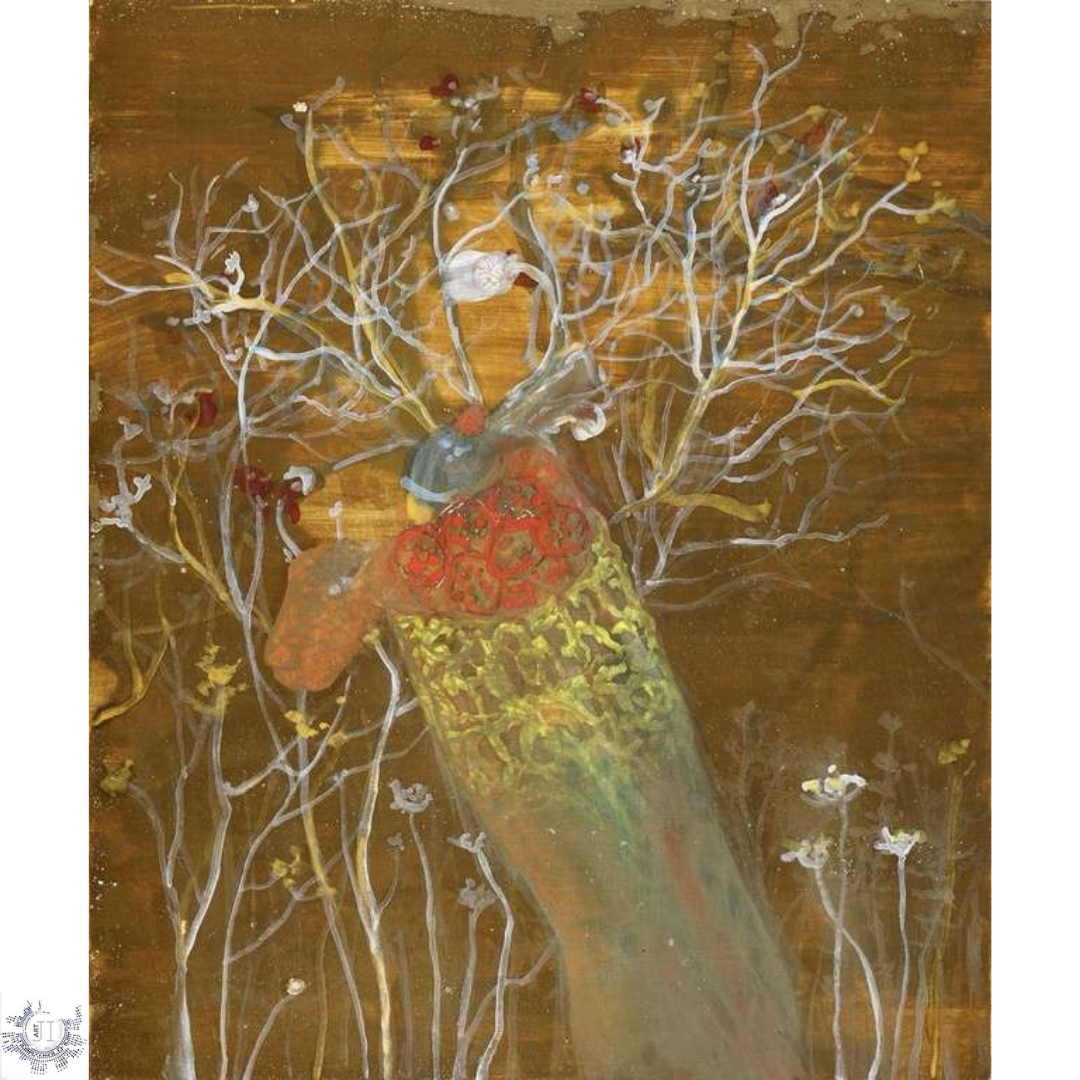
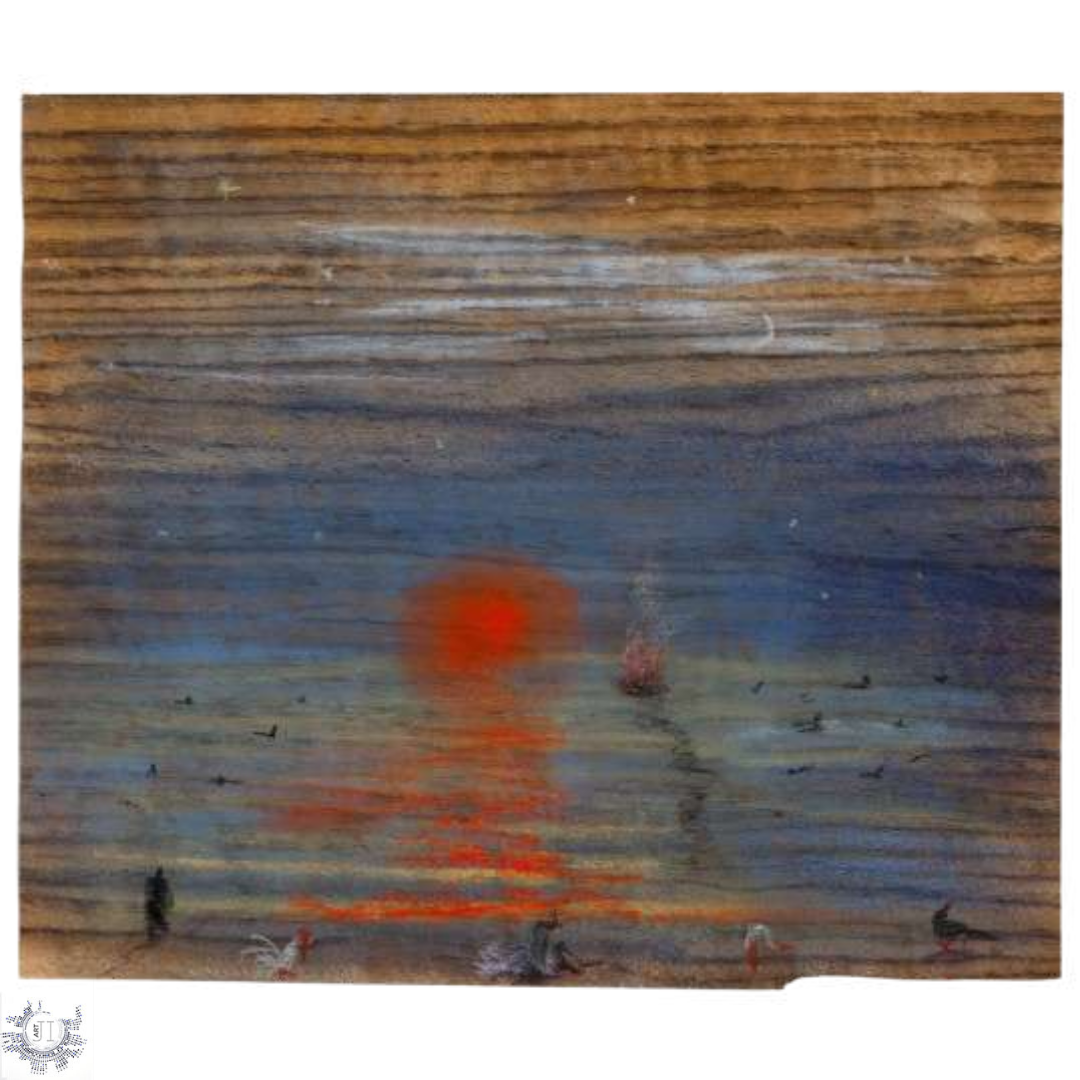
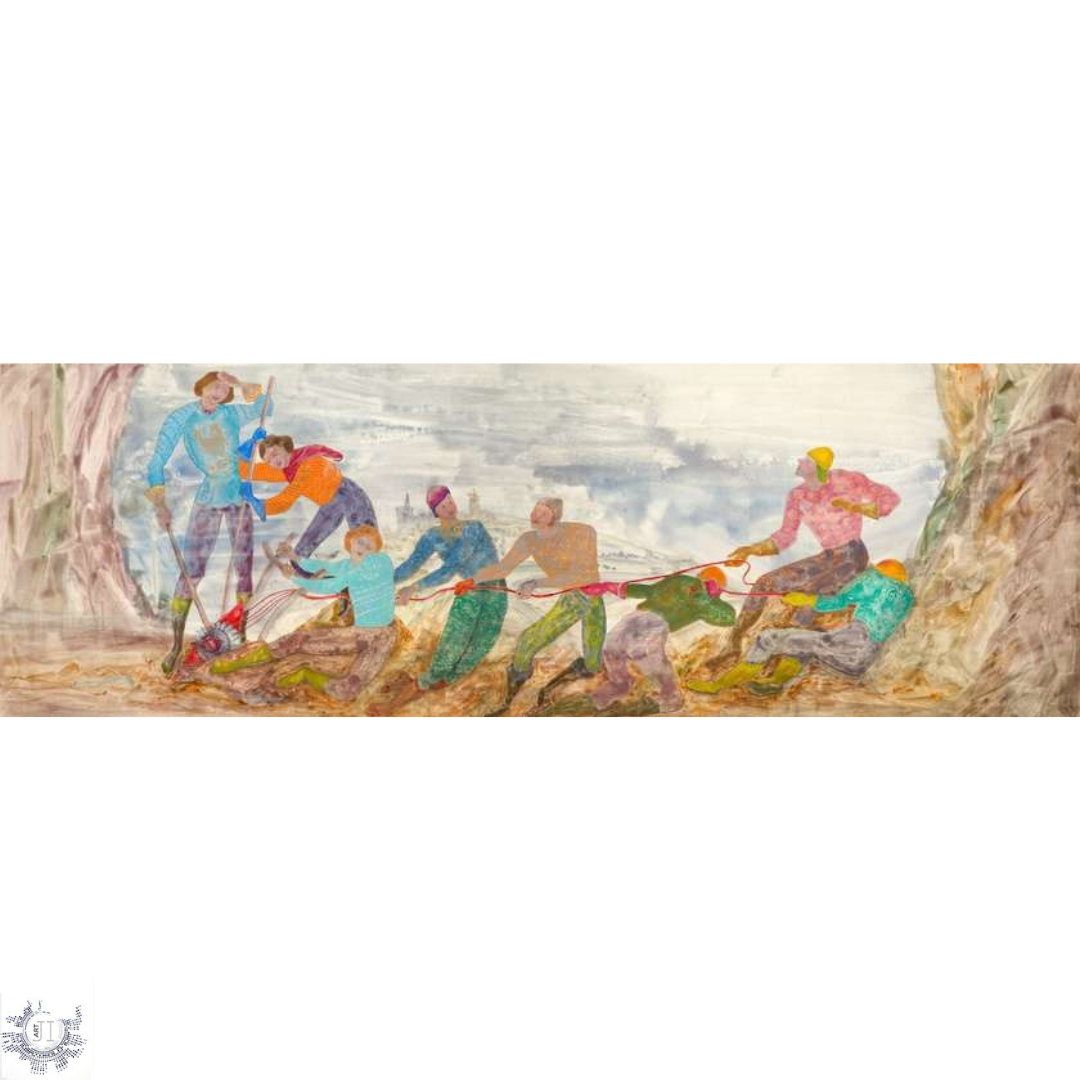
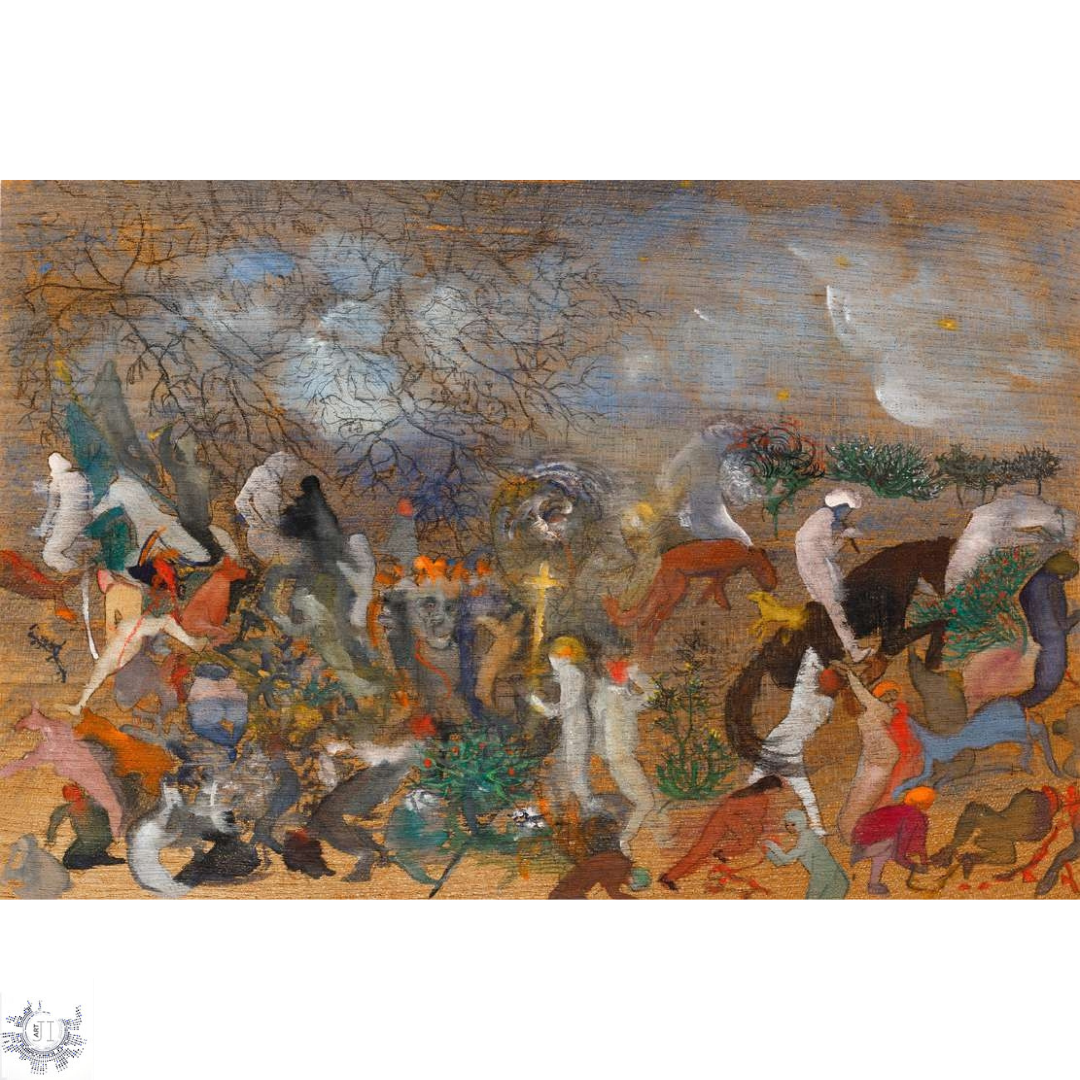
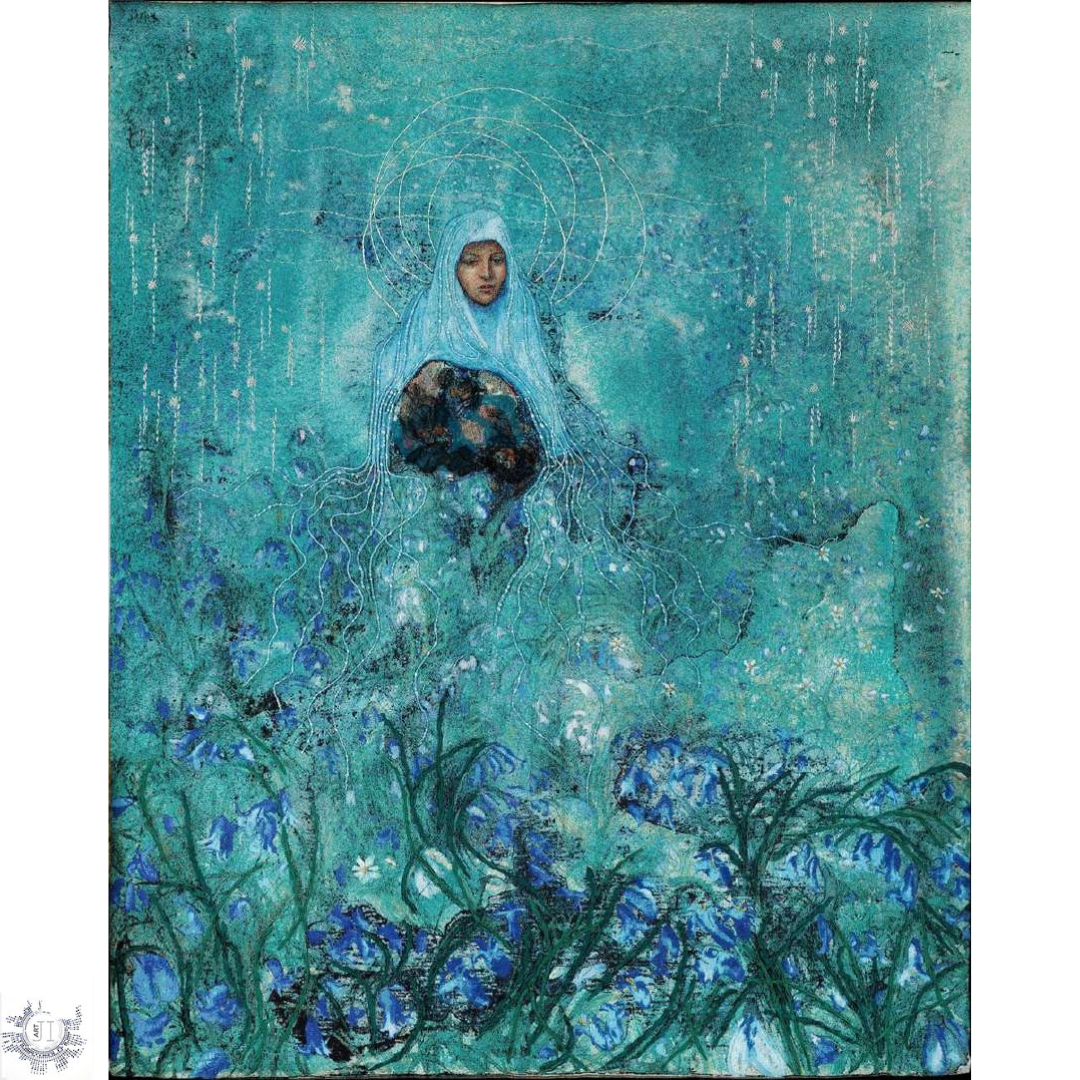
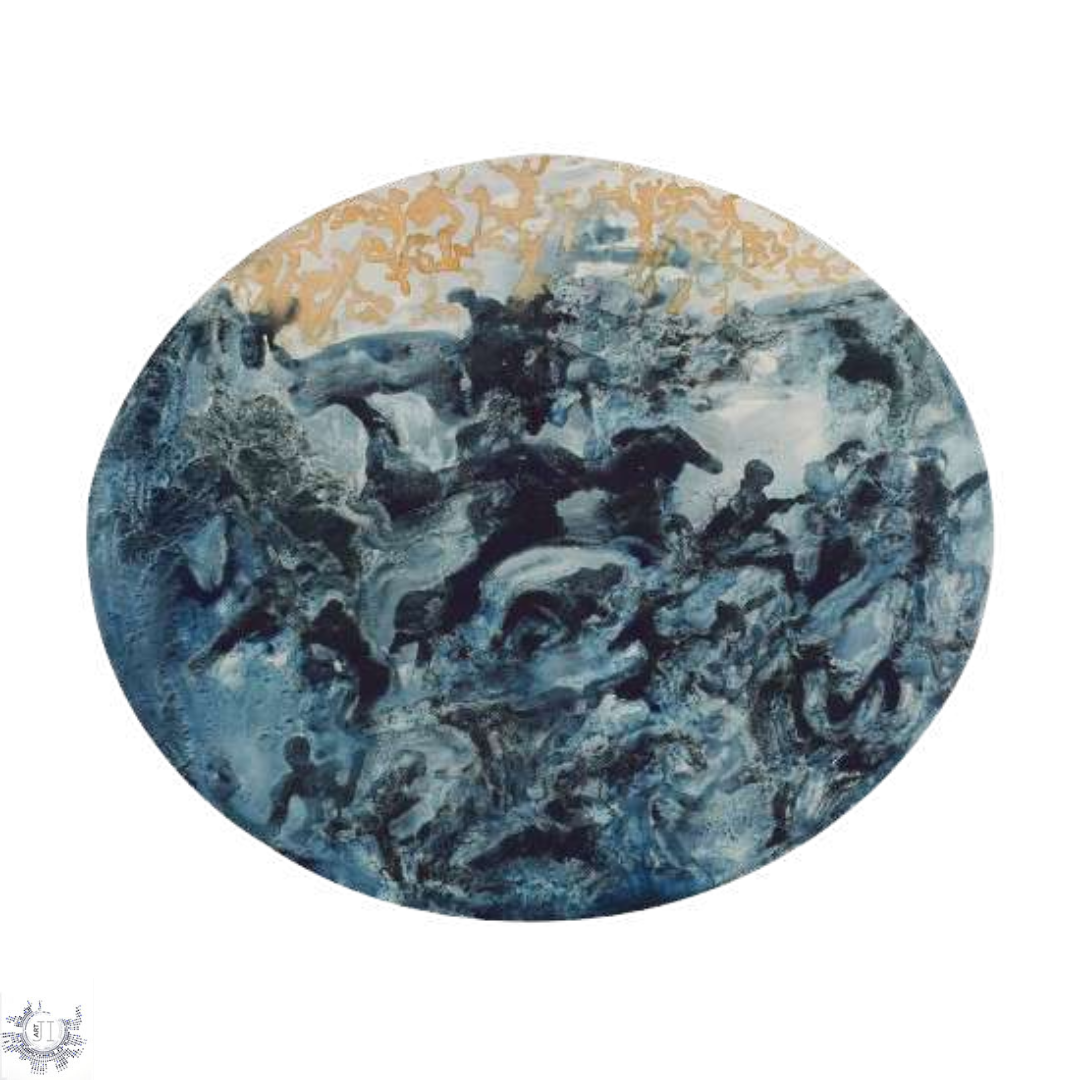
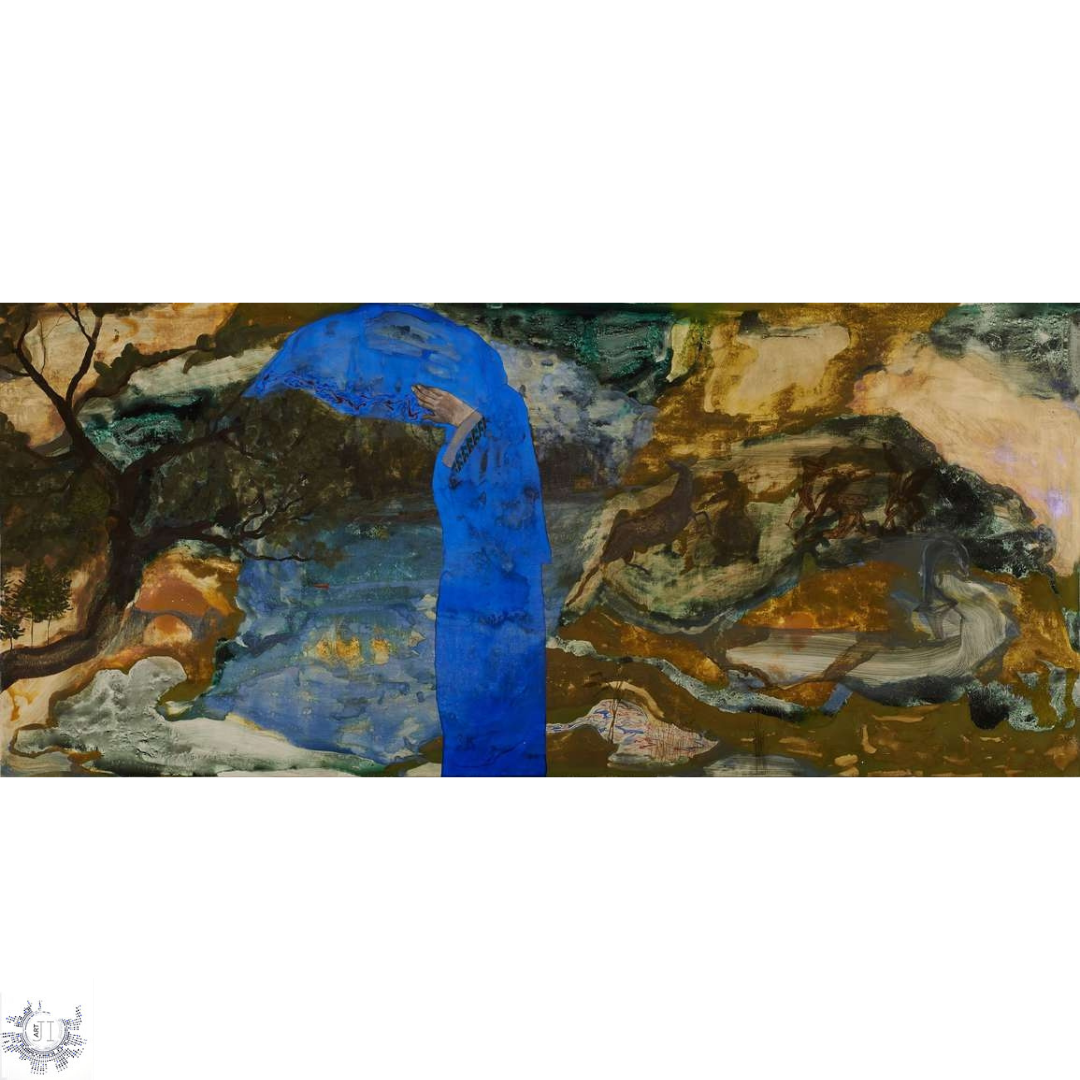
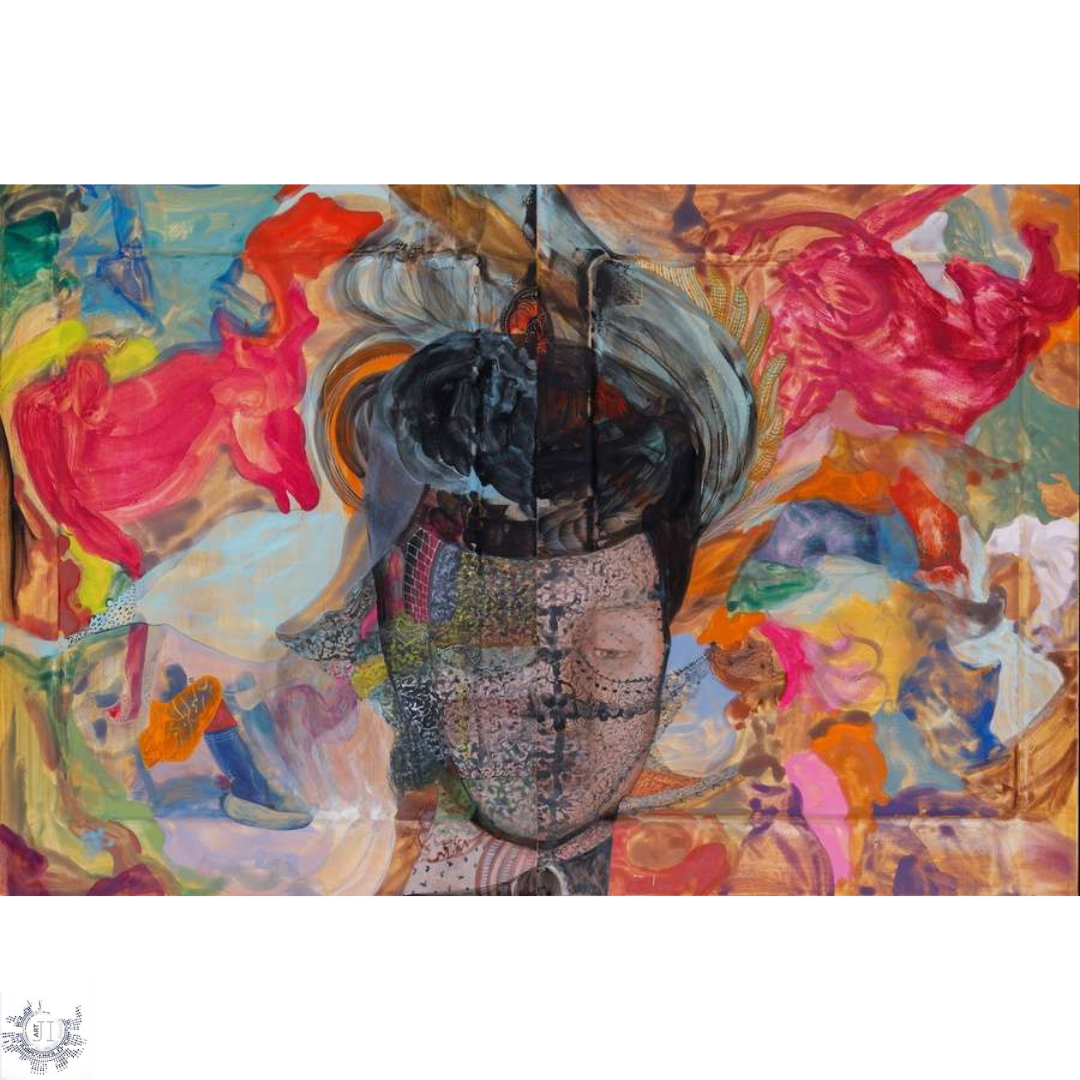
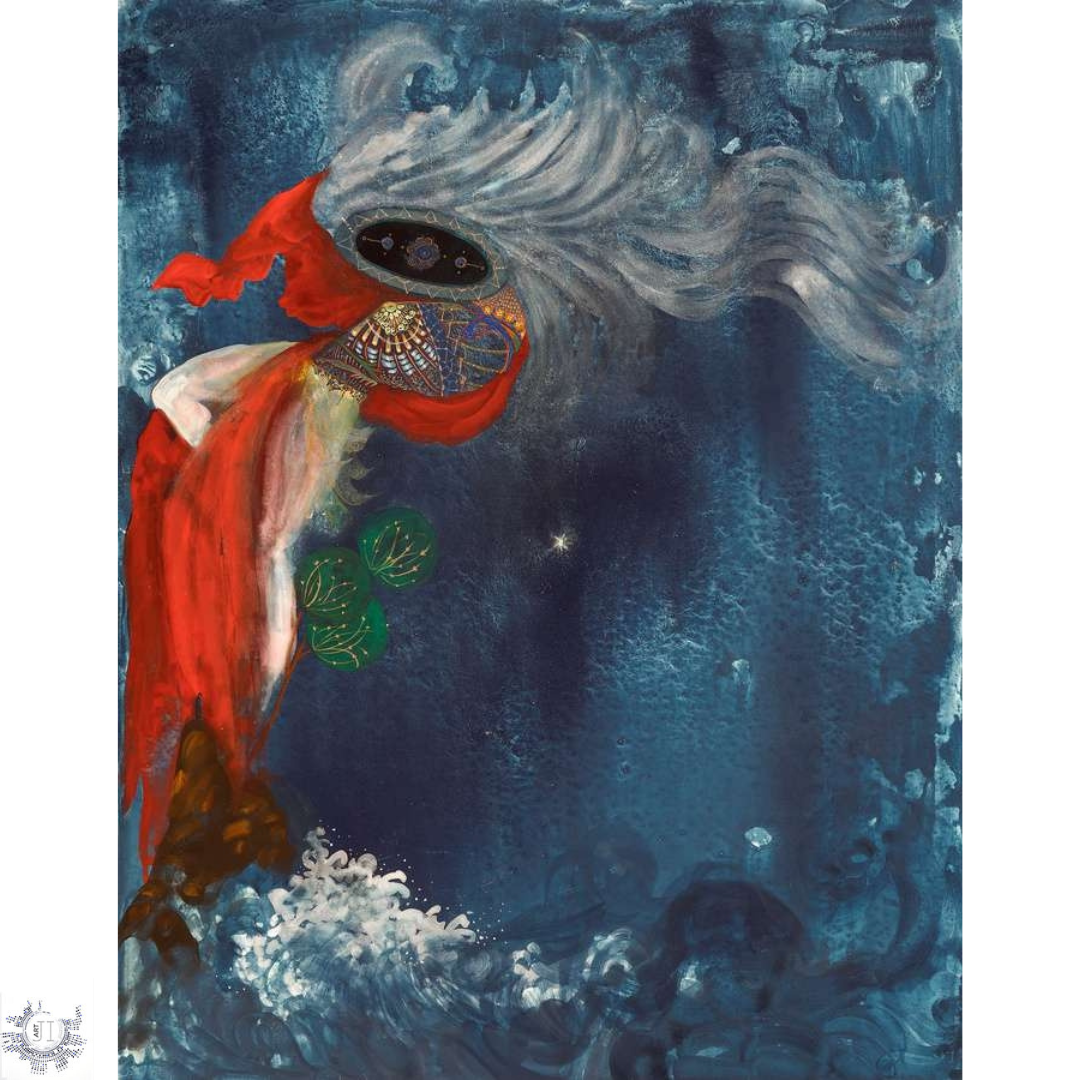
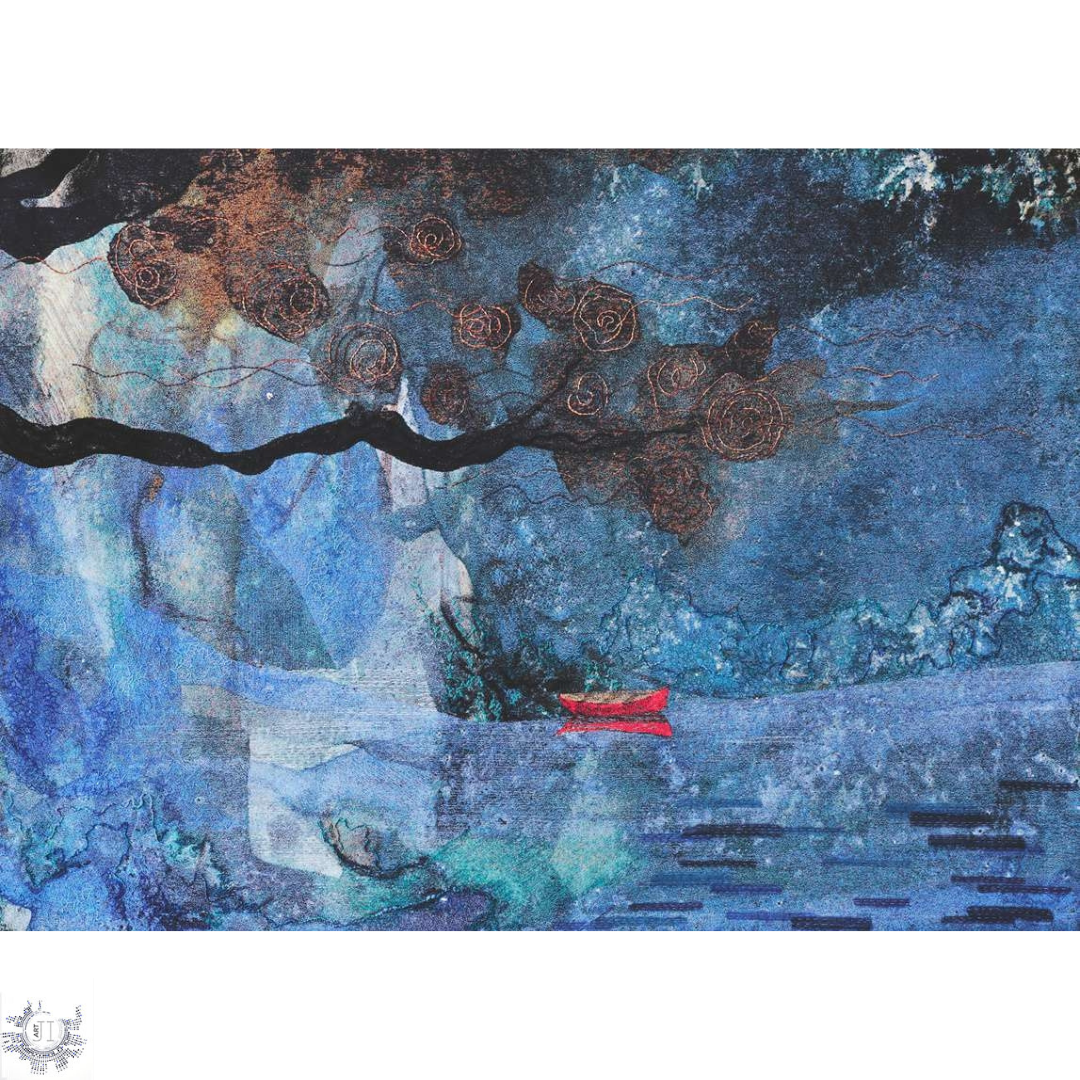
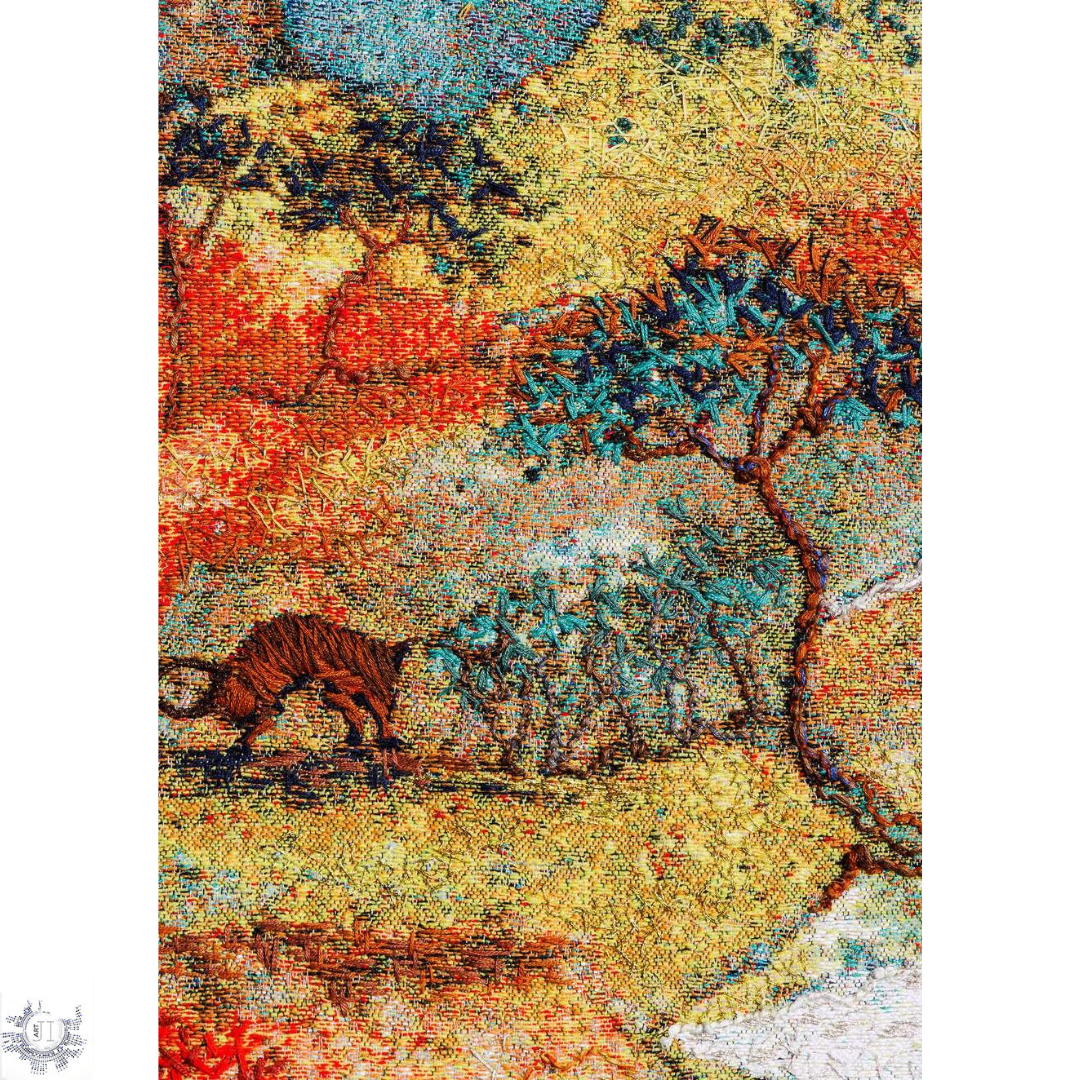
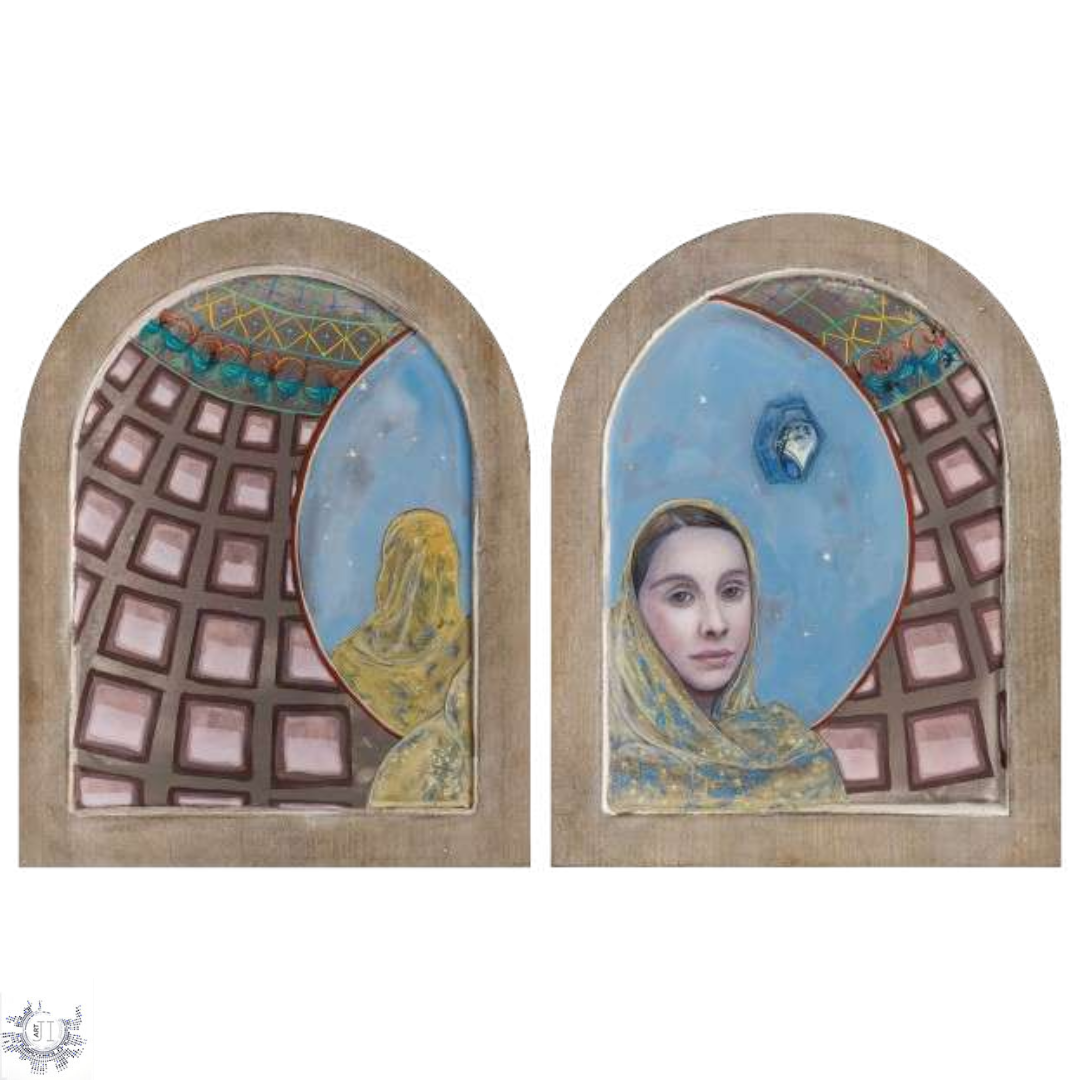
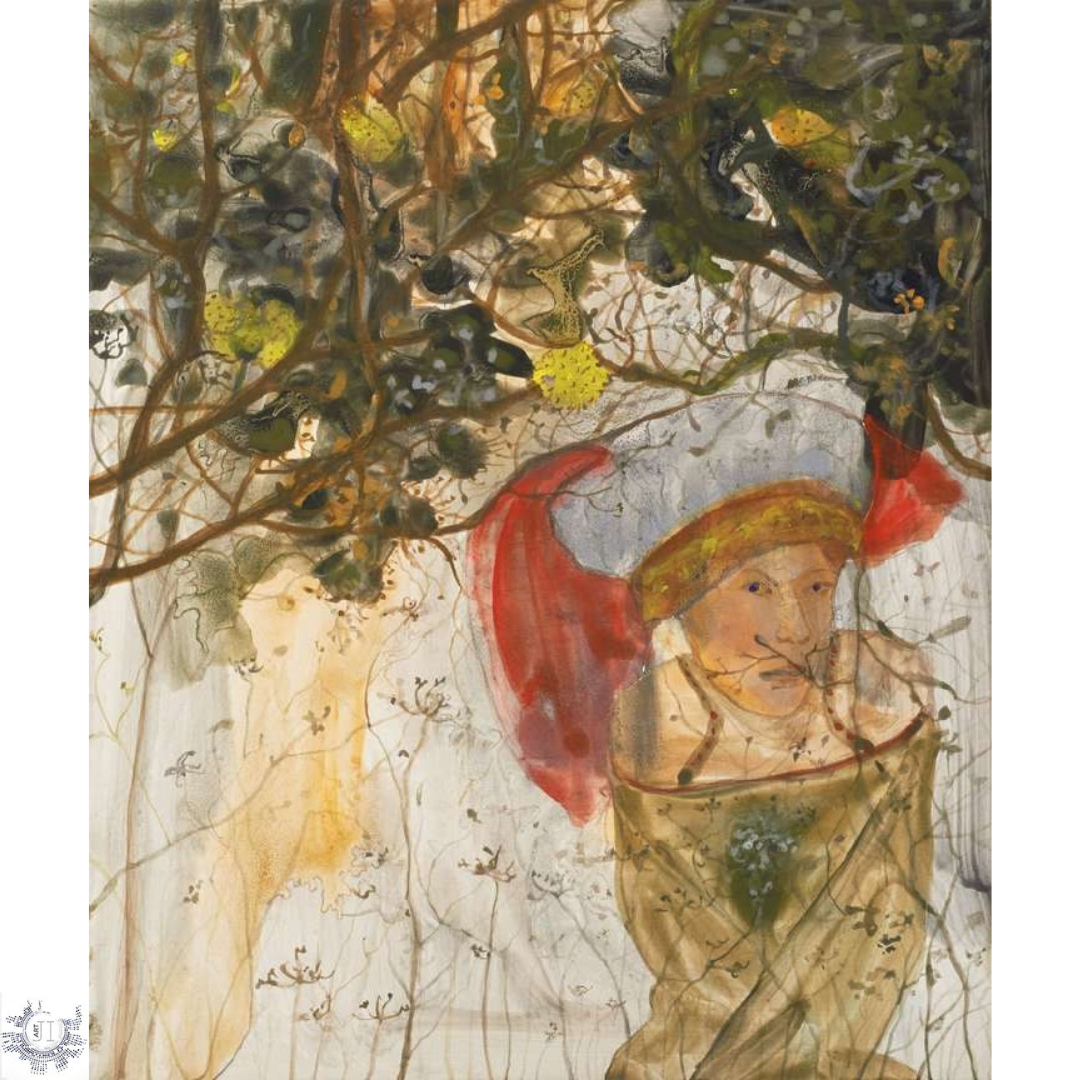
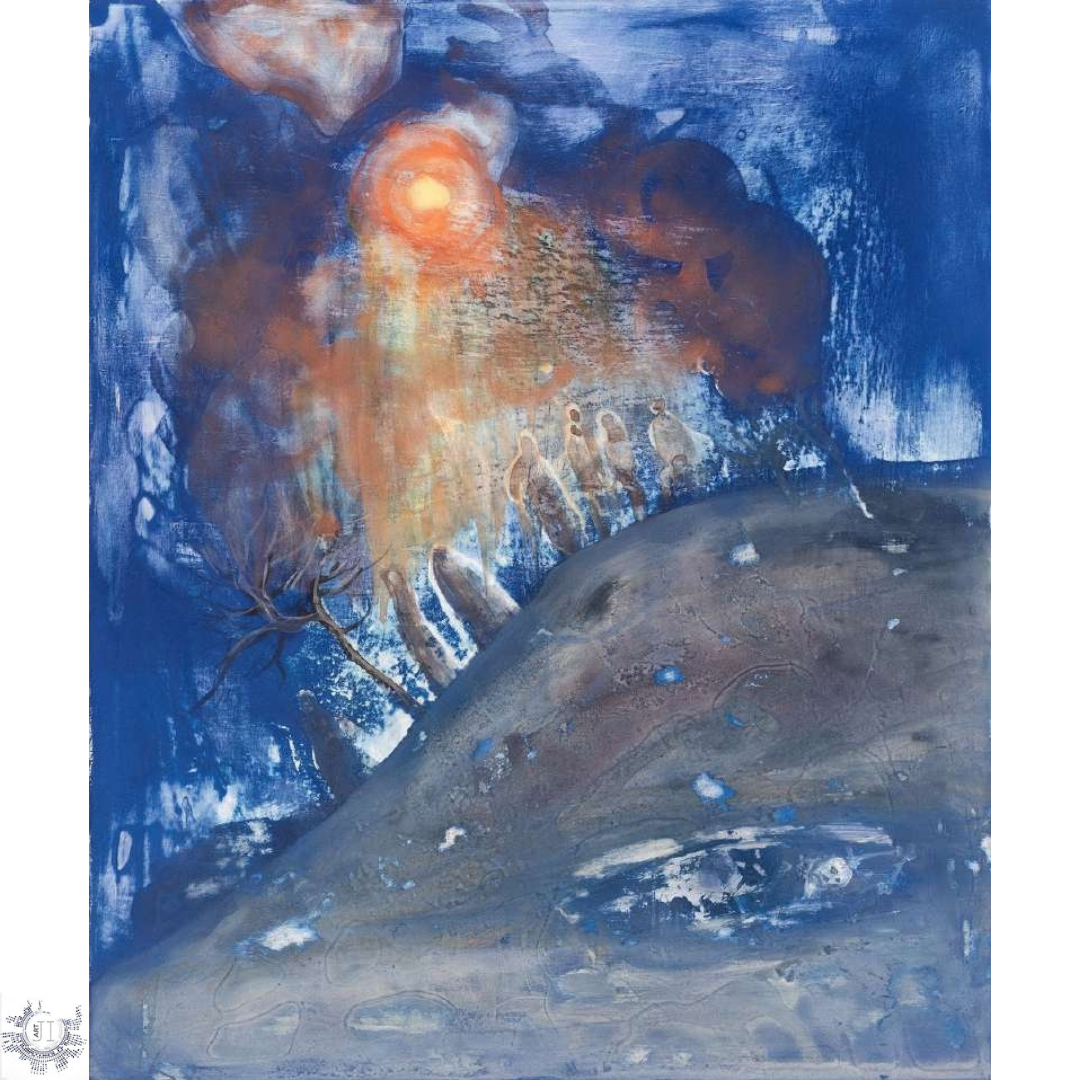
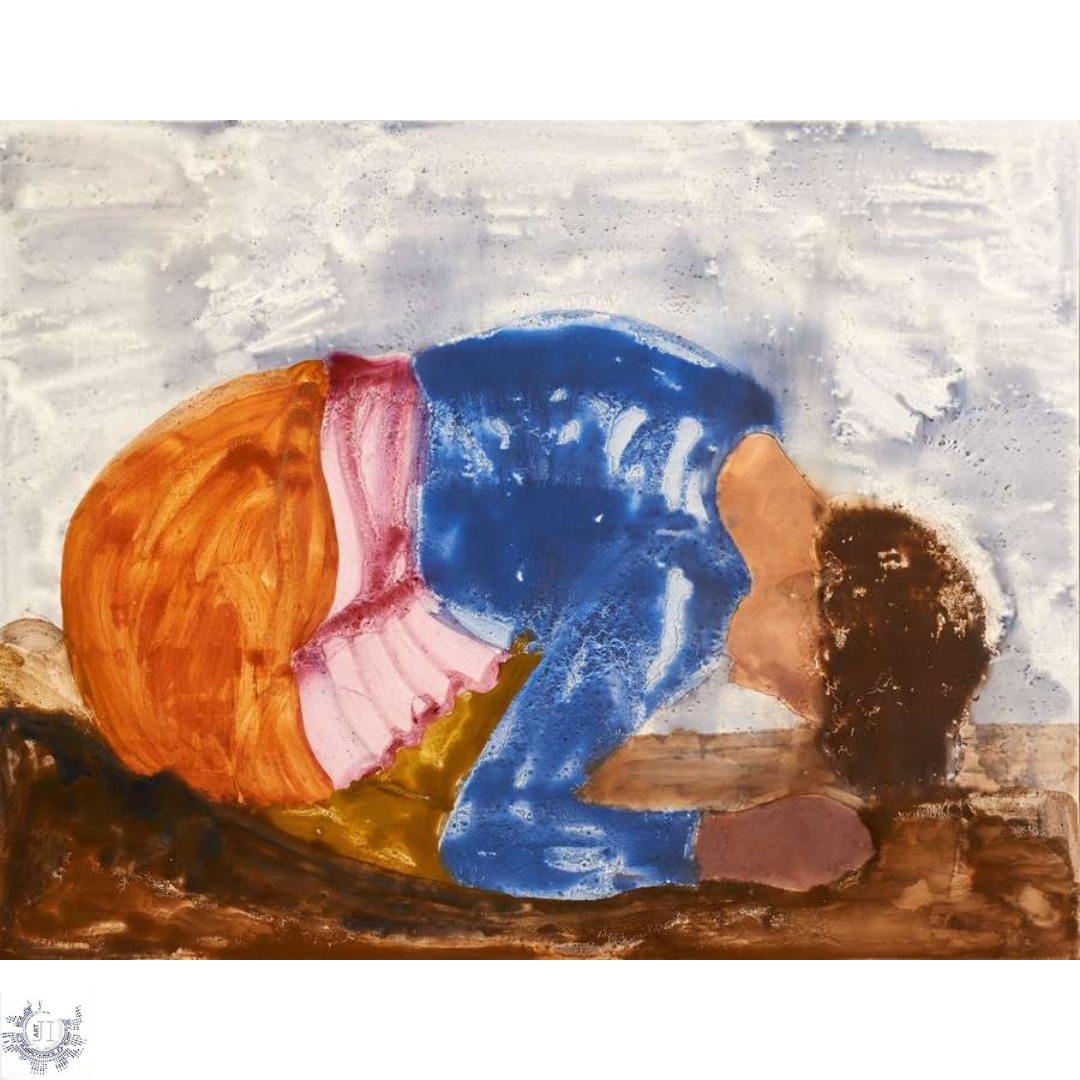
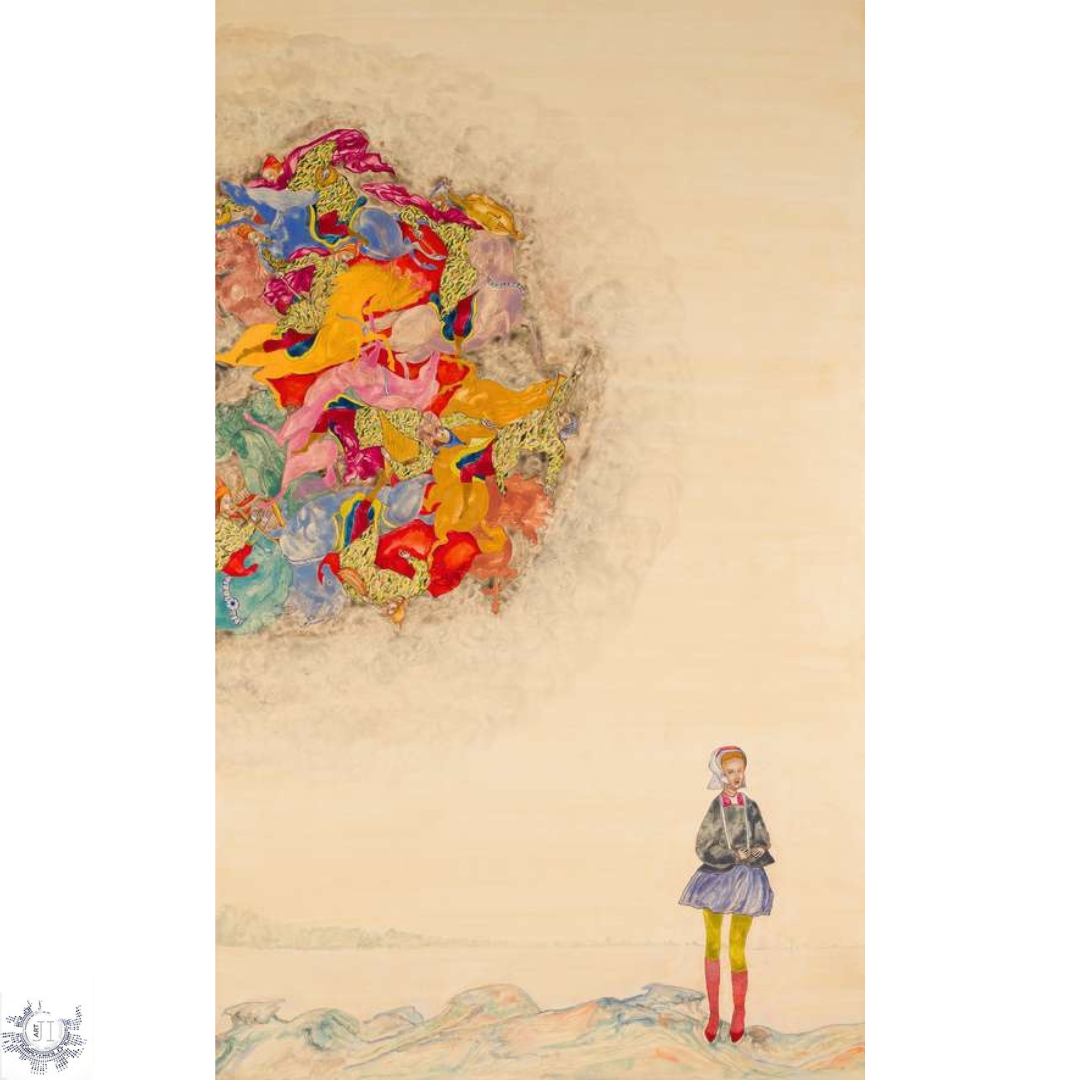
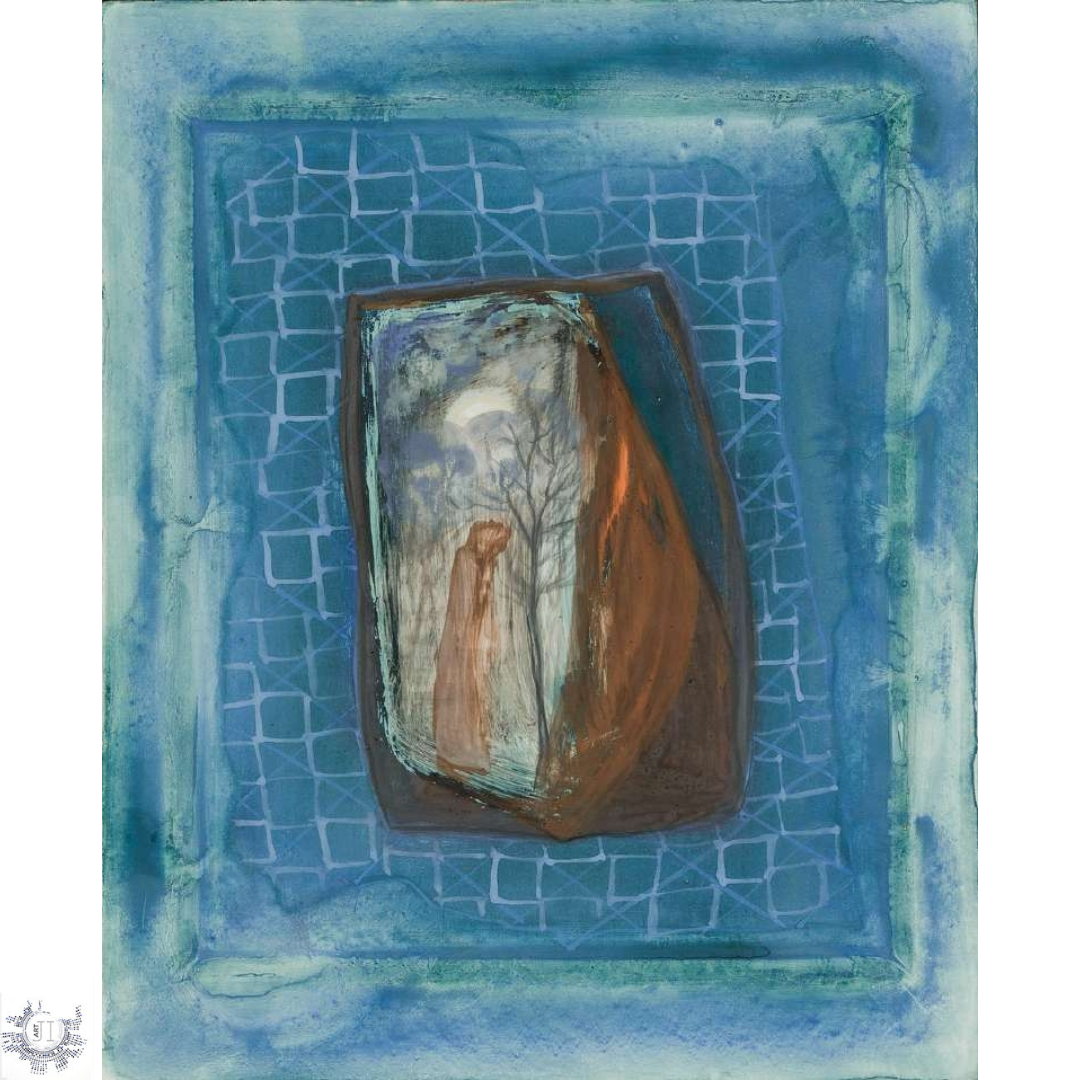
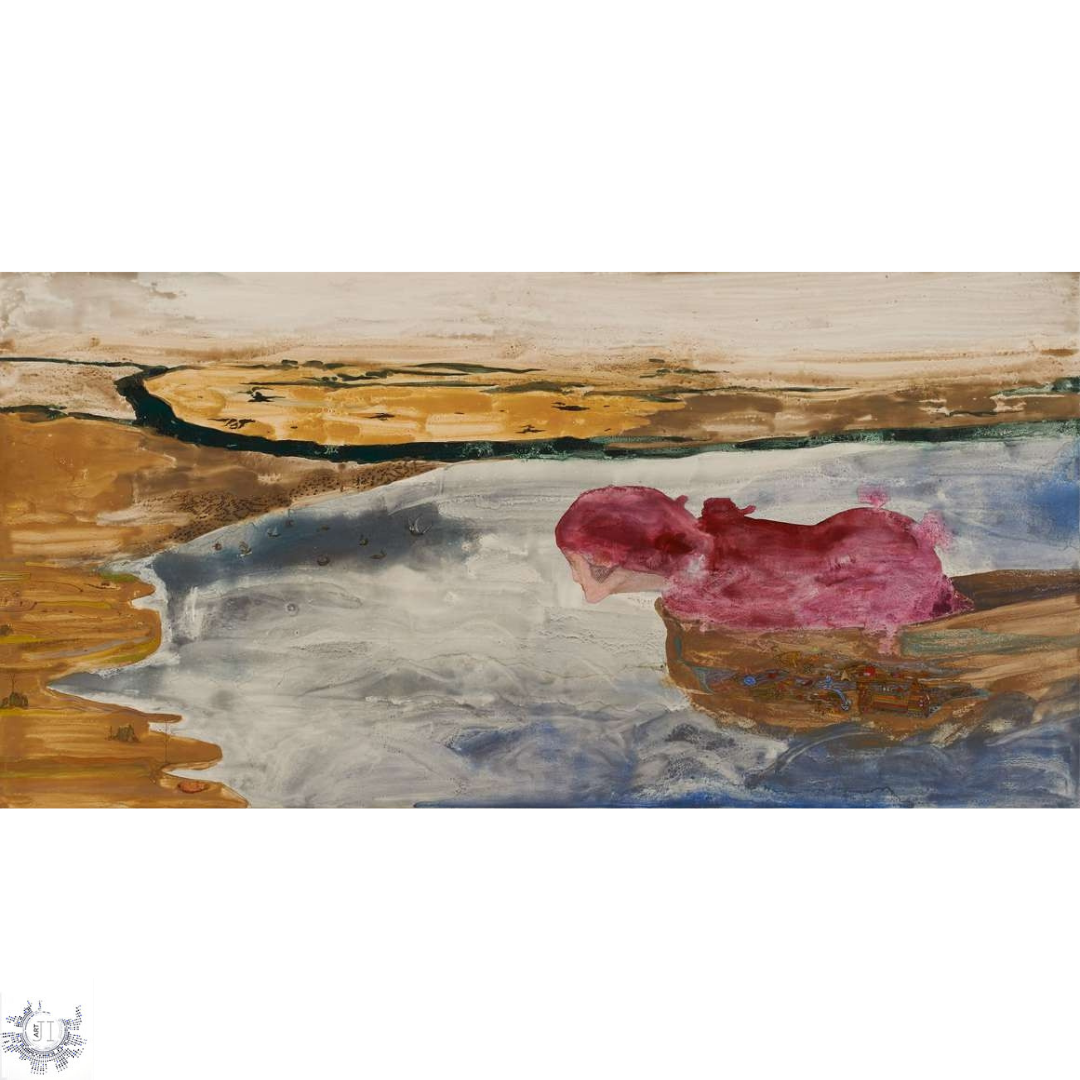
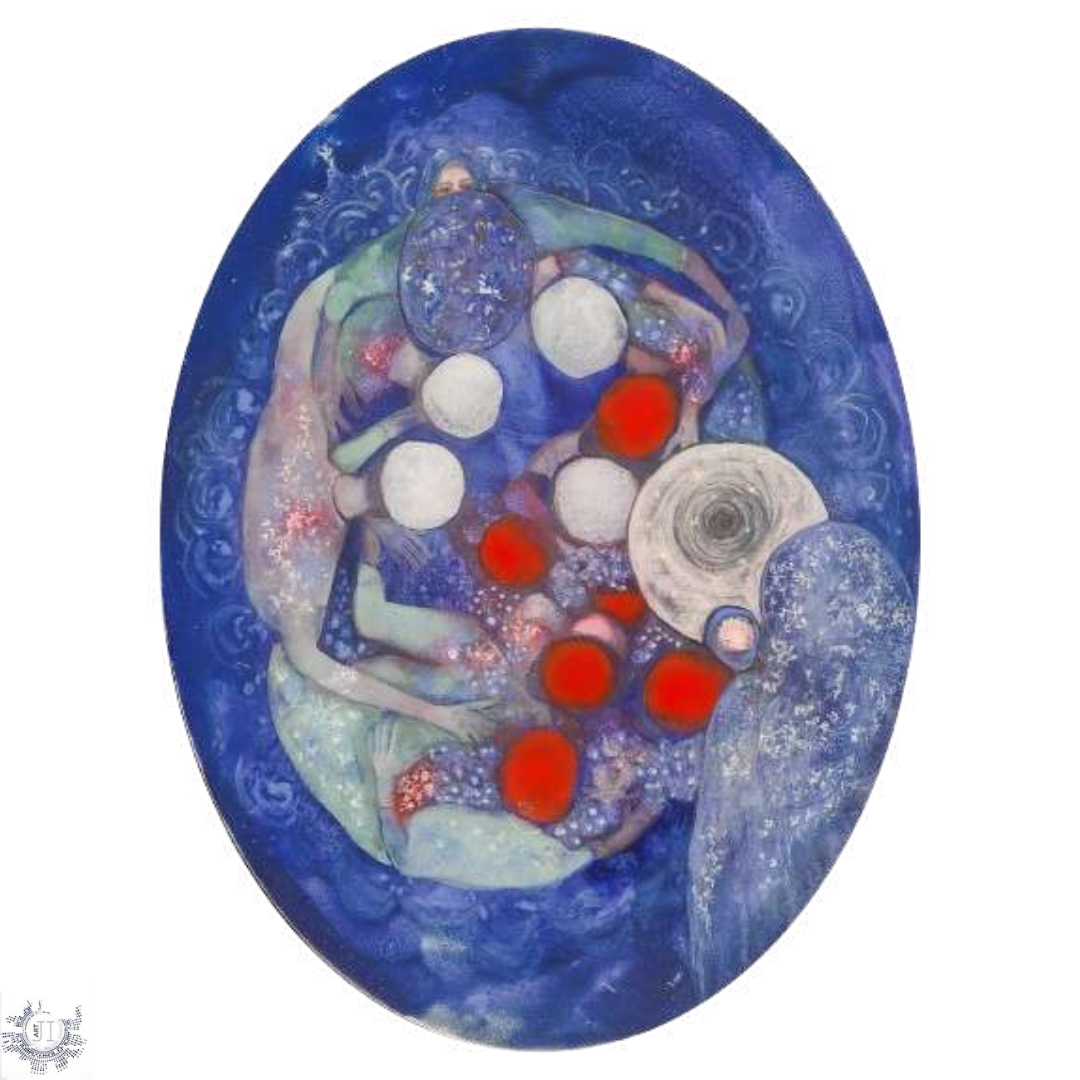
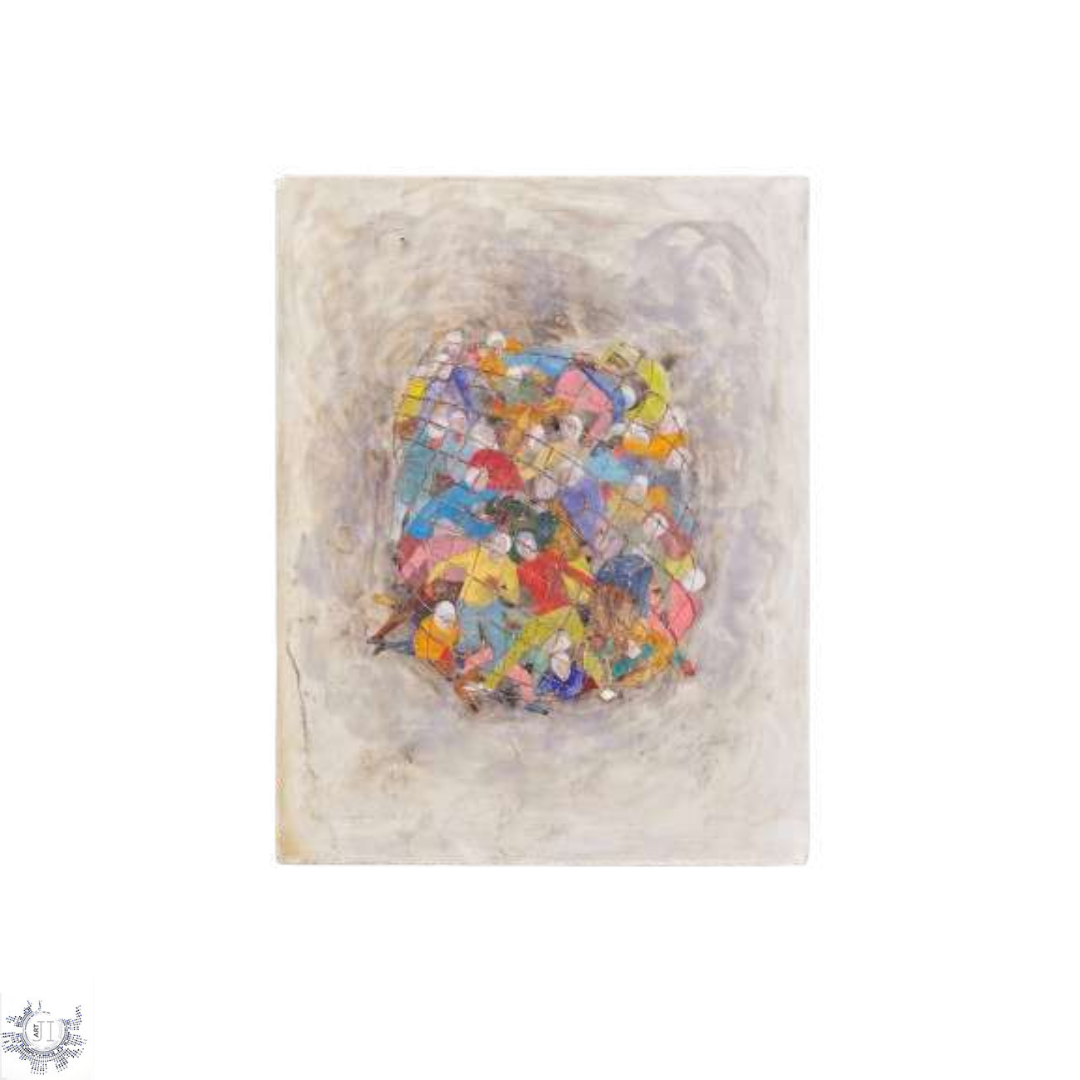
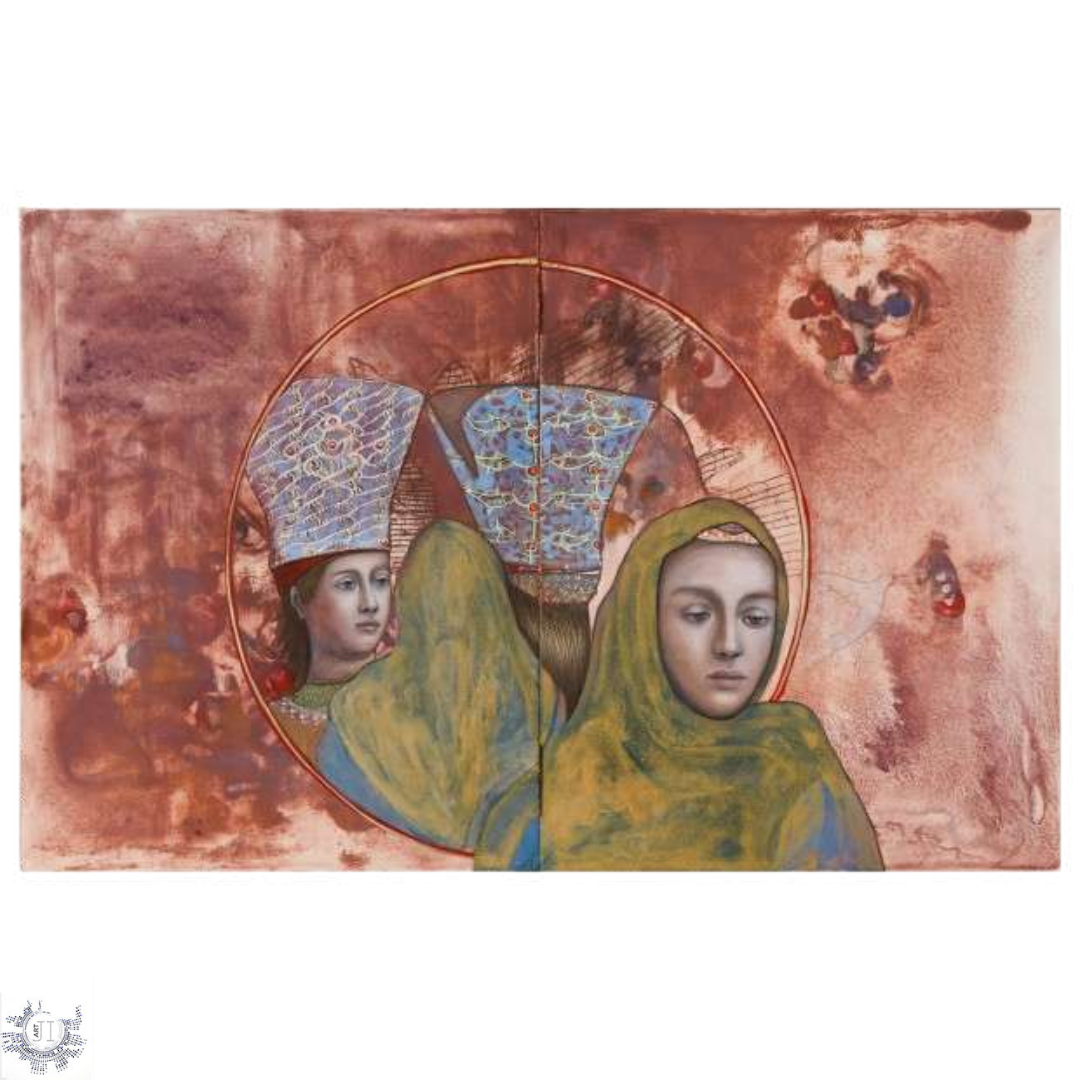
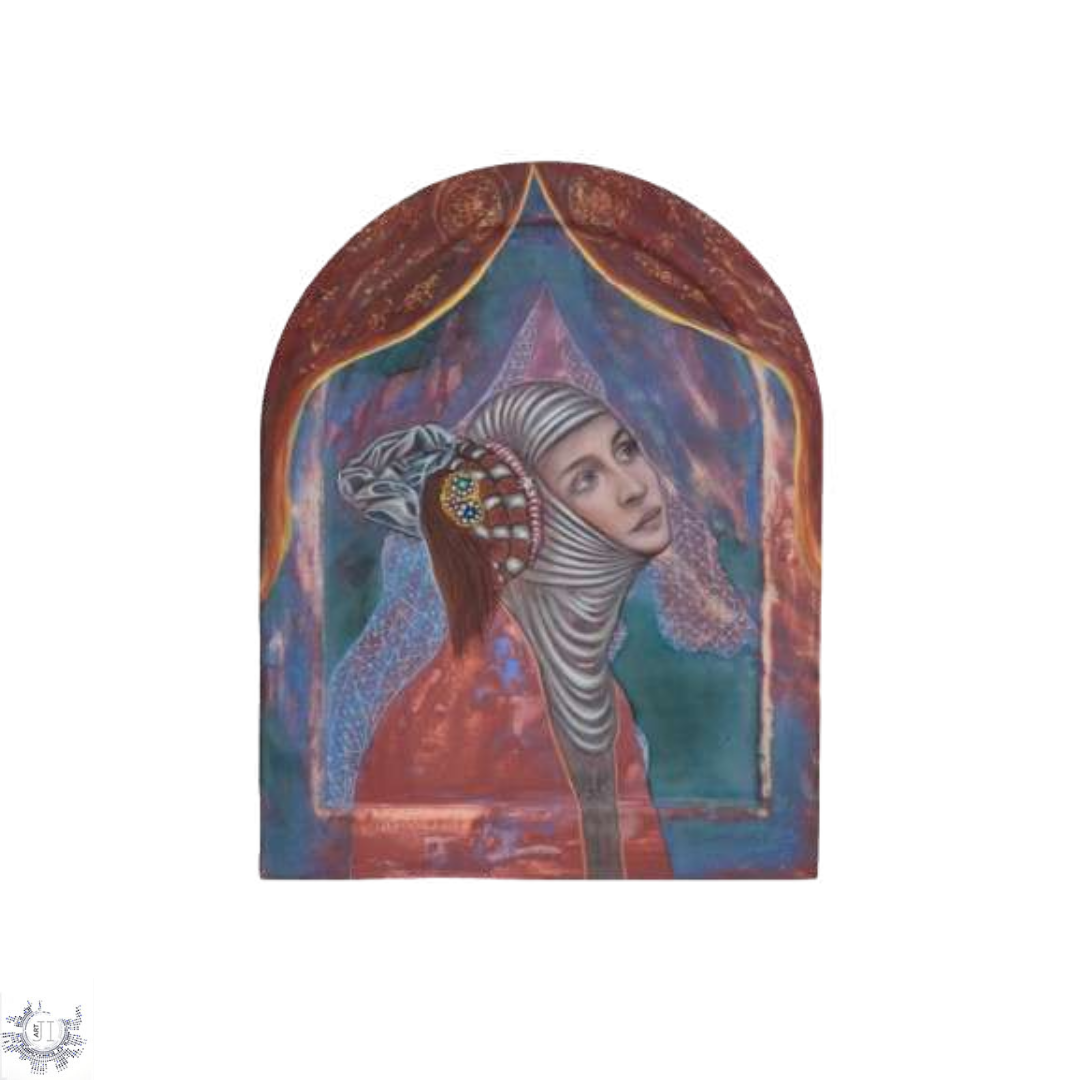
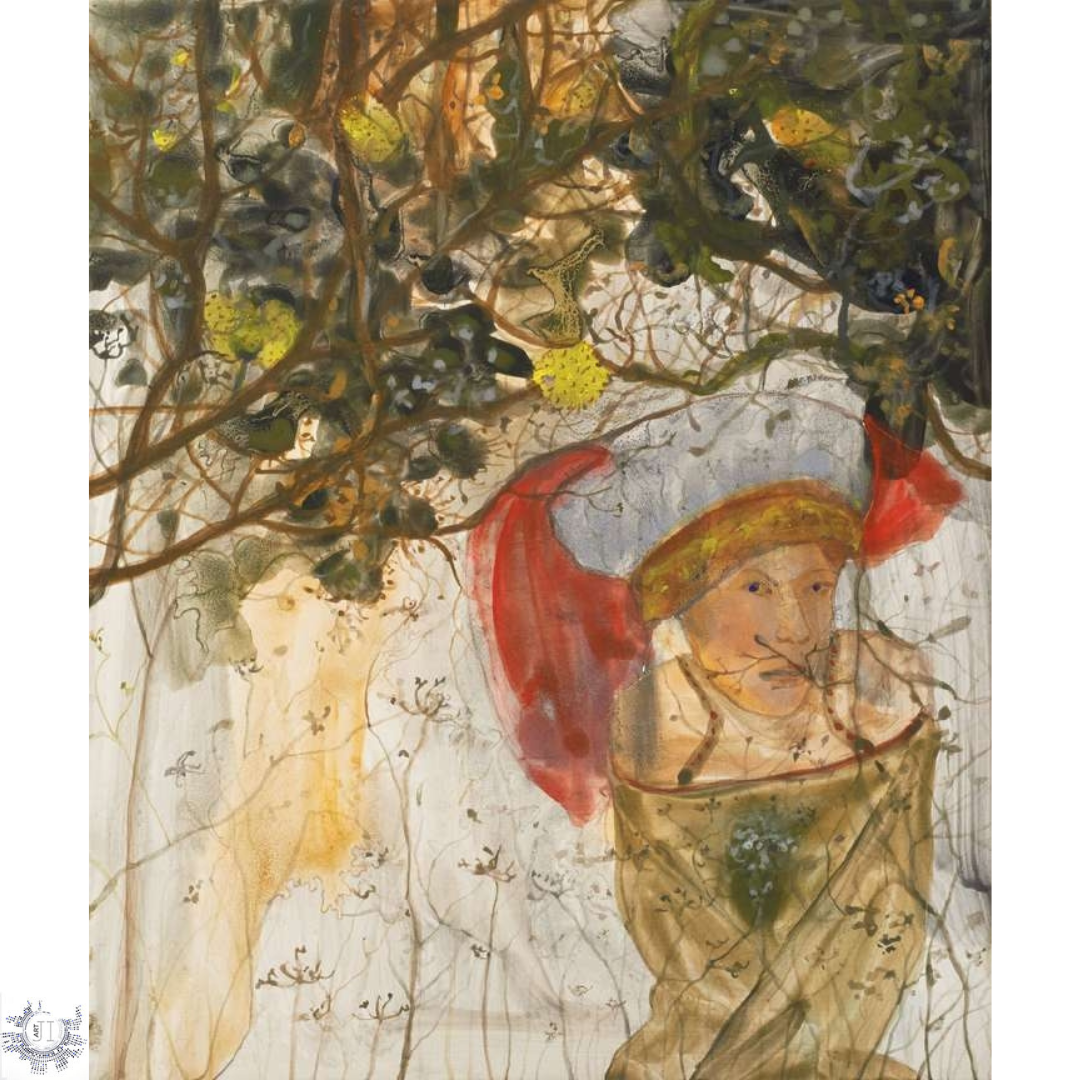
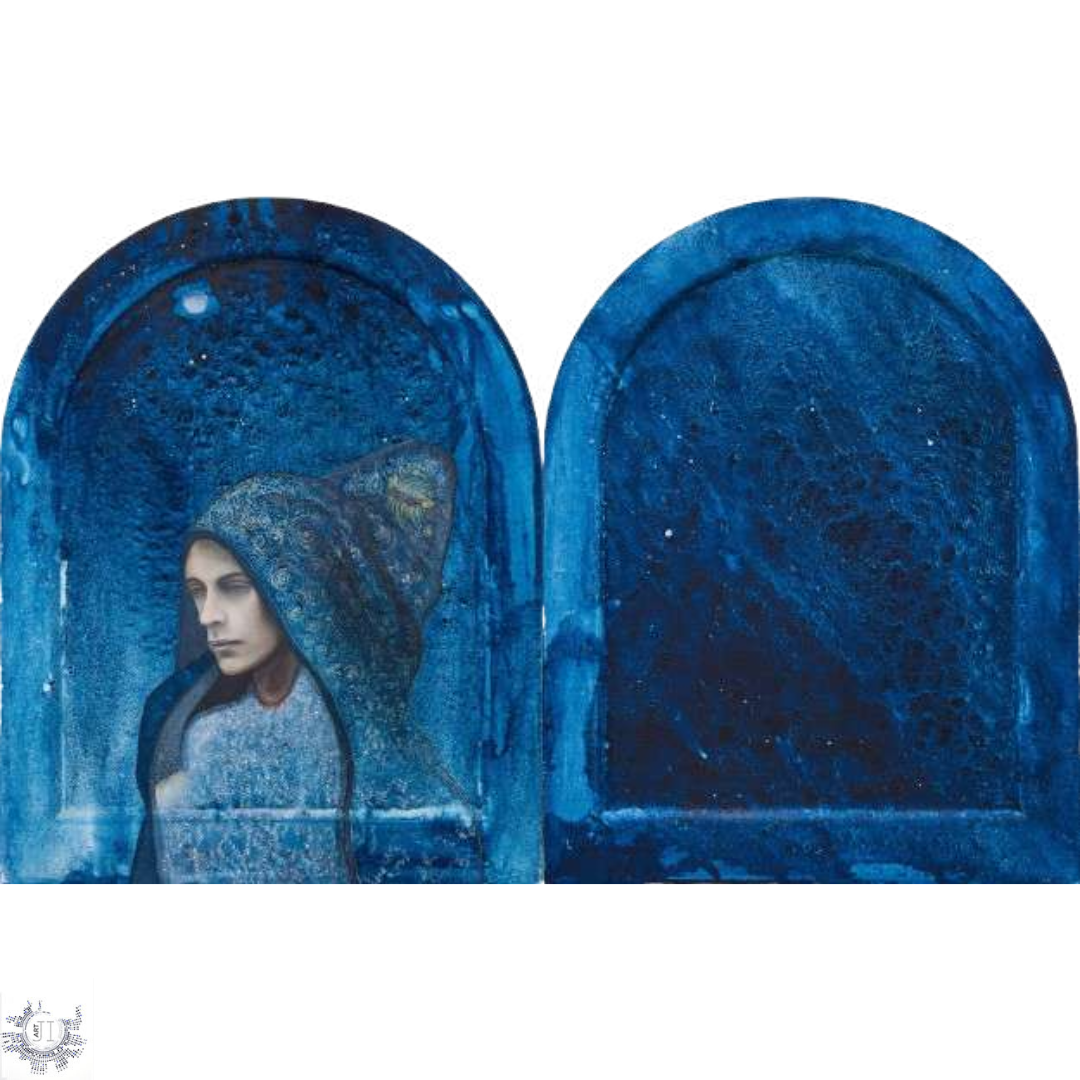
Veronica Smirnoff's paintings draw on iconography, folklore, and early systems of representation. Working in egg tempera on wood, she creates images that move between clarity and ambiguity. Her figures occupy a space between the physical and the symbolic, inviting interpretation without ever fully resolving into a single meaning.
One painting in particular stays with the viewer: a female figure in luminous blue stands within a scene marked by contrasting forces. Around her, movement gathers: figures, animals, and shifting forms create a sense of instability and activity; elsewhere, a quieter image appears. The artist allows both states, chaos and calm, to exist simultaneously. The figure does not dominate the scene or attempt to control it. Instead, she becomes a point of focus through which the painting's different energies are held in balance.
This tension runs throughout Smirnoff's work: her images often combine stillness with movement, intimacy with distance, personal experience with broader cultural references.
Memory is the diary that we all carry about with us.
Oscar Wilde
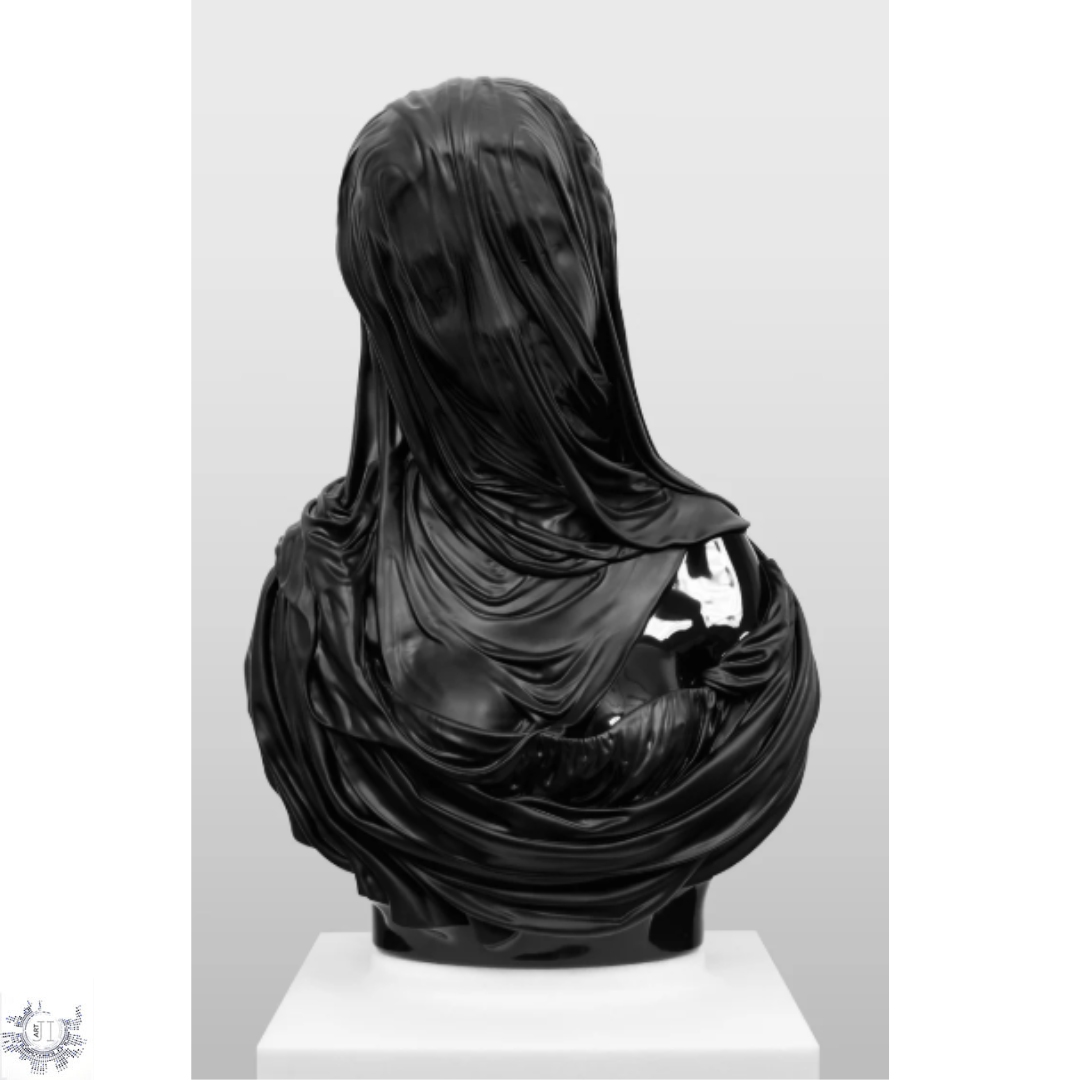
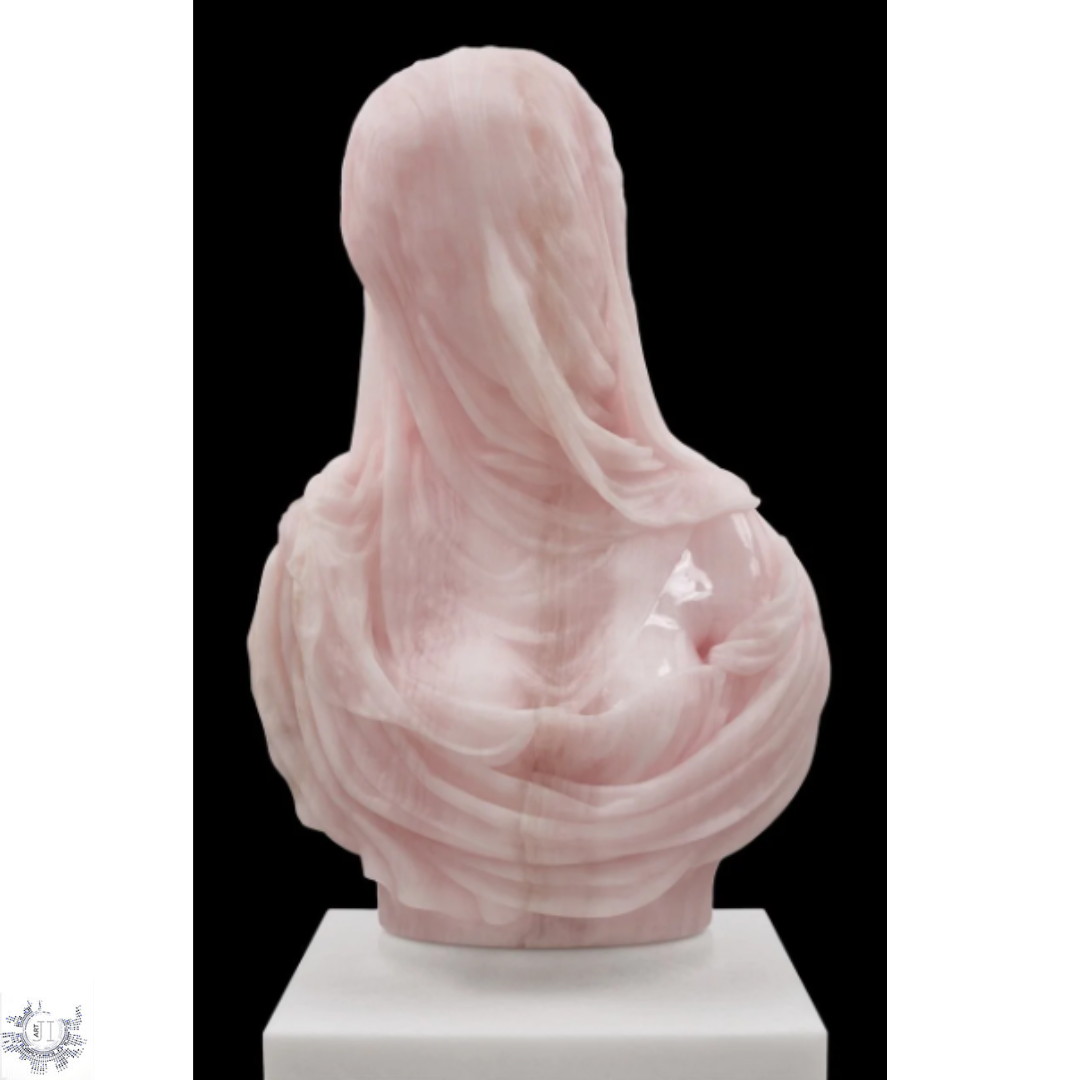
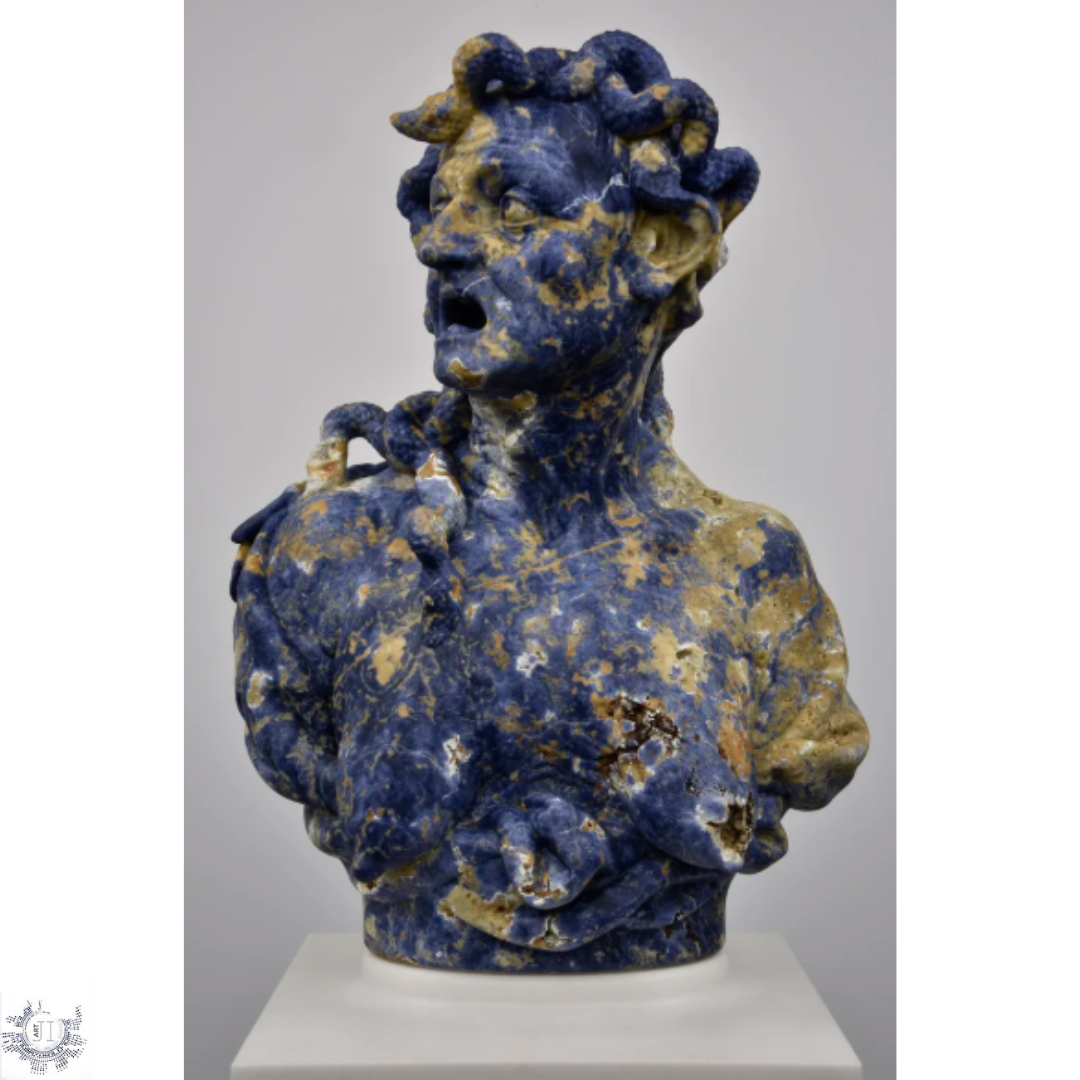
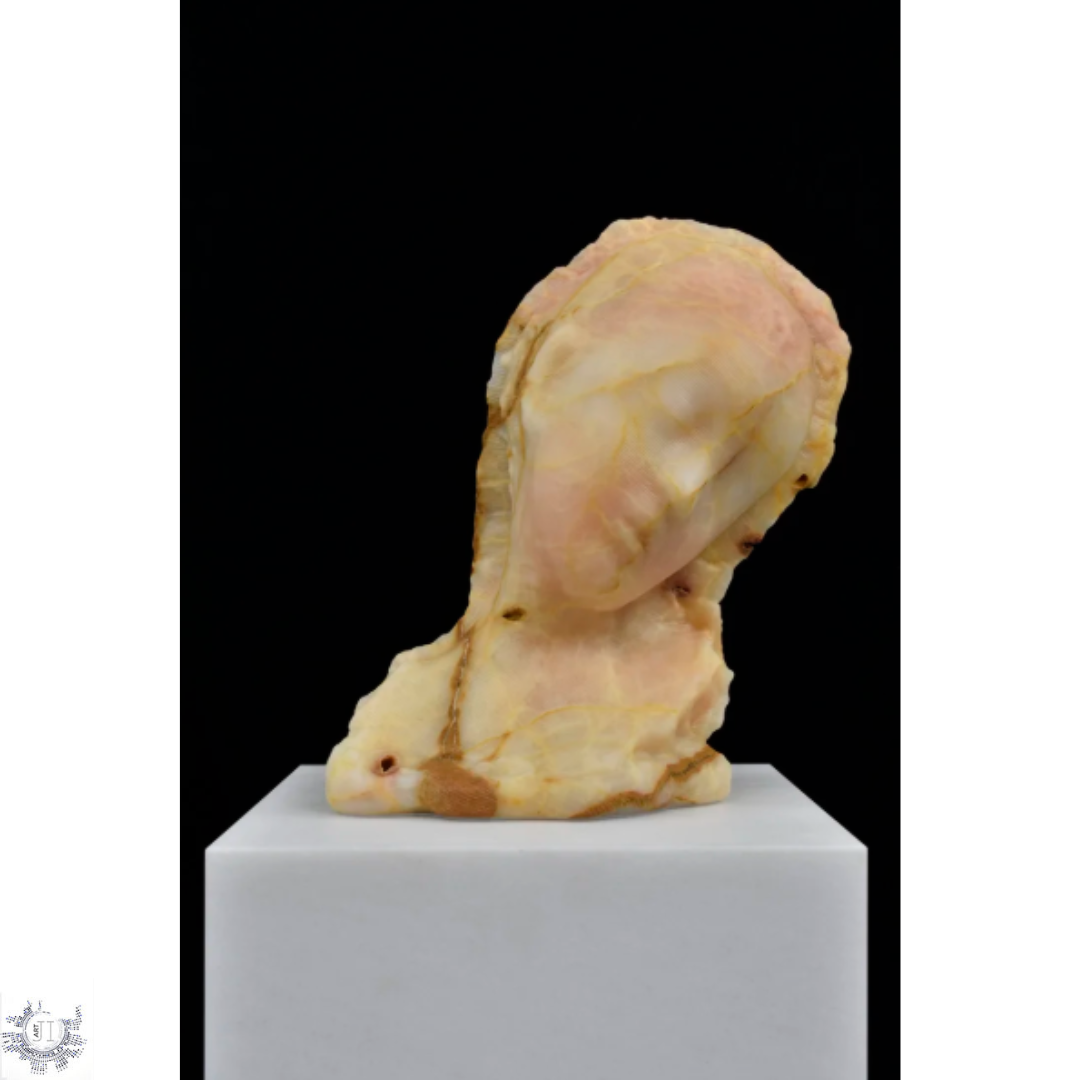
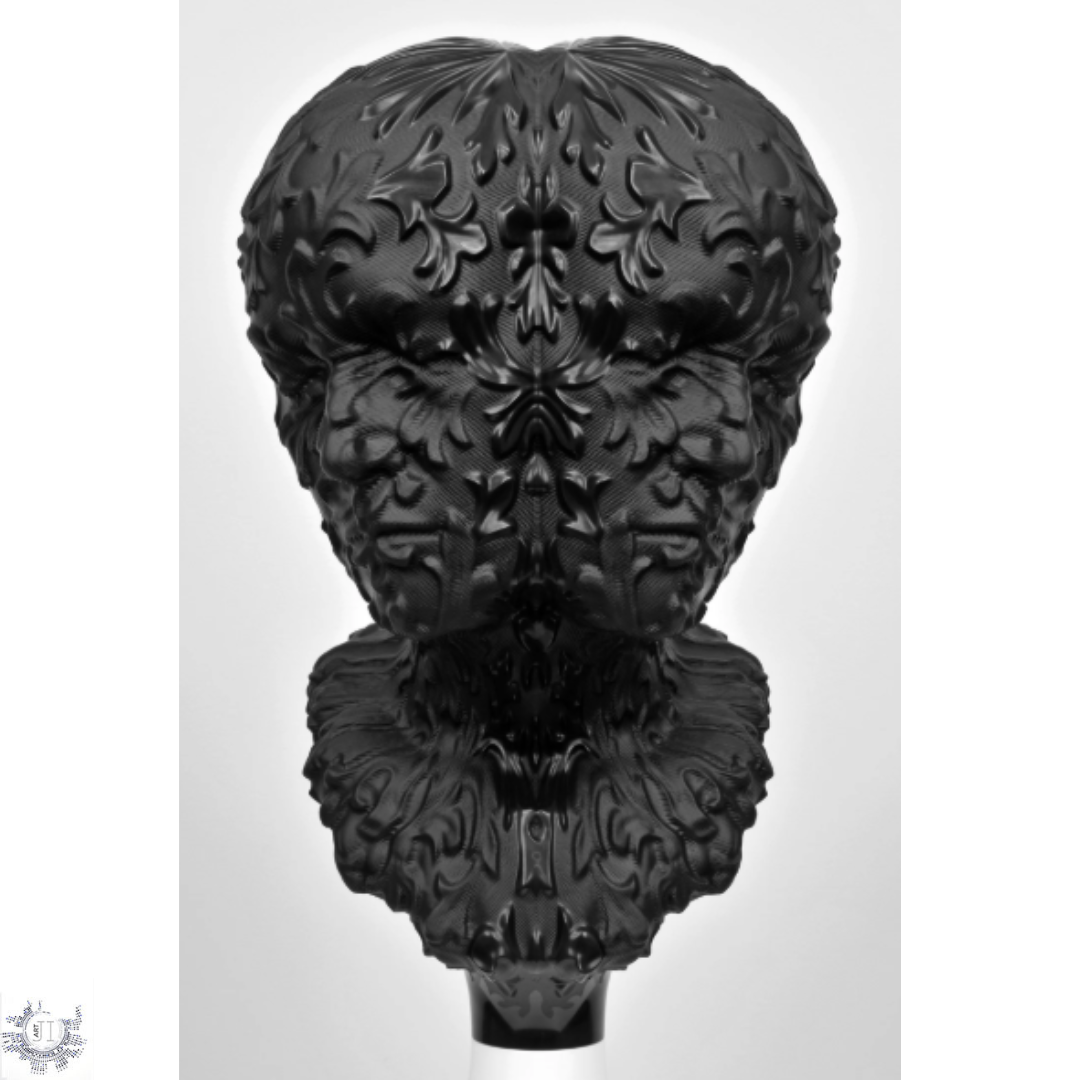
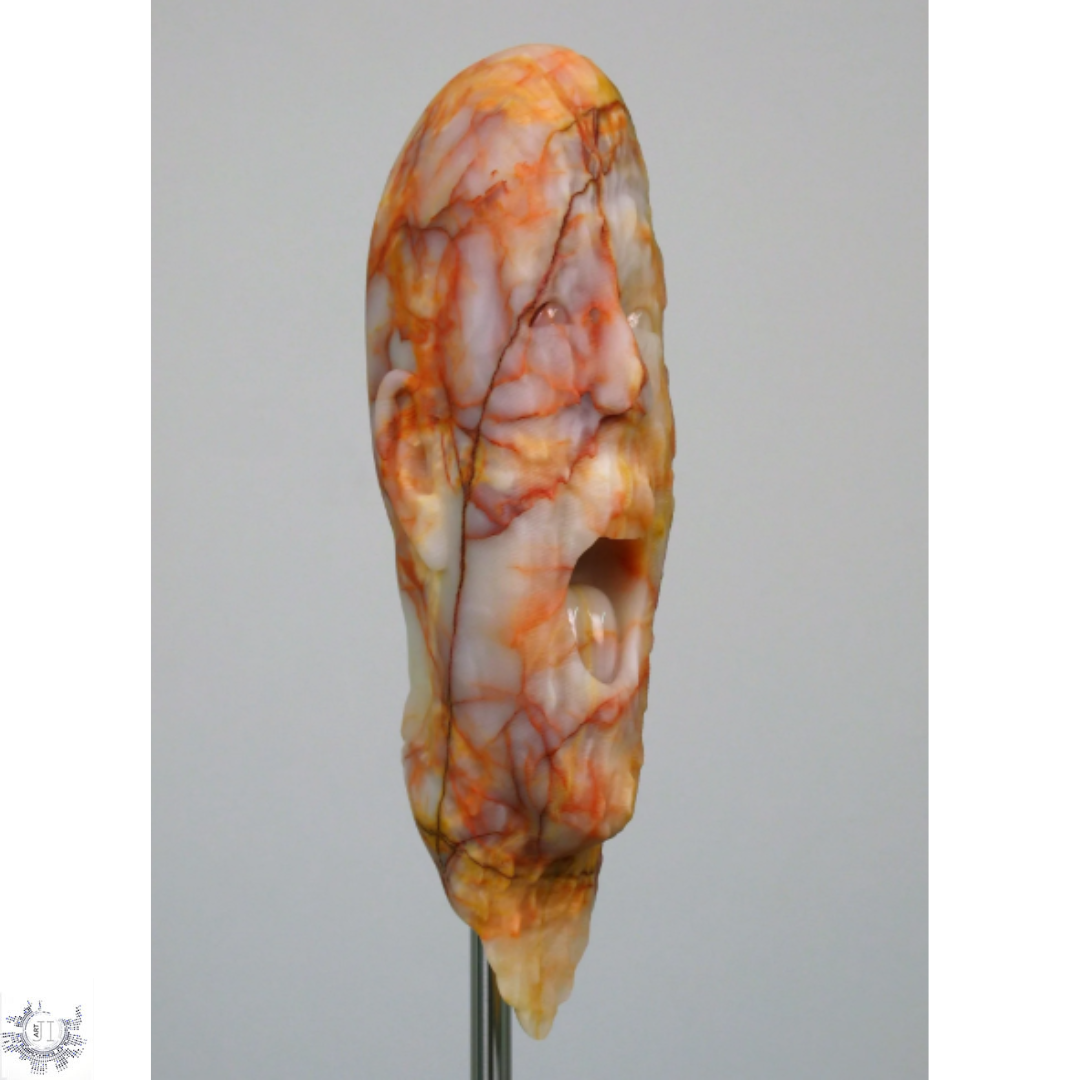
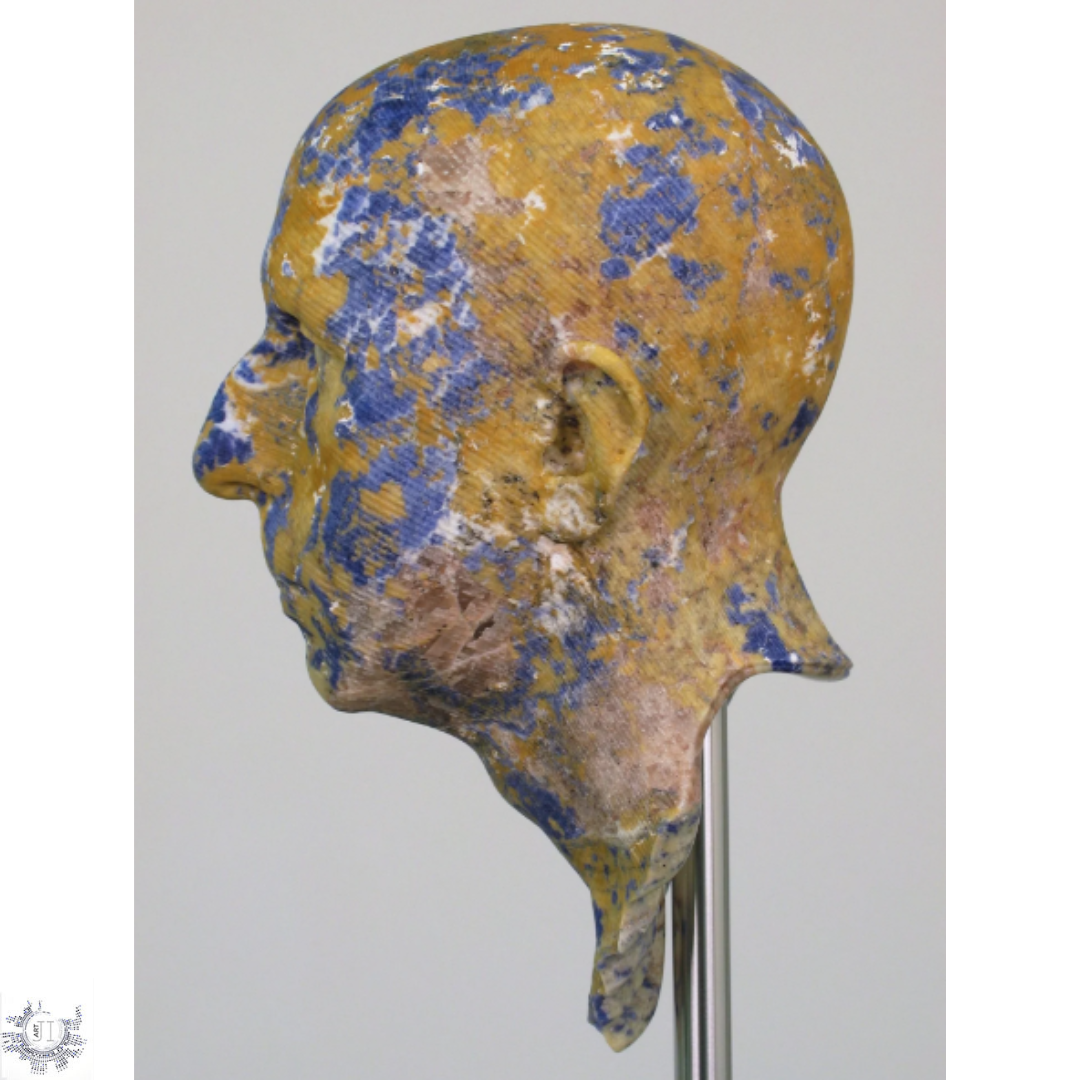
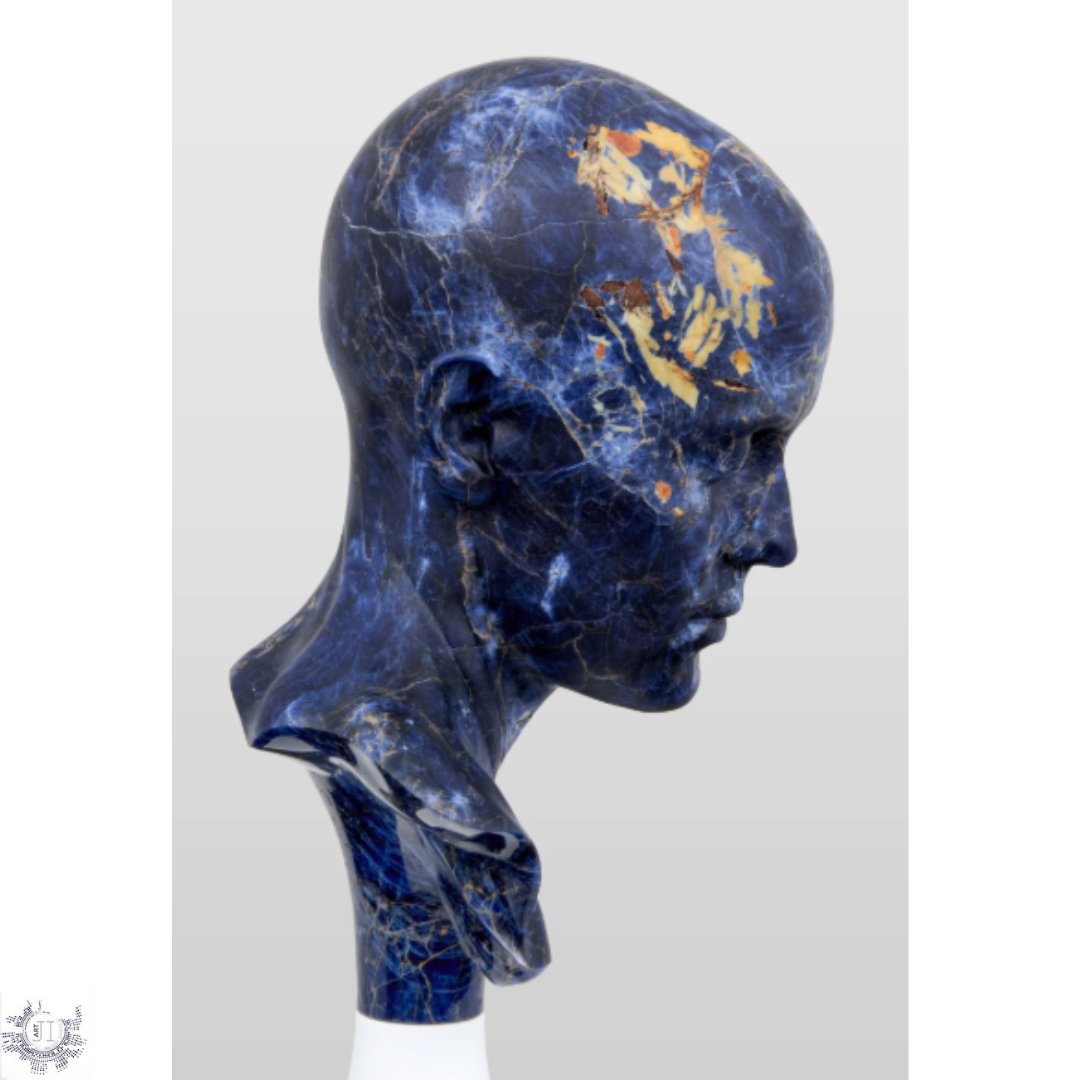
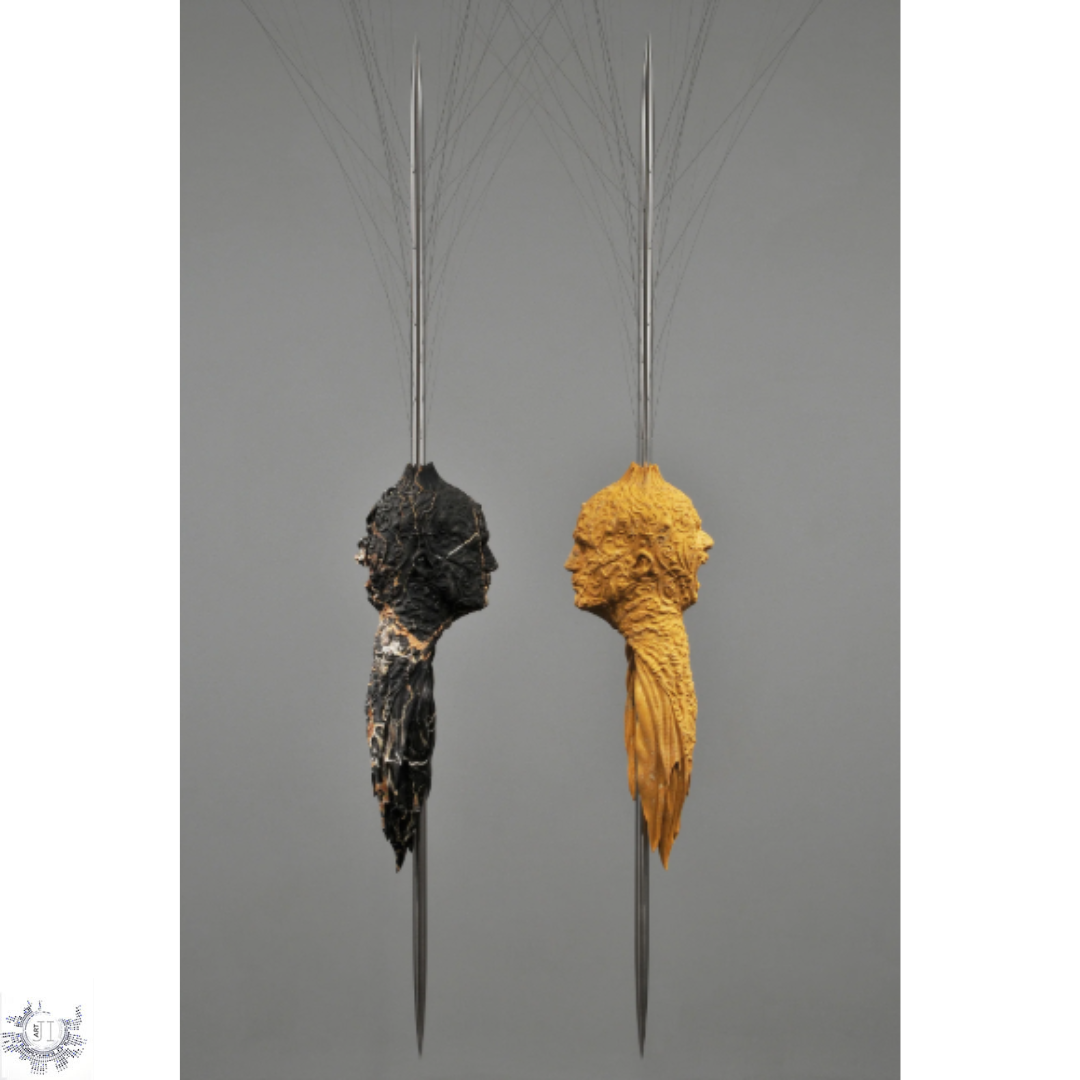
Barry X Ball approaches historical form from another direction: his sculptures begin with works from art history and move through an elaborate process involving digital scanning, virtual modelling, robotic carving, and extensive hand finishing. The technical complexity is considerable, but the final works never feel like demonstrations of technology; the focus remains on the form, material and perception.
Ball's sculptures occupy an unusual position between past and present. Their sources may come from earlier periods, particularly Renaissance and Baroque traditions, but are transformed through contemporary methods while retaining traces of their origins.
There is also a striking contrast between the apparent permanence of stone and the vulnerability present in the works themselves: Ball's surfaces are exceptionally precise; however, they often convey fragility, mortality and change; the sculptures appear stable and unsettled at the same time.
Every work of art is the child of its age and, in many cases, the mother of our emotions. It follows that each period of culture produces an art of its own which can never be repeated. Efforts to revive the art-principles of the past will at best produce an art that is still-born. It is impossible for us to live and feel, as did the ancient Greeks.
Wassily Kandinsky
Seen together, Smirnoff and Ball create a productive dialogue: Smirnoff works through image, atmosphere and suggestion; Ball works through material, structure and exactitude. One expands meaning through ambiguity; the other – through precision, but both artists share an interest in transformation and in the ways historical forms continue to acquire new lives.
Time changes everything except something within us which is always surprised by change.
Thomas Hardy
“Parto Artifex” is a Latin-based title meaning “the act of bringing forth the work, or the Act of artistic becoming, referring to the moment when an artwork completes its formation and enters the world as an independent presence rather than an ongoing process of making. That idea runs through the exhibition as a whole: in Parto Artifex, history remains active, non-nostalgic, in flux, and open to reinterpretation.