
WALDEMAR ZIMBELMANN AND THE SOFT RUIN OF THE PAINTED BODY
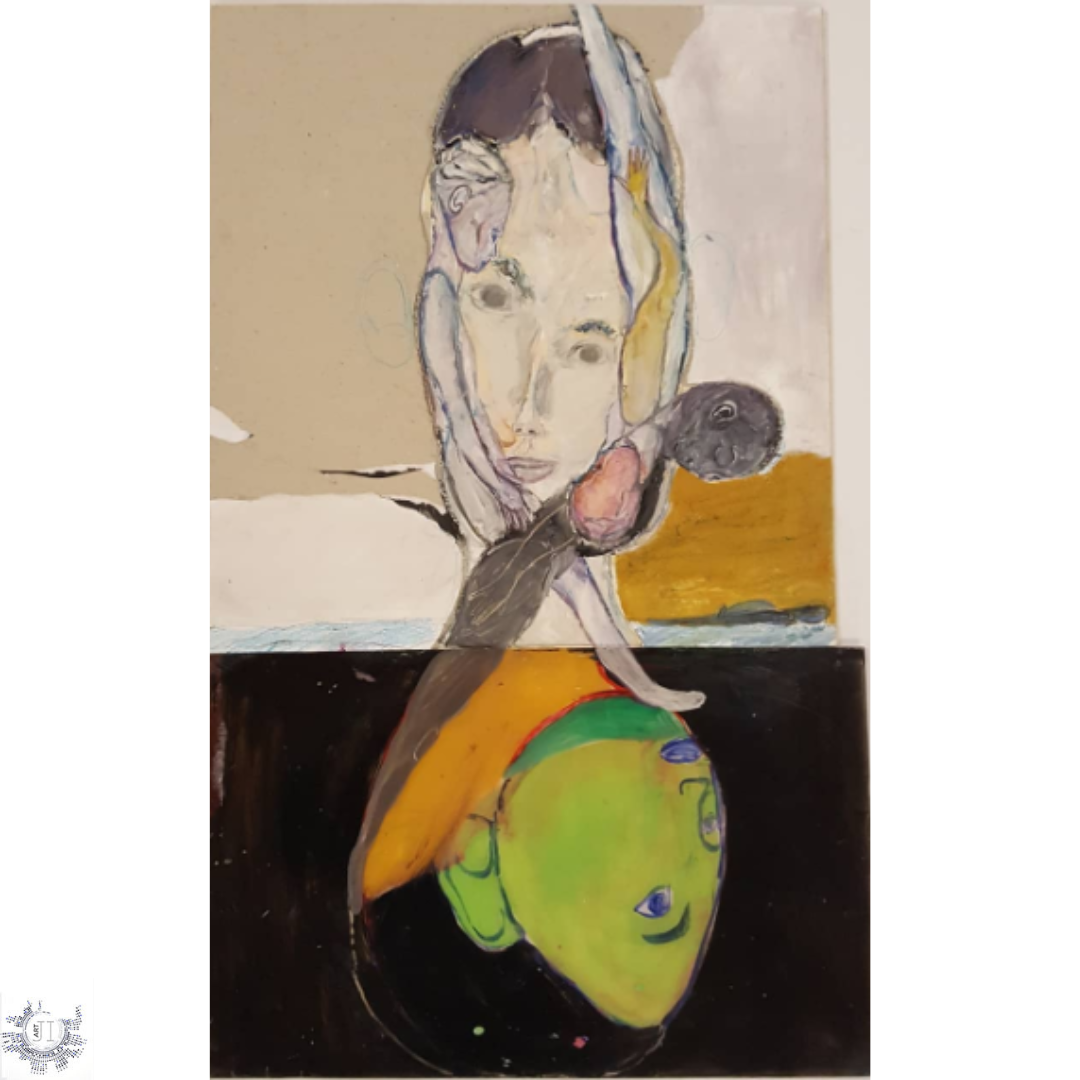
I make decisions spontaneously while working, and yet I have the feeling that during the painting process I am deliberately searching for something that I ultimately find.
Waldemar Zimbelmann
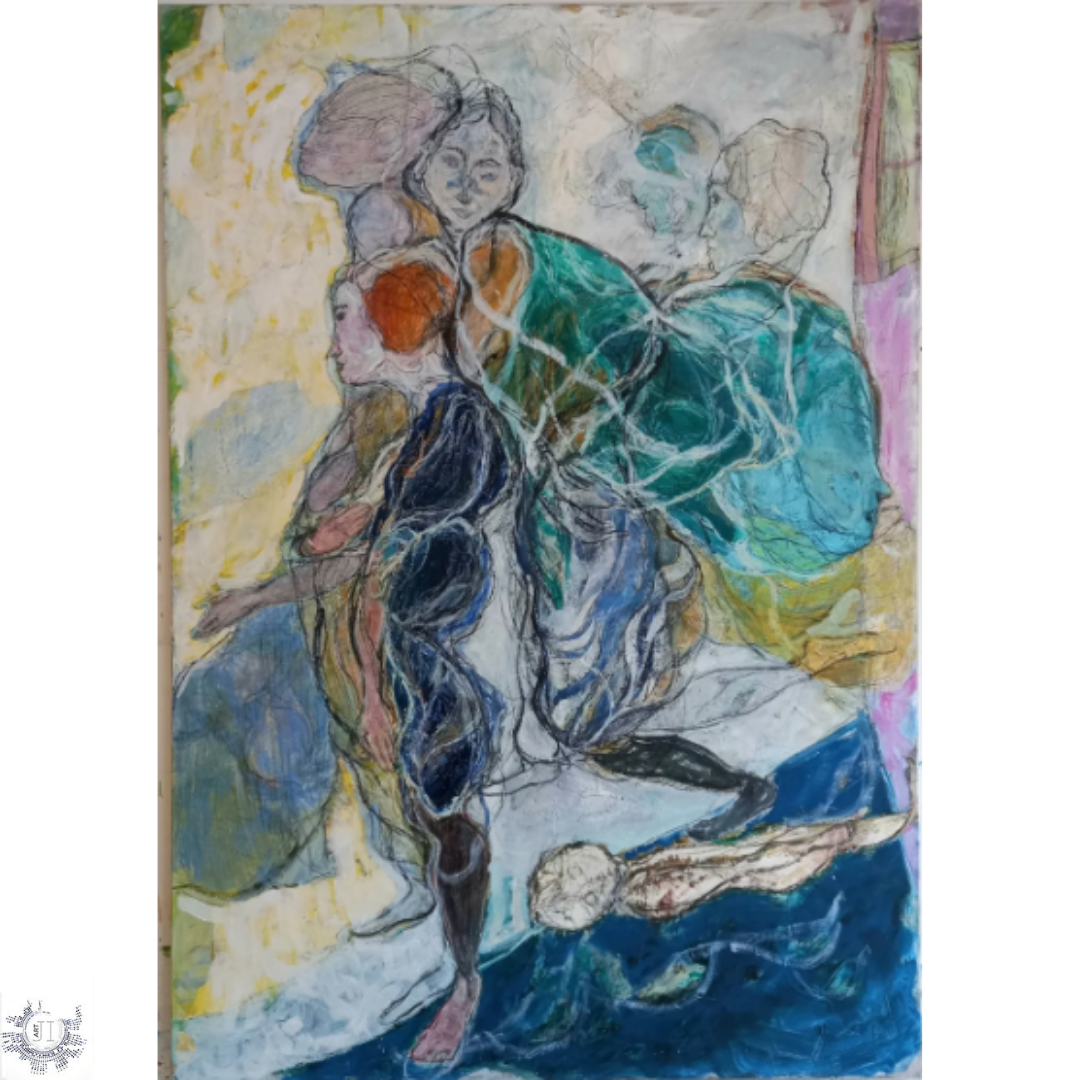
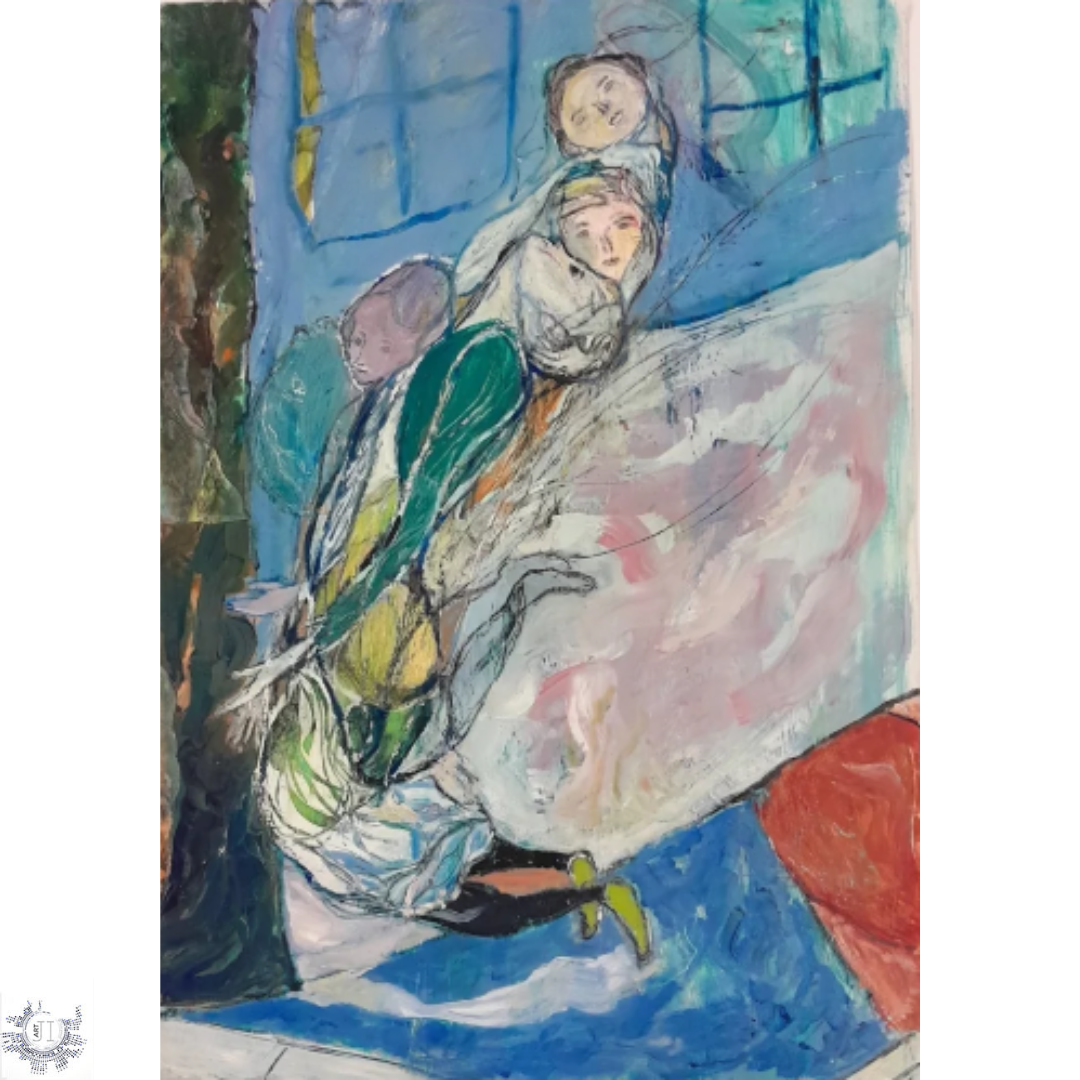
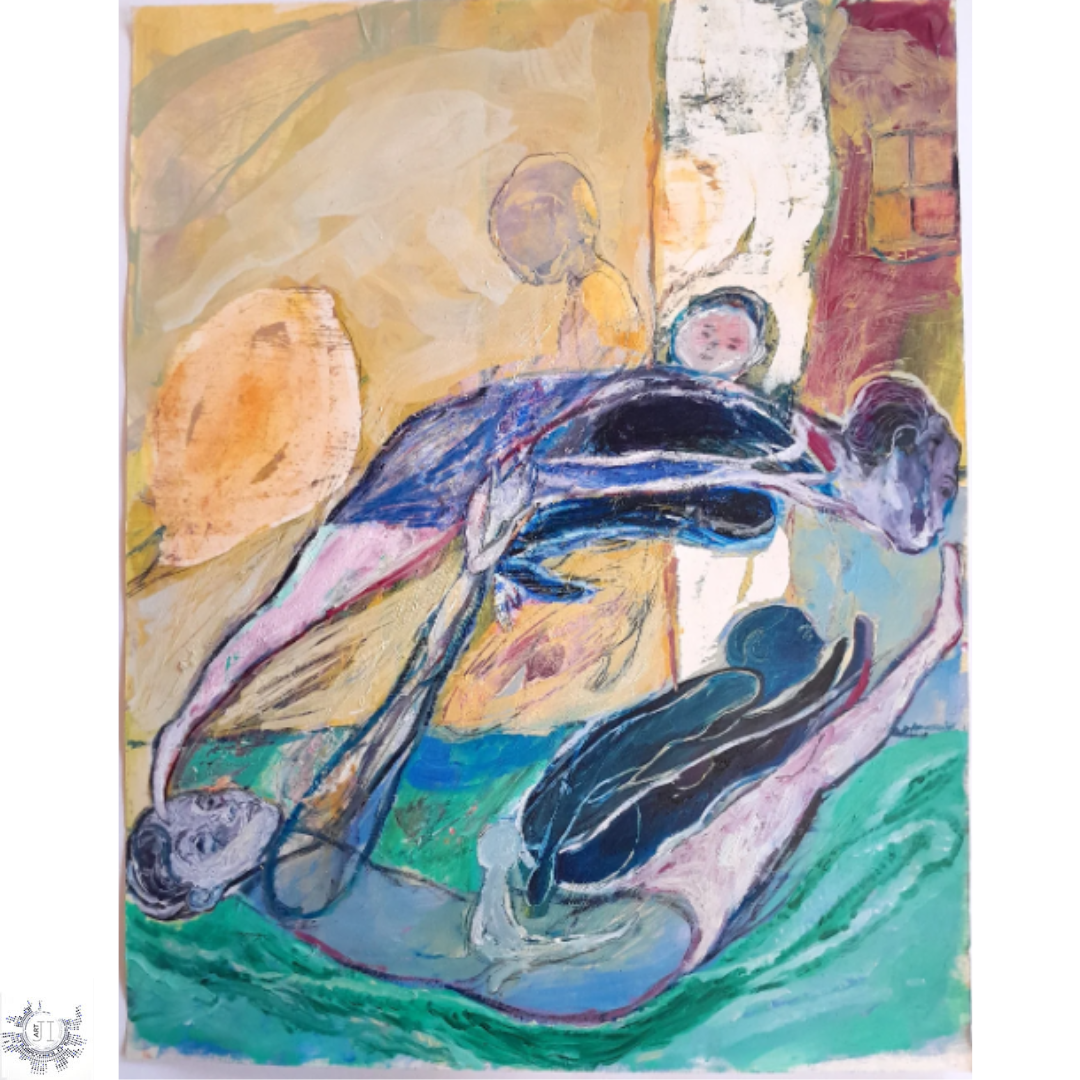
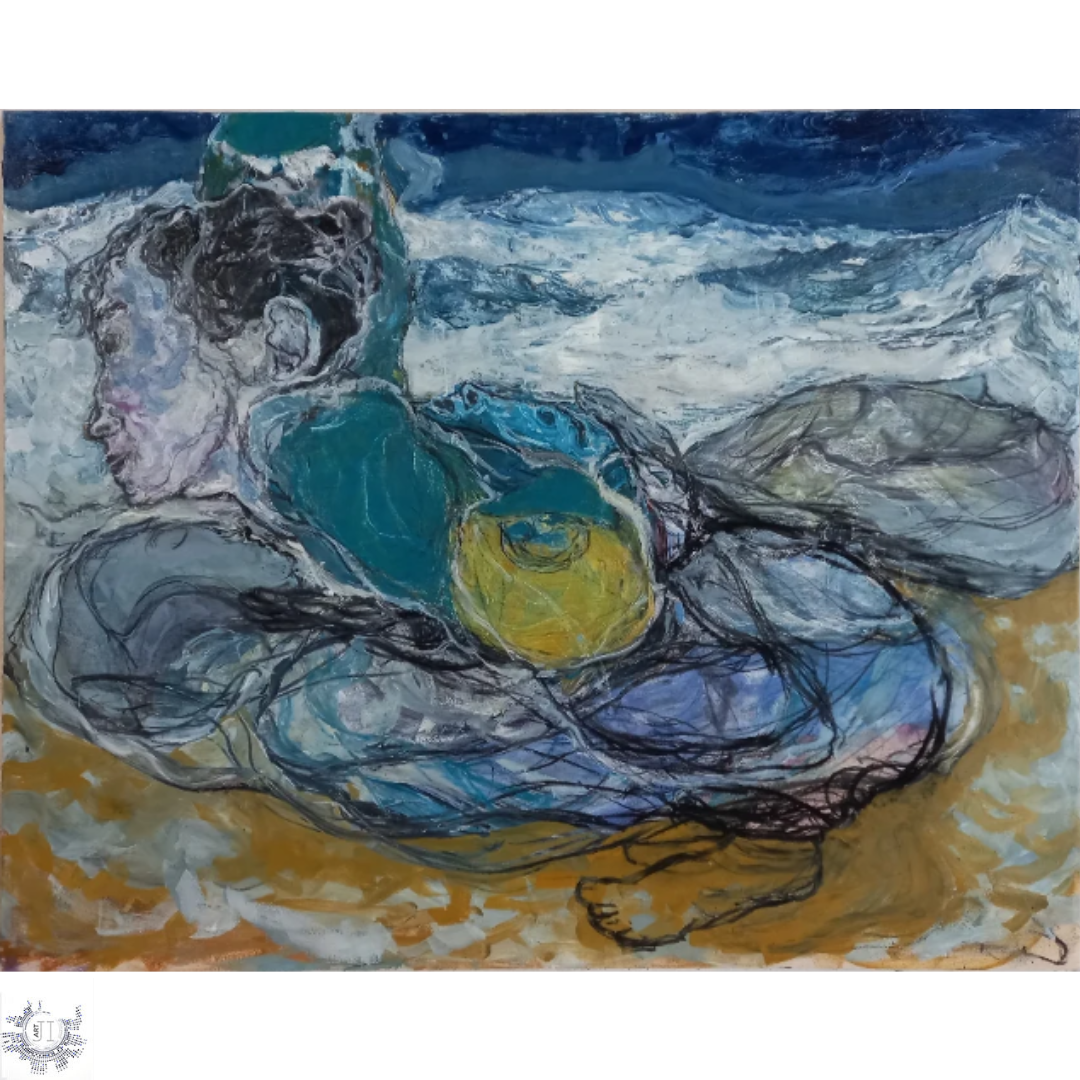
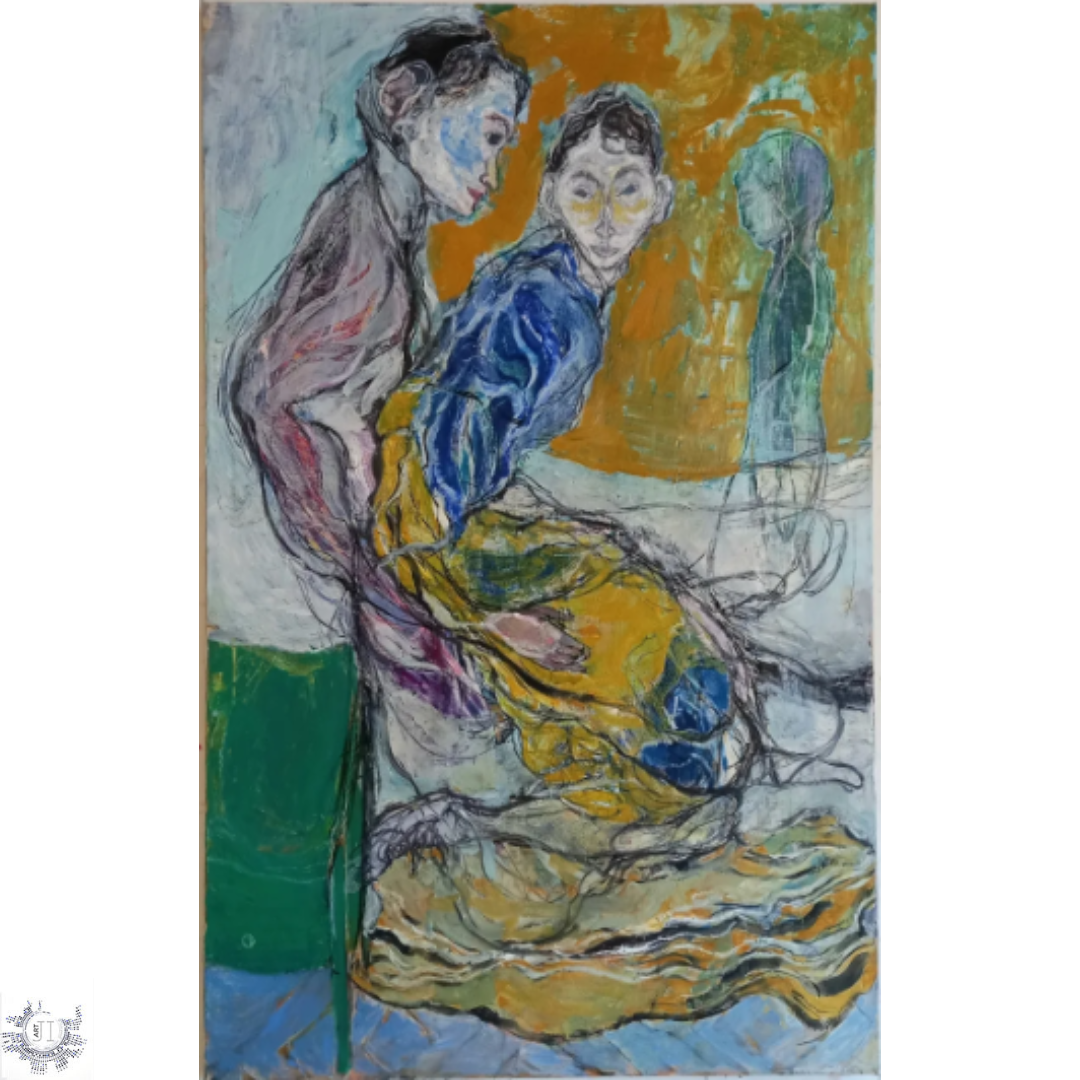
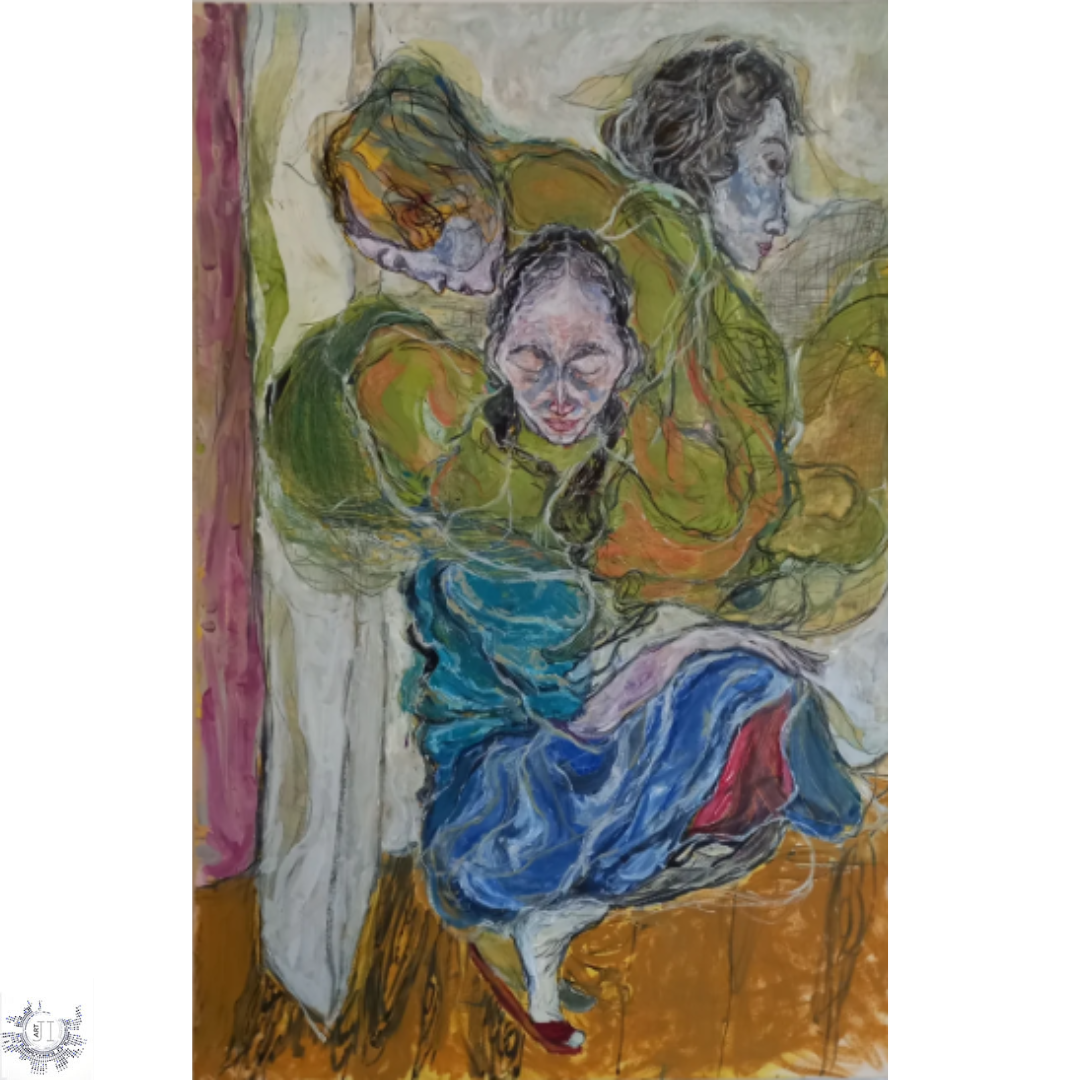
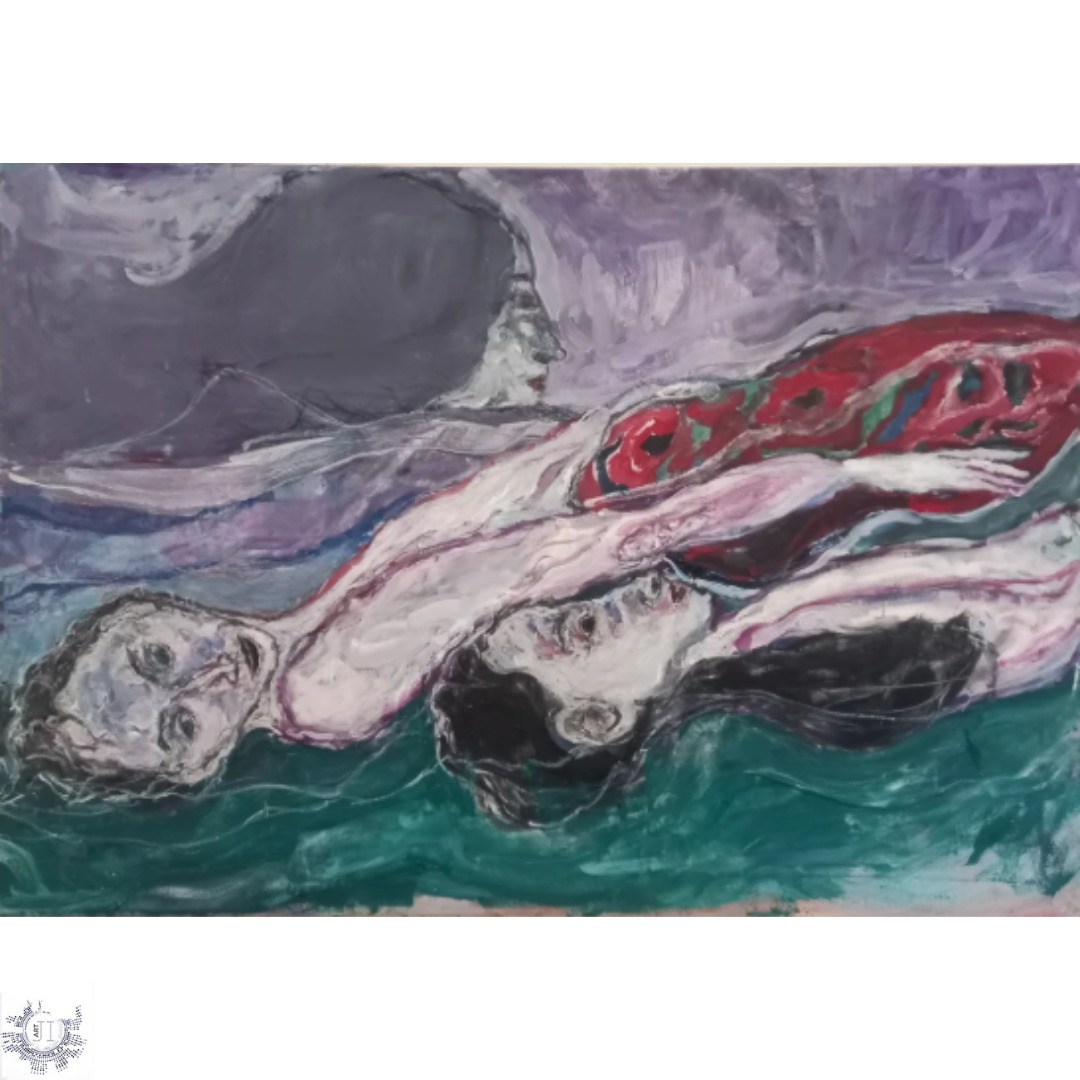
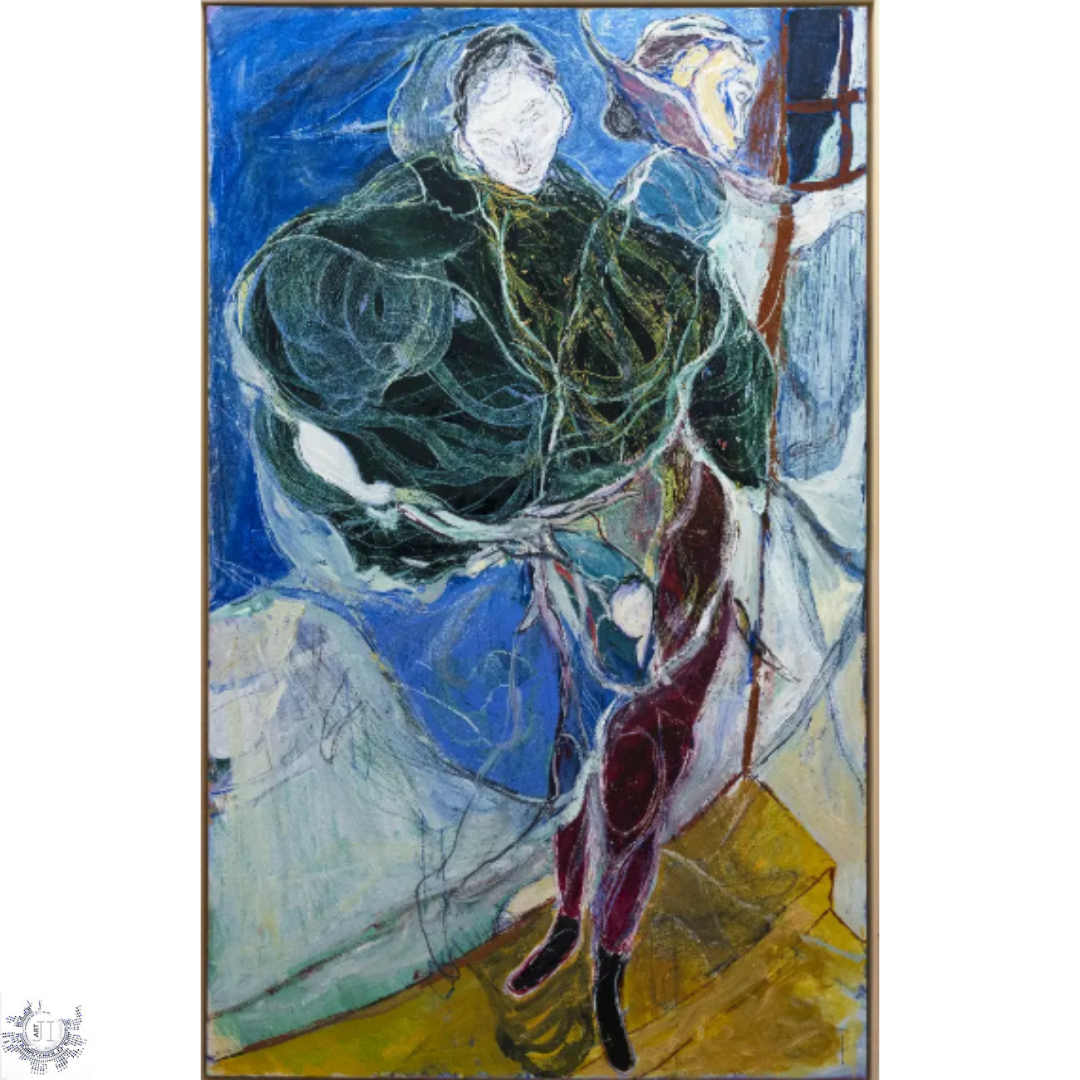
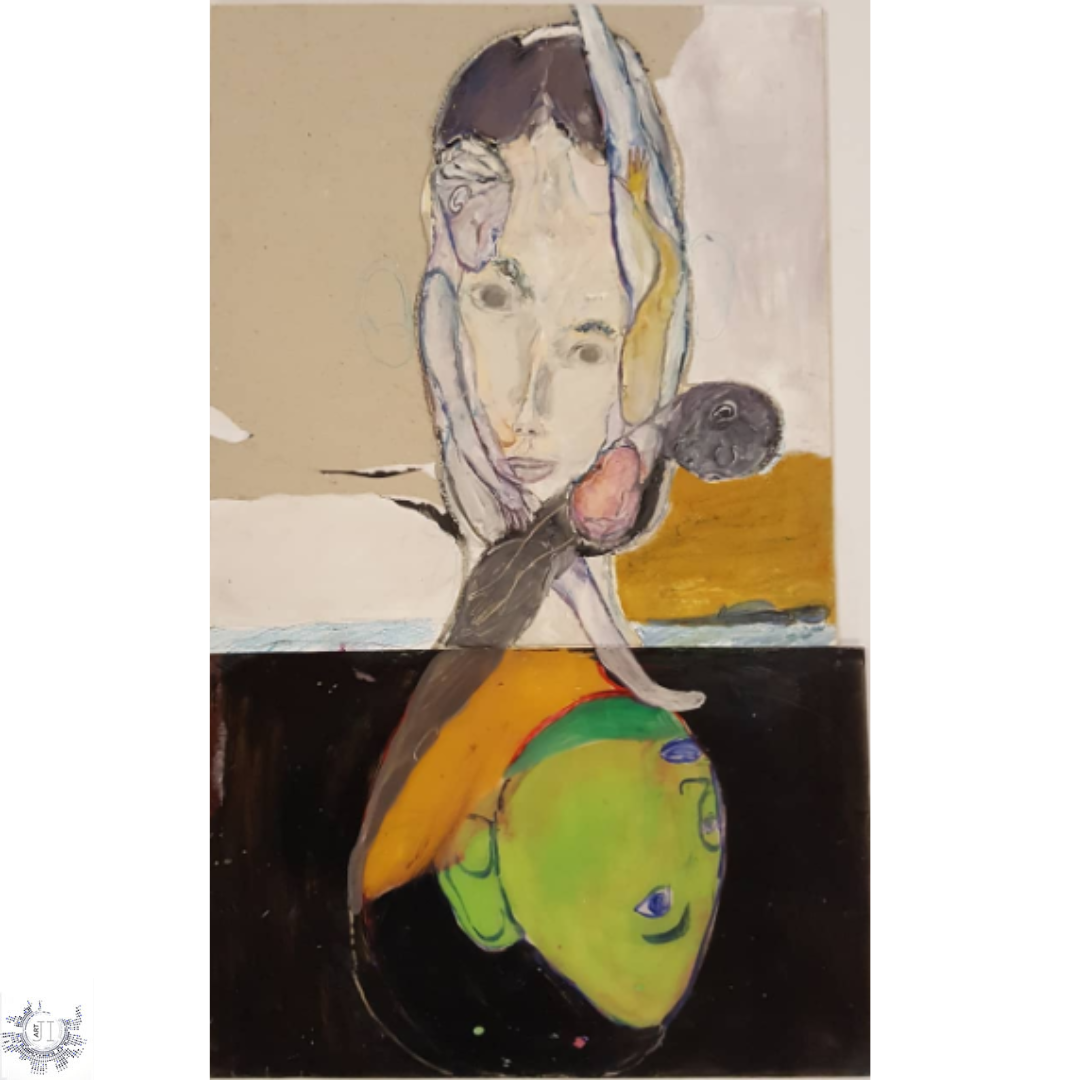
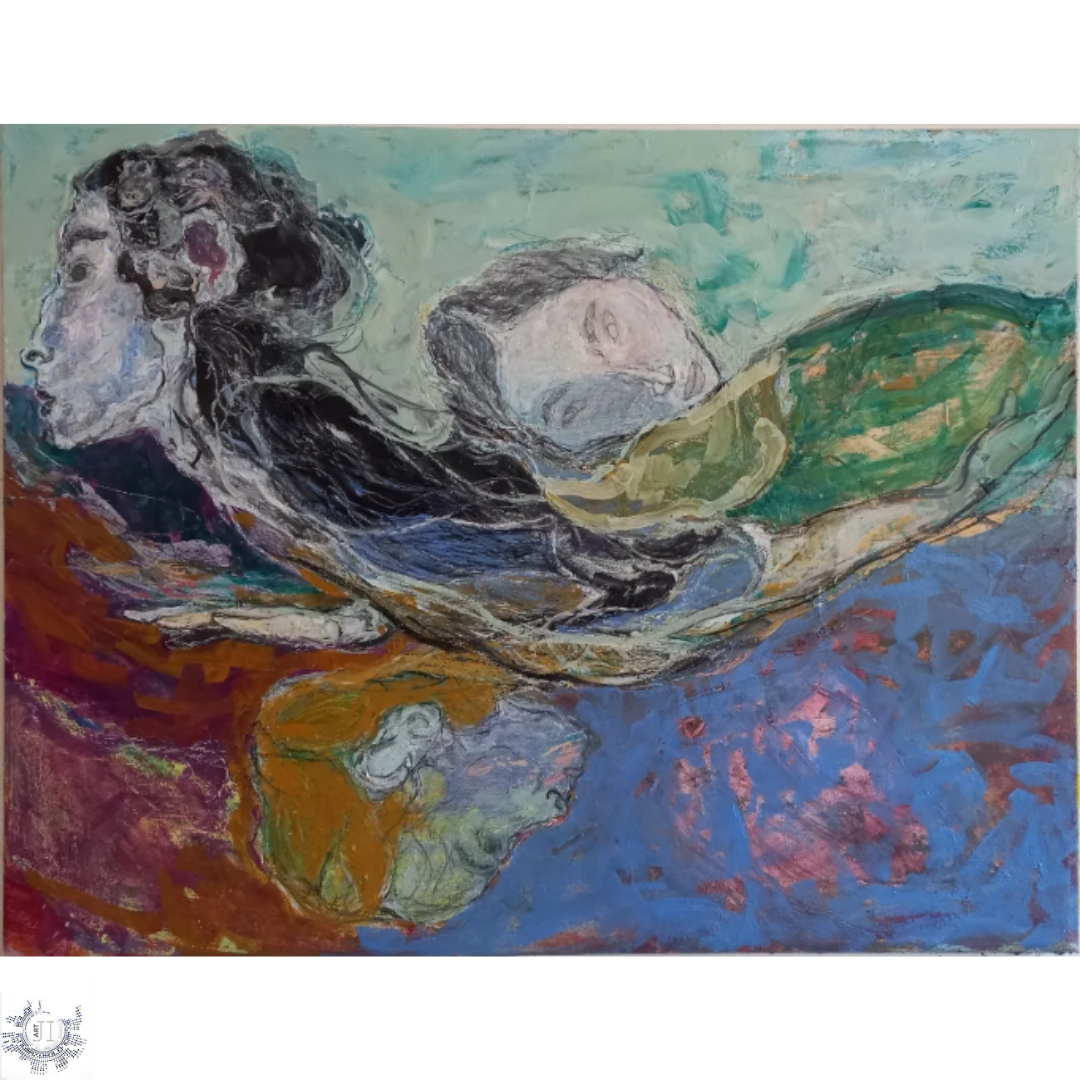
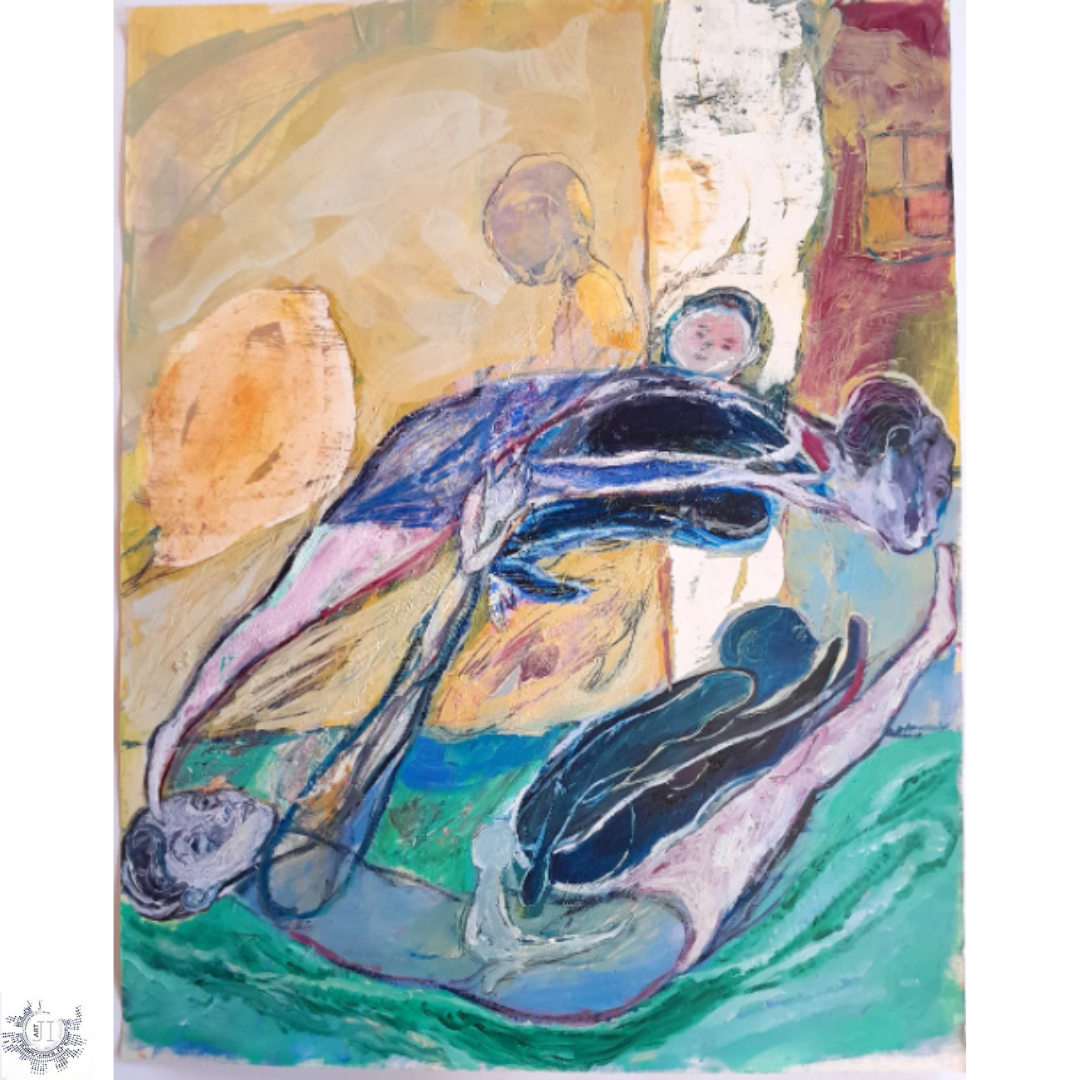
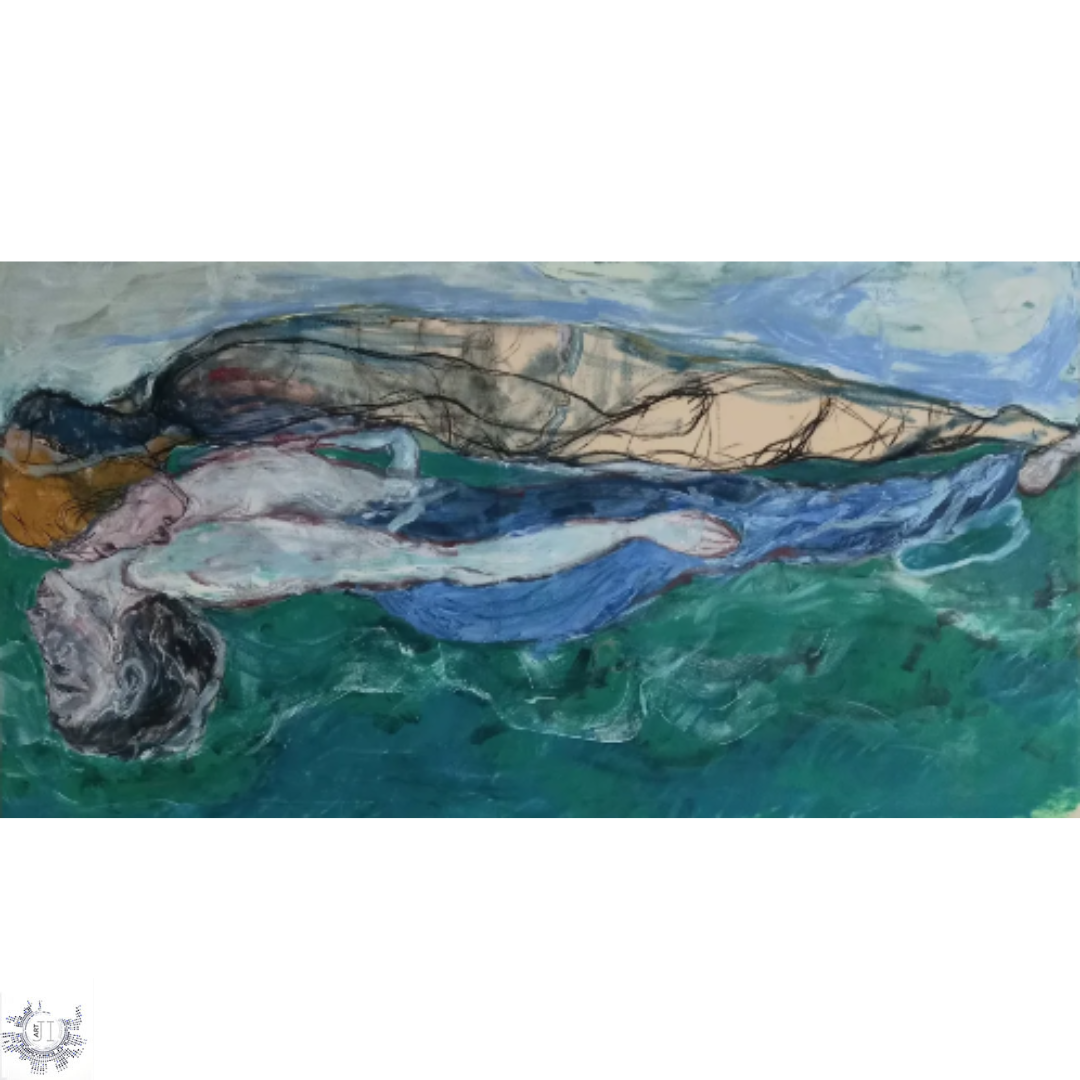
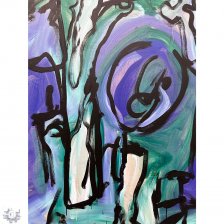
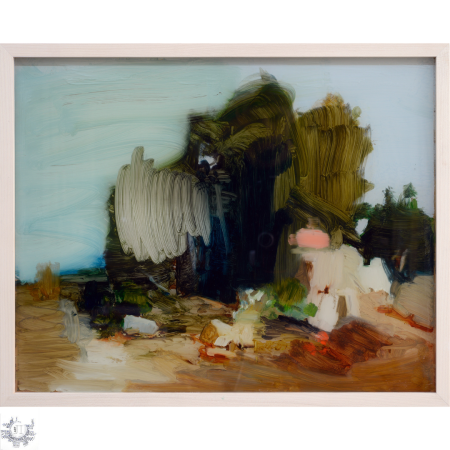
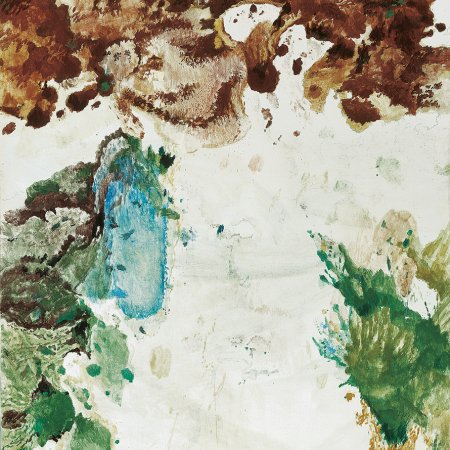
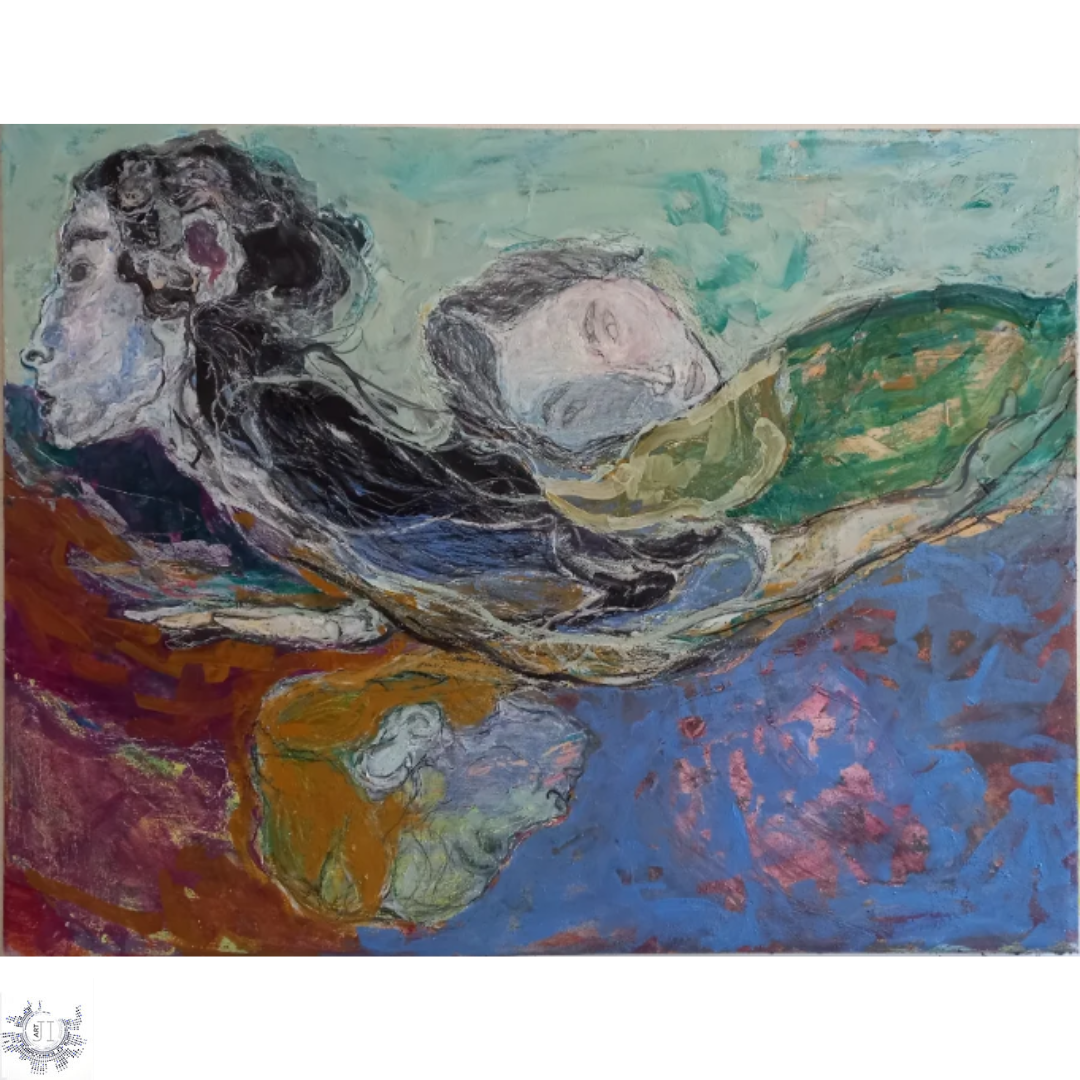
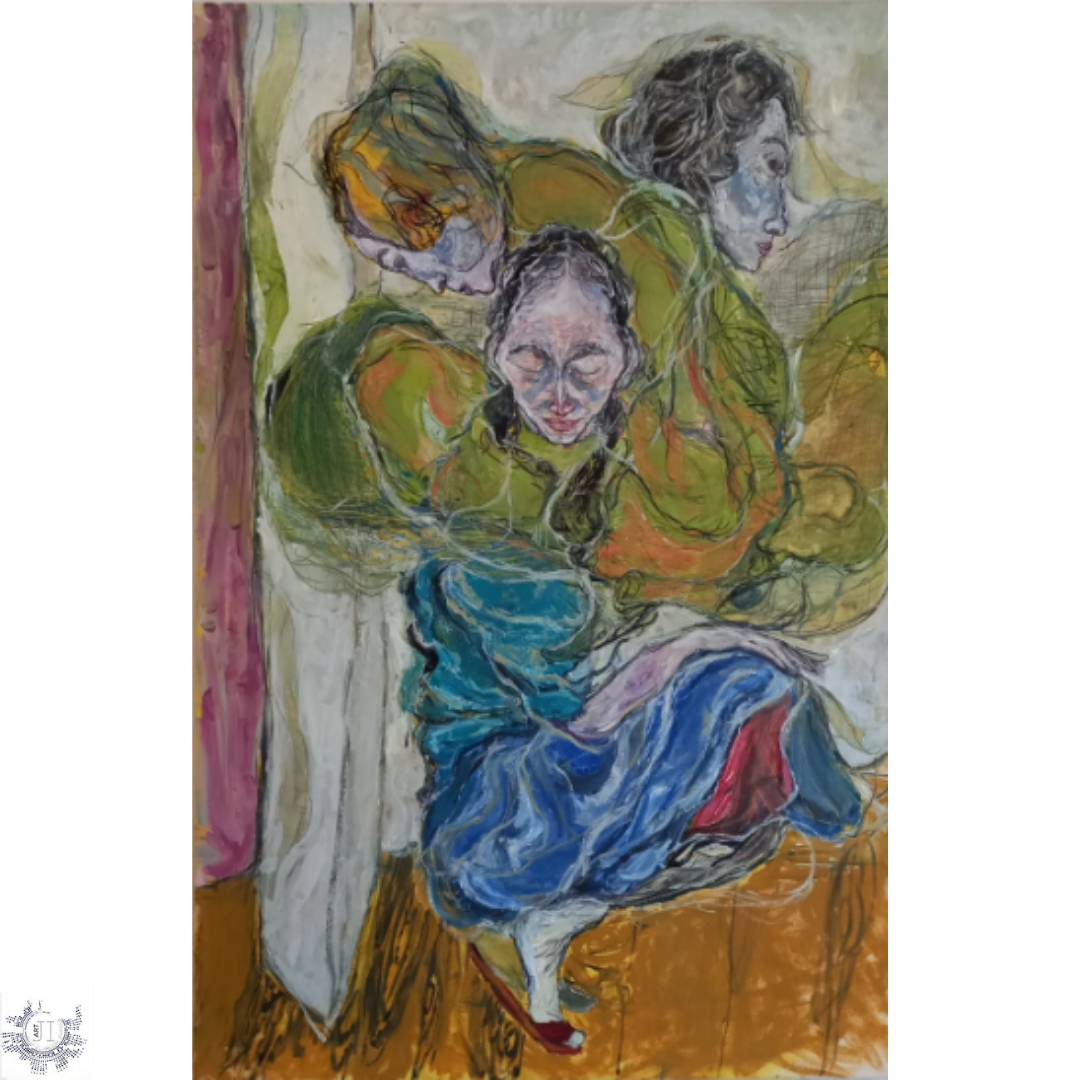
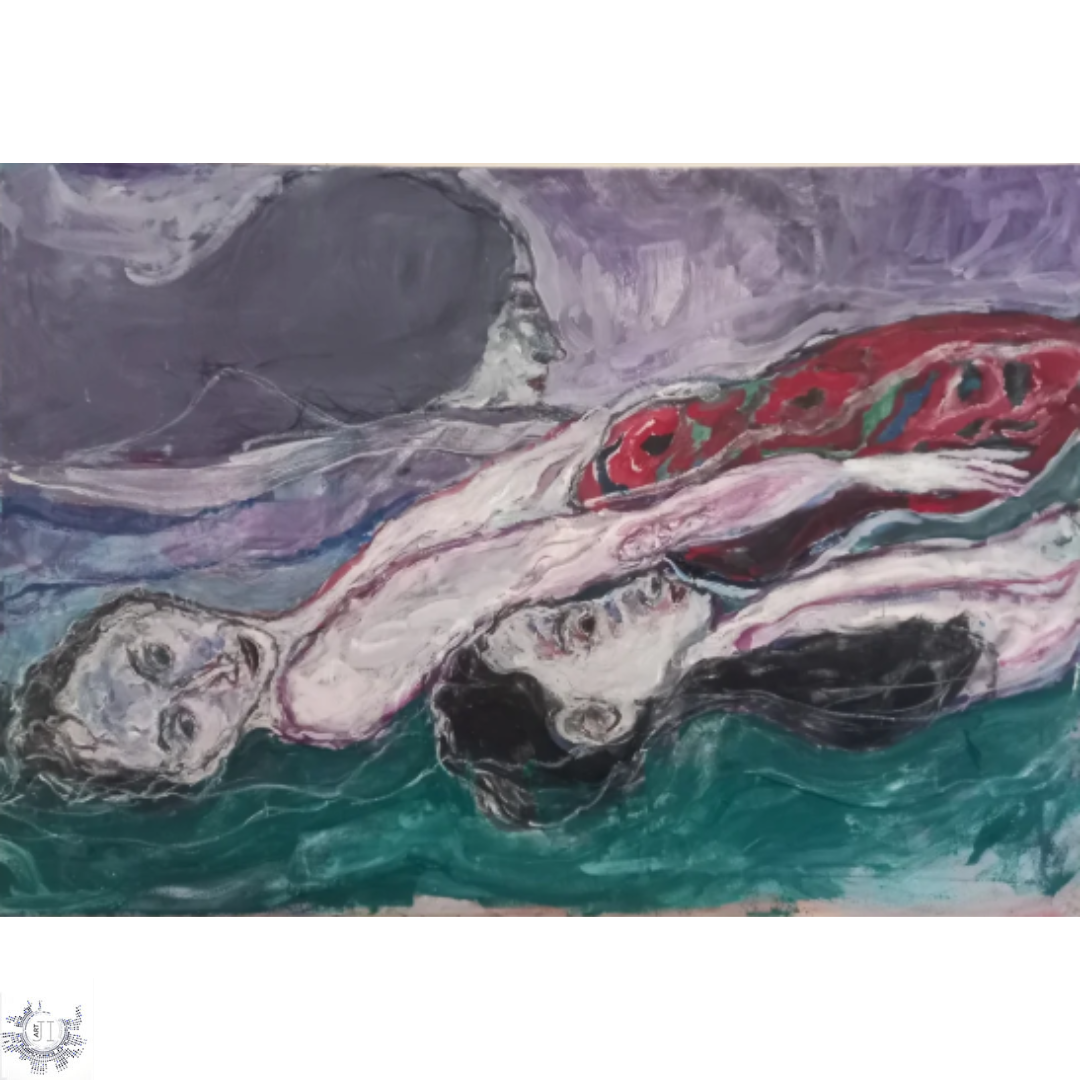
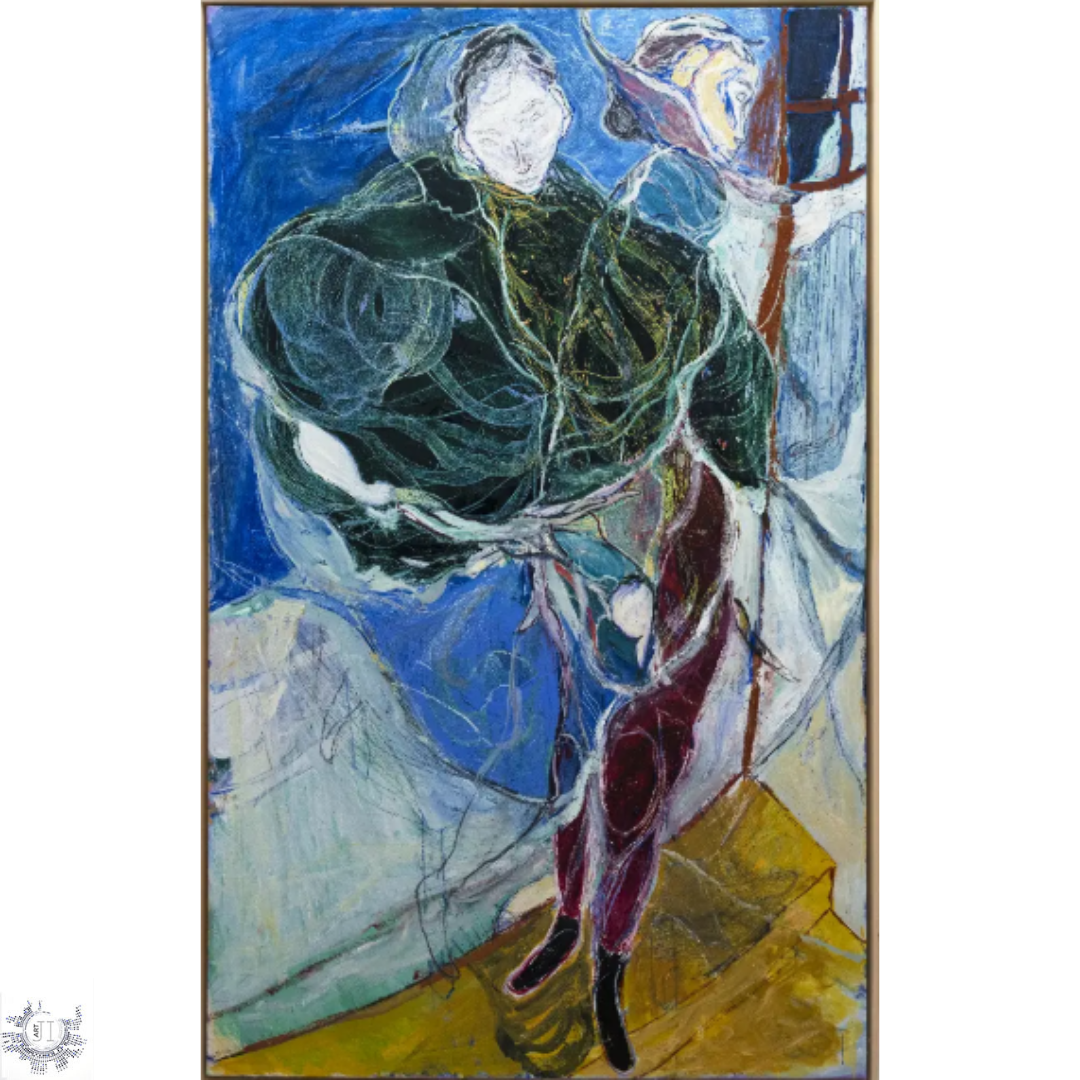
Waldemar Zimbelmann builds his images through layering and removal. Paint goes on, covers the past traces, then gets partially taken back, shaped as much by erasure as by addition. Lines are scratched into wet or drying paint, cut back into the surface. Some marks are thin and hesitant, others forceful, almost carved, pulling forms into view without fully stabilizing them.
Waldemar's ideas often begin from photographic material, sometimes personal, sometimes detached from any clear origin. They get absorbed into the process of painting until they lose their status as images and transform into fields of fragments – figures, animal shapes, architectural hints, parts of landscapes. Forms appear and change; a figure might become readable for a moment, then dissolve as attention moves elsewhere.
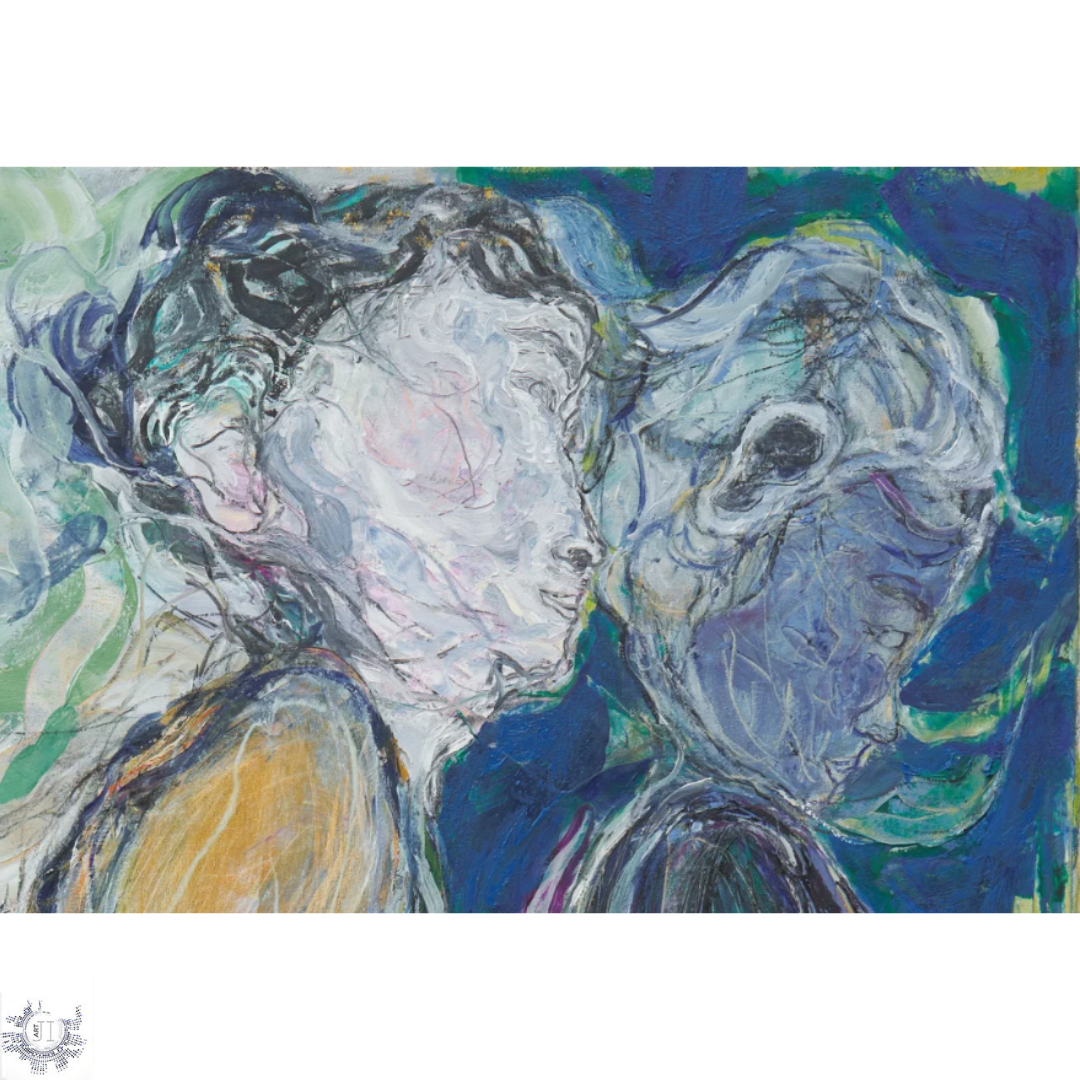
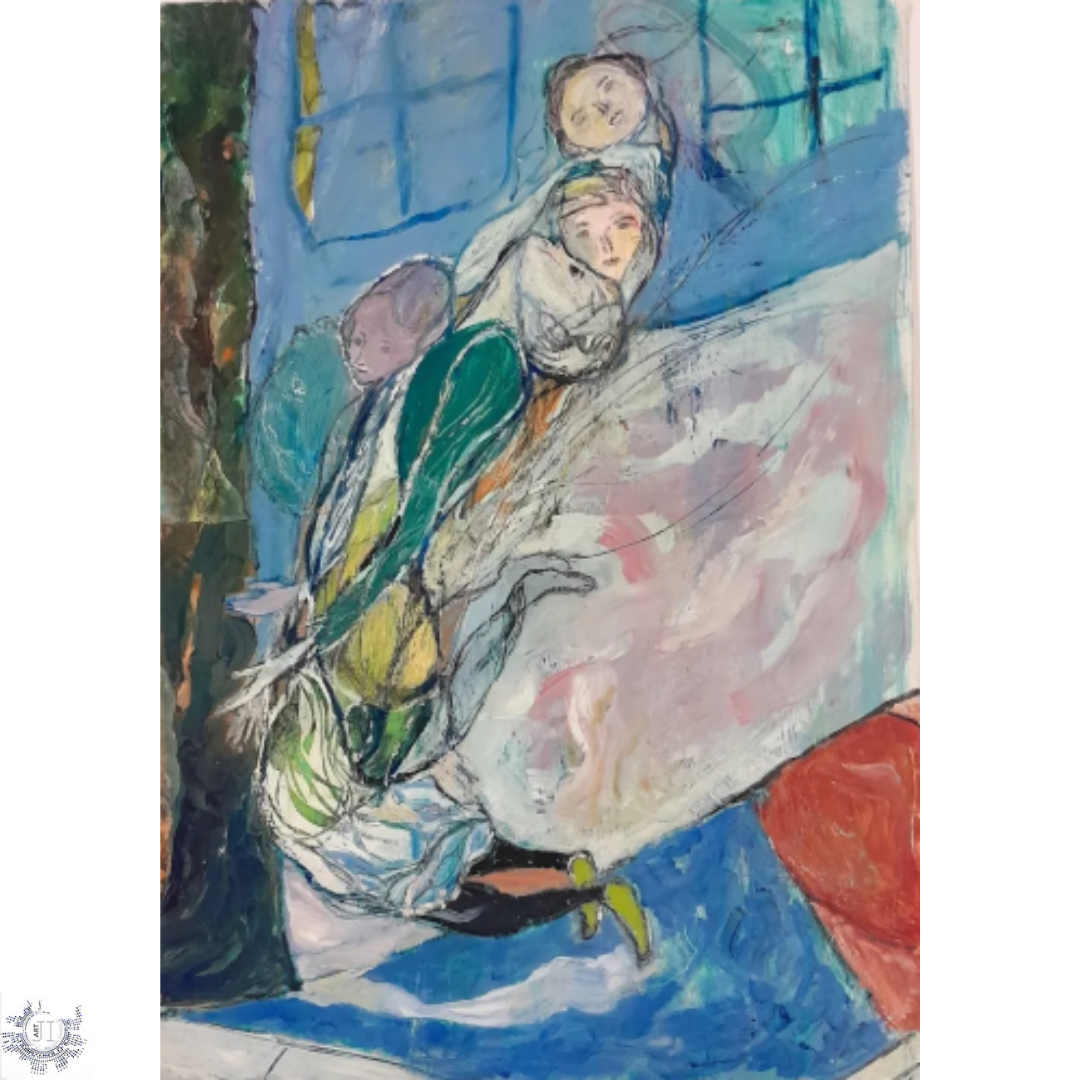
Faces appear in many of Waldemar's works, though they don’t function as portraits in any strict sense, coming out of a process of searching through layers. The face becomes a point where the image tightens. Small variations – slight shifts in symmetry, unevenness in expression – carry more weight than any fixed reading of emotion.
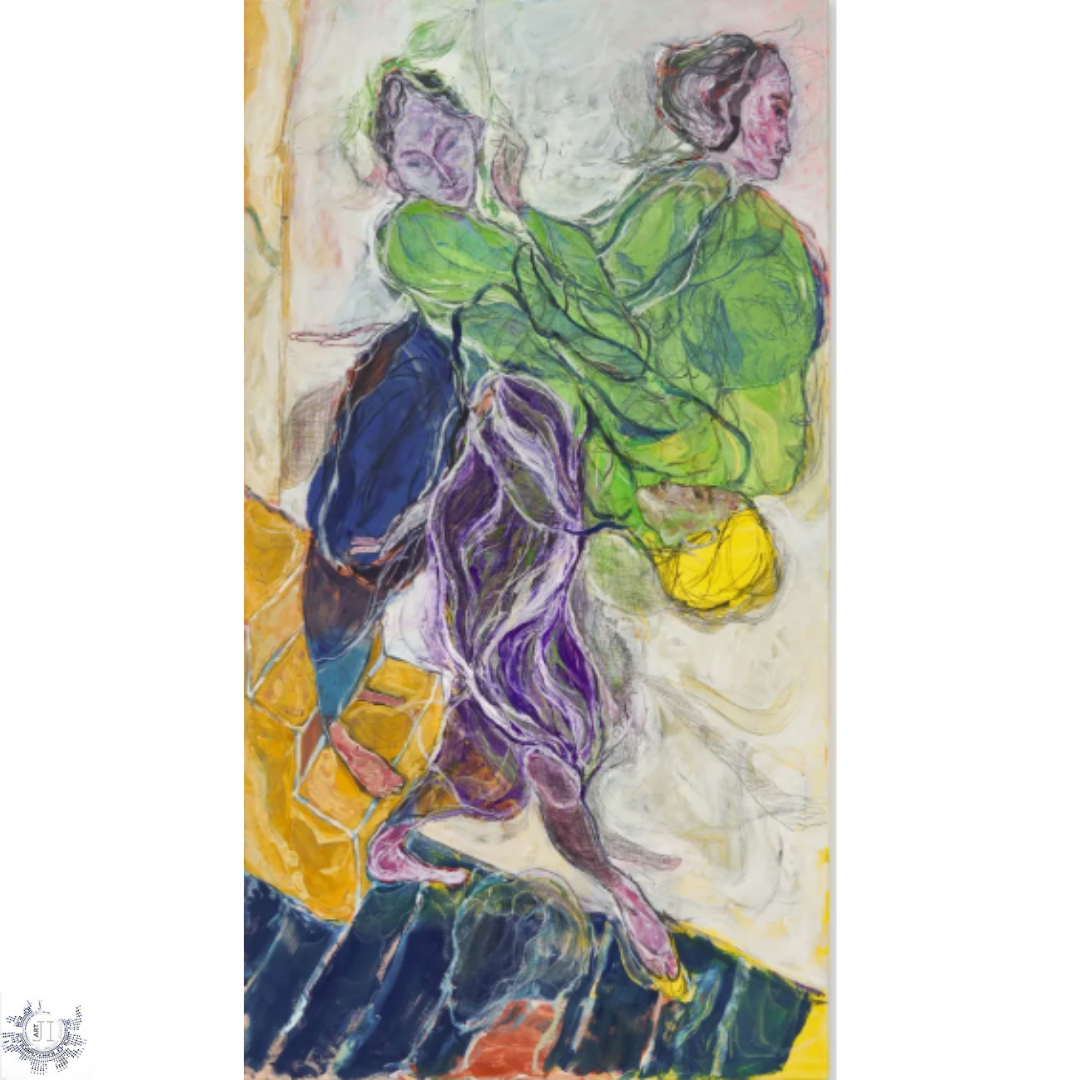
Across the surface, figures relate to each other without settling into clear positions, sometimes pressing toward each other, sometimes drifting apart. No single form holds control for long. Connections form between figures through lines and shared edges, then break when another reading takes over.
In our conversation, we go further into Waldemar Zimbelmann's thinking and process, taking a closer view of how his paintings form and resist settling into a clear explanation.
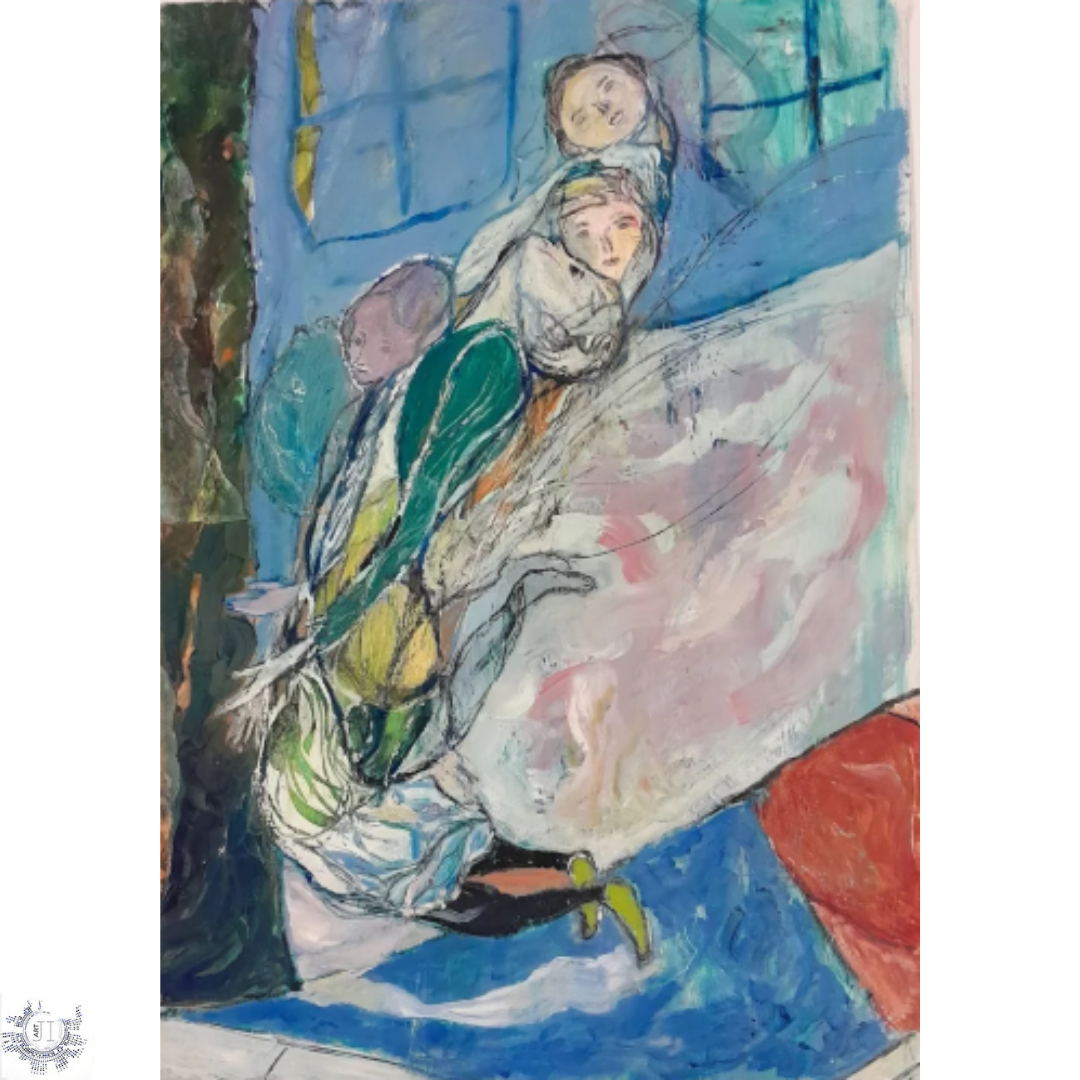
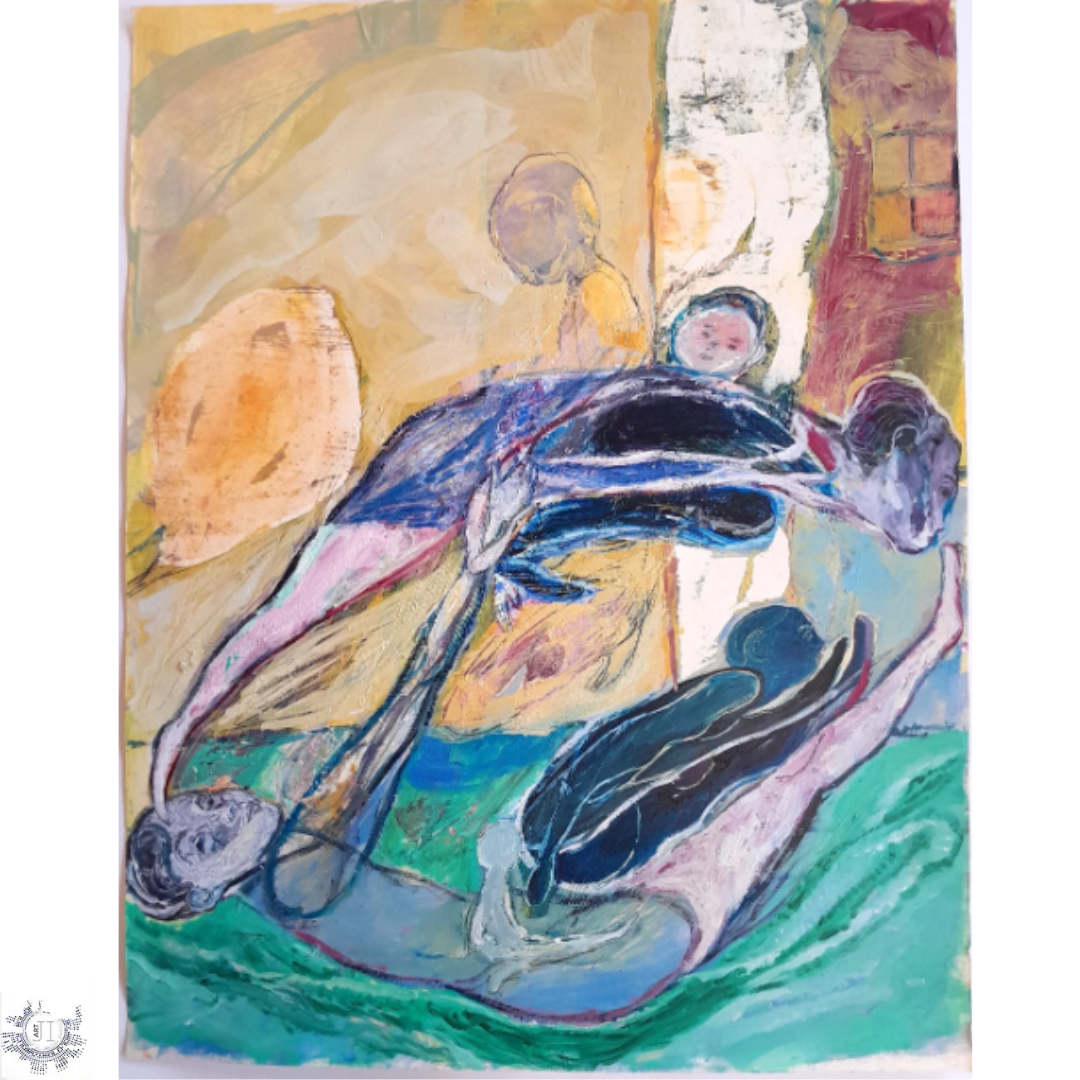
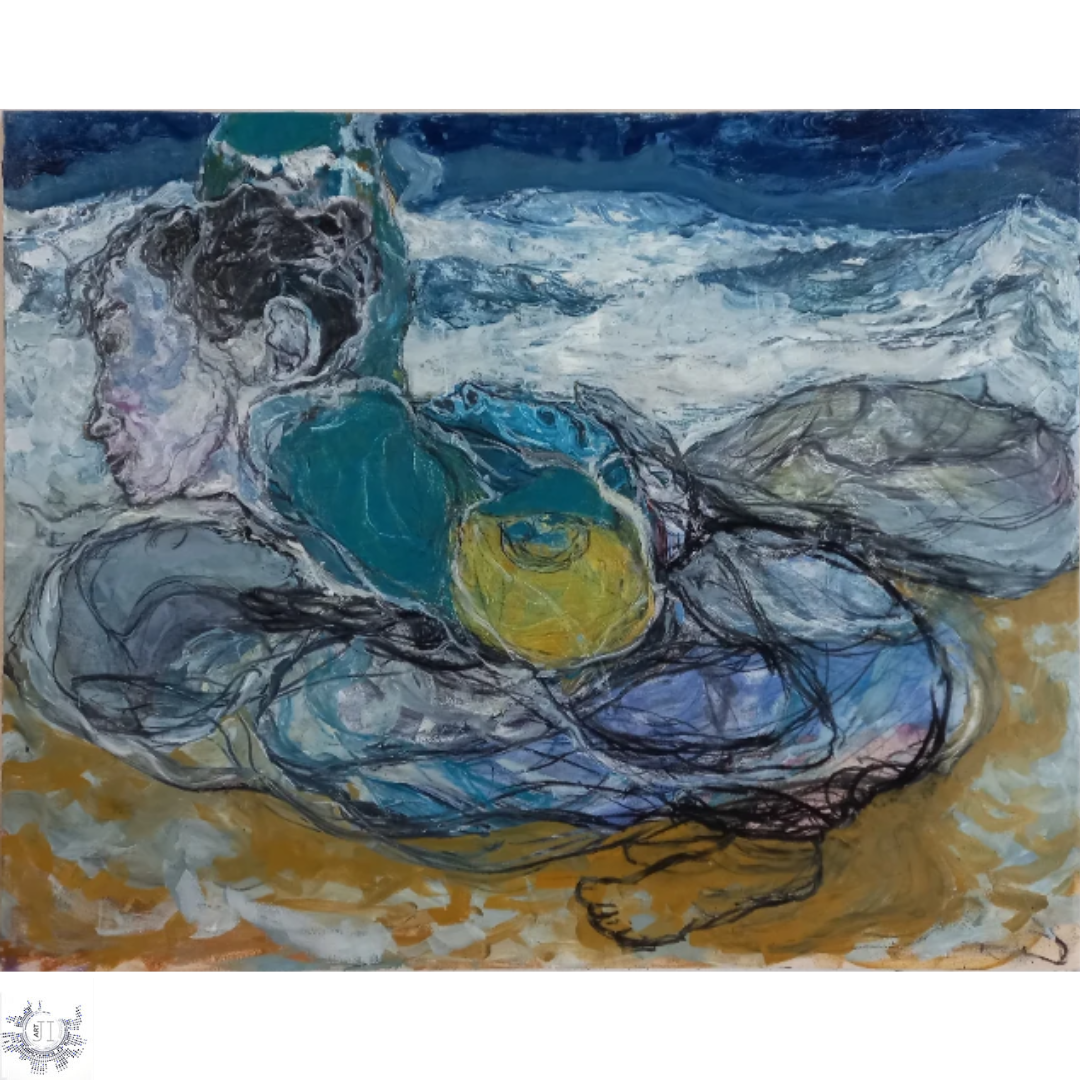
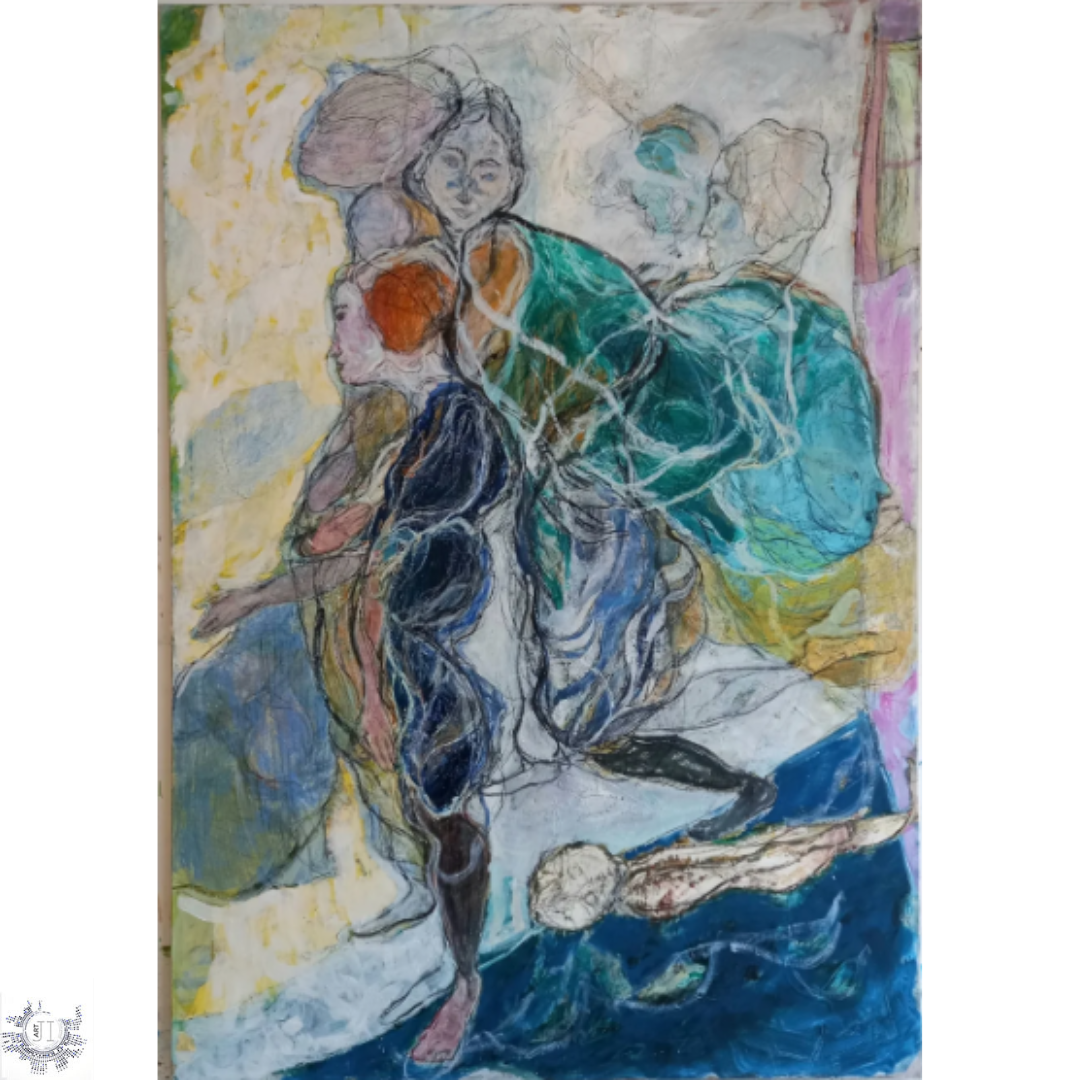
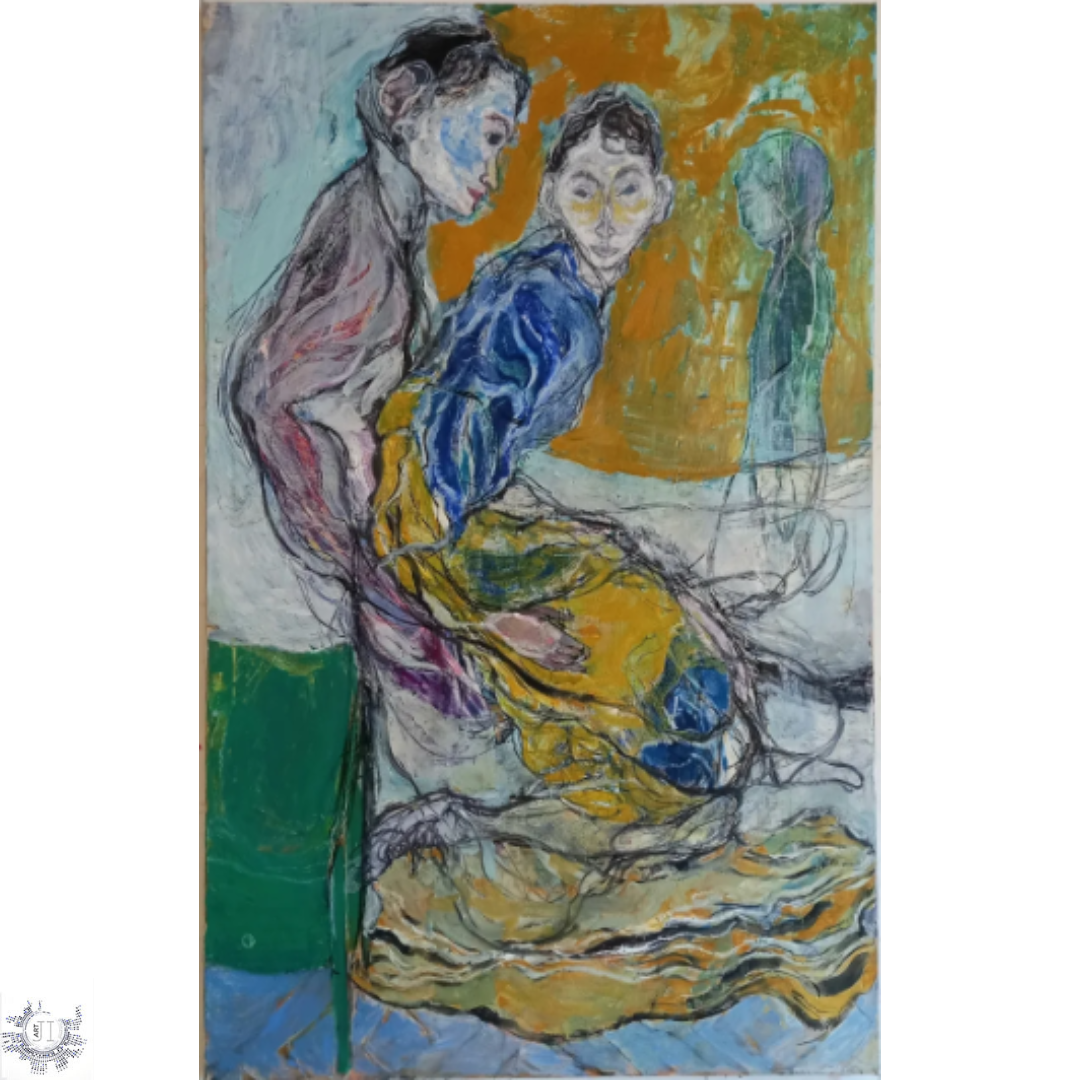
A concrete face appears at the end of the painting process. It arises from the many layers that become increasingly dense during the search.
Waldemar Zimbelmann
The JI: Your paintings often hold a strange double truth: the body feels intensely present, yet also unstable, almost dissolving into the atmosphere. When you paint a female figure, what are you trying to protect from clarity, and what are you trying to rescue from disappearance?
Waldemar Zimbelmann: I don't paint portraits in the classical sense, as the figures emerge from fleeting memories and inner projections, yet a concrete face appears at the end of the painting process. It arises from the many layers that become increasingly dense during the search.
The JI: You often let one figure come into focus only for it to be pushed back again as another presence takes over. Psychologically, what does that say about how you experience intimacy: as revelation, as competition, as fusion, or as the impossibility of fully seeing another person?
Waldemar: The appearance and disappearance of figures is also due to the painting process. Sometimes a figure suddenly gains significance, and I intensify its form. These are internal processes at work. Some figures remain shadowy. I make decisions spontaneously while working, and yet I have the feeling that during the painting process I am deliberately searching for something that I ultimately find; then I know that a painting is finished.
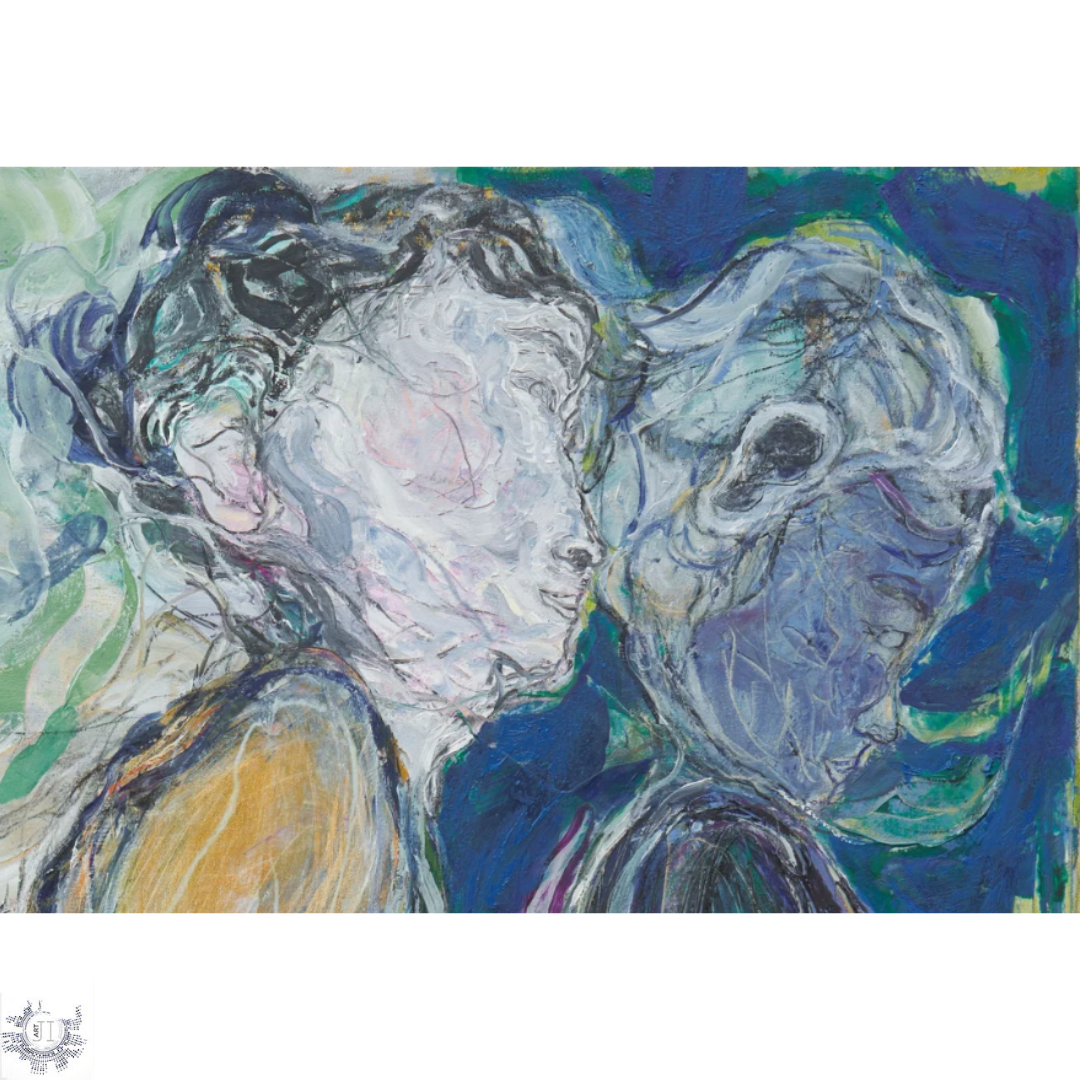
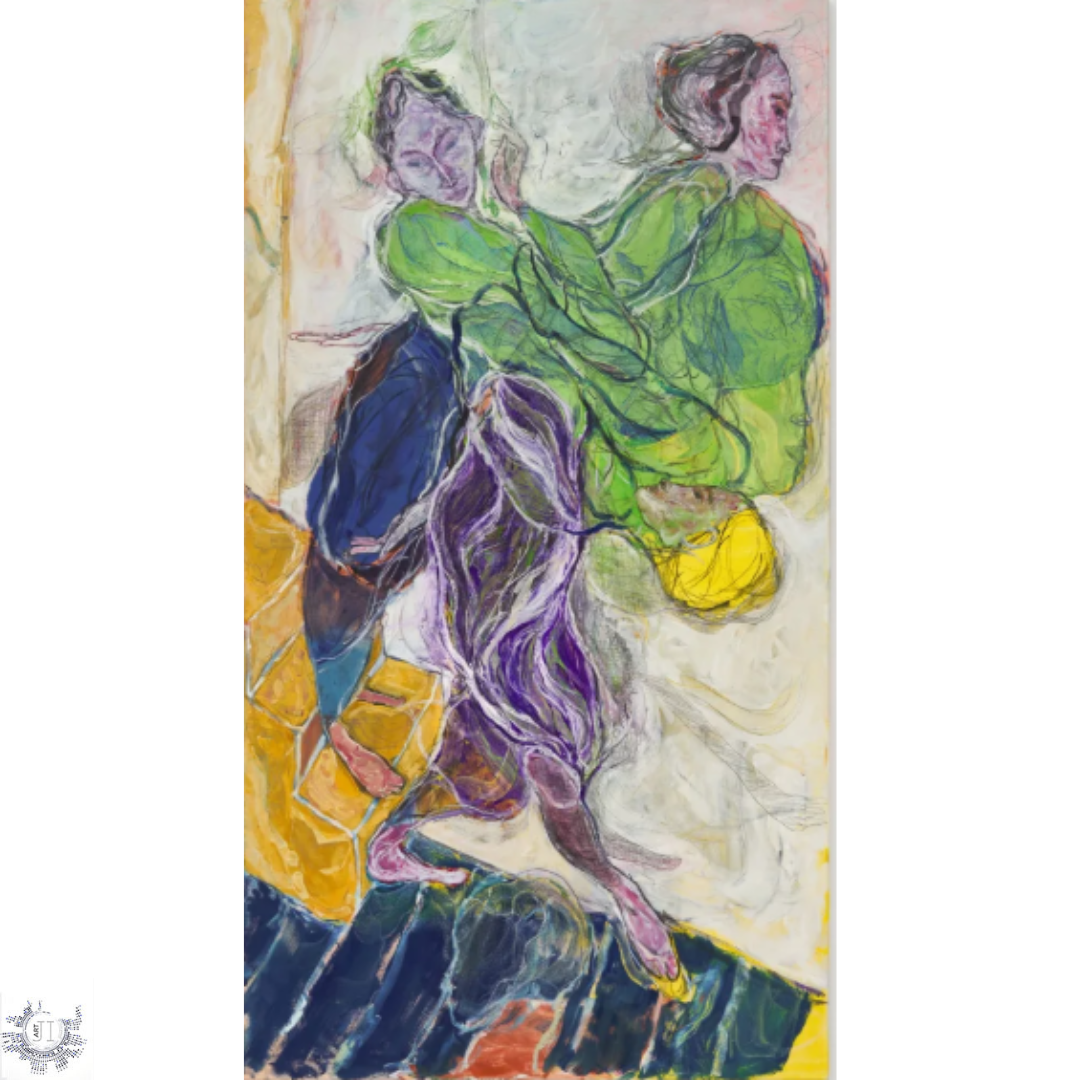
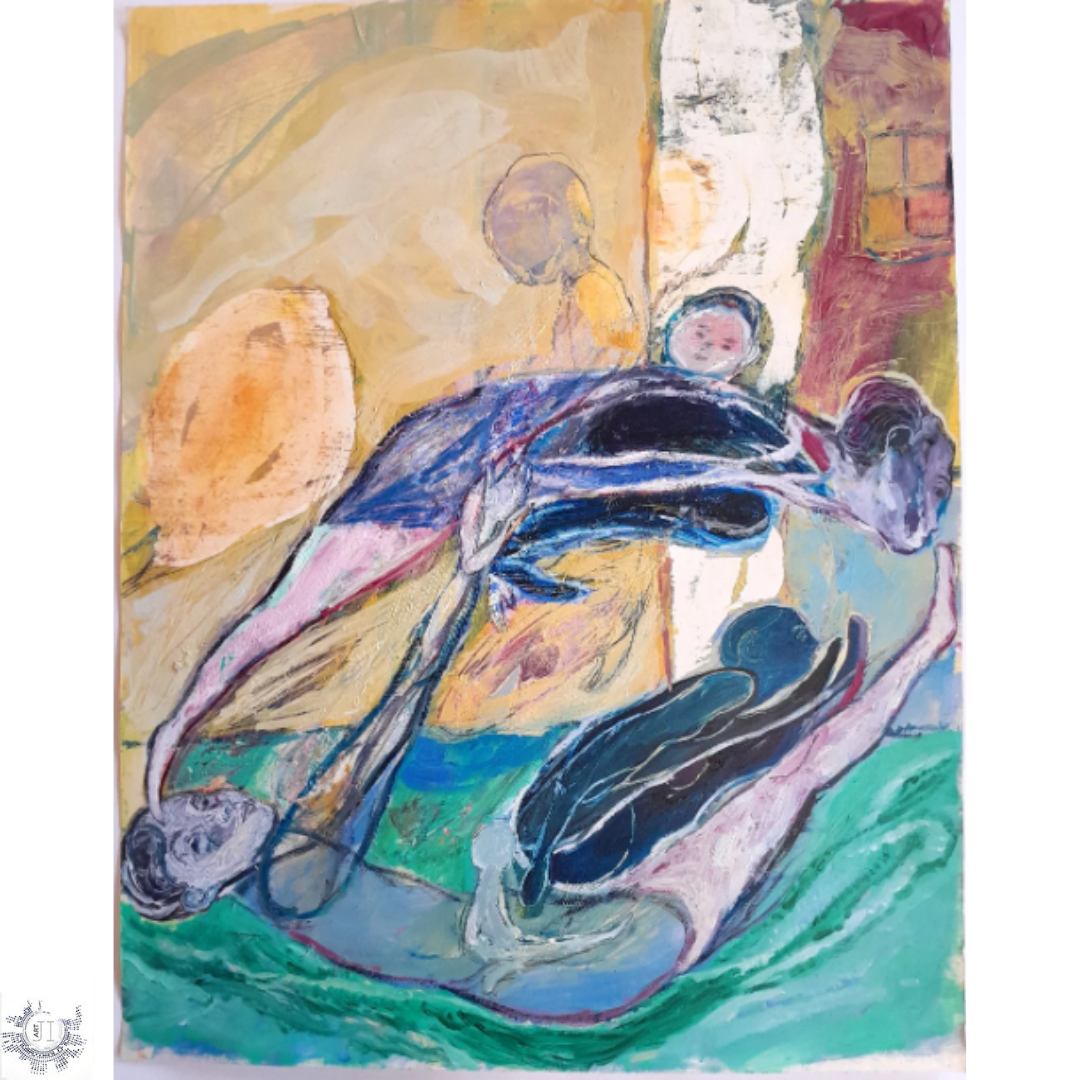
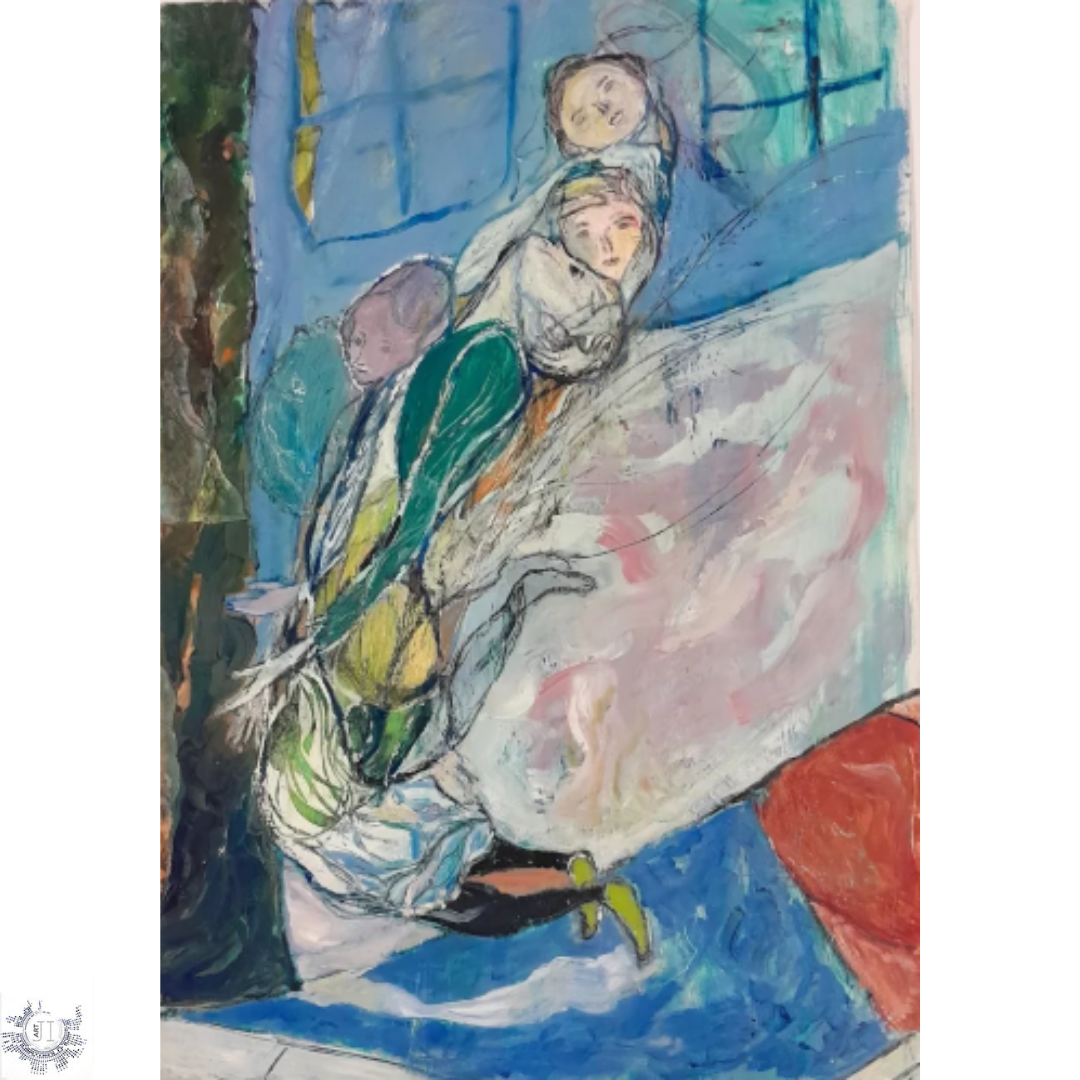
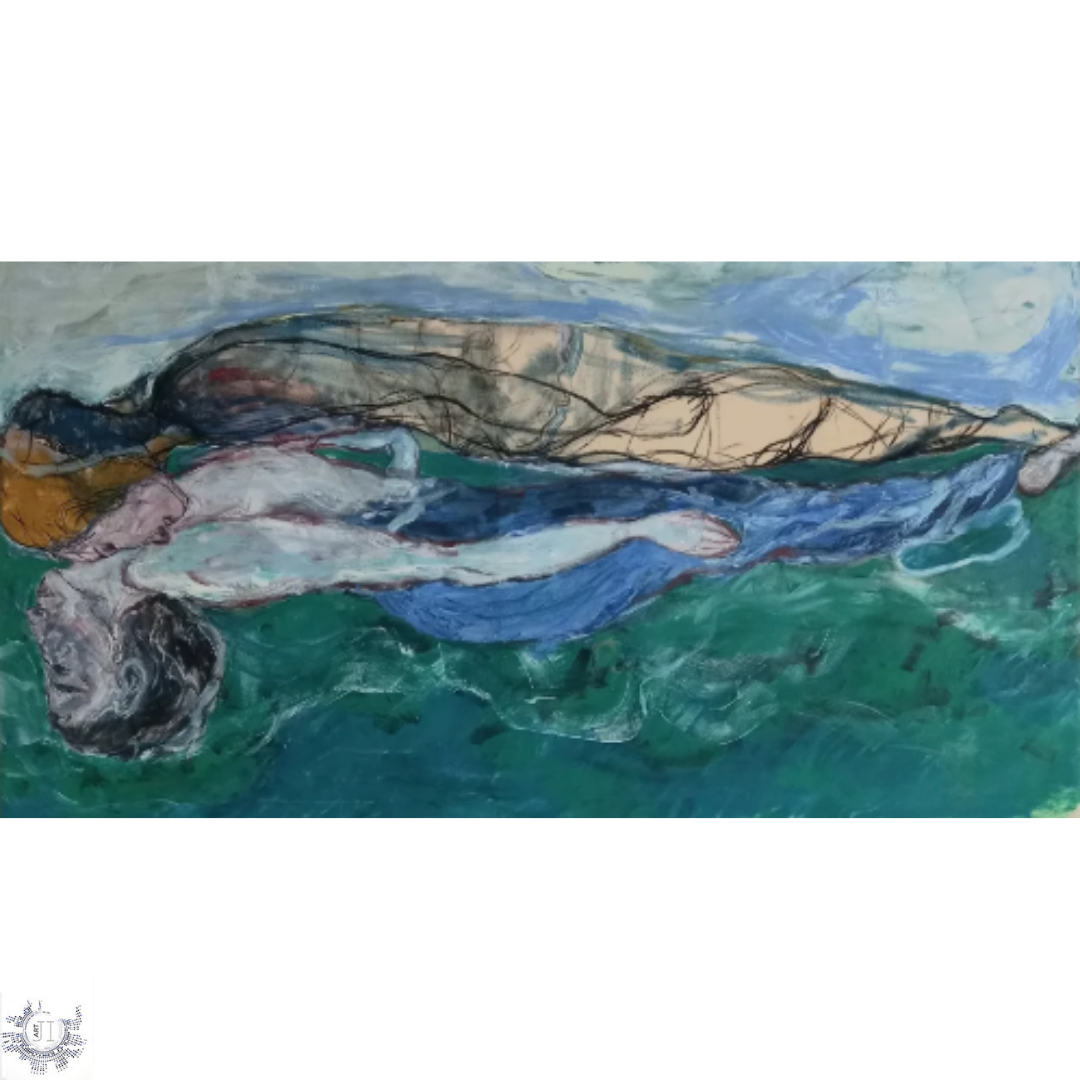
Depending on which lines the eye follows, new symbioses, attraction, or even repulsion can always emerge.
Waldemar Zimbelmann
The JI: There is sensuality in your work, but it is never innocent. The body in your paintings can feel desired, burdened, sacred, fragmented, even haunted at the same time. Do you think desire clarifies a person for you, or does it distort them into myth?
Waldemar: The mood of the individual figures usually remains ambivalent; it arises in the interplay with all the other figures, which are connected and simultaneously differentiated by a dense interplay of lines. Depending on which lines the eye follows, new symbioses, attraction, or even repulsion can always emerge.
The JI: Your titles and color decisions suggest that color is not decorative but mnemonic, almost like an emotional code. Are there colors you use as a form of confession, colors that carry private memory or psychic weather you would not say aloud in words?
Waldemar: For me, color is like a memory. It evokes a certain feeling in me. The colors, in a sense, embed the imagery within a personal mood.
The JI: In the press texts, your work is described through oscillations: attraction and repression, closeness and distance, freedom and submission. Which of those oppositions feels most autobiographical to you, and which one still frightens you when it appears on the canvas?
Waldemar: It often deals with the tension between closeness and distance. The figures move toward each other, entwine, or repel one another. The same thing happens on the canvas: one figure gains the upper hand and pushes the others back or supports them, even on a painterly level.
A person's inner world cannot be expressed with words, that moods are pre-shaped by personal as well as universal memory, and that they reclaim their space on the canvas.
Waldemar Zimbelmann
The JI: Many painters speak about the gaze, but in your work the figures’ eyes often feel like thresholds rather than features, as if they know something the rest of the body cannot bear. What kind of truth do you trust more: what a face reveals, or what a body betrays?
Waldemar: The faces form the center of my paintings, to which the bodies and their postures adapt. The mood lies in the expression, which cannot be grasped by the eyes alone, but emerges through the finest nuances of symmetry or subtle changes in real physiognomy (anomalies).
The JI: You have said, or your work has been framed as if it resists final theoretical explanation. If one of your paintings were able to say the psychological truth you are still unable to articulate in life, what do you think it would expose about you? 
Waldemar: She would say that a person's inner world cannot be expressed with words, that moods are pre-shaped by personal as well as universal memory, and that they reclaim their space on the canvas.